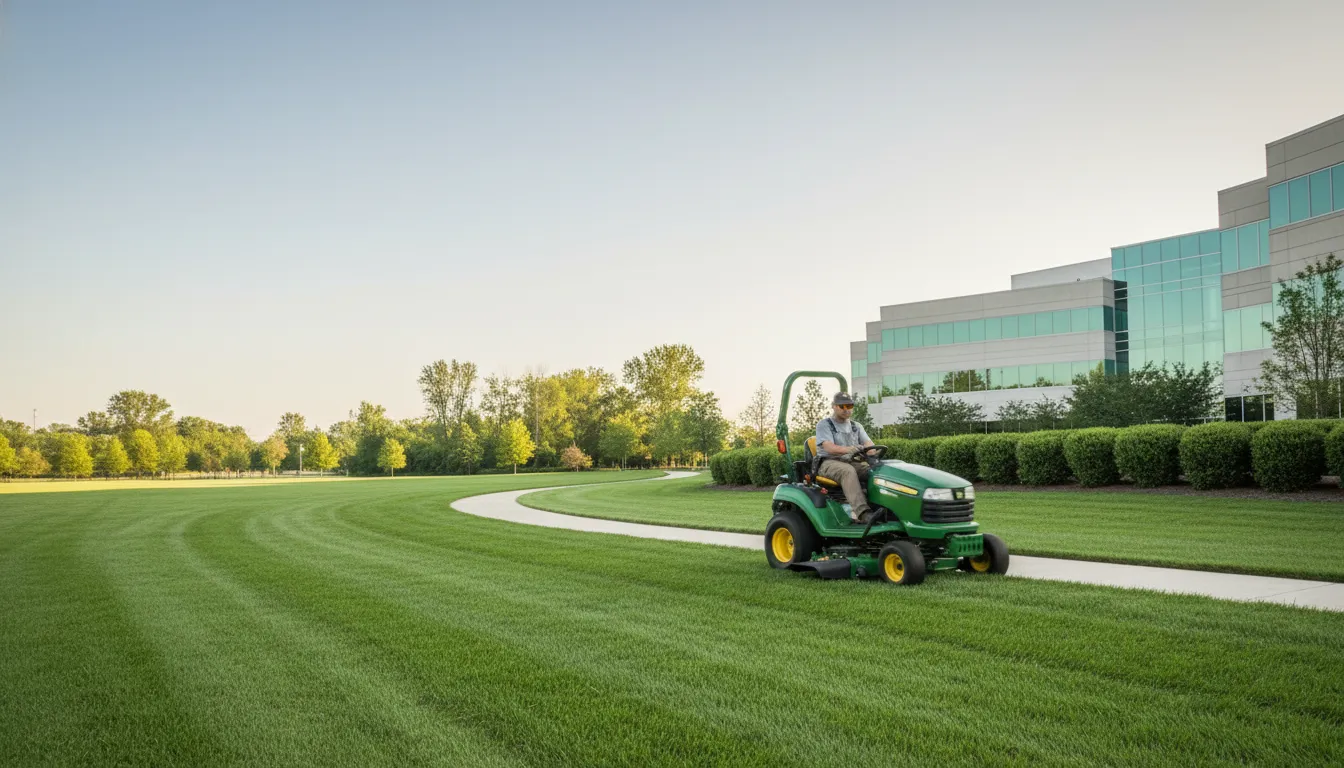
Find the Best Lawn Mowing Companies for Your Business
No obligation • Fast responses • Nationwide coverage

Why you can trust Landscape Atlas
Landscape Atlas is a leading United States resource for evaluating landscaping, lawn care, and outdoor service providers. Our team researches each category in depth, focusing on service quality, safety, and customer experience. Listings and rankings are based on independent criteria and user feedback, and companies cannot pay to influence our assessments or recommendations.
Search providers near you
Best Lawn Mowing Companies in Virginia Ranked
Maintaining a healthy, attractive lawn in Virginia requires an understanding of the state's unique climate and grass types. Professional lawn mowing services provide consistent, expert care that goes beyond simple cutting, ensuring your turf thrives through the humid summers and cool winters. This guide will help you understand the key practices, seasonal schedules, and considerations for finding a reliable local provider to handle your lawn maintenance needs.
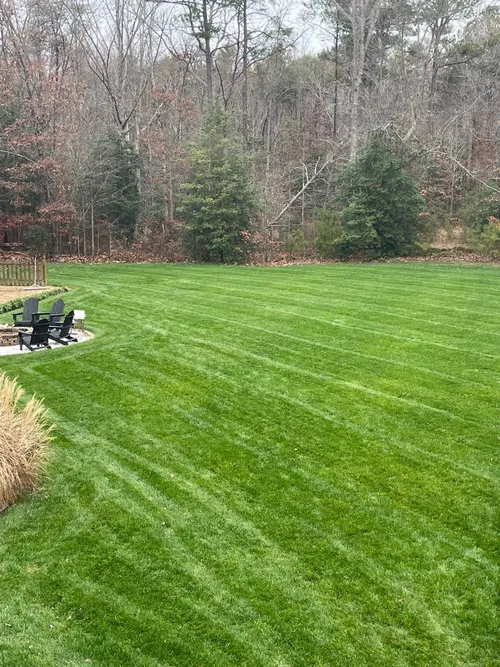
Greener Creations Lawn Care
2841 Darbytown Rd, Richmond, VA 23231
Greener Creations Lawn Care is a lawn care company based in Richmond, VA, serving the Richmond Metro area and surrounding counties including Mechanicsville, Henrico, Hanover, Quinton, and Chesterfield. They offer lawn mowing, lawn fertilization, and weed control services to maintain healthy and attractive lawns. Greener Creations provides lawn evaluations and estimates to help customers understand their lawn care needs.
Altizer Lawn & Landscape LLC
Richmond, VA
Altizer Lawn & Landscape LLC is a licensed and insured lawn care and landscaping company based in Richmond, VA. They offer a wide range of services including lawn mowing, fertilization, weed control, yard drainage, grading, land clearing, hardscaping with pavers and retaining walls, and stormwater management to protect home foundations. The company is certified in pesticide, herbicide, and fertilizer application and provides excavation and gravel driveway installation and maintenance. Founded and operated by Britt Altizer, a Richmond resident with a background in Environmental Studies and Urban Planning, the business emphasizes creative solutions and skilled workmanship.
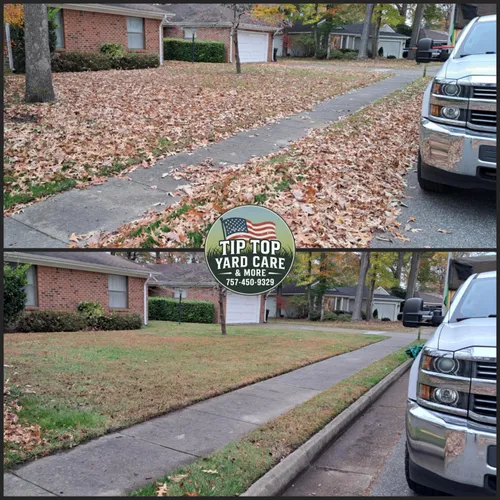
Edge To Edge Lawn Care
4633 Tony Lema Ln, Virginia Beach, VA 23462
Edge To Edge Lawn Care is a lawn care and landscaping company serving residential and commercial properties in Virginia Beach, VA. Established in 2021, the company offers a range of services including lawn mowing, hedge trimming, flower bed maintenance, leaf removal, plant and bush tearouts, as well as gutter and roof cleanups. They also provide installation of mulch, plants, gravel, and river rocks to enhance outdoor spaces. Their services cover routine lawn care and landscaping maintenance to improve the appearance and health of lawns and gardens throughout the area.
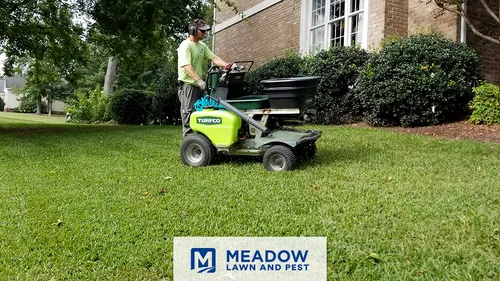
Meadow Lawn & Pest
21401 Brewers Neck Blvd, Carrollton, VA 23314
Meadow Lawn & Pest is a family-owned lawn care and pest control company serving Norfolk, VA, and surrounding areas including Carrollton, Smithfield, and Newport News. Established in 2008, they offer a range of services such as lawn mowing, fertilization, weed control, irrigation and sprinkler repair, landscaping, tree removal, and landscape lighting installation. Their team is licensed, certified, and insured, providing expertise in both indoor and outdoor pest control as well as yard drainage solutions. With over 16 years of experience, Meadow Lawn & Pest emphasizes consistent quality through regular maintenance and staff training.
Rivas Irrigation
2926 Hilliard Rd, Henrico, VA 23228
Rivas Irrigation is a family-owned lawn care and irrigation company based in Richmond, VA. They offer a wide range of services including irrigation system design, installation, repair, and maintenance for both residential and commercial properties. Their expertise also extends to landscaping, tree services, lawn mowing, weed control, and driveway sealing. With over 20 years of experience, Rivas Irrigation uses the latest technology to ensure efficient watering and healthy landscapes. They focus on personalized solutions to meet each client's specific needs.
Understanding Virginia's Lawn Environment
Virginia's climate is characterized by hot, humid summers and generally mild winters, creating a long growing season for turfgrass. Most residential lawns in the Commonwealth are composed of cool-season grasses like Tall Fescue, Fine Fescue, and Kentucky Bluegrass. These grasses grow most vigorously in the spring and fall when temperatures are moderate. This growth pattern directly dictates a mowing schedule that is far from uniform year-round. The clay-heavy soils common in many parts of the state also influence lawn health, as they can compact easily and affect drainage, making proper mowing height even more critical for root development and stress resistance.
The Professional Mowing Service Standard
When you hire a professional for lawn care in Virginia, you're typically getting more than just a cut. A standard service visit usually includes a core set of tasks designed to leave your property looking crisp and clean. The primary service is, of course, mowing the grass to the prescribed height with well-sharpened blades for a clean cut. This is almost always accompanied by string trimming (also called weed eating) along fences, walls, trees, and garden beds. Edging along driveways and walkways provides a sharp, defined border, and blowing clears clippings and debris from hard surfaces like patios, sidewalks, and driveways. Many companies bundle these tasks into a single per-visit price, offering a complete cleanup with each mow 1 2.
Optimal Mowing Height for Virginia Lawns
One of the most important aspects of lawn health is mowing at the correct height. Cutting too short (scalping) stresses the grass, exposes soil to weeds, and reduces the root system. The general rule for Virginia's cool-season grasses is to maintain a height of 3 to 4 inches for most of the year. This taller grass shades the soil, conserving moisture and reducing heat stress during summer. It also promotes deeper, healthier roots. A key principle is to never remove more than one-third of the grass blade in a single mowing session. If the lawn has grown too long, it's better to mow it down to the target height over two or three sessions rather than one drastic cut.
Seasonal Height Adjustments
- Spring & Fall: During peak growth periods, a height of 2.5 to 3 inches is common to encourage density and handle rapid growth.
- Summer: Raise the mower deck to 3.5 or 4 inches. The extra blade length provides crucial shade for the soil and crown of the grass plant, helping it survive summer heat and drought 3.
- Late Fall / Winter Prep: The final mow of the season, usually in late November, should be slightly shorter, around 2 to 2.5 inches. This helps prevent matting from fallen leaves and reduces the chance of snow mold developing over the winter.
Seasonal Mowing Frequency Guide
The frequency of mowing changes with the seasons, following the growth cycle of the grass. A professional service will adjust its schedule accordingly, which is a major benefit over a fixed calendar plan.
- Spring (March - May): Growth explodes as temperatures rise. Weekly mowing is almost always necessary from April through June to keep up with growth and prevent clumping. This is the time for consistent care to establish a strong lawn for the summer.
- Summer (June - August): Growth often slows, especially during periods of drought or extreme heat. Mowing frequency may drop to every 10-14 days, depending on rainfall and irrigation. The focus shifts to mowing higher to reduce stress.
- Fall (September - November): Cooler temperatures and autumn rains trigger a second major growth spurt, often requiring a return to weekly or bi-weekly service. This season is critical for leaf removal, which is often integrated into mowing visits.
- Winter (December - February): Growth largely stops. Mowing is only performed "as needed," which might mean bi-weekly or even less frequently, solely to keep the lawn tidy until growth resumes in late winter 4.
Find the perfect lawn mowing companies for your needs
Get personalized recommendations and expert advice
Service Packages and Pricing Structures
Professional lawn care providers in Virginia typically offer several service models. A per-visit charge is common for one-off or irregular service, but most homeowners opt for a recurring plan. A weekly or bi-weekly seasonal contract provides regularity and often a slightly lower per-visit rate. Many companies also offer comprehensive annual packages that bundle mowing with other essential services like fertilization, weed control, aeration, and overseeding, which can provide both convenience and value.
Understanding pricing can help you evaluate quotes. Costs are influenced by:
- Lawn Size: This is the primary factor. Prices may be quoted per 1,000 square feet, per acre, or as a flat rate for a defined lot size.
- Property Characteristics: Steep slopes, numerous obstacles (trees, gardens), and difficult terrain increase the time and labor required.
- Location: Rates in high-cost-of-living areas like Northern Virginia (NoVA) are typically higher than in more rural parts of the state.
- Service Inclusions: A basic mow will cost less than a visit that includes detailed edging, blowing, and leaf removal.
While prices vary widely, current ranges for a standard residential service visit in Virginia can be from $30 to over $100 5 6. Some providers may charge an hourly rate (e.g., $35-$70 per hour) or a square footage rate (e.g., $0.01-$0.06 per square foot) 7 8 9. A monthly plan for weekly mowing might start around $200 or more, depending on the scope 7.
Key Benefits of Professional Lawn Care
Hiring a professional service offers advantages that go beyond saving your own time and effort. Consistency is a major benefit; providers stick to a schedule optimized for grass health, regardless of your weekend plans. They also bring expertise in local grass types, seasonal needs, and proper techniques like alternating mowing patterns to prevent soil compaction and rutting. Professionals use commercial-grade equipment that is more efficient and delivers a superior cut compared to most residential mowers. Furthermore, they handle cleanup and disposal of grass clippings and debris, leaving your property immaculate. For many, the reliability and guaranteed results provide peace of mind and enhance curb appeal.
Selecting a Local Service Provider
Finding the right fit for your lawn involves some research. Start by seeking providers with strong local reputations and verifiable experience with Virginia lawns. Ensure they are properly licensed and insured to protect yourself from liability. Ask detailed questions about their service specifics: What is included in a standard mow? How do they determine mowing height and frequency? What is their process for handling leaves in the fall? Request a clear, written estimate that outlines the services, schedule, and total cost, including any potential extra fees. Finally, review their communication policies-knowing how to reach them with questions or schedule changes is important for a good working relationship.
Frequently asked questions
Sources
Footnotes
-
Northern Virginia Lawn Mowing Tips: A Pro's Guide | 2025 - https://www.lawncarereliable.com/blog-post/the-ultimate-guide-to-lawn-mowing-in-northern-virginia-tips-from-a-pro ↩
-
Lawn Mowing - Green Hill Landscaping - https://www.greenhilllandscaping.com/lawn-mowing/ ↩
-
Proper Mower Height For Virginia Lawns - https://virginiagreen.com/news/proper-mower-height-virginia-lawns ↩
-
How Often Should You Be Mowing Your Lawn in the Winter in Virginia? - https://meadowlawnandpest.com/how-often-should-you-be-mowing-your-lawn-in-the-winter-in-virginia/ ↩
-
Your Essential Guide to Lawn Care in Northern Virginia - https://www.kingstownelawn.com/blog/essential-guide-to-lawn-care-in-northern-virginia ↩
-
How Much Does Lawn Mowing Cost in 2026? - LawnStarter - https://www.lawnstarter.com/blog/cost/lawn-mowing-price/ ↩
-
How Much to Charge for Lawn Mowing: Complete Pricing Guide - https://order.siterecon.ai/blog/how-much-to-charge-for-lawn-mowing ↩ ↩2
-
How Much to Charge For Lawn Mowing: Pricing Charts and Formula - https://www.getjobber.com/academy/lawn-care/how-to-price-out-lawn-care-services/ ↩
-
Lawn Care Price Guide 2026: Average Mowing Rates & Costs - https://www.housecallpro.com/resources/how-much-charge-lawn-mowing/ ↩