Find the Best Lawn Mowing Companies for Your Business
No obligation • Fast responses • Nationwide coverage

Why you can trust Landscape Atlas
Landscape Atlas is a leading United States resource for evaluating landscaping, lawn care, and outdoor service providers. Our team researches each category in depth, focusing on service quality, safety, and customer experience. Listings and rankings are based on independent criteria and user feedback, and companies cannot pay to influence our assessments or recommendations.
Search providers near you
Best Lawn Mowing Companies in Washington Ranked
Maintaining a healthy, attractive lawn in Washington requires understanding the unique climate of the Pacific Northwest. Regular, proper mowing is the cornerstone of good lawn care, promoting thick growth, reducing weeds, and enhancing your property's curb appeal. This guide provides practical, science-backed advice on mowing schedules, techniques, and local considerations to help you achieve a lush lawn, whether you manage it yourself or seek professional assistance.
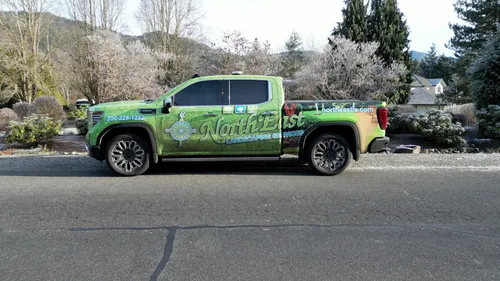
North East Landscaping Services
12259 155th Ave SE, Renton, WA 98059
North East Landscaping Services is a family-owned landscaping company with over 20 years of experience serving residential and commercial clients in Seattle, WA. They provide a comprehensive range of outdoor services including lawn care, fertilization, weed control, sod and artificial turf installation, fence and deck construction, landscape lighting, tree services, yard drainage, sprinkler installation and repair, as well as hardscaping like pavers and retaining walls. The company emphasizes quality workmanship and building lasting relationships with clients, handling projects of all sizes with care and honesty.
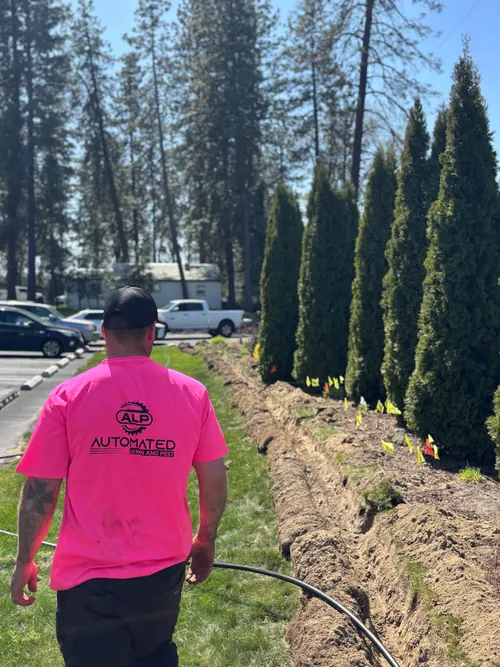
Automated Lawn & Pest, LLC
1908 E Mallon Ave, Spokane, WA 99202
Automated Lawn & Pest, LLC is a locally owned lawn care and pest control company based in Spokane, WA. Founded in 2021, they provide a wide range of services including lawn mowing, fertilization, weed control, pest management, sprinkler installation and repair, landscape design and construction, sod installation, and tree services. Serving both residential and commercial clients in Spokane and Coeur d'Alene, the company emphasizes tailored solutions and environmentally friendly practices. One notable capability is their comprehensive vegetation management, which includes targeted shrub bed weed control to maintain healthy and attractive landscapes. Automated Lawn & Pest also offers full-service yard cleanups and seasonal snow removal, supporting year-round property maintenance.

G&E Landscape Contractor
Seattle, WA
G&E Landscape Contractor is a general contractor based in Seattle, WA, offering a wide range of landscaping and lawn care services. Their expertise includes lawn mowing, fence installation, sprinkler system installation and repair, hardscaping with pavers and retaining walls, as well as residential and commercial painting. They focus on delivering skilled craftsmanship and comprehensive landscape solutions to meet client needs.

Property Care Northwest
19123 NE 103rd St, Redmond, WA 98053
Property Care Northwest is a landscaping and lawn care company serving Seattle, WA, and the greater Redmond area. They offer year-round lawn maintenance, landscape clean-ups, renovations, and ongoing care tailored to both residential and commercial properties. Their team has extensive experience and a strong connection to the Pacific Northwest, allowing them to provide services that suit local conditions. Property Care Northwest is licensed, bonded, and insured, with a focus on dependable scheduling and project completion.

Augusta Lawn Care of Cheney
Spokane, WA
Augusta Lawn Care of Cheney is a lawn care company based in Spokane, WA. They provide lawn mowing and general lawn care services to maintain healthy and attractive outdoor spaces. The company is fully insured and operates six days a week, offering professional lawn maintenance in the Spokane area.
Understanding Washington's Lawn Grasses
The most common grasses found in Washington lawns are cool-season varieties, perfectly suited to the region's mild, wet winters and relatively dry summers. Knowing your grass type is the first step to proper care.
- Perennial Ryegrass: Known for its quick germination and wear tolerance, it's often used in seed mixes for its durability.
- Fine Fescues: Including creeping red, chewings, and hard fescues, these grasses are shade-tolerant, drought-resistant, and require less fertilizer.
- Kentucky Bluegrass: This grass forms a dense, lush carpet and spreads via rhizomes, making it excellent for repairing bare spots but requiring more water and sun.
These grasses thrive with specific mowing heights and frequencies that change with the seasons. The goal is to maintain a height that encourages deep roots, which is crucial for surviving summer dry spells common east of the Cascades and competing with moss in wetter western areas.
The Golden Rule: Mowing Height and Frequency
The single most important practice for lawn health is the "one-third rule." Never remove more than one-third of the grass blade in a single mowing. Cutting too short ("scalping") stresses the plant, exposes soil to weed seeds, and leads to shallow root systems 1.
Recommended Mowing Heights by Season
Adjusting your mower's deck height with the seasons is non-negotiable for a resilient Washington lawn.
- Spring (March - June): Set your mower to 2 - 2.5 inches. Spring growth is vigorous due to rain and warming soils, often requiring weekly mowing to follow the one-third rule.
- Summer (July - September): Raise the cutting height to 2.5 - 4 inches. Taller grass shades the soil, retaining moisture and reducing heat stress during dry periods. Mowing frequency typically slows to every 10 to 14 days, depending on irrigation 2 3.
- Fall (October - November): As growth slows and temperatures drop, you can gradually lower the height back to around 2 inches for the final few mows. This helps prevent matting under winter leaves and snow. Frequency decreases to every 2-3 weeks 4.
- Winter (December - February): Mowing is usually unnecessary. If a warm spell prompts growth, a single cut at a higher setting may be performed, but avoid mowing when the ground is frozen or saturated to prevent soil compaction and damage.
Essential Mowing Techniques for a Healthier Lawn
Beyond height, how you mow makes a significant difference.
- Keep Blades Sharp: Dull mower blades tear grass, creating ragged, brown tips that are entry points for disease. Sharpen blades several times per season for a clean cut 5.
- Vary Your Pattern: Mowing in the same direction every time causes grass to lean and can create ruts. Change your pattern each time to encourage upright growth and prevent soil compaction.
- Practice "Grasscycling": Leave the clippings on the lawn! These short clippings decompose quickly, returning valuable nitrogen and organic matter to the soil, acting as a natural fertilizer and reducing waste 6.
- Mow When Dry: Always mow a dry lawn. Wet grass clumps, clogs the mower, and results in an uneven cut. It can also spread fungal spores.
Regional Considerations Across Washington
Washington's diverse geography demands localized lawn care strategies.
- Western Washington (Puget Sound, Coast): High rainfall and shade are the main challenges. Mow at the higher end of the recommended range to combat moss and shade stress. Be vigilant about mowing frequency during the long, damp spring growth period. Ensure good drainage to avoid mowing waterlogged turf.
- Eastern Washington (Columbia Basin, Spokane): Drought and heat are primary concerns. Always mow high in summer (3.5-4 inches) to maximize water retention. Grass may go semi-dormant and brown in peak summer heat; avoid mowing dormant grass. Water deeply and infrequently in the early morning.
Find the perfect lawn mowing companies for your needs
Get personalized recommendations and expert advice
Common Lawn Mowing Services and Pricing
Many Washington homeowners choose to hire professionals for lawn mowing, often as part of a broader maintenance plan. Services typically range from basic cuts to comprehensive packages.
- Subscription/Recurring Service: The most popular option, providing regular mowing on a weekly, bi-weekly, or monthly schedule. This often includes edging, trimming, and blowing off hard surfaces 7.
- Per-Visit/One-Time Service: Useful for a single cut, seasonal clean-up, or after returning from vacation.
- Add-On Services: Professionals frequently bundle mowing with other tasks like string trimming, edging along sidewalks and driveways, and blowing away clippings from patios and walkways 8.
Pricing is influenced by lawn size, complexity (slopes, obstacles), and frequency. While prices fluctuate, general frameworks in Washington include:
- By Property Size: A common pricing model based on the total area to be mowed.
- Up to 1/4 acre: $25 - $60 per visit
- 1/2 acre: $50 - $75 per visit
- 1 acre: $150 - $200 per visit 9
- By Square Footage: Some providers charge a rate per thousand square feet.
- By Hourly Labor: For complex properties or bundled jobs, an hourly rate of $25 - $80 may apply 10.
Troubleshooting Common Washington Lawn Issues
- Moss Invasion: A sign of compacted soil, poor drainage, low fertility, or excessive shade. Mow higher, improve drainage, and consider dethatching. Apply moss control products in fall or spring.
- Lawn Diseases (Red Thread, Dollar Spot): Fungal diseases thrive in cool, wet conditions. Mow when dry, ensure sharp blades, avoid excessive nitrogen fertilizer, and improve air circulation.
- Weeds: A dense, healthy lawn is the best weed prevention. Mowing at the proper height shades out weed seedlings. For persistent weeds like dandelions or clover, targeted spot treatment may be necessary.
- Dry Summer Brown-Out: In Eastern WA, cool-season grasses may go dormant. Do not mow dormant, brown grass. Raise your mowing height pre-summer and water deeply (1 inch per week) if possible to maintain green color.
Building a Year-Round Mowing Schedule
A proactive calendar helps you stay ahead of your lawn's needs.
- Late Winter (Feb): Service your mower-sharpen blades, change the oil, and ensure it's ready for spring.
- Spring (Mar-Jun): Mow weekly at 2-2.5 inches. This is the peak growing season. Clean up winter debris.
- Early Summer (Jul): Raise mower height to 3+ inches. Transition to a 10-14 day schedule based on rainfall/irrigation.
- Late Summer (Aug): Maintain high mowing height. Be prepared to water during extended dry periods.
- Fall (Sep-Nov): Gradually lower height back to 2 inches for the final cuts. Mow fallen leaves or mulch them with the mower to prevent smothering the grass.
- Winter (Dec-Jan): Store mower properly. Avoid walking on or mowing frozen or soggy lawns.