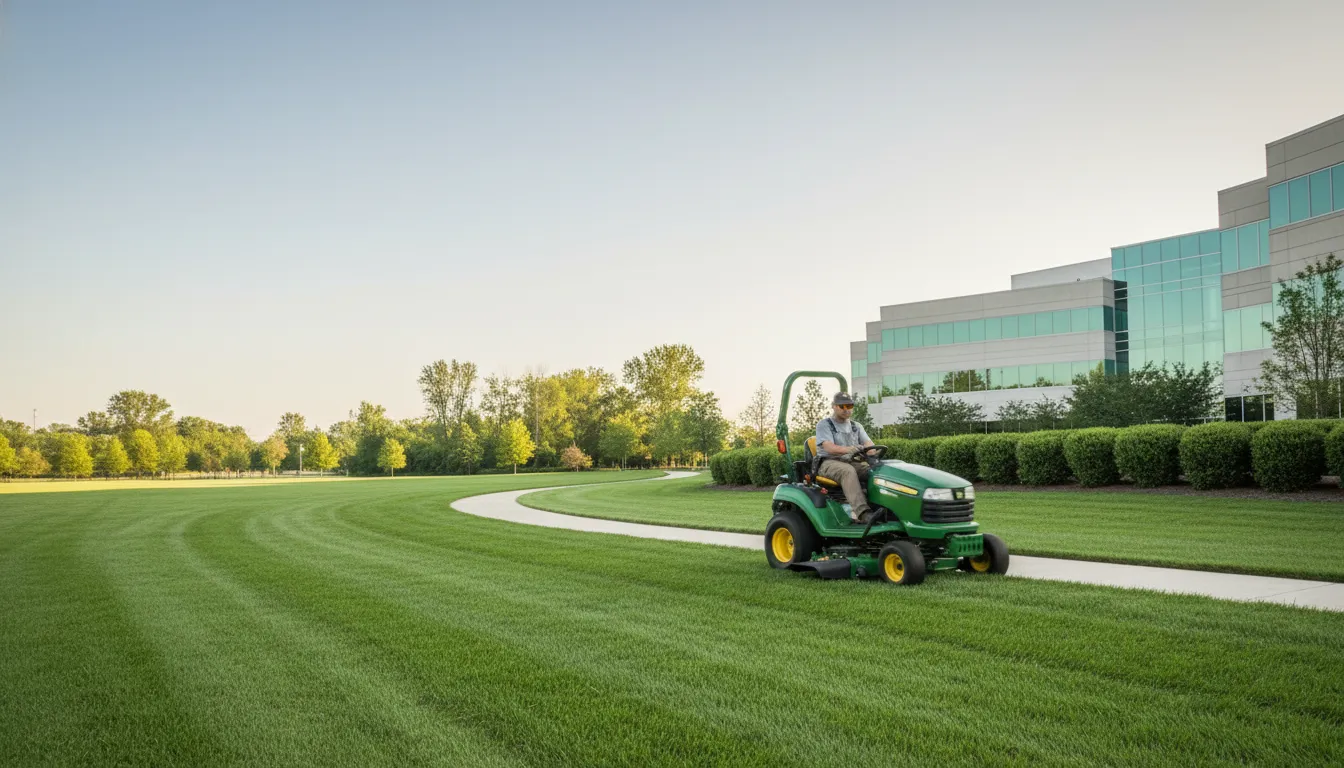
Find the Best Lawn Mowing Companies for Your Business
No obligation • Fast responses • Nationwide coverage

Why you can trust Landscape Atlas
Landscape Atlas is a leading United States resource for evaluating landscaping, lawn care, and outdoor service providers. Our team researches each category in depth, focusing on service quality, safety, and customer experience. Listings and rankings are based on independent criteria and user feedback, and companies cannot pay to influence our assessments or recommendations.
Search providers near you
Best Lawn Mowing Companies in Wisconsin Ranked
Maintaining a healthy, attractive lawn in Wisconsin requires more than just running a mower over the grass. It involves understanding the state's unique climate, the specific needs of cool-season grasses, and the seasonal rhythms that dictate proper care. Regular, professional mowing is a foundational practice that promotes a thick turf, reduces weeds, and enhances your property's curb appeal. This guide provides clear, practical information on lawn mowing services in Wisconsin, helping you understand best practices, seasonal schedules, and typical service options so you can make informed decisions for your property.
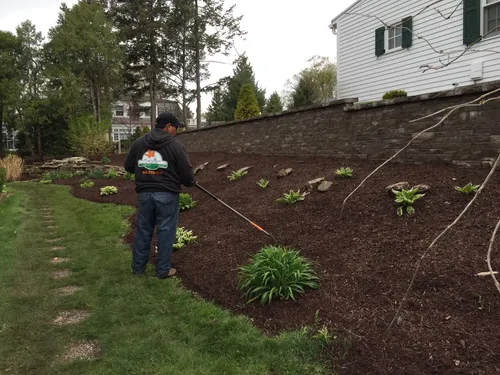
King Maple Landscaping LLC
5401 Monument Ln, Madison, WI 53704
King Maple Landscaping LLC is a locally owned and operated landscaping and lawn care company based in Madison, WI. They offer a range of services including lawn mowing, landscaping, and general lawn care for residential properties. The company emphasizes clear communication and a straightforward process to ensure customer satisfaction. Their equipment is selected specifically for each property to provide tailored care.
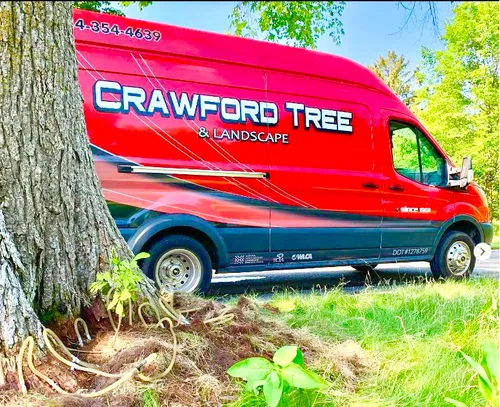
Crawford Tree & Landscape Services, Inc.
8760 W Calumet Rd, Milwaukee, WI 53224
Crawford Tree & Landscape Services, Inc. is a full-service tree and landscape care company based in Milwaukee, WI. They offer a wide range of services including tree risk assessment, removal, pruning, shrub trimming, lawn mowing, landscaping, grading, drainage solutions, and hardscape installation. Their plant health care services include disease management, pest control, fertilization, and specialized treatments such as Emerald Ash Borer protection. Established in 1969, Crawford Tree & Landscape Services provides 24/7 availability for urgent needs and uses advanced equipment to ensure safe and efficient operations.

Western Landscape LLC
6880 County Rd M, Verona, WI 53593
Western Landscape LLC is a full-service lawn care and landscaping company based in Madison, WI. Founded by brothers Sam and Elijah, the company offers a wide range of services including lawn mowing, fertilization, weed control, landscape design, hardscaping, snow removal, and luxury vinyl plank installation for both residential and commercial properties. They are known for transforming outdoor spaces into attractive and functional areas, serving Madison and the surrounding communities.
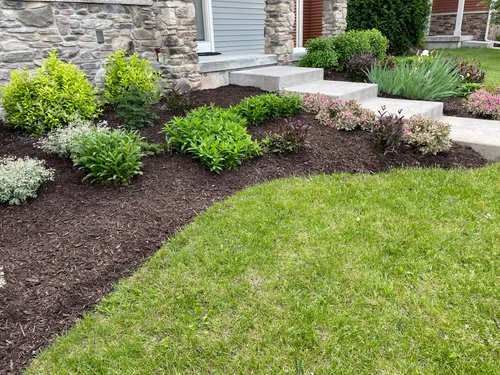
Dreger Lawn & Landscape
10051 Mid Town Rd, Verona, WI 53593
Dreger Lawn & Landscape is a full-service lawn care, landscaping, and hardscaping company based in Madison, WI. They serve West Madison, Middleton, Verona, Fitchburg, Cross Plains, and surrounding areas, offering landscape maintenance, installation, and hardscape installation. Their team manages projects from initial consultation through planning, execution, and ongoing support to maintain outdoor spaces year-round. Dreger Lawn & Landscape is known for its local roots and commitment to quality results and strong communication.
Carrington Lawn & Landscape
4387 Schwartz Rd, Middleton, WI 53562
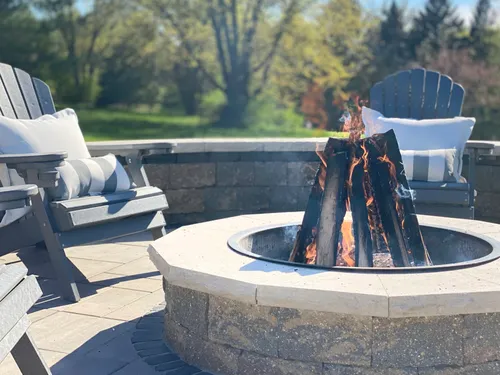
Carrington Lawn & Landscape is a full-service landscaping company based in Madison, WI, specializing in lawn care, landscape design, hardscaping, tree services, and outdoor lighting installation. Established in 1998, they offer customized solutions including lawn fertilization, weed control, retaining walls, and landscape lighting to enhance both the beauty and functionality of outdoor spaces. Their team manages projects from initial consultation through installation and ongoing maintenance, focusing on tailored designs that reflect clients' lifestyles. They also provide commercial snow removal services with certified expertise during winter months.
Understanding Wisconsin's Lawn Environment
Wisconsin's climate presents distinct challenges and opportunities for lawn care. The state experiences four distinct seasons, with cold winters, warm summers, and transitional spring and fall periods that see vigorous grass growth. Most lawns in Wisconsin are composed of cool-season grasses like Kentucky Bluegrass, Fine Fescue, and Perennial Ryegrass. These grasses thrive in the cooler temperatures of spring and fall and can go semi-dormant during the peak summer heat. Successful mowing strategies are built around supporting these grasses through their natural growth cycles, ensuring they remain resilient against drought, heat stress, and winter damage.
Core Principles of Proper Mowing
Adhering to a few fundamental rules can dramatically improve the health and appearance of your lawn. These principles are the cornerstone of professional lawn care service in Wisconsin.
The 1/3 Rule
This is the single most important guideline for mowing. You should never remove more than one-third of the grass blade height in a single mowing session. For example, if your target height is 3 inches, you should mow when the grass reaches about 4.5 inches. Cutting off more than this stresses the grass plant, shocks its root system, and can lead to a brown, scalped appearance. It also creates excessive clippings that can smother the lawn.
Ideal Mowing Height
For Wisconsin's cool-season grasses, the recommended mowing height is between 2.5 and 3.5 inches. A taller grass blade has several advantages:
- Deeper Roots: Encourages the development of a deeper, more drought-resistant root system.
- Weed Suppression: Shades the soil, making it harder for weed seeds (like crabgrass) to germinate.
- Moisture Retention: Helps reduce soil moisture evaporation during hot, dry periods.
- Healthier Turf: Provides more leaf surface for photosynthesis, leading to a stronger plant.
The Importance of Sharp Blades
A sharp mower blade is non-negotiable for a healthy cut. Dull blades tear and shred the grass tips rather than cutting them cleanly. These ragged ends turn brown, giving the lawn a dull, unhealthy cast, and create openings for disease to enter the plant 1. Professionals ensure their equipment is sharpened regularly to deliver a crisp, clean cut that promotes faster healing and a greener appearance.
Seasonal Mowing Guide for Wisconsin
Your mowing frequency and strategy must adapt to the changing seasons. A static schedule year-round will not yield the best results.
Spring (April - May)
As soil temperatures rise, grass begins its most vigorous growth period. Mowing frequency increases during this time.
- Start High: Begin the season by mowing at the higher end of the recommended range (around 3.5 inches) to encourage strong early growth.
- Weekly Mowing: This is typically necessary to keep up with growth while following the 1/3 rule.
- Clean-Up: The first mow of the season often involves cleaning up winter debris and may be a bit shorter to remove dead tips before resuming a regular height.
Summer (June - August)
Heat and potential drought define Wisconsin summers, slowing grass growth.
- Raise the Height: Increase your mowing height to 3-4 inches to provide extra shade for the soil and conserve moisture 2.
- Reduce Frequency: Growth slows, so you may transition to a bi-weekly (every other week) schedule 3 4.
- Mow in the Evening: If possible, mow in the cooler evening hours to reduce stress on the grass.
- Avoid Mowing Drought-Stressed Lawns: If the lawn is brown and dormant during a dry spell, it's best to avoid mowing altogether until it recovers with rain.
Fall (September - November)
Cooler temperatures return, triggering another period of active growth-often called the "second spring."
- Return to Weekly: Resume weekly mowing to manage the growth surge 5.
- Gradually Lower Height: As growth slows in late fall, you can gradually lower the cutting height to around 2.5 inches for the final cuts.
- Final Mow: Continue mowing as long as the grass is growing. The last mow of the season should leave the lawn slightly shorter (around 2.5 inches) to help prevent matting and snow mold over the winter 6 7.
Find the perfect lawn mowing companies for your needs
Get personalized recommendations and expert advice
Common Lawn Mowing Service Formats
Professional providers typically offer service plans tailored to different needs and budgets. Understanding these formats helps you choose the right option.
Weekly Service: This is the most common and recommended schedule for maintaining optimal lawn health, especially during peak growth in spring and fall. It provides the best value per visit and ensures the 1/3 rule is always followed, resulting in a consistently manicured appearance.
Bi-Weekly Service (Every Other Week): A popular option during the slower summer growth period or for those with budget constraints. While cost-effective, it requires careful planning to ensure the grass doesn't grow too tall between visits, which could necessitate violating the 1/3 rule on service day.
Monthly or One-Time Service: This format usually carries the highest cost per visit. Because the grass grows significantly between mowings, the service requires more time, effort, and may involve multiple passes or bagging large volumes of clippings. It's often used for cleanup, seasonal startups, or for properties that don't require regular maintenance 8.
Factors Influencing Service and Cost
Several variables determine the scope of a mowing service and its associated cost. These are standard considerations for providers when giving an estimate.
- Property Size: The total square footage of lawn area is the primary cost driver. Larger properties require more time and fuel.
- Terrain and Obstacles: Slopes, ditches, and numerous trees, gardens, or play sets increase the complexity and time required for mowing and trimming.
- Service Scope: Basic mowing typically includes cutting, blowing clippings off hard surfaces, and string trimming along edges. Additional services like detailed edging, blowing clippings from beds, or sidewalk cleanup may be extra.
- Frequency: As noted, less frequent service (bi-weekly, monthly) often costs more per visit than a weekly schedule due to the increased overgrowth 9 10.
- Condition: A lawn that is excessively overgrown or weedy may incur a one-time "recovery" fee for the initial cleanup.
Enhancing Your Mowing Service
A comprehensive lawn care approach often pairs mowing with other seasonal practices for optimal results.
- Fertilization: Feeding your lawn with the right nutrients at key times (spring, fall) supports the vigorous growth you're managing with your mower.
- Aeration: Performing core aeration in the fall relieves soil compaction, allowing water, air, and nutrients to reach the grass roots more effectively.
- Overseeding: Introducing new grass seed, particularly in the fall, helps thicken the turf, crowd out weeds, and repair thin or damaged areas.
By partnering with a knowledgeable professional who understands these integrated practices, you can ensure your Wisconsin lawn is not just cut, but truly cared for throughout the year.