Find the Best Sprinkler & Irrigation Companies for Your Business
No obligation • Fast responses • Nationwide coverage

Why you can trust Landscape Atlas
Landscape Atlas is a leading United States resource for evaluating landscaping, lawn care, and outdoor service providers. Our team researches each category in depth, focusing on service quality, safety, and customer experience. Listings and rankings are based on independent criteria and user feedback, and companies cannot pay to influence our assessments or recommendations.
Search providers near you
Top Sprinkler & Irrigation Companies in Arcadia, California Ranked
A well-designed sprinkler and irrigation system is the backbone of a healthy, beautiful, and water-efficient landscape in Arcadia. These systems go far beyond simple watering; they are engineered networks that deliver precise amounts of water exactly where and when your plants need it, conserving a vital resource while protecting your property investment. This guide will help you understand the components, best practices, and local requirements for efficient landscape watering, empowering you to make informed decisions for your home or business.
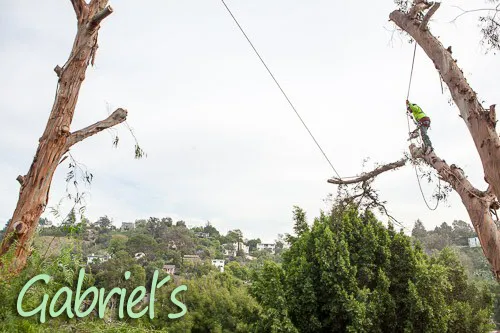
Gabriel´s Tree Service And Landscaping
11528 Felton Ave, Los Angeles, CA 90045
Gabriel's Tree Service And Landscaping is a full-service tree and landscaping company based in Los Angeles, CA. They offer a wide range of services including tree trimming, removal, stump grinding, emergency tree care available 24/7, landscape design, sprinkler installation and repair, land clearing, demolition, and hardscaping. Their certified arborists use professional equipment to safely manage tree emergencies and routine maintenance for residential and commercial properties. With over 20 years of experience, Gabriel's Tree Service And Landscaping also provides demolition services tailored to site preparation and renovation needs.
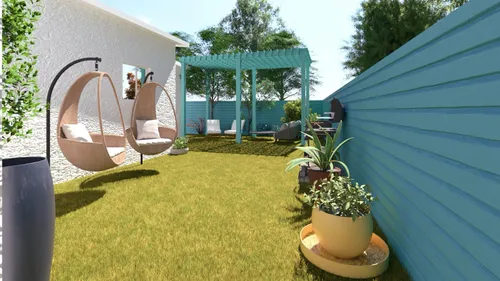
Green Advisor Inc.
7660 Beverly Blvd, Los Angeles, CA 90036
Green Advisor Inc. is a landscaping and remodeling company based in Los Angeles, CA. They provide comprehensive landscape design and construction services, including hardscaping, irrigation system installation, and custom outdoor renovations. Their expertise extends to pool construction, patio and deck building, and eco-friendly home remodeling projects. The company is recognized for its award-winning landscape designs and sustainable outdoor solutions. Green Advisor Inc. also offers 3D design services to help clients visualize their projects. They serve the Greater Los Angeles area, including the San Fernando Valley, and collaborate with trusted suppliers to ensure quality materials and craftsmanship.
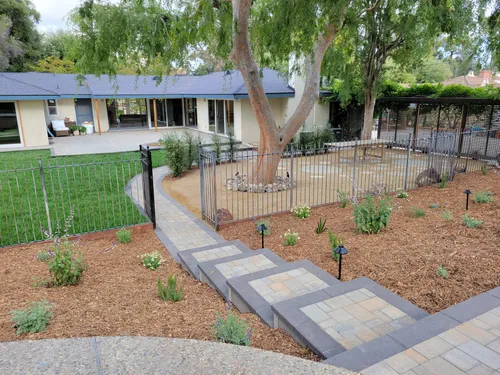
Droughtscape
Angeles Crest Hwy, La Cañada Flintridge, CA 91011
Droughtscape is a landscaping and outdoor construction company based in Los Angeles, CA. With over 45 years of experience, they specialize in drought and fire-resistant landscape design and installation, hardscaping, irrigation, fencing, artificial turf, and more. Their services cover a wide range of outdoor improvements including interlocking pavers, decks, pergolas, retaining walls, and yard drainage. Droughtscape serves multiple neighborhoods in the Los Angeles area, focusing on water-saving and sustainable landscaping solutions that suit various home styles. They emphasize clear communication and quality craftsmanship to provide a smooth project experience.
Socal Landscape & Gardening
1245 McClellan Dr, Los Angeles, CA 90025
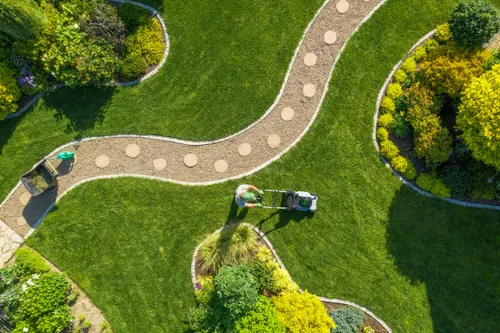
Socal Landscape & Gardening is a landscaping company based in Los Angeles, CA, offering a range of lawn care and gardening services. They provide residential and commercial clients with lawn mowing, landscape design, tree removal, stump grinding, sprinkler installation and repair, and irrigation management. The company serves the Southern California area and specializes in luxury properties, focusing on eco-friendly and comprehensive garden care.
Green Advisor Inc.
15928 Ventura Blvd Suite #216, Encino, CA 91436
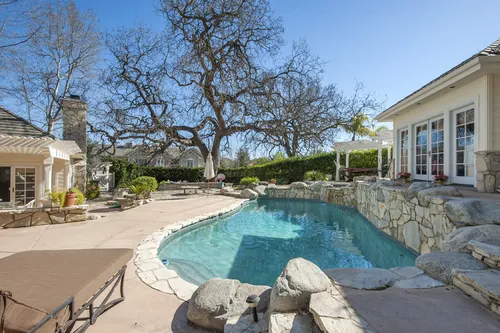
Green Advisor Inc. is a landscaping and remodeling company based in Los Angeles, CA, offering comprehensive landscape design, hardscaping, irrigation, and outdoor construction services. They specialize in custom outdoor spaces including patios, decks, pools, and retaining walls, as well as interior and exterior home remodeling. Their services cover the Greater Los Angeles area, with a focus on sustainable and innovative solutions. The company provides 3D design renderings to help clients visualize projects and collaborates with trusted suppliers to ensure quality materials and craftsmanship. Green Advisor Inc. has completed over 750 renovation projects recently, demonstrating extensive experience in the field.
Understanding Your Irrigation System's Components
At its core, an automatic landscape watering system is a network of interconnected parts working in harmony. The controller is the brain, sending signals to open and close valves according to a programmed schedule. These valves control the flow of water to different zones, which are sections of your yard grouped by plant type. Within each zone, water is distributed through a network of underground pipes to sprinkler heads (like rotors or spray heads for lawns) or drip emitters for garden beds and shrubs.
The choice between sprinklers and drip irrigation is crucial for efficiency. Overhead sprinkler systems are designed for turf areas, with heads placed to achieve "head-to-head" coverage for even distribution. For non-turf areas like flower beds, trees, and foundation plantings, drip irrigation is the gold standard. It applies water slowly and directly to the root zone, minimizing evaporation and runoff, which is a key focus in Arcadia's water-conscious environment.
The Science of Hydrozoning and Smart Watering
The most effective irrigation design is built on the principle of hydrozoning. This means grouping plants with similar water, sun, and soil needs into the same irrigation zone. A typical property might have separate zones for a thirsty lawn, a moderate-water shrub bed, and a low-water succulent garden. This allows the system to deliver the right amount of water to each plant type, preventing both underwatering and wasteful overwatering.
Scheduling is the next critical piece. The mantra for healthy lawns is "deep and infrequent" watering. This means running a zone long enough for water to penetrate 6-8 inches into the soil, but doing so less often-typically every 4 to 8 days for turf-to encourage deep, drought-resistant root growth 1. Schedules must be adjusted seasonally, with more frequent watering in the hot, dry summer and significantly less in the cool, wet winter.
This is where smart irrigation controllers become invaluable. These advanced timers can automatically adjust watering schedules based on local weather data (evapotranspiration rates), soil moisture sensors, or even satellite signals. By responding to real-time conditions, they eliminate the guesswork and prevent watering during or after rain, leading to substantial water savings 2 3.
Arcadia's Local Regulations and the WELO Ordinance
Arcadia takes water conservation seriously, and this is reflected in local law. The city enforces the Water Efficient Landscaping Ordinance (WELO), which sets strict standards for new landscapes and significant renovations 4. This means that if you are planning a major landscaping project, you will likely need to submit detailed irrigation plans for city approval.
These plans must be prepared or approved by a licensed professional, such as a landscape architect, and demonstrate compliance with efficiency criteria. The ordinance covers everything from soil preparation and plant selection to the specific design of the irrigation system, including mandatory features like check valves to prevent low-head drainage and requirements for conducting a system audit upon completion 5. Always check with the Arcadia Planning Department to understand the specific permits and documentation required for your project.
Find the perfect sprinkler & irrigation companies for your needs
Get personalized recommendations and expert advice
Installation, Repair, and Maintenance Costs
Investing in a proper irrigation system involves upfront costs that vary widely based on your property's size and complexity. A basic system for a small yard might start around $2,000, while a large property with multiple zones, smart technology, and extensive drip lines can easily exceed $10,000 6. This investment pays off in water savings, plant health, and property value.
Ongoing maintenance is essential for peak performance and efficiency. Minor repairs, like fixing a broken sprinkler head or clearing a clogged drip emitter, might cost between $100 and $300. More significant issues, such as repairing a malfunctioning valve manifold or replacing a damaged section of mainline pipe, will be more expensive. Many professionals offer irrigation audit services (typically $100-$500) to evaluate your system's distribution uniformity and suggest upgrades, which is a wise step for older systems 7 8.
Best Practices for a Water-Wise Landscape
Beyond the system itself, how you manage your landscape plays a huge role in water use. Here are key practices for Arcadia homeowners:
- Mulch Generously: Apply a 2-3 inch layer of organic mulch in planting beds. It reduces evaporation, keeps soil cool, and suppresses weeds.
- Perform Regular Inspections: Monthly, run each zone and look for broken, misaligned, or clogged heads, as well as signs of leaks or overspray onto pavement.
- Adjust for Exposure: Zones in full sun will need more water than those in full shade. Consider creating separate zones if exposure varies significantly within one plant type.
- Prioritize Drip for Non-Lawn Areas: Converting shrub and garden bed zones from spray to drip irrigation is one of the most effective water-saving upgrades you can make 9.
- Understand Your Soil: Clay soil absorbs water slowly but holds it longer, requiring longer run times but less frequency. Sandy soil drains quickly, needing shorter, more frequent cycles.
By integrating a well-designed system with intelligent scheduling and proactive maintenance, you can achieve a lush, thriving landscape that aligns with Arcadia's commitment to sustainability and resource conservation.
Frequently asked questions
Sources
Footnotes
-
LAWN IRRIGATION GUIDE - USDA - https://www.nrcs.usda.gov/plantmaterials/idpmsbr5464.pdf ↩
-
Best Management Practice #5: Water-Efficient Irrigation - https://www.energy.gov/femp/best-management-practice-5-water-efficient-irrigation ↩
-
Landscape Watering Guidelines | Surprise, AZ - Official Website - https://surpriseaz.gov/294/Landscape-Watering-Guidelines ↩
-
Untitled - https://cms9files.revize.com/arcadia/Shape%20Arcadia/Development%20Services/Code%20Services/Residential%20Landscaping%20Guide_6-21-22.pdf ↩
-
What Is Irrigation Design? Methods, Tools, & Best Practices - https://www.vectorworks.net/en-US/newsroom/what-is-irrigation-design ↩
-
How to Plan Your Automatic Sprinkler System | Rain Bird - https://www.rainbird.com/homeowners/blog/planning-an-irrigation-system ↩
-
City of Arcadia - Revize Website - https://cms9files.revize.com/arcadia/Shape%20Arcadia/Development%20Services/welo/WELO%20Documentation%20Package%20and%20Guidelines.pdf ↩
-
landscape plan check corrections list - LA County Public Works - https://dpw.lacounty.gov/ldd/lib/fp/Landscape/LDD%20Landscape%20Plan%20Check%20Corrections%20List%202020.pdf ↩
-
Types of Irrigation Systems | UC Marin Master Gardeners - https://ucanr.edu/site/uc-marin-master-gardeners/types-irrigation-systems ↩