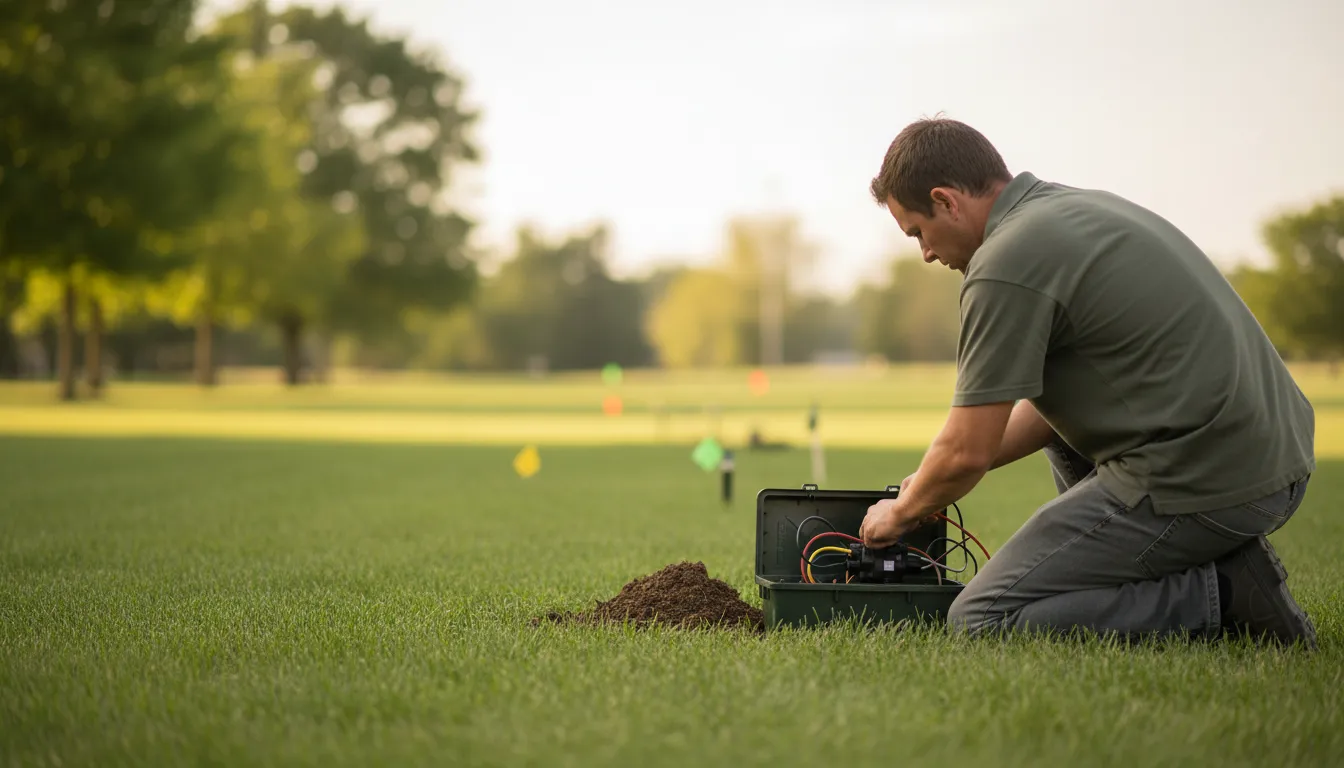
Find the Best Sprinkler & Irrigation Companies for Your Business
No obligation • Fast responses • Nationwide coverage

Why you can trust Landscape Atlas
Landscape Atlas is a leading United States resource for evaluating landscaping, lawn care, and outdoor service providers. Our team researches each category in depth, focusing on service quality, safety, and customer experience. Listings and rankings are based on independent criteria and user feedback, and companies cannot pay to influence our assessments or recommendations.
Search providers near you
Top Sprinkler & Irrigation Companies in Burbank, California Ranked
A well-designed sprinkler and irrigation system is the key to a healthy, vibrant landscape while conserving a precious resource: water. In Burbank, where specific watering schedules are mandated to ensure sustainability, a properly zoned and maintained system is not just a convenience-it's a necessity. This guide will help you understand the components of an irrigation setup, local regulations, and typical costs, empowering you to make informed decisions for your property's watering needs.
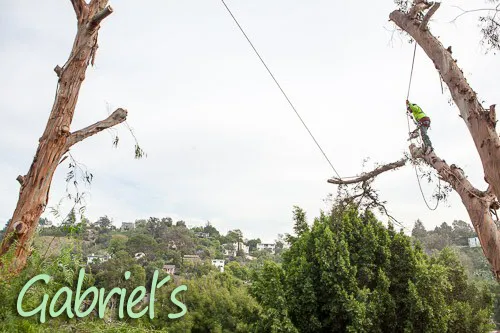
Gabriel´s Tree Service And Landscaping
11528 Felton Ave, Los Angeles, CA 90045
Gabriel's Tree Service And Landscaping is a full-service tree and landscaping company based in Los Angeles, CA. They offer a wide range of services including tree trimming, removal, stump grinding, emergency tree care available 24/7, landscape design, sprinkler installation and repair, land clearing, demolition, and hardscaping. Their certified arborists use professional equipment to safely manage tree emergencies and routine maintenance for residential and commercial properties. With over 20 years of experience, Gabriel's Tree Service And Landscaping also provides demolition services tailored to site preparation and renovation needs.
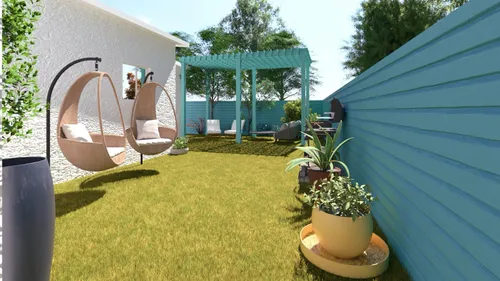
Green Advisor Inc.
7660 Beverly Blvd, Los Angeles, CA 90036
Green Advisor Inc. is a landscaping and remodeling company based in Los Angeles, CA. They provide comprehensive landscape design and construction services, including hardscaping, irrigation system installation, and custom outdoor renovations. Their expertise extends to pool construction, patio and deck building, and eco-friendly home remodeling projects. The company is recognized for its award-winning landscape designs and sustainable outdoor solutions. Green Advisor Inc. also offers 3D design services to help clients visualize their projects. They serve the Greater Los Angeles area, including the San Fernando Valley, and collaborate with trusted suppliers to ensure quality materials and craftsmanship.
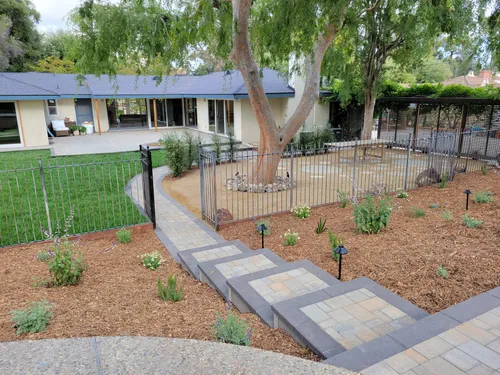
Droughtscape
Angeles Crest Hwy, La Cañada Flintridge, CA 91011
Droughtscape is a landscaping and outdoor construction company based in Los Angeles, CA. With over 45 years of experience, they specialize in drought and fire-resistant landscape design and installation, hardscaping, irrigation, fencing, artificial turf, and more. Their services cover a wide range of outdoor improvements including interlocking pavers, decks, pergolas, retaining walls, and yard drainage. Droughtscape serves multiple neighborhoods in the Los Angeles area, focusing on water-saving and sustainable landscaping solutions that suit various home styles. They emphasize clear communication and quality craftsmanship to provide a smooth project experience.
Socal Landscape & Gardening
1245 McClellan Dr, Los Angeles, CA 90025
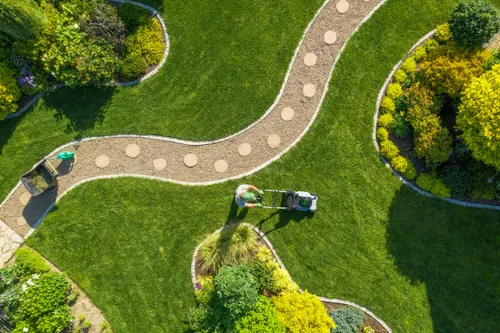
Socal Landscape & Gardening is a landscaping company based in Los Angeles, CA, offering a range of lawn care and gardening services. They provide residential and commercial clients with lawn mowing, landscape design, tree removal, stump grinding, sprinkler installation and repair, and irrigation management. The company serves the Southern California area and specializes in luxury properties, focusing on eco-friendly and comprehensive garden care.
Green Advisor Inc.
15928 Ventura Blvd Suite #216, Encino, CA 91436
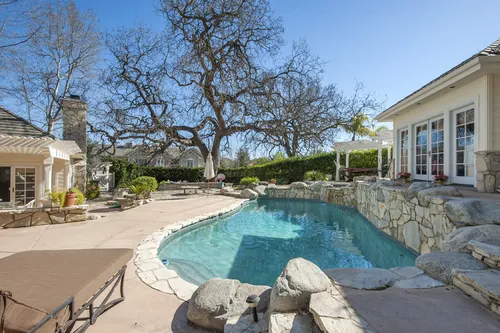
Green Advisor Inc. is a landscaping and remodeling company based in Los Angeles, CA, offering comprehensive landscape design, hardscaping, irrigation, and outdoor construction services. They specialize in custom outdoor spaces including patios, decks, pools, and retaining walls, as well as interior and exterior home remodeling. Their services cover the Greater Los Angeles area, with a focus on sustainable and innovative solutions. The company provides 3D design renderings to help clients visualize projects and collaborates with trusted suppliers to ensure quality materials and craftsmanship. Green Advisor Inc. has completed over 750 renovation projects recently, demonstrating extensive experience in the field.
Understanding Your Irrigation System Components
An efficient watering system is more than just sprinkler heads popping up from the ground. It's a coordinated network of parts working together to deliver the right amount of water to the right place at the right time.
- Controller/Timer: This is the "brain" of the operation. Modern controllers, especially smart Wi-Fi models, allow you to program watering schedules for different zones, adjust for weather, and control the system remotely from a smartphone.
- Valves: These are electrically activated gates controlled by the timer. Each watering zone has its own valve that opens to allow water to flow to the sprinklers or drip lines in that specific area.
- Sprinkler Heads: These are the delivery endpoints. Fixed spray heads are used for smaller, rectangular lawn areas, while rotor heads are better for covering larger grassy spaces with a rotating stream.
- Drip Irrigation: This is a highly efficient method for watering gardens, shrubs, trees, and planters. Drip systems use a network of tubes and emitters to deliver water slowly and directly to the root zone of each plant, minimizing evaporation and runoff.
- Sensors: Rain sensors are crucial add-ons that automatically shut off the system during rainfall, preventing wasteful watering. Soil moisture sensors are another smart upgrade that water only when the ground is dry. 1
The Importance of Hydrozoning and System Design
The most effective irrigation strategy is built around the concept of hydrozoning. This means grouping plants in your landscape based on their water, sun, and soil needs.
A typical Burbank yard might be divided into zones like:
- Full-Sun Lawn Zone: Grass in direct sunlight needs more frequent watering.
- Shady Lawn Zone: Grass in shaded areas requires less water.
- Sun-Loving Shrub Beds: Drought-tolerant native plants or Mediterranean shrubs have low water needs.
- Vegetable Garden or Flower Beds: These areas often have higher water demands and benefit greatly from drip irrigation.
By creating separate zones for these different areas, your controller can be programmed to water each zone for a precise duration and frequency, ensuring no water is wasted on plants that don't need it. A professional design will map out these zones and select the appropriate sprinkler heads or drip emitters for maximum coverage and efficiency.
Burbank's Mandatory Watering Schedule and Rules
Adhering to local water use regulations is critical. Burbank operates under a permanent Stage III water conservation mandate, which sets strict rules for outdoor irrigation.
From April 1 through October 31:
- Watering Days: Outdoor watering with sprinklers is allowed only on Tuesdays and Saturdays.
- Watering Times: Watering must occur before 9:00 AM or after 6:00 PM.
- Duration: Each sprinkler station (zone) is limited to a maximum of 15 minutes of run time per watering day.
From November 1 through March 31:
- Watering Days: Outdoor watering is allowed only on Saturdays.
Important Exceptions: Drip irrigation systems are exempt from the 15-minute time limit but must still follow the designated watering days and time-of-day rules. 2 3 Always check with Burbank Water and Power (BWP) for the most current regulations, as rules can change based on drought conditions.
Find the perfect sprinkler & irrigation companies for your needs
Get personalized recommendations and expert advice
Cost Guide for Irrigation Services in Burbank
Costs for irrigation work in Burbank vary widely based on the scope, from minor repairs to a full system installation with smart technology.
Common Repair Costs:
- Solenoid Replacement: $75+ (part and labor)
- Valve Replacement: $225+
- Broken Pipe Repair: $150+
- Rain Sensor Installation/Repair: $175+
- Controller/Timer Repair: $150+ for labor
New System Installation Costs:
- Drip Irrigation System: $450 - $2,000, depending on the size and complexity of the planting area.
- In-Ground Sprinkler System (Spray Heads): $2,500 - $6,500 for a typical residential lawn.
- In-Ground Sprinkler System (Rotor Heads): $3,000 - $7,500 for larger properties.
- Smart/Wi-Fi Irrigation System: $5,500 - $15,000+ for a high-end, fully automated system with weather monitoring and multiple zones. 4 5 6
These are general estimates. The final price for your project will depend on your property size, soil type, number of zones, and the specific equipment selected.
Maintenance and Water-Saving Tips
A system is only as good as its upkeep. Regular maintenance prevents waste and keeps your landscape healthy.
- Monthly Inspections: Walk your property while the system is running. Look for broken or misaligned sprinkler heads that spray onto pavement, soggy areas indicating leaks, and dry spots signaling poor coverage.
- Seasonal Adjustments: Don't set your timer once and forget it. Significantly reduce watering frequency and duration in the cooler fall and winter months. Many smart controllers do this automatically.
- Combine Methods: Use the right tool for the job. Install sprinklers for turf grass areas and dedicate separate zones with drip irrigation for planting beds, trees, and shrubs. This is the essence of efficient hydrozoning. 7
- Mulch: Apply a layer of mulch around plants in drip-irrigated beds. Mulch reduces evaporation, keeps roots cooler, and suppresses weeds.
- Audit Your System: Consider having a professional perform an irrigation audit. They can measure the output of each zone (in inches per hour) and help you calibrate your controller to match the actual needs of your plants, potentially saving thousands of gallons annually. 8
Investing in a properly designed, well-maintained watering system is an investment in your property's value and our community's water future. By understanding the components, following local rules, and implementing smart practices, you can achieve a beautiful landscape responsibly.
Frequently asked questions
Sources
Footnotes
-
Install a New Sprinkler System - Save Our Water, California - https://saveourwater.com/install-a-new-sprinkler-system/ ↩
-
Watering Schedule - Burbank Water and Power - https://www.burbankwaterandpower.com/water/water-schedule ↩
-
Outdoor Irrigation Schedule Returns to Two Days Per Week as of April 1st - https://www.burbankca.gov/newsroom/-/newsdetail/20124/outdoor-irrigation-schedule-returns-to-two-days-per-week-as-of-april-1st ↩
-
Sprinkler Planning & Installation Guide - https://sod.com/wp-content/uploads/2015/10/sprinkler-pig.pdf ↩
-
A Homeowner's Guide To Sprinkler Systems - https://www.whenappearancematters.com/blog-posts/a-homeowners-guide-to-sprinkler-systems ↩
-
Lawn Sprinkler & Irrigation System Installation Malibu, CA - https://www.malibu-nursery.com/lawn-sprinkler-irrigation-installations/ ↩
-
Landscape Irrigation | Home Water Works - https://home-water-works.org/landscape-irrigation/irrigation ↩
-
lawn & landscape watering schedule | ebmud - https://www.ebmud.com/application/files/4915/6642/6964/Lawn__Landscape_Watering_Schedule.pdf ↩