Find the Best Sprinkler & Irrigation Companies for Your Business
No obligation • Fast responses • Nationwide coverage

Why you can trust Landscape Atlas
Landscape Atlas is a leading United States resource for evaluating landscaping, lawn care, and outdoor service providers. Our team researches each category in depth, focusing on service quality, safety, and customer experience. Listings and rankings are based on independent criteria and user feedback, and companies cannot pay to influence our assessments or recommendations.
Search providers near you
Top Sprinkler & Irrigation Companies in Campbell, California Ranked
A well-designed sprinkler and irrigation system is the cornerstone of a healthy, vibrant landscape while being a responsible steward of water resources. In Campbell, where water efficiency is paramount, a modern irrigation setup does more than just water your lawn-it ensures every drop is used effectively, saving you time and money. This guide will help you understand the components, best practices, and local considerations for installing or upgrading your irrigation system, connecting you with the knowledge to find qualified professionals for your project.
Ideal Landscape & Concrete
921 N Amphlett Blvd, San Mateo, CA 94401
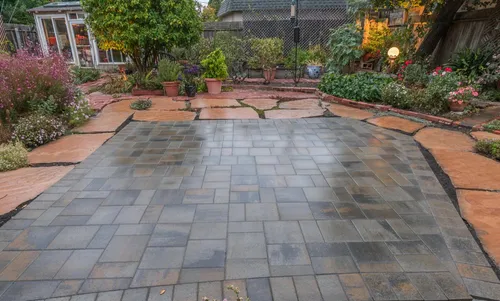
Ideal Landscape & Concrete is a landscape and hardscape construction company based in San Jose, CA. Founded in 1981, they offer a range of services including fence installation, landscape lighting, yard drainage, sprinkler system installation and repair, landscaping, and hardscaping such as pavers and retaining walls. They also specialize in irrigation system installation and maintenance to support water conservation in the drought-prone Bay Area. Their capabilities include concrete and masonry construction, as well as erosion control and low-voltage lighting installation.
Greener Bay Landscaping Inc.
San Jose, CA
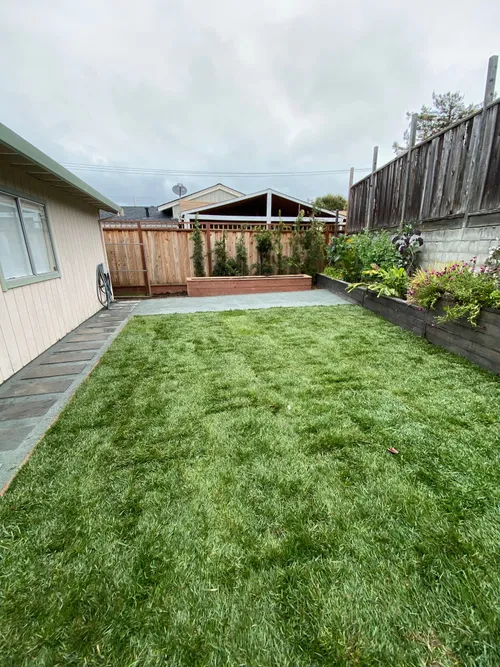
Greener Bay Landscaping Inc. is a family-owned landscaping contractor based in San Jose, CA, serving the Bay Area and Peninsula. They provide a wide range of services including landscape design, sod and synthetic lawn installation, irrigation system setup, fence and deck construction, hardscaping with pavers and retaining walls, yard drainage, and ongoing lawn care and maintenance. With over 15 years of experience, the company emphasizes quality craftsmanship and attention to detail, completing more than 1500 projects across Northern California. Their licensed and insured team works closely with clients to create customized outdoor spaces that combine beauty and function.
Adara Landscapes
1049 El Monte Ave Ste C #904, Mountain View, CA 94040
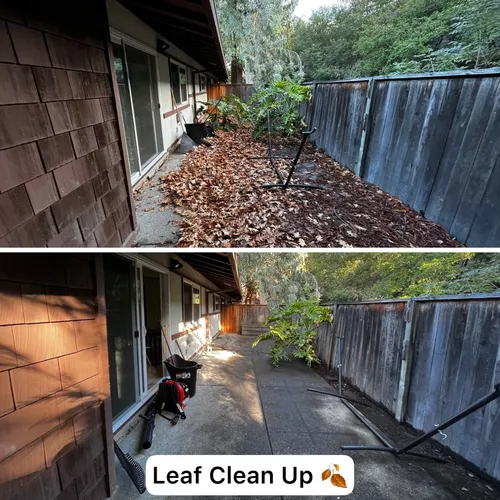
Adara Landscapes is a lawn care and landscaping company serving San Jose, CA, and nearby communities including Sunnyvale, Los Altos, Mountain View, Santa Clara, and Saratoga. They offer a range of services such as lawn mowing, landscape construction and maintenance, aeration, seasonal cleanups, fertilization, weed control, and irrigation system repair. Their team is locally based and experienced, focusing on creating and maintaining beautiful landscapes for their customers.
Lane Irrigation Equipment Co
70 Cristich Ln # B, Campbell, CA 95008
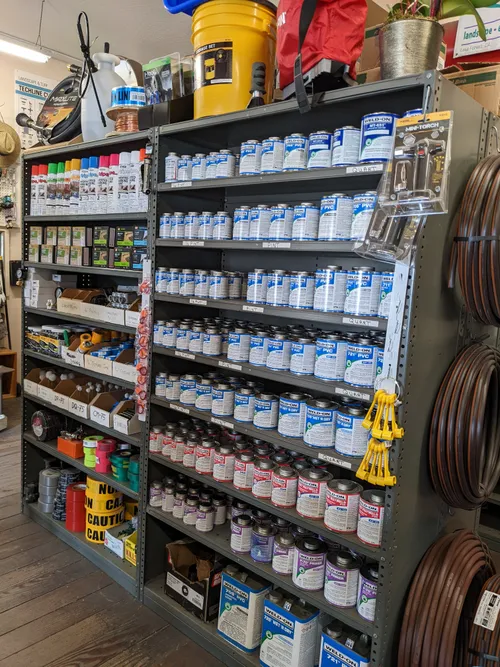
Lane Irrigation Equipment Co is located near San Jose, CA, and specializes in sprinkler installation, sprinkler repair, and irrigation services. They provide parts and advice to help with minor repairs and maintenance of irrigation systems. The company supports homeowners with practical guidance and equipment to manage their irrigation needs effectively.
Jenn's Gardening
Fremont, CA
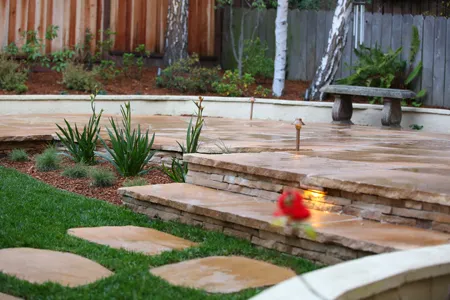
Jenn's Gardening is a full-service landscaping company based in Fremont, CA, serving the Peninsula area. Since 1993, owner Jennifer France and her team have provided a wide range of services including lawn mowing, fertilization, weed control, sod installation, irrigation system installation and repair, tree pruning and removal, hardscaping with pavers and retaining walls, and yard drainage solutions. They specialize in water-wise irrigation systems and use environmentally safe methods for disease and pest control to maintain healthy, attractive gardens. Jenn's Gardening combines decades of experience with personalized care to create functional and beautiful outdoor spaces.
Understanding Modern Irrigation Systems
Today's irrigation systems are sophisticated networks designed to deliver precise amounts of water to specific areas of your landscape. Moving beyond simple timers and spray heads, modern irrigation focuses on zoning, efficiency, and smart control. The core goal is to match water application to the specific needs of different plant types, soil conditions, and sun exposure, which is especially critical in California's climate.
Core Components of a System
Every irrigation system is built from a few key parts that work together:
- Controller: The "brain" of the system. Modern smart or weather-based controllers are the gold standard, automatically adjusting watering schedules based on local weather data, soil moisture, and evaporation rates, which can lead to significant water savings.
- Valves: These electrically controlled gates open and close to allow water to flow to different zones. Each valve controls a specific area (or zone) of your yard with similar watering needs.
- Piping: The network of PVC or polyethylene pipes that carries water from the source to the valves and then to the sprinkler heads or emitters.
- Backflow Preventer: A crucial safety device required by code. It prevents contaminated water from siphoning back into the home's clean drinking water supply.
- Sprinkler Heads & Emitters: These are the delivery points. Rotors are best for large lawn areas, while spray heads are used for smaller, regular-shaped zones. For non-turf areas like flower beds, shrubs, and gardens, drip irrigation lines with emitters are the most efficient choice, delivering water slowly and directly to the root zone.
Designing for Efficiency: The Zone Approach
Effective irrigation design starts with dividing your landscape into hydrozones. This means grouping plants with similar water, sun, and soil needs together on the same valve circuit. A typical residential system might have separate zones for:
- A sunny lawn
- A shaded lawn
- Drip irrigation for foundation shrubs
- Drip irrigation for vegetable gardens or flower beds
This zoning allows the controller to run each area for the ideal duration and frequency, preventing overwatering some areas while underwatering others. Adhering to this principle is a key part of California's Model Water Efficient Landscape Ordinance (MWELO) guidelines, which influence local practices in Campbell.
Irrigation Methods: Choosing the Right Tool
Selecting the correct watering method for each part of your landscape is essential for conservation and plant health.
Spray and Rotor Systems for Turf
For lawns, overhead sprinklers are typically used. Rotor heads rotate a stream of water, covering large radii and are ideal for big, open grassy areas. Spray heads pop up and deliver a fixed fan of water, perfect for smaller, rectangular lawn sections or tight corners. Proper head placement to avoid overspray onto pavement is a mark of a quality installation.
The Superior Efficiency of Drip Irrigation
For non-grass areas, drip irrigation is highly recommended. This system uses a network of flexible tubing with emitters that place water directly at the base of plants. Benefits include:
- Dramatically reduced water waste from evaporation and runoff.
- Healthier plants by keeping foliage dry, reducing disease.
- Targeted watering that discourages weed growth between plants.
- It is considered a best management practice for water-efficient landscaping.
Find the perfect sprinkler & irrigation companies for your needs
Get personalized recommendations and expert advice
Smart Controllers and Weather-Based Technology
Upgrading to a smart irrigation controller is one of the most impactful steps for efficiency. These devices connect to local weather stations or soil moisture sensors via Wi-Fi, automatically skipping watering cycles after rainfall, adjusting for temperature, and tailoring schedules to seasonal changes. This "set-it-and-forget-it" technology ensures your landscape gets what it needs without waste 1.
Best Practices for Watering in Campbell
How you water is just as important as the system you use. Following these guidelines promotes deep root growth and resilience.
- Water Deeply, Less Frequently: The goal is to encourage roots to grow deeper into the soil in search of moisture. This creates a more drought-tolerant plant. A general rule is to water 1-3 times per week during the peak summer heat, reducing frequency significantly in the cooler spring and fall seasons2.
- Perfect Timing: Always water in the early morning, ideally between 4 AM and 9 AM. This minimizes water loss to evaporation from the sun and reduces the impact of wind. It also allows grass blades to dry during the day, helping prevent fungal diseases.
- Use the "Cycle and Soak" Method: If you have clay or compacted soil that absorbs water slowly, apply water in multiple short cycles. For example, run a zone for 5 minutes, let it soak in for an hour, then run it again for 5 minutes. This technique prevents wasteful runoff and ensures water penetrates the root zone3 4.
- Regular Maintenance: Inspect your system monthly during the watering season. Look for broken or misaligned heads, leaks, and clogged drip emitters. Adjust spray patterns to avoid watering driveways and sidewalks.
Installation and Service Considerations
Whether you're installing a new system or repairing an existing one, understanding the scope and cost is helpful.
New System Installation: The cost for a new lawn sprinkler system or integrated landscape irrigation system varies widely based on property size, number of zones, and complexity. For a small yard, a basic system might start in the range of $1,000 to $3,000. For larger properties with multiple zones, smart technology, and dedicated drip irrigation lines, costs can range from $3,000 to $10,000 or more5 6. Key value-adding features include smart controllers and drip system components.
Common Repairs and Upgrades:
- Sprinkler Head Adjustment/Replacement: $75 - $200
- Valve Repair or Replacement: $150 - $350
- Controller Upgrade to a Smart Model: $200 - $600 (including unit and professional installation)
- Fixing a leak or adding a zone: $150 - $400+
When seeking services, it's wise to get multiple detailed quotes. Ask providers about their experience with local MWELO guidelines, their recommendations for water-efficient upgrades, and ensure they always install a required backflow prevention device 7.
Frequently asked questions
Sources
Footnotes
-
Types of Irrigation Systems | UC Marin Master Gardeners - https://ucanr.edu/site/uc-marin-master-gardeners/types-irrigation-systems ↩
-
Water Efficiency Tips | Rancho California Water District, CA - https://www.ranchowater.com/197/Water-Efficiency-Tips ↩
-
- Water less frequently but more deeply. Think of your soil as a ... - https://www.contracosta.ca.gov/DocumentCenter/View/2221/Saving-Water-in-the-Yard?bidId=
-
Watering Your Lawn - Sacramento Suburban Water District - https://www.sswd.org/departments/conservation/watering-your-lawn ↩
-
Water Efficient Landscape Guidelines | Campbell, CA - https://www.campbellca.gov/DocumentCenter/View/176/Water-Efficient-Landscape-Guidelines-MWELO ↩
-
Sprinkler Irrigation | UC Master Gardeners of San Joaquin ... - https://ucanr.edu/site/uc-master-gardeners-san-joaquin-county/sprinkler-irrigation ↩
-
Best Management Practice #5: Water-Efficient Irrigation - https://www.energy.gov/femp/best-management-practice-5-water-efficient-irrigation ↩