Find the Best Sprinkler & Irrigation Companies for Your Business
No obligation • Fast responses • Nationwide coverage

Why you can trust Landscape Atlas
Landscape Atlas is a leading United States resource for evaluating landscaping, lawn care, and outdoor service providers. Our team researches each category in depth, focusing on service quality, safety, and customer experience. Listings and rankings are based on independent criteria and user feedback, and companies cannot pay to influence our assessments or recommendations.
Search providers near you
Top Sprinkler & Irrigation Companies in Hemet, California Ranked
A well-designed sprinkler and irrigation system is a cornerstone of a healthy, water-efficient landscape in Hemet. These systems deliver precise amounts of water to your lawn, garden, and shrubs, conserving a vital resource while keeping your property vibrant. This guide explains how irrigation works, what to consider for your Hemet home, and how to connect with local professionals who can help with design, installation, and maintenance.
Precision Irrigation
Riverside, CA
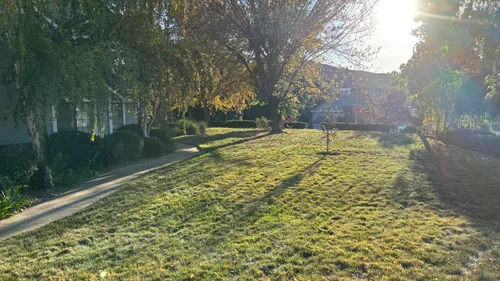
Precision Irrigation is a sprinkler maintenance company based in Riverside, CA. They specialize in sprinkler installation, repair, and irrigation services, addressing issues such as broken wires, timers, and water leaks. The company offers a one-year warranty on parts and labor for major repairs including valves and pipe work, ensuring reliable solutions for irrigation system problems. Precision Irrigation aims to help customers maintain healthy landscaping by providing precise watering services.
Houston's Landscaping
29177 Stevens Ave, Moreno Valley, CA 92555
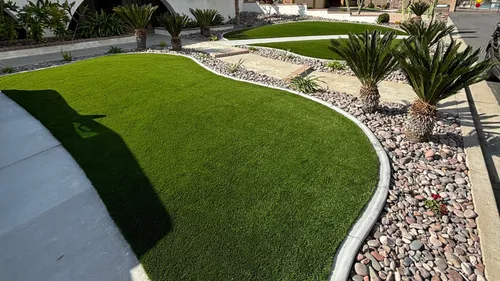
Houston's Landscaping is a family-owned landscaping company serving Riverside, CA, and the Inland Empire. They offer a wide range of services including landscape curbing, artificial turf installation, lawn care, irrigation systems, sod installation, tree and shrub care, and hardscaping. Their team focuses on creating low-maintenance, attractive outdoor spaces tailored to client needs. One notable capability is their landscape curbing, which enhances property aesthetics and reduces maintenance. Houston's Landscaping also emphasizes the benefits of artificial turf for water savings and year-round greenery in the Southern California climate.
BluCrew Landscape
37960 Sawleaf Pl, Murrieta, CA 92562
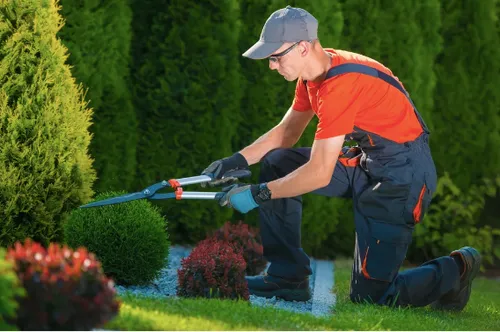
BluCrew Landscape is a family-owned and operated lawn care and landscaping company based near Irvine, CA. They provide a range of services including lawn mowing, tree removal, stump grinding, sprinkler installation and repair, and general landscaping. Serving Murrieta, Temecula, and nearby communities, BluCrew Landscape has been active since 2014. Their capabilities include comprehensive lawn maintenance and irrigation services, with a focus on consistent scheduling and customer satisfaction.

Bonnett Irrigation
3230 Madison St, Riverside, CA 92504
Bonnett Irrigation is a sprinkler installation and repair company located in Riverside, CA. They provide irrigation services to help maintain efficient and effective watering systems. The company focuses on sprinkler system installation and repair to support local landscaping needs.
Paz Landscape & Concrete
6725 Capistrano Way, Riverside, CA 92504
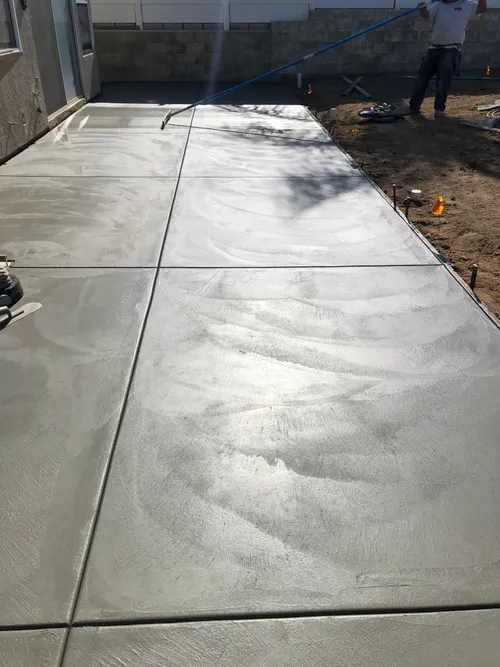
Paz Landscape & Concrete is a landscaping and concrete contractor serving Los Angeles, CA, and surrounding areas. With over twenty years of experience, the company offers a wide range of services including landscape and hardscape design and installation, exterior low voltage lighting, concrete and masonry work, fence and retaining wall construction, and patio design. Their team works closely with clients to create personalized outdoor environments that suit both residential and commercial properties. Paz Landscape & Concrete is known for its skilled crew and organized approach to projects.
How Irrigation Systems Conserve Water in Hemet
In Hemet's climate, efficient water use isn't just a suggestion-it's essential. A modern irrigation system is far more than a network of pipes and sprinklers; it's a targeted delivery method that applies water only where and when it's needed. This precision minimizes runoff and evaporation, which is critical under local water-use guidelines. By grouping plants with similar water needs into separate zones (a practice called hydrozoning), your system can water a sun-drenched lawn differently than a shaded bed of native shrubs, preventing overwatering and underwatering. This intelligent approach aligns perfectly with Hemet's focus on water-efficient landscaping.
Core Components of a Residential System
Every automatic irrigation system is built from a few key parts working in harmony:
- Controller: Often called the timer or "brain" of the system, this is the unit you program. It sends low-voltage electrical signals to open and close valves according to your set schedule.
- Valves: These are the electrically controlled gates for your water. Each valve controls the water flow to a specific zone. When the controller signals a valve to open, water is released to that area's sprinklers or drip lines 1.
- Zones: A zone is a section of your landscape-like the front lawn or side garden-that is watered independently. Zones are created based on plant type, sun exposure, and soil type to ensure uniform watering.
- Emitters: This is the endpoint where water is delivered. For lawns, this typically means pop-up spray heads or rotating rotor heads. For gardens, trees, and foundation beds, drip irrigation tubing with emitters that deliver water slowly to the root zone is the most efficient choice.
Designing an Efficient System for Your Property
A successful irrigation design starts with a plan. Professionals will map your property, noting sun and shade patterns, soil types, and plant material. The goal is to create distinct hydrozones. For example, turfgrass in full sun will be on its own zone, while drought-tolerant shrubs on a slope might be grouped on another, likely served by drip irrigation to prevent erosion and waste 2.
The layout will specify the type and placement of sprinkler heads to ensure proper coverage without overspray onto driveways or sidewalks. A critical and legally required component in any Hemet installation is a backflow prevention device. This valve protects the public drinking water supply by ensuring contaminated water from your irrigation lines cannot flow back into the main supply 3.
Find the perfect sprinkler & irrigation companies for your needs
Get personalized recommendations and expert advice
Programming and Watering Best Practices
Even the best system wastes water if it's not programmed correctly. The key is to water deeply but infrequently to encourage strong root growth. In Hemet, it's recommended to water before 10 a.m. to significantly reduce water loss from wind and evaporation.
Your watering schedule should be dynamic, changing with the seasons. A useful concept is Evapotranspiration (ET), which is the rate at which water evaporates from soil and transpires from plants. Basing your schedule on local ET rates, which are higher in hot summer months and lower in spring and fall, is a scientifically sound way to meet your landscape's actual needs 4 5. Remember, each zone on your controller should have its own run time and frequency based on what's planted there.
Understanding Installation and Repair Costs
Investing in an irrigation system involves upfront costs that vary based on property size, system complexity, and the type of components used. For a standard in-ground sprinkler system in Hemet, installation can range from $1,500 to $7,000 or more for a basic setup. Systems incorporating advanced "smart" Wi-Fi controllers, extensive drip irrigation zones, or complex valve manifolds can range from $5,500 to $15,000+.
Maintenance and repairs are a normal part of system ownership. Common issues and their typical repair cost ranges include:
- Minor Parts: Replacing a controller battery ($10), a fuse ($10), or a single sprinkler nozzle ($15).
- Moderate Repairs: Replacing a solenoid (the electric part of a valve, ~$75), a valve diaphragm ($125), or a whole controller/timer unit ($150-$250).
- Major Repairs: Fixing a broken lateral pipe ($150+), replacing a control valve assembly ($225-$345), or troubleshooting and repairing damaged field wiring ($375+) 6.
Regular seasonal check-ups-like activating the system in spring and winterizing it in fall-can help identify small problems before they lead to major water waste or costly damage.
Choosing the Right Professional for Your Project
Selecting a qualified irrigation specialist is crucial. Look for a contractor who is licensed, insured, and familiar with the City of Hemet's Water-Efficient Landscaping Design Guidelines 7. They should conduct a thorough site evaluation, provide a detailed plan and quote, and explain the proposed zoning and equipment choices. Ask about their experience with both spray and drip irrigation, and whether they offer ongoing maintenance services. A reputable professional will prioritize system efficiency and longevity, ensuring your investment pays off in a beautiful landscape and responsible water use for years to come.
Frequently asked questions
Sources
Footnotes
-
Sprinkler Planning & Installation Guide - https://sod.com/wp-content/uploads/2015/10/sprinkler-pig.pdf ↩
-
Landscape Irrigation | Home Water Works - https://home-water-works.org/landscape-irrigation/irrigation ↩
-
RESIDENTIAL SPRINKLER SYSTEM - Hunter Industries - https://www.hunterirrigation.com/sites/default/files/design_guide_Residential_System_LIT-226-US.pdf ↩
-
The Ultimate Guide to Your Sprinkler System and Summer Watering - https://customlawn.com/ultimate-sprinkler-system-guide-summer-watering/ ↩
-
Install a New Sprinkler System - Save Our Water, California - https://saveourwater.com/install-a-new-sprinkler-system/ ↩
-
Sprinkler System Installation Guide - Turf Unlimited - https://www.turfunlimited.com/2022/11/23/sprinkler-system-installation-guide/ ↩
-
GUIDELINES - City of Hemet - https://www.hemetca.gov/DocumentCenter/View/1692/Water-Efficient-Landscaping-Design-Guidelines?bidId= ↩