Find the Best Sprinkler & Irrigation Companies for Your Business
No obligation • Fast responses • Nationwide coverage

Why you can trust Landscape Atlas
Landscape Atlas is a leading United States resource for evaluating landscaping, lawn care, and outdoor service providers. Our team researches each category in depth, focusing on service quality, safety, and customer experience. Listings and rankings are based on independent criteria and user feedback, and companies cannot pay to influence our assessments or recommendations.
Search providers near you
Top Sprinkler & Irrigation Companies in Highland, California Ranked
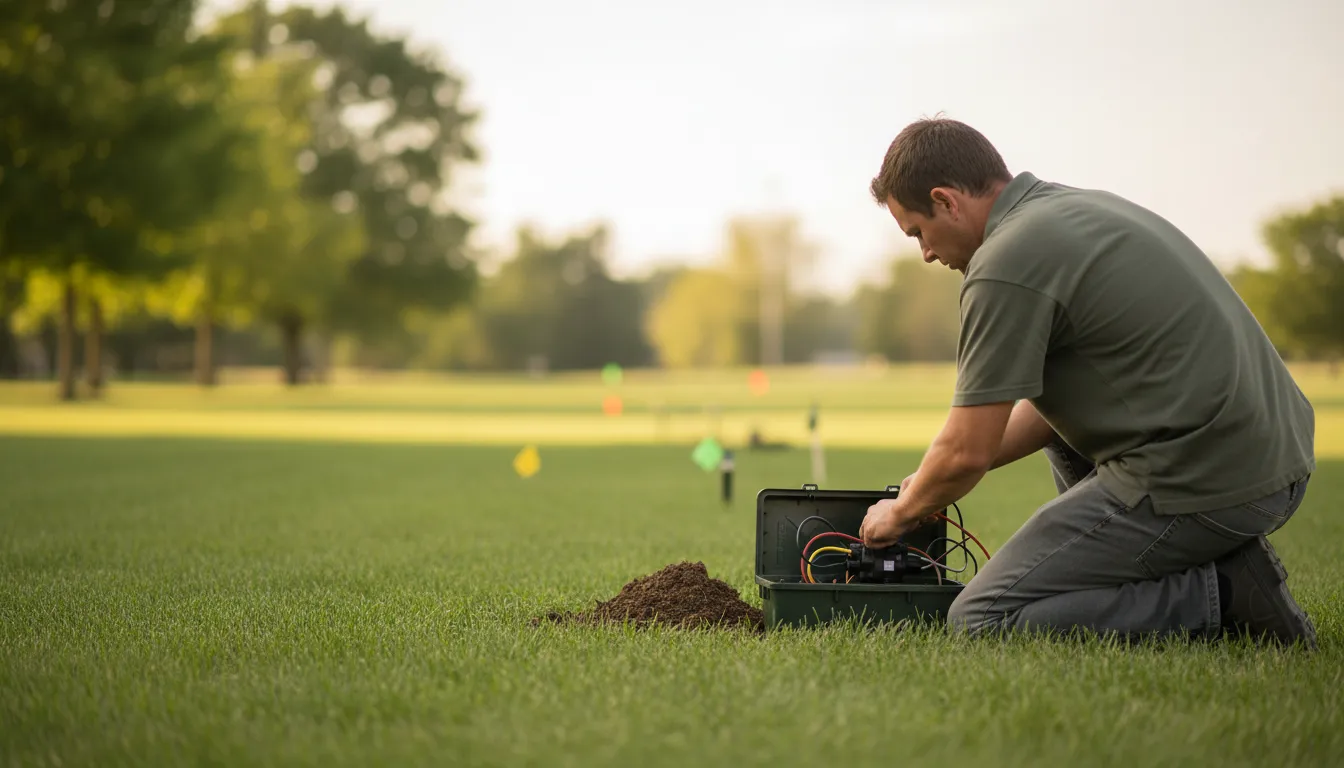
A well-designed sprinkler and irrigation system is the cornerstone of a healthy, vibrant, and water-efficient landscape in Highland. These automated watering systems deliver precise amounts of water exactly where your plants need it, conserving a vital resource while saving you time and effort. This guide will help you understand the components, best practices, and local considerations for installing or maintaining an irrigation system for your property.
Precision Irrigation
Riverside, CA
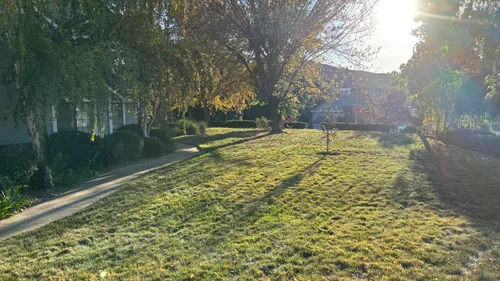
Precision Irrigation is a sprinkler maintenance company based in Riverside, CA. They specialize in sprinkler installation, repair, and irrigation services, addressing issues such as broken wires, timers, and water leaks. The company offers a one-year warranty on parts and labor for major repairs including valves and pipe work, ensuring reliable solutions for irrigation system problems. Precision Irrigation aims to help customers maintain healthy landscaping by providing precise watering services.
Houston's Landscaping
29177 Stevens Ave, Moreno Valley, CA 92555
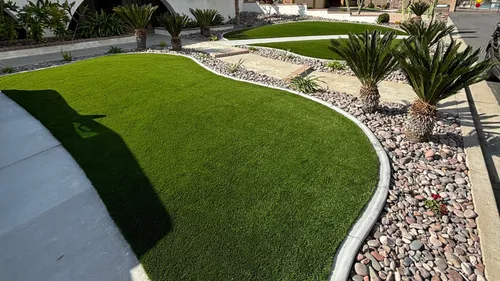
Houston's Landscaping is a family-owned landscaping company serving Riverside, CA, and the Inland Empire. They offer a wide range of services including landscape curbing, artificial turf installation, lawn care, irrigation systems, sod installation, tree and shrub care, and hardscaping. Their team focuses on creating low-maintenance, attractive outdoor spaces tailored to client needs. One notable capability is their landscape curbing, which enhances property aesthetics and reduces maintenance. Houston's Landscaping also emphasizes the benefits of artificial turf for water savings and year-round greenery in the Southern California climate.

Bonnett Irrigation
3230 Madison St, Riverside, CA 92504
Bonnett Irrigation is a sprinkler installation and repair company located in Riverside, CA. They provide irrigation services to help maintain efficient and effective watering systems. The company focuses on sprinkler system installation and repair to support local landscaping needs.
Paz Landscape & Concrete
6725 Capistrano Way, Riverside, CA 92504
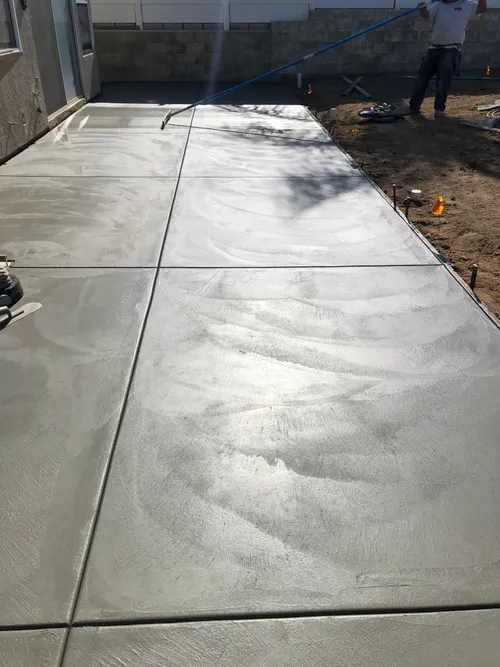
Paz Landscape & Concrete is a landscaping and concrete contractor serving Los Angeles, CA, and surrounding areas. With over twenty years of experience, the company offers a wide range of services including landscape and hardscape design and installation, exterior low voltage lighting, concrete and masonry work, fence and retaining wall construction, and patio design. Their team works closely with clients to create personalized outdoor environments that suit both residential and commercial properties. Paz Landscape & Concrete is known for its skilled crew and organized approach to projects.
Modern Landscape
700 E Redlands Blvd, Redlands, CA 92373
Modern Landscape is a family-owned landscape design and tree service company based in Riverside, CA. Serving Southern California since 1989, they offer a broad range of landscaping services including tree removal, stump grinding, sprinkler installation and repair, and irrigation solutions. Their licensed and insured contractors provide expert supervision throughout each project, ensuring quality results tailored to various budgets and styles. The company is led by Harry, who has graduate-level horticulture training, and they stand behind their work with a one-year warranty on plants, shrubs, trees, and sprinkler systems.
Understanding Your Irrigation System Components
A modern sprinkler system is more than just a few heads popping up from the ground. It's a coordinated network of parts working together. At the heart is the controller (or timer), which you program to activate the system on a set schedule. When a zone is scheduled to run, the controller sends a signal to open a solenoid valve. This valve releases water from your main supply line into a network of underground PVC or polyethylene pipes.
The water travels through these pipes to the sprinkler heads or drip emitters. For large, open areas like lawns, rotor heads are common, as they spray water in a rotating stream over a wider radius. For smaller beds or tight corners, fixed spray heads are typically used. A critical safety component is the backflow preventer, which is legally required to stop contaminated irrigation water from flowing backward into your home's clean drinking water supply 1.
The Principle of Hydrozoning for Efficiency
One of the most important concepts in efficient irrigation is hydrozoning. This simply means grouping plants together in your landscape based on their water, sun, and soil needs. A well-designed system will have separate watering zones for your lawn, thirsty shrubs, drought-tolerant native plants, and trees 2.
Why does this matter? By creating distinct hydrozones, you can program your controller to deliver the perfect amount of water to each plant type. Your lawn might need frequent, short cycles in the summer, while your established oak tree only needs a deep, infrequent soak. This targeted approach prevents overwatering some areas while underwatering others, leading to a healthier landscape and significant water savings.
Smart Watering Schedules for Highland's Climate
Highland's Mediterranean climate, with hot, dry summers and mild, wetter winters, demands a seasonal approach to irrigation. Following general guidelines from local water authorities can optimize plant health and conservation.
- Peak Summer (May - August): This is when your landscape is most thirsty. Lawns typically need watering 3 to 4 days per week. Shrubs, flowers, and trees often require 2 to 4 days per week. The key is deep and infrequent watering, which encourages roots to grow deeper into the soil, making plants more drought-resistant.
- Cooler Months (November - February): Plant water needs drop dramatically. Lawns may only need 1 to 2 days of watering per week, while shrubs and trees might only need a deep soak once a week or even less.
- Essential Adjustments: Your schedule isn't set in stone. Areas in full sun need more water than shaded spots, which can require up to 50% less 3. Clay soils absorb water slowly, so it's better to run shorter cycles with a "soak cycle" pause in between to prevent runoff. Installing a rain sensor or smart controller that connects to local weather data can automatically skip watering after a rainfall, providing effortless savings.
Find the perfect sprinkler & irrigation companies for your needs
Get personalized recommendations and expert advice
Installation and Repair Considerations
Investing in a new irrigation system or fixing an existing one involves understanding the scope and potential costs.
Installation costs can vary widely based on your property size, landscape complexity, soil type, and the system's sophistication. A basic rule of thumb is to expect a range of $1.50 to $3.00 or more per square foot of irrigated area 4. For a typical residential yard, total project averages often fall between $2,000 and $4,000+ 4 5. This includes trenching, pipe, heads, valves, the controller, and professional labor. A reputable installer will design a system based on your specific hydrozones and local water pressure.
Repairs are a normal part of system ownership. Issues can range from a simple clogged sprinkler head or a broken spray head from a lawnmower to more complex problems like a leaking valve or a cut pipe line. Minor fixes might cost a few hundred dollars, while diagnosing and repairing electrical issues with the controller or valves can be more involved. Many irrigation professionals charge an hourly rate (often between $50-$100+/hr) plus the cost of parts 6.
Water Conservation and Local Highland Resources
Water efficiency is a shared priority in Southern California. The City of Highland encourages the use of water-conserving landscapes, which include native and drought-tolerant plants that are naturally adapted to the local climate. Integrating these plants into your hydrozoning plan is one of the most effective long-term strategies for reducing outdoor water use.
It is highly recommended to check directly with the Eastern Municipal Water District (EMWD), which serves Highland, for the most current local watering guidelines, mandatory watering days (if any), and most importantly, for potential rebate programs 7. EMWD often offers financial incentives for upgrading to water-efficient irrigation equipment like smart controllers, rotating nozzles, or for converting turf areas to low-water-use landscapes. Always ensure your system installation and any major modifications comply with EMWD regulations.
Maintaining Your System for Longevity
A little maintenance goes a long way in preventing costly repairs and water waste. Each season, walk through your landscape while the system is running to check for obvious problems: sunken or tilted heads, heads that are blocked by growing plants, misting instead of spraying (indicating high pressure), or dry spots. In the fall, if freezing temperatures are expected, a blow-out winterization service is crucial to prevent frozen, burst pipes. In the spring, have a professional perform a start-up service to activate the system, check for leaks, and adjust the controller schedule for the coming season.
Frequently asked questions
Sources
Footnotes
-
Ultimate Guide to Sprinkler and Irrigation Systems - https://heartlandsprinklers.com/green-tips/ultimate-guide-to-sprinkler-and-irrigation-systems/ ↩
-
Landscape Irrigation | Home Water Works - https://home-water-works.org/landscape-irrigation/irrigation ↩
-
lawn & landscape watering schedule | ebmud - https://www.ebmud.com/application/files/4915/6642/6964/Lawn__Landscape_Watering_Schedule.pdf ↩
-
How Much Does Sprinkler System Installation Cost? [2026 Data] | Angi - https://www.angi.com/articles/how-much-does-it-cost-install-sprinkler-system.htm ↩ ↩2
-
Sprinkler Systems Cost: Top 5 Benefits & Savings in 2024 - https://pjpappas.com/sprinkler-systems-cost/ ↩
-
How Much Does Sprinkler Repair Cost in 2026? - LawnStarter - https://www.lawnstarter.com/blog/cost/sprinkler-repair-price/ ↩
-
14.0 LANDSCAPING AND IRRIGATION | Highland, CA - https://www.highlandca.gov/DocumentCenter/View/244/140---Landscaping-and-Irrigation-PDF ↩