Find the Best Sprinkler & Irrigation Companies for Your Business
No obligation • Fast responses • Nationwide coverage

Why you can trust Landscape Atlas
Landscape Atlas is a leading United States resource for evaluating landscaping, lawn care, and outdoor service providers. Our team researches each category in depth, focusing on service quality, safety, and customer experience. Listings and rankings are based on independent criteria and user feedback, and companies cannot pay to influence our assessments or recommendations.
Search providers near you
Top Sprinkler & Irrigation Companies in Inglewood, California Ranked
A well-designed sprinkler and irrigation system is the key to a healthy, vibrant landscape while conserving our most precious resource: water. In Inglewood's climate, efficient water management isn't just a good idea-it's a necessity. This guide helps you understand the components, best practices, and local considerations for installing or maintaining an irrigation system, empowering you to make informed decisions for your property.
Gabriel´s Tree Service And Landscaping
11528 Felton Ave, Los Angeles, CA 90045
Gabriel's Tree Service And Landscaping is a full-service tree and landscaping company based in Los Angeles, CA. They offer a wide range of services including tree trimming, removal, stump grinding, emergency tree care available 24/7, landscape design, sprinkler installation and repair, land clearing, demolition, and hardscaping. Their certified arborists use professional equipment to safely manage tree emergencies and routine maintenance for residential and commercial properties. With over 20 years of experience, Gabriel's Tree Service And Landscaping also provides demolition services tailored to site preparation and renovation needs.
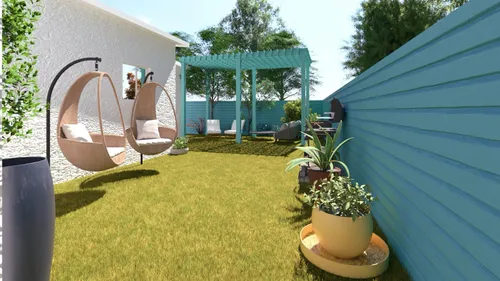
Green Advisor Inc.
7660 Beverly Blvd, Los Angeles, CA 90036
Green Advisor Inc. is a landscaping and remodeling company based in Los Angeles, CA. They provide comprehensive landscape design and construction services, including hardscaping, irrigation system installation, and custom outdoor renovations. Their expertise extends to pool construction, patio and deck building, and eco-friendly home remodeling projects. The company is recognized for its award-winning landscape designs and sustainable outdoor solutions. Green Advisor Inc. also offers 3D design services to help clients visualize their projects. They serve the Greater Los Angeles area, including the San Fernando Valley, and collaborate with trusted suppliers to ensure quality materials and craftsmanship.
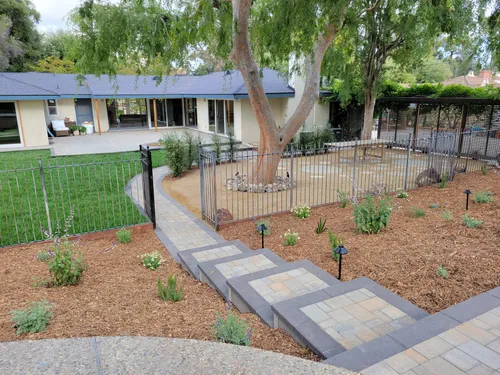
Droughtscape
Angeles Crest Hwy, La Cañada Flintridge, CA 91011
Droughtscape is a landscaping and outdoor construction company based in Los Angeles, CA. With over 45 years of experience, they specialize in drought and fire-resistant landscape design and installation, hardscaping, irrigation, fencing, artificial turf, and more. Their services cover a wide range of outdoor improvements including interlocking pavers, decks, pergolas, retaining walls, and yard drainage. Droughtscape serves multiple neighborhoods in the Los Angeles area, focusing on water-saving and sustainable landscaping solutions that suit various home styles. They emphasize clear communication and quality craftsmanship to provide a smooth project experience.
Socal Landscape & Gardening
1245 McClellan Dr, Los Angeles, CA 90025
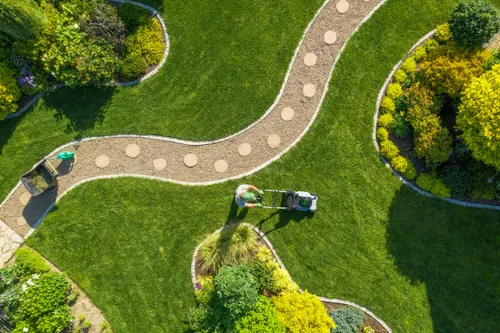
Socal Landscape & Gardening is a landscaping company based in Los Angeles, CA, offering a range of lawn care and gardening services. They provide residential and commercial clients with lawn mowing, landscape design, tree removal, stump grinding, sprinkler installation and repair, and irrigation management. The company serves the Southern California area and specializes in luxury properties, focusing on eco-friendly and comprehensive garden care.
Green Advisor Inc.
15928 Ventura Blvd Suite #216, Encino, CA 91436
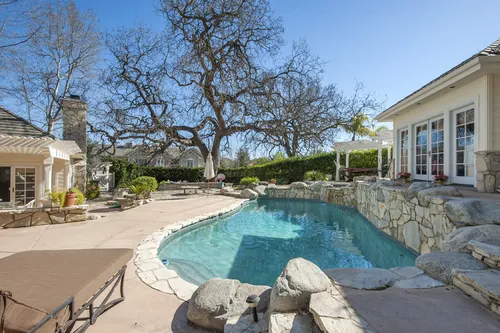
Green Advisor Inc. is a landscaping and remodeling company based in Los Angeles, CA, offering comprehensive landscape design, hardscaping, irrigation, and outdoor construction services. They specialize in custom outdoor spaces including patios, decks, pools, and retaining walls, as well as interior and exterior home remodeling. Their services cover the Greater Los Angeles area, with a focus on sustainable and innovative solutions. The company provides 3D design renderings to help clients visualize projects and collaborates with trusted suppliers to ensure quality materials and craftsmanship. Green Advisor Inc. has completed over 750 renovation projects recently, demonstrating extensive experience in the field.
Understanding Your Irrigation System Options
Modern irrigation isn't one-size-fits-all. It involves selecting the right components to deliver water precisely where and when your landscape needs it. The two primary types of systems are sprinkler and drip irrigation, often used in combination for optimal results.
Sprinkler Systems are ideal for covering large, uniform areas like lawns. A central controller (often called a timer) sends signals to valves, which open to allow water to flow through underground pipes to sprinkler heads. These heads pop up and distribute water in a set pattern. Common head types include spray heads for smaller areas and rotor heads for larger lawns, which rotate to cover more ground.
Drip Irrigation systems deliver water slowly and directly to the root zones of plants through a network of tubing and emitters. This method is exceptionally efficient, minimizing evaporation and runoff. It's perfect for flower beds, vegetable gardens, trees, shrubs, and slopes 1. Many Inglewood properties benefit from a hybrid approach, using sprinklers for turf areas and drip lines for planting beds.
Smart Technology for Water Conservation
Upgrading your irrigation controller is one of the most impactful steps you can take. Smart Irrigation Controllers are Wi-Fi-enabled devices that automatically adjust watering schedules based on local weather data, soil conditions, and plant types. They can skip a cycle after a rainstorm or increase watering during a heat wave, ensuring your landscape gets exactly what it needs without waste 2. Adding sensors, like rain or soil moisture sensors, provides another layer of intelligence, preventing overwatering.
Professional System Design and Zoning
A successful irrigation installation starts with a thoughtful design. Professionals will create a zone-based layout, which is critical for efficiency. Different areas of your landscape have different water requirements. Your lawn, drought-tolerant shrubs, and native trees should each be on separate zones controlled by individual valves. This allows you to tailor the schedule and duration for each plant type 3.
Proper head placement is also crucial. Sprinkler heads are positioned to avoid overspray onto sidewalks, driveways, and structures, which is not only wasteful but can violate local water codes. For shrubs and trees, drip lines or micro-sprayers are typically zoned separately to provide deep, targeted watering.
Best Practices for Watering in Inglewood
How you water is as important as the system you use. Following these guidelines will promote deep root growth and conserve water.
- Water Deeply and Infrequently: Instead of daily light watering, run your system less often but for longer periods. This encourages roots to grow deeper into the soil, making plants more drought-resistant.
- Optimal Watering Time: Always water in the early morning, ideally before 10 a.m. This minimizes water loss due to evaporation and reduces the impact of wind, which can distort spray patterns. It also allows foliage to dry during the day, helping prevent fungal diseases 4.
- Make Seasonal Adjustments: Your landscape's water needs change throughout the year. Significantly reduce watering frequency and duration in the fall and winter. Smart controllers handle this automatically, but if you have a standard timer, remember to adjust it manually 5.
Find the perfect sprinkler & irrigation companies for your needs
Get personalized recommendations and expert advice
Navigating Local Regulations and Efficiency Standards
Inglewood, like all of California, operates under strict water conservation laws designed to promote sustainable landscaping. State law (like AB 1881) and local ordinances mandate efficient irrigation systems. These regulations influence system design, requiring proper head spacing to avoid runoff, the use of approved nozzles, and often the inclusion of smart technology or rain sensors 6 7. Working with a professional familiar with Inglewood's specific codes ensures your system is compliant and optimized for the local environment from the start.
Installation and Repair Considerations
Investing in a new irrigation system or maintaining an existing one involves understanding scope and potential costs.
Installation of a full residential sprinkler and drip system in Inglewood typically ranges from $2,000 to $5,000, though this can vary widely based on property size, landscape complexity, and the components selected. This investment covers professional design, trenching, pipe laying, head and valve installation, and controller setup.
Repairs are a normal part of system ownership. Costs depend entirely on the issue:
- Controller/Timer: Reprogramming may cost around $50, while replacing a standard 6-zone timer can be approximately $195.
- Valves: Repairing a solenoid (the electrical component) might be $75, but a full below-ground valve replacement can run up to $345.
- Pipes & Heads: Fixing a leak in a drip line could be $30, while repairing a mainline pipe may cost around $225. Replacing a standard spray nozzle is often about $10, with rotor head installation around $25.
- Sensors: Adding a wired rain sensor for automatic shutoff is approximately $275, with wireless models around $325 8.
Regular maintenance, such as checking for leaks, cleaning clogged heads, and adjusting spray patterns seasonally, can prevent small issues from becoming expensive repairs.
Maintaining System Efficiency Year-Round
A proactive approach keeps your system running smoothly. Perform a visual inspection each time the system runs, looking for broken or misaligned heads, dry spots, or soggy areas that indicate problems. Before the summer peak season, consider a professional system audit, where a technician checks pressure, measures distribution uniformity, and ensures all zones are operating correctly. In the winter, protect your system from freezing temperatures by winterizing it, which involves blowing compressed air through the lines to remove any remaining water.
Frequently asked questions
Sources
Footnotes
-
Irrigation System Explained | Installation and Maintenance Guide - https://bluejayirrigation.com/irrigation-installation-explained/ ↩
-
Ultimate Guide to Sprinkler and Irrigation Systems - https://heartlandsprinklers.com/green-tips/ultimate-guide-to-sprinkler-and-irrigation-systems/ ↩
-
Sprinkler Planning & Installation Guide - https://sod.com/wp-content/uploads/2015/10/sprinkler-pig.pdf ↩
-
Watering Your Lawn - Sacramento Suburban Water District - https://www.sswd.org/departments/conservation/watering-your-lawn ↩
-
Install a New Sprinkler System - Save Our Water, California - https://saveourwater.com/install-a-new-sprinkler-system/ ↩
-
landscape plan check corrections list - LA County Public Works - https://dpw.lacounty.gov/ldd/lib/fp/Landscape/LDD%20Landscape%20Plan%20Check%20Corrections%20List%202020.pdf ↩
-
California - Inglewood, CA - https://www.cityofinglewood.org/DocumentCenter/View/10261/o-1pdf?bidId= ↩
-
Irrigation System Installation & Repair in Inglewood, CA - https://inglewoodcalandscaping.com/irrigation-system-installation-repair-in-inglewood-ca/ ↩