Find the Best Sprinkler & Irrigation Companies for Your Business
No obligation • Fast responses • Nationwide coverage

Why you can trust Landscape Atlas
Landscape Atlas is a leading United States resource for evaluating landscaping, lawn care, and outdoor service providers. Our team researches each category in depth, focusing on service quality, safety, and customer experience. Listings and rankings are based on independent criteria and user feedback, and companies cannot pay to influence our assessments or recommendations.
Search providers near you
Top Sprinkler & Irrigation Companies in La Mesa, California Ranked
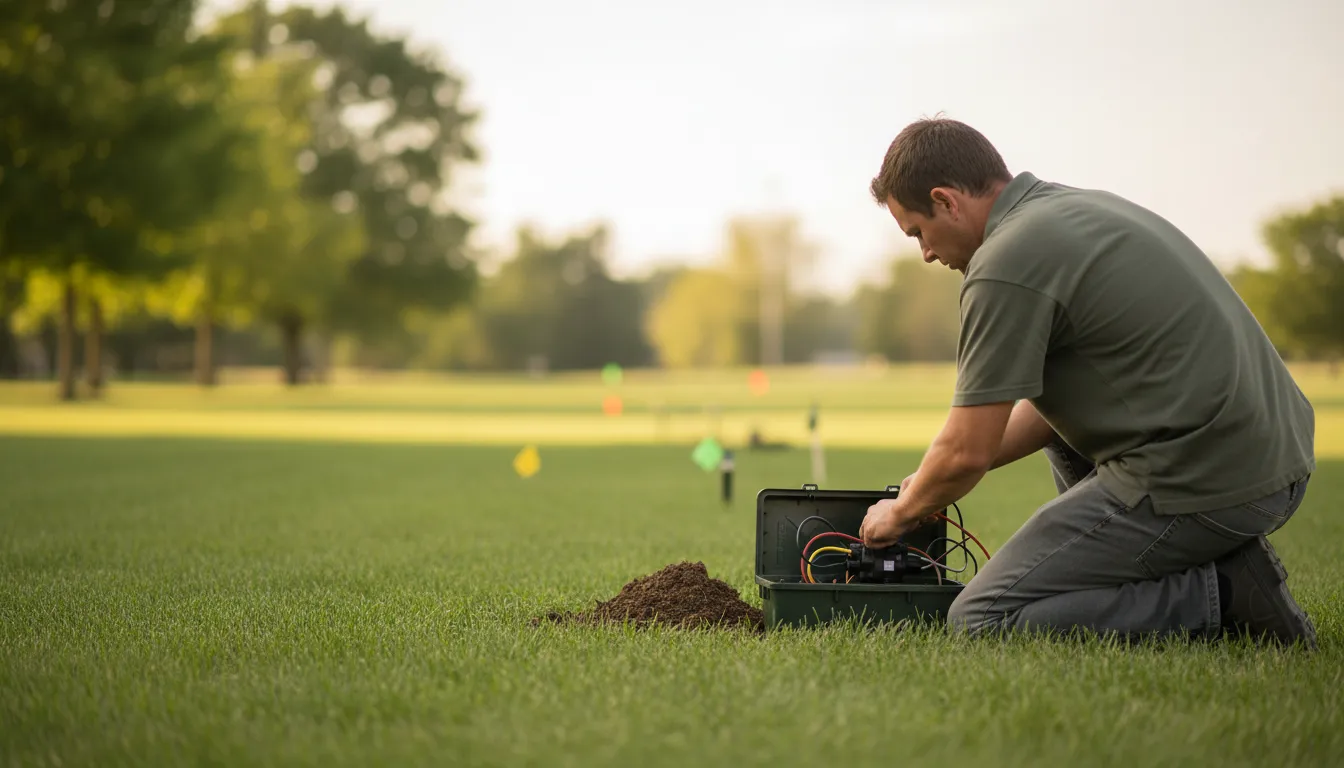
A well-designed sprinkler and irrigation system is the cornerstone of a healthy, beautiful, and water-efficient landscape in La Mesa. In our semi-arid climate, efficient water use isn't just about saving money-it's a community responsibility and a smart way to protect your investment in your property. This guide will help you understand how modern irrigation systems work, how to maintain them, and how to find qualified local professionals to install, repair, or upgrade your system for optimal performance.
Advanced Sprinkler & Drainage Repair
San Diego, CA
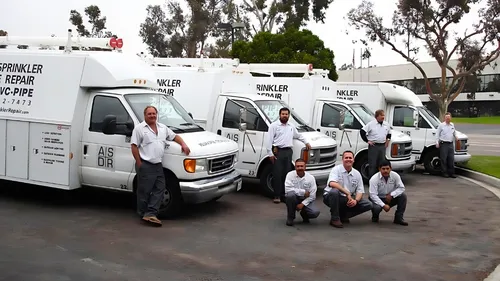
Advanced Sprinkler & Drainage Repair is a San Diego, CA company specializing in sprinkler installation, repair, yard drainage, grading, and outdoor lighting. With over 40 years of experience, they handle irrigation system leaks, electrical issues, low water pressure, and other sprinkler malfunctions using commercial-grade materials. Their fully stocked trucks allow them to complete most repairs in one visit, ensuring efficient service for residential properties. They also provide drainage system solutions and erosion control to maintain healthy lawns and gardens.
Modern Yardz Landscaping San Diego
8133 Engineer Rd, San Diego, CA 92111
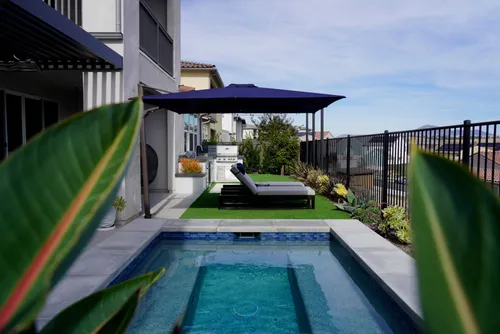
Modern Yardz Landscaping San Diego is a landscaping company based in San Diego, CA, offering a wide range of services including landscape design, artificial turf installation, outdoor lighting, yard drainage, sprinkler installation and repair, hardscaping with pavers and retaining walls, and general landscaping. They provide a collaborative design process featuring 2D and 3D renderings to help clients visualize their projects before installation. The company emphasizes sustainable landscaping options such as drought-tolerant plants and efficient irrigation systems. With decades of experience, Modern Yardz caters to projects of all sizes, from small enhancements to major outdoor transformations.
Drab to Fab
5745 Kearny Villa Rd #110, San Diego, CA 92123
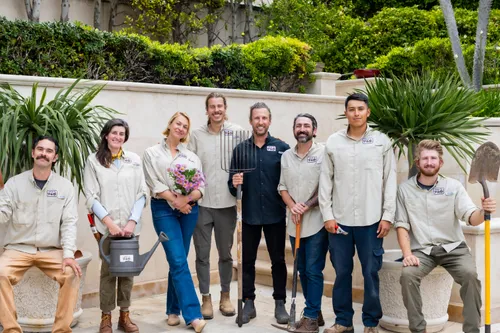
Drab to Fab is a landscaping company based in San Diego, CA, offering eco-friendly landscape design, installation, and maintenance services for residential and commercial properties. They specialize in sustainable landscaping practices that enhance biodiversity and conserve natural resources. Their capabilities include custom outdoor lighting, sprinkler system repair, tree removal, hardscaping with pavers and retaining walls, and brush clearing. Drab to Fab is a certified B Corp committed to environmental stewardship and donates a portion of their revenue to global environmental projects. The company emphasizes collaboration with nature and uses electric equipment and alternative fuel vehicles in their work.
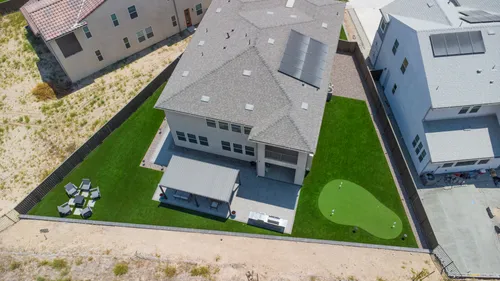
Eternal Turf and Pavers
601 11th Ave #2403, San Diego, CA 92101
Eternal Turf and Pavers is a landscaping company based in San Diego, CA, specializing in artificial turf installation, landscape design, hardscaping, and yard drainage solutions. They offer a range of services including premium turf installation, paver and concrete work, retaining walls, outdoor living spaces, and irrigation systems. Their team is skilled in creating custom outdoor environments, such as putting greens and stylish patios, tailored to client needs. Known for efficient project completion and attention to detail, Eternal Turf and Pavers manages everything from design and HOA approvals to final installation. The company is recognized for its quality craftsmanship and customer-focused approach.
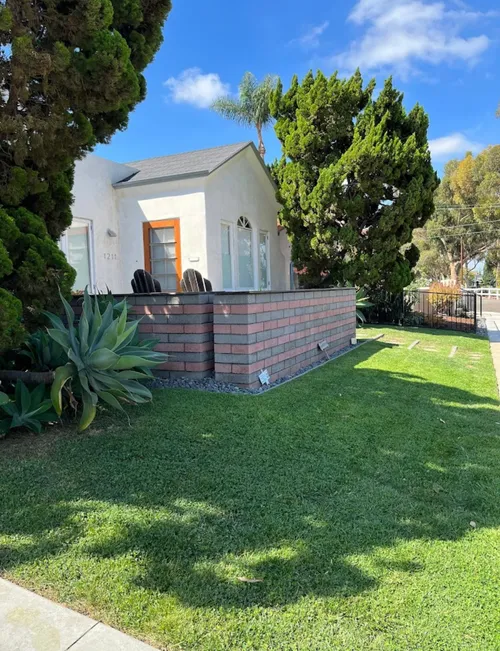
Sierra Verde Landscaping
San Diego, CA
Sierra Verde Landscaping is a family-owned landscaping company based in San Diego, CA, serving both residential and commercial clients. They offer a full range of services including lawn care, weed control, bush and hedge trimming, pruning, and irrigation system installation and repair. Established in 2021, Sierra Verde Landscaping is known for building long-lasting relationships with clients across neighborhoods such as La Jolla, Talmadge, North Park, Kensington, and Sorrento Valley. The company emphasizes community values and dependable service.
How Modern Irrigation Systems Conserve Water
Gone are the days of simple timers watering the entire yard on a fixed schedule. Today's efficient irrigation systems are sophisticated networks designed to deliver precise amounts of water exactly where and when it's needed. This targeted approach prevents runoff, reduces evaporation, and promotes deeper, healthier root systems that are more resilient to heat and drought. The core principle is to water less frequently but more deeply, which in La Mesa's summer might mean watering every 4 to 8 days for longer durations per cycle. This method trains grass and plants to seek moisture deeper in the soil, making them less dependent on surface water and more drought-tolerant.
Key to this efficiency is the concept of hydrozoning-grouping plants with similar water needs on the same irrigation zone. For example, thirsty turf grass should be on a separate zone from drought-tolerant native shrubs or succulents. This allows you to tailor watering schedules without overwatering some areas while underwatering others. Adopting these smart watering practices, often guided by resources like the Mesa Water District, can lead to significant water savings and a lusher landscape.
Core Components of Your System
Understanding the basic parts of your automatic sprinkler system demystifies maintenance and troubleshooting. Every system consists of four main components working in concert.
- The Controller: This is the "brain" of the operation. Modern "smart" controllers do much more than keep time; they can adjust watering schedules automatically based on local weather data, soil moisture, and plant type. They send electrical signals to open and close valves for different zones in your yard 1 2.
- Valves: Usually housed in underground valve boxes, these are electrically activated gates. When the controller signals a zone to water, the corresponding valve opens, allowing pressurized water to flow into the pipes for that specific area. Each valve controls one zone.
- Piping Network: A series of PVC or polyethylene pipes runs underground from the valves to all areas of your landscape. This is the distribution system that carries water to the emitters 3.
- Emitters: These are the endpoints that deliver water. For lawns, these are typically pop-up spray heads or rotating rotor heads. For planting beds, trees, and vegetable gardens, drip irrigation-using either emitter tubing or individual emitters on a supply line-is the most efficient choice, placing water directly at the root zone with minimal waste 4.
Designing an Efficient System Layout
A successful irrigation installation starts with a thoughtful plan. The goal is to create zones that match the water requirements of different landscape areas. A typical residential plan might include separate zones for front lawn, back lawn, sunny shrub beds, shaded planting areas, and a vegetable garden.
When planning, consider sun exposure, soil type (La Mesa often has clay-heavy soil which absorbs water slower than sandy soil), and slope 5. Rotor heads are best for large, open turf areas as they throw water farther and are less affected by wind. Spray heads are suited for smaller, irregularly shaped lawns. For any non-turf area, drip irrigation is almost always the most water-wise and healthy option for plants 6 7.
Integrating a smart irrigation controller from the start is a highly recommended upgrade. These devices connect to Wi-Fi and use hyper-local weather data to skip watering after rainfall, reduce run times during cool spells, and increase watering during heat waves, automating conservation.
Find the perfect sprinkler & irrigation companies for your needs
Get personalized recommendations and expert advice
Creating a La Mesa Watering Schedule
While every landscape is unique, following general guidelines and local advice ensures efficiency. The Mesa Water District provides an excellent starting point for creating a tailored schedule. The general rule is to water during the early morning hours (before 10 AM) to minimize evaporation and wind interference 8.
As a Southern California example, a summer schedule for a mixed landscape might look like this:
- Turf Grass Zones (Rotor Heads): Water 3 days per week (e.g., Monday, Wednesday, Friday). Each cycle should run for about 9 minutes, aiming for a total of 15-30 minutes of watering per week to achieve deep saturation 9.
- Drip Irrigation Zones: Water 3 days per week. Run times need to be longer-often 30 to 60 minutes per cycle-to allow water to penetrate deeply to root zones, especially for trees and established shrubs 10 11.
- Seasonal Adjustments: This is crucial. In spring and fall, you may reduce watering frequency by 1-2 days per week. In the peak of summer, you might need the full schedule. A smart controller handles these adjustments automatically 12.
Always observe your landscape. Signs of overwatering include soggy soil, fungus, and runoff. Signs of underwatering include wilted, bluish-gray grass that doesn't spring back when stepped on.
Installation and Repair Considerations
The cost to install a new in-ground sprinkler and irrigation system varies widely based on property size, number of zones, types of heads, and the inclusion of smart technology. For a typical La Mesa home, you can expect installation costs to range from $1,500 for a basic system to $5,000 or more for a comprehensive, multi-zone system with smart controllers and dedicated drip lines 13 14.
Repairs are a normal part of system ownership. Common issues include:
- Broken sprinkler heads from lawn mowers or foot traffic.
- Stuck or leaking valves that cause a zone to run constantly or not at all.
- Clogged drip emitters or filters.
- Broken pipes from shifting soil or excavation.
Repair costs typically range from $100 to $300 for simple fixes like head or valve replacement, and can be $500 or more for locating and repairing broken main lines or replacing a faulty controller 15. Regular maintenance, such as checking for leaks, cleaning filters, and adjusting spray patterns seasonally, can prevent minor issues from becoming major expenses.
Finding Local Irrigation Expertise in La Mesa
For installation, major repairs, or system audits, hiring a qualified professional is key. Look for contractors who are licensed, insured, and have specific experience with irrigation systems. They should perform a site evaluation, discuss hydrozoning, and provide a detailed quote. Resources like local business reviews can help you find reputable providers such as Green Dreams Landscaping or JG Lawns Turf, who serve the La Mesa area. Always verify their credentials and ask for references.
Frequently asked questions
Sources
Footnotes
-
Understanding Your Irrigation System | Santa Rosa, CA - SRCity.org - https://www.srcity.org/3447/Understanding-Your-Irrigation-System ↩
-
Irrigation Basics - https://www.ose.nm.gov/WUC/PDF/IrrigationBasics2004.pdf ↩
-
How to Install an In-Ground Sprinkler System - This Old House - https://www.thisoldhouse.com/landscaping/how-to-install-in-ground-sprinklers ↩
-
Best Residential Irrigation System: Top 5 Benefits in 2024 - https://pjpappas.com/residential-irrigation-system/ ↩
-
Irrigation for Clay Soil vs Sandy Soil - Learning Center - https://blog.greenmeadowlawncare.com/irrigation-for-clay-soil-vs-sandy-soil ↩
-
How to Plan Your Automatic Sprinkler System | Rain Bird - https://www.rainbird.com/homeowners/blog/planning-an-irrigation-system ↩
-
Selecting an Irrigation System - https://www.nrcs.usda.gov/sites/default/files/2022-09/stelprdb1167474-selecting-irrigation-system.pdf ↩
-
Lawn Watering Tips: Here's The Best Time To Water Your Grass - https://irrigatesmart.com/best-time-to-water-grass/ ↩
-
East Bay Region Irrigation Schedules - https://www.bayareagardening.org/Watering-Guide/EastBay.php ↩
-
Irrigation Schedules - SoCal Yard Transformation - https://www.socalyardtrans.com/schedules ↩
-
LAWN IRRIGATION GUIDE - USDA - https://www.nrcs.usda.gov/plantmaterials/idpmsbr5464.pdf ↩
-
Suggested Efficient Irrigation Schedule - Mesa Water District - http://www.mesawater.org/BeMesaWaterWise/landscape-and-gardening/suggested-efficient-irrigation-schedule ↩
-
Understanding the Process of Irrigation System Installation - https://ca-landscapingservices.com/blog/understanding-the-process-of-irrigation-system-installation/ ↩
-
What Does a Lawn Sprinkler System Cost in 2025? - https://blog.lawnguru.co/lawn-sprinkler-system-cost/ ↩
-
TOP 10 BEST Lawn Care in La Mesa, CA - Updated 2026 - Yelp - https://m.yelp.com/search?find_desc=Lawn+Care&find_loc=La+Mesa%2C+CA ↩