Find the Best Sprinkler & Irrigation Companies for Your Business
No obligation • Fast responses • Nationwide coverage

Why you can trust Landscape Atlas
Landscape Atlas is a leading United States resource for evaluating landscaping, lawn care, and outdoor service providers. Our team researches each category in depth, focusing on service quality, safety, and customer experience. Listings and rankings are based on independent criteria and user feedback, and companies cannot pay to influence our assessments or recommendations.
Search providers near you
Top Sprinkler & Irrigation Companies in Lynwood, California Ranked
A well-designed sprinkler or irrigation system is the cornerstone of a healthy, vibrant, and water-efficient landscape in Lynwood. These automated systems deliver precise amounts of water to your lawn and plants, saving you time and conserving a vital resource. This guide will help you understand how these systems work, how to maintain them, and how to find local expertise for installation, repair, and optimization.
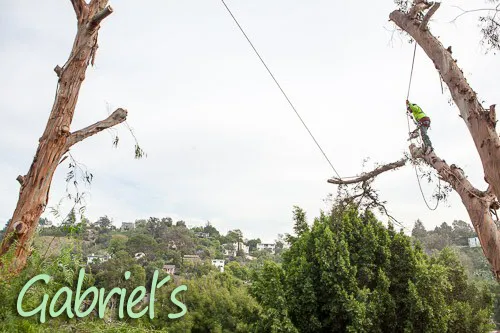
Gabriel´s Tree Service And Landscaping
11528 Felton Ave, Los Angeles, CA 90045
Gabriel's Tree Service And Landscaping is a full-service tree and landscaping company based in Los Angeles, CA. They offer a wide range of services including tree trimming, removal, stump grinding, emergency tree care available 24/7, landscape design, sprinkler installation and repair, land clearing, demolition, and hardscaping. Their certified arborists use professional equipment to safely manage tree emergencies and routine maintenance for residential and commercial properties. With over 20 years of experience, Gabriel's Tree Service And Landscaping also provides demolition services tailored to site preparation and renovation needs.
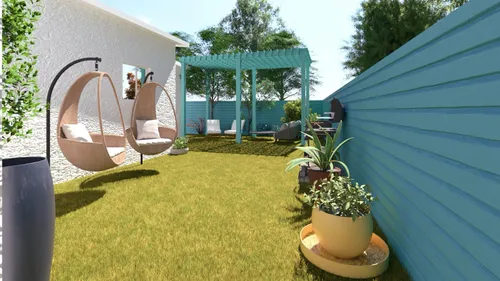
Green Advisor Inc.
7660 Beverly Blvd, Los Angeles, CA 90036
Green Advisor Inc. is a landscaping and remodeling company based in Los Angeles, CA. They provide comprehensive landscape design and construction services, including hardscaping, irrigation system installation, and custom outdoor renovations. Their expertise extends to pool construction, patio and deck building, and eco-friendly home remodeling projects. The company is recognized for its award-winning landscape designs and sustainable outdoor solutions. Green Advisor Inc. also offers 3D design services to help clients visualize their projects. They serve the Greater Los Angeles area, including the San Fernando Valley, and collaborate with trusted suppliers to ensure quality materials and craftsmanship.
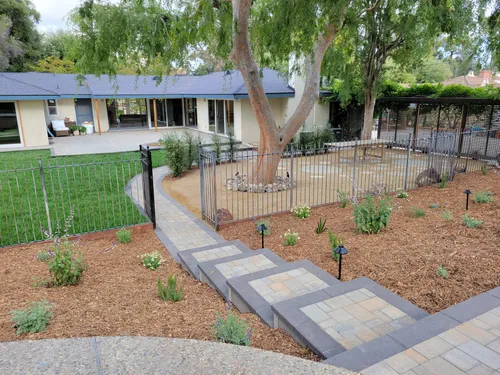
Droughtscape
Angeles Crest Hwy, La Cañada Flintridge, CA 91011
Droughtscape is a landscaping and outdoor construction company based in Los Angeles, CA. With over 45 years of experience, they specialize in drought and fire-resistant landscape design and installation, hardscaping, irrigation, fencing, artificial turf, and more. Their services cover a wide range of outdoor improvements including interlocking pavers, decks, pergolas, retaining walls, and yard drainage. Droughtscape serves multiple neighborhoods in the Los Angeles area, focusing on water-saving and sustainable landscaping solutions that suit various home styles. They emphasize clear communication and quality craftsmanship to provide a smooth project experience.
Socal Landscape & Gardening
1245 McClellan Dr, Los Angeles, CA 90025
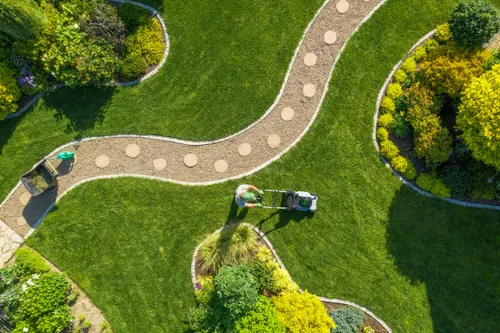
Socal Landscape & Gardening is a landscaping company based in Los Angeles, CA, offering a range of lawn care and gardening services. They provide residential and commercial clients with lawn mowing, landscape design, tree removal, stump grinding, sprinkler installation and repair, and irrigation management. The company serves the Southern California area and specializes in luxury properties, focusing on eco-friendly and comprehensive garden care.
Greenplace Inc
2151 Pacific Ave A205, Costa Mesa, CA 92627
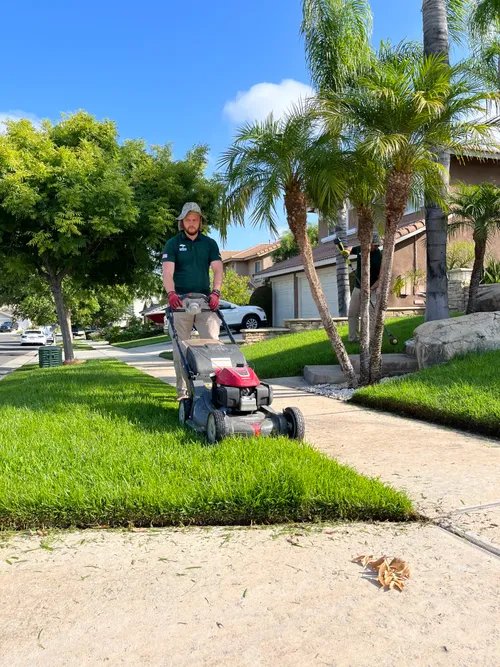
Greenplace Inc is a landscaping company based in Santa Ana, CA, offering a wide range of services including landscape design, hardscaping, lawn care, irrigation installation and repair, artificial turf, and yard drainage solutions. They serve both residential and commercial clients throughout Southern California, including Orange County and Los Angeles. Greenplace specializes in creating custom outdoor environments that combine aesthetic appeal with practical features such as smart irrigation systems to optimize water use. Founded by Volodymyr Dragan and Viktor Peshekhonov, the company emphasizes craftsmanship and long-term vision in their work. Their licensed team is known for detailed project management and responsiveness to client needs.
How Sprinkler and Irrigation Systems Work
At its core, an automatic irrigation system is a network designed to mimic rainfall on a schedule. Water is pumped from your home's supply through a series of underground pipes to various sprinkler heads or drip emitters placed throughout your yard. The entire process is managed by a central controller, often called a timer, which sends signals to solenoid valves to open and close, releasing water to specific zones.
The key to efficiency is zoning. A typical residential system is divided into multiple zones, each watering a specific area with plants that have similar water needs. For example, your thirsty lawn would be on a separate zone from drought-tolerant shrubs or a vegetable garden bed 1. This hydrozoning approach ensures that no water is wasted on plants that don't need it.
Core Components of Your System
Understanding the parts of your irrigation setup can help with troubleshooting and informed conversations with service providers.
- Controller/Timer: The brain of the operation. Modern "smart" controllers can adjust watering schedules automatically based on local weather data, making them a wise investment for water conservation and healthy plants.
- Solenoid Valves: These electrically activated valves are usually housed in underground valve boxes. They control the flow of water to each individual zone based on commands from the controller 2.
- Piping: PVC or polyethylene pipes form the underground network that carries water from the valve to the sprinkler heads.
- Sprinkler Heads & Emitters: These are the endpoints that distribute water. Spray heads pop up and cover small, fixed areas, while rotor heads rotate to cover larger swaths of lawn. For garden beds, trees, and shrubs, drip irrigation uses emitters that deliver water slowly and directly to the root zone, minimizing evaporation and runoff.
- Filters & Pressure Regulators: These components protect the system. Filters prevent debris from clogging small openings in sprinkler heads or drip emitters, while pressure regulators ensure water is delivered at an optimal pressure (typically 30-50 PSI) to prevent misting and damage to components.
Designing for Lynwood's Landscape
A one-size-fits-all approach doesn't work for irrigation. Your system must be tailored to your property's unique layout and the specific plants in your landscape.
Addressing Slopes: Lynwood has varied topography, and slopes can lead to significant water runoff. On sloped areas, it's crucial to use sprinkler heads with a low trajectory or to employ drip irrigation. A common technique is to place sprinkler heads at the top of a slope so water flows down to the roots below, or to use shorter, more frequent watering cycles to allow water to soak in.
Achieving Even Coverage: The goal is "head-to-head" coverage, where the spray from one sprinkler head reaches the adjacent head. This eliminates dry spots and ensures uniform watering. Careful planning is also needed to adjust spray patterns so water lands on your landscape, not on sidewalks, driveways, or your home's siding 3 4.
Choosing the Right System Type: Most Lynwood yards benefit from a hybrid system. Spray or rotor heads are ideal for turfgrass lawns, providing broad, even coverage. For planting beds, ground cover, and around trees, drip irrigation is vastly more efficient, delivering water slowly and directly where it's needed most.
Find the perfect sprinkler & irrigation companies for your needs
Get personalized recommendations and expert advice
Smart Watering Practices and Scheduling
An automated system is only as good as its schedule. Proper watering is the single most important factor for plant health and water conservation.
When to Water: The best time to run your sprinklers is in the early morning, ideally before 10 AM. This allows water to soak into the soil before the heat of the day increases evaporation. It also gives grass blades time to dry, reducing the risk of fungal diseases that thrive in overnight moisture.
How Much and How Often: A general rule for lawns is to provide about 1 inch of water per week, including rainfall 5 6. However, this needs to change with the seasons-more frequent watering in the hot, dry summer and much less in the cool, wet winter. The "deep and infrequent" technique is recommended: water long enough for moisture to penetrate 6-8 inches into the soil, which encourages deep, drought-resistant roots. For clay soils common in the area, you may need to split a zone's runtime into multiple shorter cycles to prevent runoff 7.
Using the WUCOLS Guide: For expert-level planning, utilize the University of California's Water Use Classification of Landscape Species (WUCOLS). This free resource provides water need classifications (Low, Moderate, High) for thousands of plants, allowing you to group them into hydrozones accurately and create a truly efficient landscape plan 8.
Installation and Repair Considerations
Installation Costs: Installing a new automatic sprinkler system in Lynwood is an investment in your property. Costs can vary widely based on property size, design complexity, and the type of components used. Basic installations often range from $1.50 to $2.50 or more per square foot of irrigated area 9. Larger properties or systems with advanced smart controllers and drip zones will be on the higher end of the scale.
Common Repairs: Even well-maintained systems need occasional repairs. Common issues include:
- Clogged or Broken Sprinkler Heads: From lawn mowers or wear and tear. Repair costs can range from $50 to $150 depending on the head type and labor 10.
- Faulty Valves: A valve that won't open or close can leave a zone running constantly or not at all. Valve replacement typically starts around $100 and can go higher if the valve box is difficult to access.
- Broken Pipes: Usually caused by shovel damage during other yard work or shifting soil. Repair costs depend on the depth and location of the break.
- Controller Malfunctions: Wiring issues or a failed controller unit will require professional diagnosis.
Essential Monthly Maintenance
A few minutes of monthly maintenance can prevent costly repairs and wasted water:
- Visual Inspection: Run each zone and look for leaks, geysers (broken heads), or heads that are misaligned, clogged, or not popping up fully.
- Check Coverage: Look for dry spots or areas that are being overwatered. Adjust or clean heads as needed.
- Clean Filters: If your system has a filter, check and clean it according to the manufacturer's instructions to maintain proper flow 11.
- Adjust the Schedule: Remember to reduce watering duration and frequency as the weather cools in the fall.
Frequently asked questions
Sources
Footnotes
-
CHAPTER 5. SPRINKLER IRRIGATION - https://www.fao.org/4/s8684e/s8684e06.htm ↩
-
Guide to Buying and Installing a Sprinkler System - https://lookforther.realtor/improve/guide-to-buying-and-installing-a-sprinkler-system/ ↩
-
The Ultimate Guide to Sprinkler Systems for Landscapers - https://aquariussupply.com/ultimate-guide-to-sprinkler-systems-for-landscapers/ ↩
-
How to Plan Your Automatic Sprinkler System - https://www.rainbird.com/homeowners/blog/planning-an-irrigation-system ↩
-
Irrigation System Guides - Metropolitan North Georgia Water ... - https://northgeorgiawater.org/residents-schools-businesses/conserve-our-water/irrigation-system-guides-watering-and-maintenance-guides/ ↩
-
How Long to Run a Sprinkler for 1 Inch of Water - Sod Solutions - https://sodsolutions.com/advanced-how-to/how-long-to-run-a-sprinkler-for-1-inch-of-water/ ↩
-
How Often Should I Water My Lawn with Sprinkler System - 5 Expert Tips - https://mcleodlandscaping.com/how-often-should-i-water-my-lawn-with-sprinkler-system/ ↩
-
Article 45 WATER EFFICIENT LANDSCAPING - General Code - https://www.codepublishing.com/CA/Lynwood/html/Lynwood25/Lynwood2545.html ↩
-
The 5 essential components for an efficient irrigation system - rain.it - https://www.rain.it/en/magazine/5-essential-components-for-an-efficient-irrigation-system/ ↩
-
Sprinkler Irrigation | UC Master Gardeners of San Joaquin ... - https://ucanr.edu/site/uc-master-gardeners-san-joaquin-county/sprinkler-irrigation ↩
-
Install a New Sprinkler System - Save Our Water, California - https://saveourwater.com/install-a-new-sprinkler-system/ ↩