Find the Best Sprinkler & Irrigation Companies for Your Business
No obligation • Fast responses • Nationwide coverage

Why you can trust Landscape Atlas
Landscape Atlas is a leading United States resource for evaluating landscaping, lawn care, and outdoor service providers. Our team researches each category in depth, focusing on service quality, safety, and customer experience. Listings and rankings are based on independent criteria and user feedback, and companies cannot pay to influence our assessments or recommendations.
Search providers near you
Top Sprinkler & Irrigation Companies in Norwalk, California Ranked
A well-designed sprinkler and irrigation system is the cornerstone of a healthy, beautiful, and water-efficient landscape in Norwalk. These systems deliver precise amounts of water exactly where your plants need it, conserving a vital resource while saving you time and effort. Whether you're looking to install a new system, upgrade an outdated one, or simply maintain your current setup, understanding your local options for irrigation services and water-wise practices is essential for a thriving outdoor space.
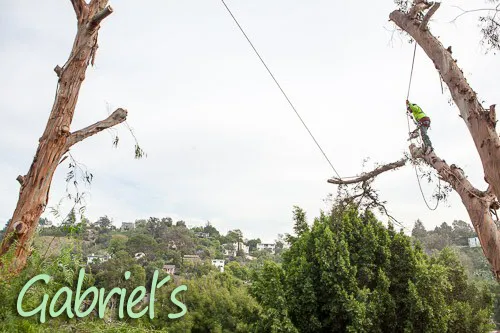
Gabriel´s Tree Service And Landscaping
11528 Felton Ave, Los Angeles, CA 90045
Gabriel's Tree Service And Landscaping is a full-service tree and landscaping company based in Los Angeles, CA. They offer a wide range of services including tree trimming, removal, stump grinding, emergency tree care available 24/7, landscape design, sprinkler installation and repair, land clearing, demolition, and hardscaping. Their certified arborists use professional equipment to safely manage tree emergencies and routine maintenance for residential and commercial properties. With over 20 years of experience, Gabriel's Tree Service And Landscaping also provides demolition services tailored to site preparation and renovation needs.
Green Advisor Inc.
7660 Beverly Blvd, Los Angeles, CA 90036
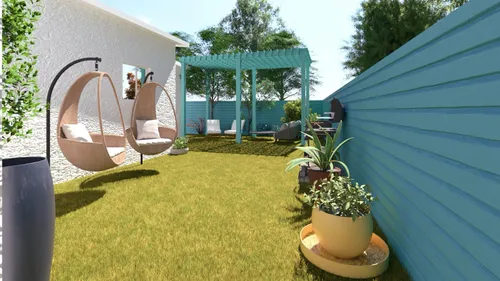
Green Advisor Inc. is a landscaping and remodeling company based in Los Angeles, CA. They provide comprehensive landscape design and construction services, including hardscaping, irrigation system installation, and custom outdoor renovations. Their expertise extends to pool construction, patio and deck building, and eco-friendly home remodeling projects. The company is recognized for its award-winning landscape designs and sustainable outdoor solutions. Green Advisor Inc. also offers 3D design services to help clients visualize their projects. They serve the Greater Los Angeles area, including the San Fernando Valley, and collaborate with trusted suppliers to ensure quality materials and craftsmanship.
Droughtscape
Angeles Crest Hwy, La Cañada Flintridge, CA 91011
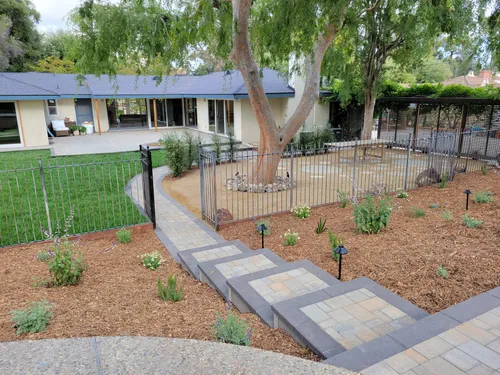
Droughtscape is a landscaping and outdoor construction company based in Los Angeles, CA. With over 45 years of experience, they specialize in drought and fire-resistant landscape design and installation, hardscaping, irrigation, fencing, artificial turf, and more. Their services cover a wide range of outdoor improvements including interlocking pavers, decks, pergolas, retaining walls, and yard drainage. Droughtscape serves multiple neighborhoods in the Los Angeles area, focusing on water-saving and sustainable landscaping solutions that suit various home styles. They emphasize clear communication and quality craftsmanship to provide a smooth project experience.
Socal Landscape & Gardening
1245 McClellan Dr, Los Angeles, CA 90025
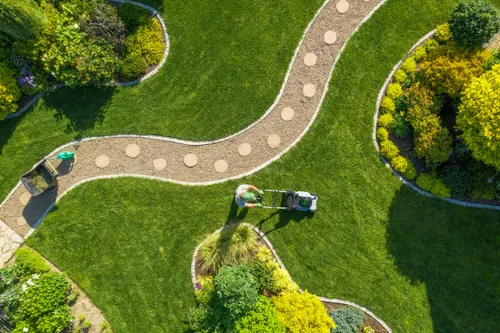
Socal Landscape & Gardening is a landscaping company based in Los Angeles, CA, offering a range of lawn care and gardening services. They provide residential and commercial clients with lawn mowing, landscape design, tree removal, stump grinding, sprinkler installation and repair, and irrigation management. The company serves the Southern California area and specializes in luxury properties, focusing on eco-friendly and comprehensive garden care.
Greenplace Inc
2151 Pacific Ave A205, Costa Mesa, CA 92627
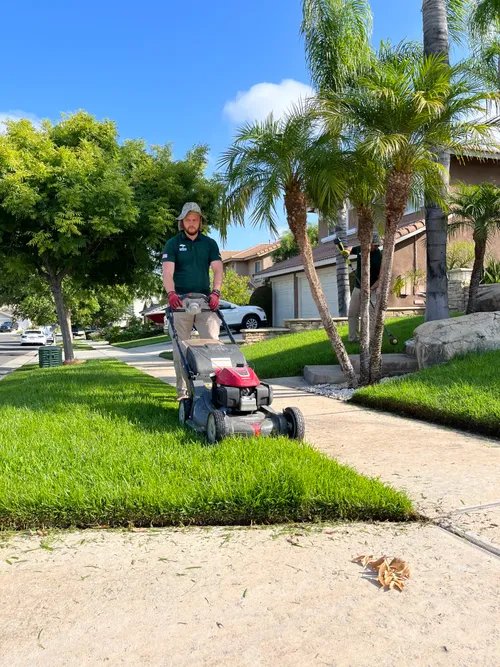
Greenplace Inc is a landscaping company based in Santa Ana, CA, offering a wide range of services including landscape design, hardscaping, lawn care, irrigation installation and repair, artificial turf, and yard drainage solutions. They serve both residential and commercial clients throughout Southern California, including Orange County and Los Angeles. Greenplace specializes in creating custom outdoor environments that combine aesthetic appeal with practical features such as smart irrigation systems to optimize water use. Founded by Volodymyr Dragan and Viktor Peshekhonov, the company emphasizes craftsmanship and long-term vision in their work. Their licensed team is known for detailed project management and responsiveness to client needs.
Understanding Your Irrigation System Components
A modern irrigation system is more than just sprinkler heads popping up from the ground. It's a coordinated network of components working together. Water from your main supply line is directed by an irrigation controller, which acts as the brain of the operation. This controller sends signals to valves, which open and close to send water through underground pipes to designated areas called zones. Each zone is tailored to plants with similar water needs, a fundamental principle for efficiency.
The most visible parts are the sprinkler heads themselves. For large lawn areas, rotor heads that spray streams of water in a rotating pattern are common. For smaller turf areas and tight spaces, fixed spray heads or more efficient rotator nozzles are used, often installed as pop-ups that retract when not in use. For gardens, shrubs, and trees, micro-irrigation or drip lines are the gold standard, applying water slowly and directly to the root zone to minimize evaporation and runoff.
Designing for Efficiency and Even Coverage
A proper irrigation layout is critical. The goal is "head-to-head" coverage, where the spray from one sprinkler head reaches the adjacent head. This ensures every part of your lawn or planting bed receives uniform water distribution without dry spots 1 2. A good design also carefully places heads to avoid watering driveways, sidewalks, and other hardscapes, which is both wasteful and often against local guidelines.
Zoning is the strategic heart of an efficient system. Your lawn, which typically needs frequent, shallow watering, should be on a separate zone from your drought-tolerant shrubs or deep-rooted trees. Drip irrigation for flower beds should also be on its own zone. This allows the controller to run each zone for a different duration and frequency, matching the specific needs of the plants. Following these design principles, often outlined by the University of California's Division of Agriculture and Natural Resources (UC ANR) and local municipalities, is key to a water-smart landscape.
Smart Watering Practices for Norwalk Climates
How and when you water is just as important as the system itself. In Norwalk's climate, a general starting point for established lawns is watering 2-3 days per week 3. The key is deep, infrequent watering that encourages roots to grow downward, creating more drought-resilient plants. For lawns, this might mean running a cycle for 18 minutes on two days and 12 minutes on one day, but this should always be adjusted based on soil type, plant maturity, and current weather 3.
Timing is crucial for water conservation. The best window to water is between 6 PM and 9 AM, when temperatures are cooler, wind is calmer, and evaporation rates are at their lowest 4 5. This simple practice can save a significant amount of water over a season.
Find the perfect sprinkler & irrigation companies for your needs
Get personalized recommendations and expert advice
The Advantages of Modern Technology
Upgrading your irrigation technology can lead to automatic water savings. The most significant advancement is the weather-based "smart" controller. These devices connect to local weather data or on-site sensors and automatically adjust your watering schedule based on real-time conditions like rainfall, temperature, and humidity 6. If it rains, the system can skip a cycle. During a heatwave, it might add a few minutes. This takes the guesswork out of watering and ensures your landscape gets only what it needs.
Other valuable add-ons include rain sensors, which are a relatively inexpensive retrofit that prevent watering during or immediately after a rainfall 7. Soil moisture sensors are another option, telling the controller exactly how much water is available to the roots. For existing systems, a professional irrigation audit can identify leaks, misaligned heads, and other issues that waste water and money.
Installation, Repair, and Maintenance Considerations
Investing in a new sprinkler system is a significant home improvement. Costs can vary widely based on property size, complexity, and the components used. On average, a full residential installation can range from $2,200 to $4,600 or more, with a common cost breakdown of $590 to $1,340 per zone, or roughly $0.88 to $1.65 per square foot. While this is an upfront investment, a professionally designed and installed system pays for itself over time through water savings, increased property value, and the preservation of your landscape investment 8.
Maintenance and repairs are a normal part of system ownership. A typical service call for diagnosis starts around $150 9. Common repairs include replacing clogged or broken spray heads, which can cost between $45 and $115 depending on the type and height, while rotor head replacements may range from $95 to $125 9. Drip system components like emitters and nozzles are generally less expensive, often between $3 and $20 for parts 9. Smart controller units themselves represent a higher-cost upgrade, often installed for $850 to $1,100 or more 9.
Navigating Local Guidelines
Property owners in Norwalk should be aware of local landscape standards aimed at water conservation and responsible design. The City of Norwalk requires permanent irrigation systems and measures to prevent runoff, such as curbs for planters 10. Furthermore, as part of Los Angeles County, guidelines relevant to Norwalk mandate specific planning, such as having separate irrigation schedules for newly planted "establishment" landscapes versus "established" ones, and requiring separate valves for trees, shrubs, and groundcovers 11. Working with a professional familiar with these codes ensures your system is compliant and optimized for the region.
Frequently asked questions
Sources
Footnotes
-
UC Healthy Lawns-Irrigation: How many times a week to water ↩ ↩2
-
Sprinkler Irrigation | UC Master Gardeners of San Joaquin County ↩
-
Water Efficiency Tips | Rancho California Water District, CA ↩
-
Professional Sprinkler System Installation: 7 Top Benefits 2025 ↩
-
How Much Does it Cost to Install a Sprinkler System in 2026? ↩ ↩2 ↩3 ↩4
-
landscape plan check corrections list - LA County Public Works ↩