Find the Best Sprinkler & Irrigation Companies for Your Business
No obligation • Fast responses • Nationwide coverage

Why you can trust Landscape Atlas
Landscape Atlas is a leading United States resource for evaluating landscaping, lawn care, and outdoor service providers. Our team researches each category in depth, focusing on service quality, safety, and customer experience. Listings and rankings are based on independent criteria and user feedback, and companies cannot pay to influence our assessments or recommendations.
Search providers near you
Top Sprinkler & Irrigation Companies in Thousand Oaks, California Ranked
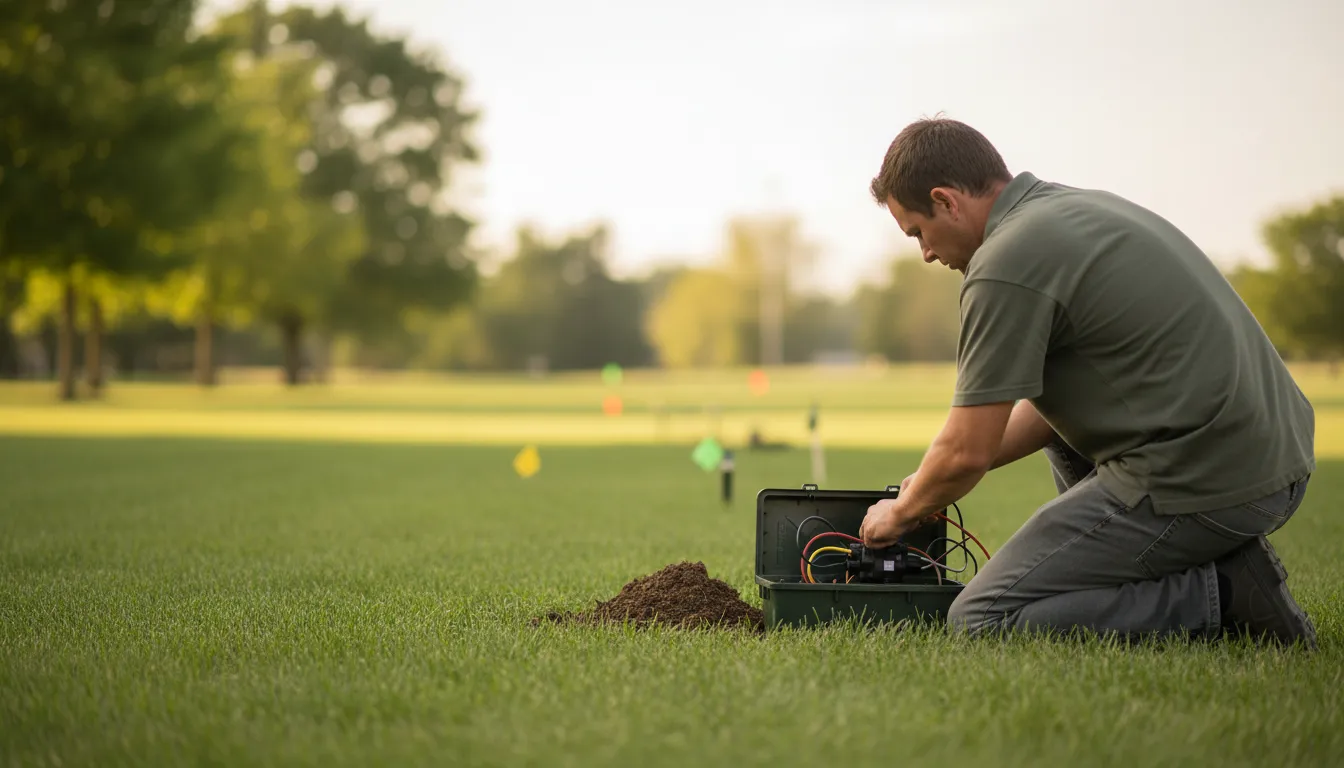
A well-designed sprinkler and irrigation system is the lifeblood of a healthy, vibrant landscape in Thousand Oaks. It ensures your lawn, garden, and trees receive the precise amount of water they need to thrive, especially under our Mediterranean sun. This guide will help you understand the components, benefits, and local considerations for landscape watering systems, empowering you to make informed decisions for your property.
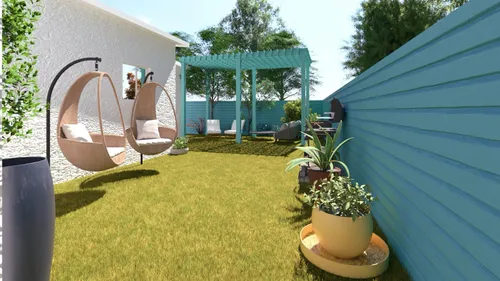
Green Advisor Inc.
7660 Beverly Blvd, Los Angeles, CA 90036
Green Advisor Inc. is a landscaping and remodeling company based in Los Angeles, CA. They provide comprehensive landscape design and construction services, including hardscaping, irrigation system installation, and custom outdoor renovations. Their expertise extends to pool construction, patio and deck building, and eco-friendly home remodeling projects. The company is recognized for its award-winning landscape designs and sustainable outdoor solutions. Green Advisor Inc. also offers 3D design services to help clients visualize their projects. They serve the Greater Los Angeles area, including the San Fernando Valley, and collaborate with trusted suppliers to ensure quality materials and craftsmanship.
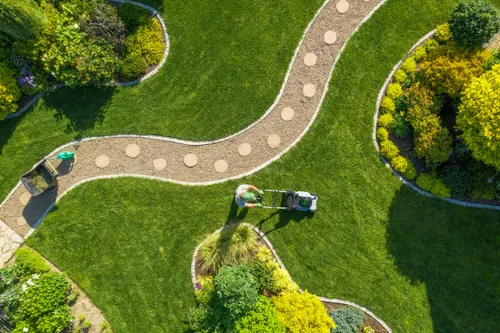
Socal Landscape & Gardening
1245 McClellan Dr, Los Angeles, CA 90025
Socal Landscape & Gardening is a landscaping company based in Los Angeles, CA, offering a range of lawn care and gardening services. They provide residential and commercial clients with lawn mowing, landscape design, tree removal, stump grinding, sprinkler installation and repair, and irrigation management. The company serves the Southern California area and specializes in luxury properties, focusing on eco-friendly and comprehensive garden care.
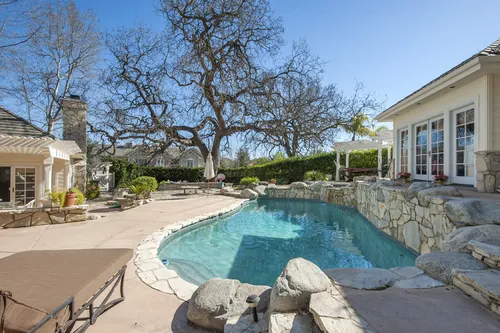
Green Advisor Inc.
15928 Ventura Blvd Suite #216, Encino, CA 91436
Green Advisor Inc. is a landscaping and remodeling company based in Los Angeles, CA, offering comprehensive landscape design, hardscaping, irrigation, and outdoor construction services. They specialize in custom outdoor spaces including patios, decks, pools, and retaining walls, as well as interior and exterior home remodeling. Their services cover the Greater Los Angeles area, with a focus on sustainable and innovative solutions. The company provides 3D design renderings to help clients visualize projects and collaborates with trusted suppliers to ensure quality materials and craftsmanship. Green Advisor Inc. has completed over 750 renovation projects recently, demonstrating extensive experience in the field.
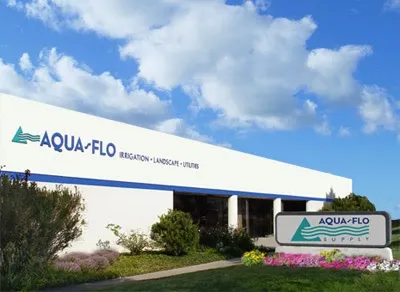
Aqua-Flo Supply
28317 Kelly Johnson Pkwy, Santa Clarita, CA 91355
Aqua-Flo Supply in Santa Clarita, CA offers a wide range of landscaping and irrigation supplies. They specialize in sod installation, artificial turf, sprinkler installation, and irrigation repair. The warehouse is stocked with water-saving products including synthetic sod, putting greens, water storage tanks, and well-known irrigation brands like Rain Bird, Hunter, Toro, and Weathermatic.
Barba Landscape & Design
710 Marine St, Santa Monica, CA 90405
Barba Landscape & Design is a family-owned landscaping company based in Los Angeles, CA, with over 35 years of experience. They specialize in landscape design and installation, tree pruning and removal, irrigation, drainage solutions, sod and fence installation, and landscape lighting. As Santa Monica natives, they focus on creating sustainable, eco-friendly outdoor spaces that reflect the local environment. Their team offers a workmanship warranty and is fully licensed, bonded, and insured, ensuring professional standards in every project. Barba Landscape serves a broad area including Santa Monica, Pasadena, Beverly Hills, and other parts of Los Angeles and surrounding counties.
Understanding Your Landscape Watering System
At its core, a modern irrigation system is a network of components working together to automate and optimize watering. A central controller, or timer, sends signals to electric valves that open and close to control water flow to different sections of your yard, known as zones. Water travels through a network of underground pipes to various types of sprinkler heads or drip emitters, each suited for different areas of your landscape. This zoned approach is fundamental, as it allows you to tailor watering schedules to the specific needs of sun-drenched lawns, shaded flower beds, or drought-tolerant native plantings.
Key Components and How They Work
Knowing the parts of your system helps with troubleshooting, maintenance, and planning upgrades.
- Controllers/Timers: The "brain" of the operation. Basic models run on set schedules, while smart controllers can adjust watering automatically based on local weather data, soil moisture, and evaporation rates, offering significant water savings.
- Valves: These are the gatekeepers, usually housed in valve boxes in the ground. When the controller sends a signal, a solenoid opens the valve, allowing water to flow to a specific zone.
- Sprinkler Heads & Emitters: These are the delivery points.
- Spray Heads: Pop up and spray a fixed pattern of water, ideal for smaller, rectangular lawn areas and flowerbeds.
- Rotary Heads: Rotate streams of water to cover large, circular areas of lawn efficiently.
- Drip Irrigation: Uses tubing with emitters that deliver water slowly and directly to the root zone of individual plants, shrubs, or garden rows. This method is exceptionally efficient, minimizing evaporation and runoff, and is highly recommended for non-lawn areas 1.
Designing for Efficiency: Hydrozoning and Smart Technology
In California, water conservation isn't just a good idea-it's often a requirement and always a financial and environmental priority. The most effective strategy is hydrozoning, which means grouping plants together based on their water needs (e.g., high-water-use turf, moderate-water-use shrubs, and low-water-use native plants). Each of these groups becomes its own irrigation zone with a customized schedule.
Pairing hydrozoning with modern technology maximizes efficiency. Smart irrigation controllers can connect to Wi-Fi and use hyper-local weather forecasts to skip watering after a rainstorm or adjust run times seasonally. Adding a rain sensor or a soil moisture sensor provides an additional layer of protection against overwatering. A master valve can also be installed to shut off the entire system if a major leak is detected, preventing water waste 2.
Seasonal Watering Guidelines for Thousand Oaks
Your watering schedule should change with the seasons to match plant needs and weather conditions. A general rule is to water deeply and infrequently to encourage strong, deep root systems, and to water in the early morning to reduce evaporation and fungal growth.
- Summer (Peak Demand): Watering 2-4 times per week is typical, with longer run times per zone (e.g., 15-45 minutes depending on head type and soil) to ensure deep penetration.
- Spring & Fall: Reduce frequency to 1-3 times per week with shorter durations as temperatures moderate and rainfall may occur.
- Winter: Established lawns require very little supplemental water, perhaps once a month or less. Focus on watering trees, shrubs, and other perennial plants during extended dry periods 3.
Always prioritize planting drought-tolerant and California native species, which are naturally adapted to our climate and require far less irrigation once established.
Find the perfect sprinkler & irrigation companies for your needs
Get personalized recommendations and expert advice
Installation and Repair Considerations
Investing in a new irrigation system or a major upgrade is a significant decision. Costs in Thousand Oaks typically range from $1,500 for a very basic setup to $10,000 or more for a comprehensive, smart system on a larger property 4. Key cost factors include:
- Lot Size: Small lots (under 1/4 acre) may range from $6,000 to $12,000, while medium lots (1/4 to 1/2 acre) often see estimates between $11,000 and $16,000 for a full installation 5.
- System Complexity: A basic timer-controlled spray system costs less than a multi-zone system with smart controllers, drip lines, and rotary heads.
- Soil and Topography: Rocky soil or steep slopes can increase labor costs.
For repairs, costs vary widely based on the issue-replacing a broken sprinkler head is relatively inexpensive, while fixing a leak in a main line or replacing a faulty valve manifold is more involved. Local professionals can provide specific estimates for repair work 6.
Choosing Local Irrigation Expertise
Hiring a licensed contractor familiar with Ventura County and Thousand Oaks is crucial. Local pros understand our specific water quality, soil types, climate challenges, and even local municipal ordinances related to landscape watering 7. They can design a system that not only keeps your landscape beautiful but also complies with water-use efficiency standards. When evaluating providers, look for experience with the latest water-saving technologies and ask for references from projects with similar scope to yours.
Maintenance for Long-Term Performance
A proactive maintenance routine protects your investment and prevents waste.
- Seasonal Start-Up & Winterization: In spring, manually run each zone to check for broken heads, leaks, or clogged emitters. In fall, the system may need to be blown out with compressed air to prevent freezing damage to pipes, though this is less critical in our mild winters than in colder climates.
- Monthly Checks: Walk your property while the system is running to ensure even coverage and correct alignment. Adjust heads spraying onto pavement or structures.
- Controller Management: Update your controller's schedule at least seasonally. If you have a smart controller, ensure it's connected and receiving weather data correctly.
A well-maintained irrigation system saves water, money, and keeps your Thousand Oaks landscape resilient and thriving year-round.
Frequently asked questions
Sources
Footnotes
-
Ultimate Guide to Sprinkler and Irrigation Systems - https://heartlandsprinklers.com/green-tips/ultimate-guide-to-sprinkler-and-irrigation-systems/ ↩
-
Landscape Irrigation | Home Water Works - https://home-water-works.org/landscape-irrigation/irrigation ↩
-
Thousand Oaks Landscape Sprinkler Repair & Drip System ... - https://www.edwardsenterprisescc.com/services/landscaping/sprinkler-drip-system-fix-repair/thousand-oaks/ ↩
-
Sprinkler System Cost: Installation & Maintenance Guide - https://heartlandsprinklers.com/green-tips/sprinkler-system-cost-guide/ ↩
-
How much does it cost to install lawn irrigation system? 2025 - https://cutterslandscape.com/how-much-does-it-cost-to-install-lawn-irritagation-system/ ↩
-
THE BEST 10 Irrigation in THOUSAND OAKS, CA - Yelp - https://m.yelp.com/search?cflt=irrigation&find_loc=Thousand+Oaks%2C+CA ↩
-
How Much Does it Cost to Install a Sprinkler System in 2026? - https://lawnlove.com/blog/sprinkler-system-cost/ ↩