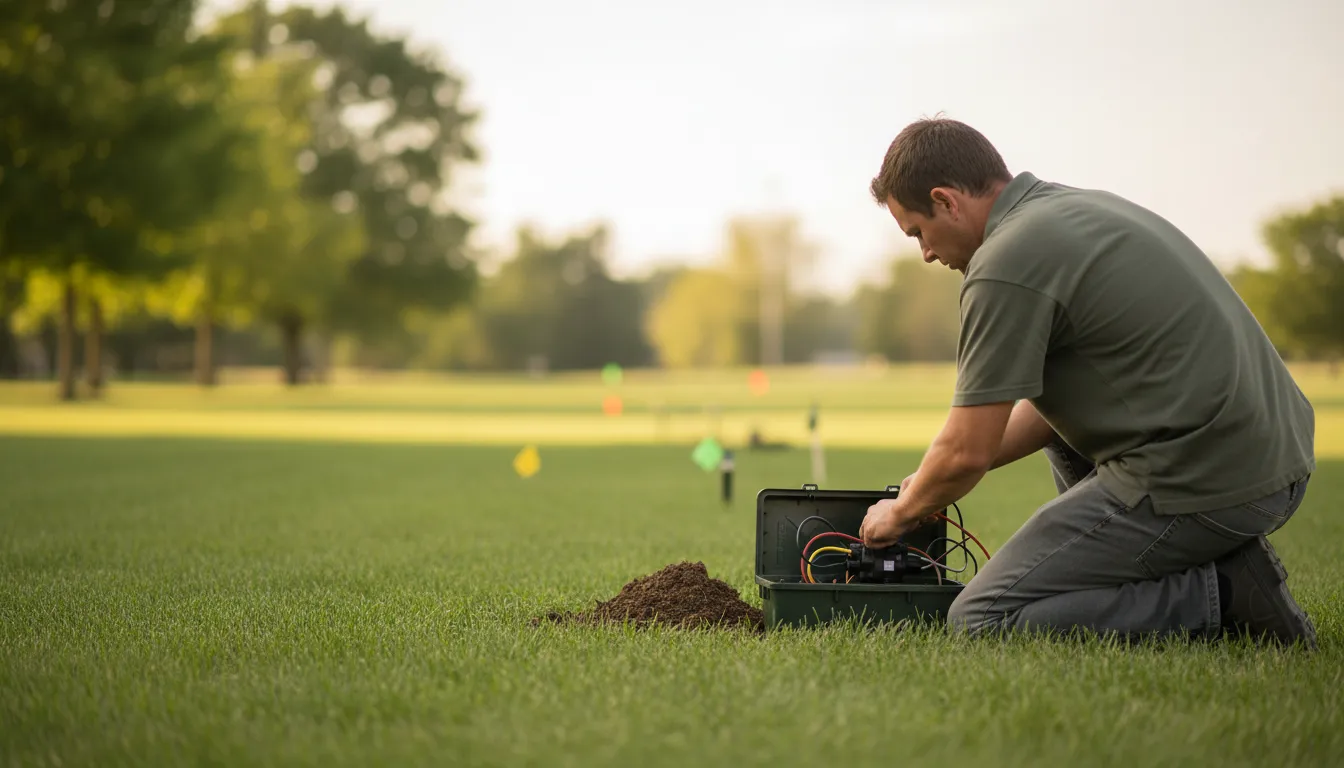
Find the Best Sprinkler & Irrigation Companies for Your Business
No obligation • Fast responses • Nationwide coverage

Why you can trust Landscape Atlas
Landscape Atlas is a leading United States resource for evaluating landscaping, lawn care, and outdoor service providers. Our team researches each category in depth, focusing on service quality, safety, and customer experience. Listings and rankings are based on independent criteria and user feedback, and companies cannot pay to influence our assessments or recommendations.
Search providers near you
Top Sprinkler & Irrigation Companies in Tustin, California Ranked
A well-designed sprinkler and irrigation system is the cornerstone of a healthy, vibrant, and water-efficient landscape in Tustin. These systems deliver precise amounts of water exactly where it's needed, conserving a precious resource while promoting deep root growth and plant resilience. This guide will help you understand the components, best practices, and local considerations for managing your landscape's water delivery, connecting you with the knowledge to maintain or upgrade your property's irrigation effectively.
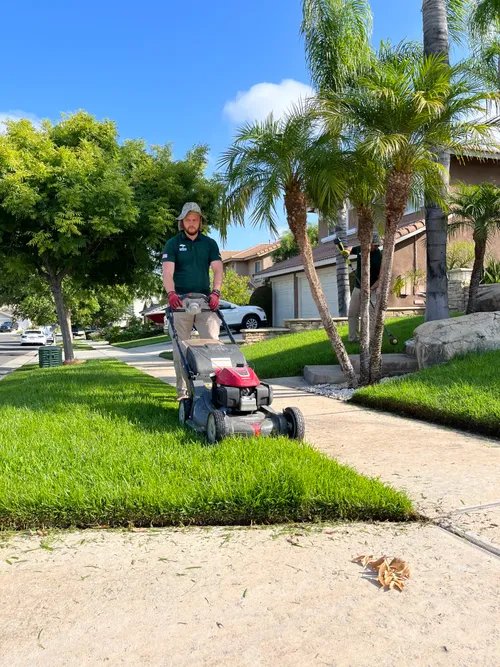
Greenplace Inc
2151 Pacific Ave A205, Costa Mesa, CA 92627
Greenplace Inc is a landscaping company based in Santa Ana, CA, offering a wide range of services including landscape design, hardscaping, lawn care, irrigation installation and repair, artificial turf, and yard drainage solutions. They serve both residential and commercial clients throughout Southern California, including Orange County and Los Angeles. Greenplace specializes in creating custom outdoor environments that combine aesthetic appeal with practical features such as smart irrigation systems to optimize water use. Founded by Volodymyr Dragan and Viktor Peshekhonov, the company emphasizes craftsmanship and long-term vision in their work. Their licensed team is known for detailed project management and responsiveness to client needs.
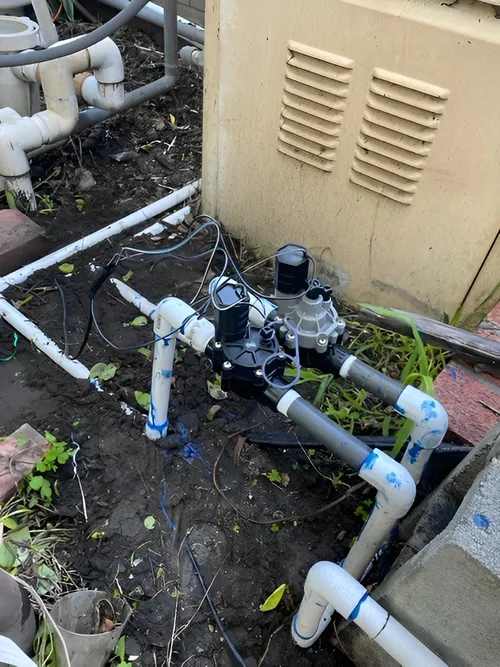
Irrigation Pros
Los Angeles, CA
Irrigation Pros is a locally owned landscaping company serving Orange County, including Santa Ana, Irvine, Newport Beach, and Mission Viejo. They specialize in sprinkler repair, sod installation, drainage solutions, and artificial turf installation. Their services focus on efficient irrigation systems tailored to the local climate, preventing water waste and yard damage. The company offers top-grade sod and drip irrigation systems designed for sustainability and water savings. Irrigation Pros operates with years of experience in the area and provides 24/7 availability for urgent sprinkler and drainage issues.
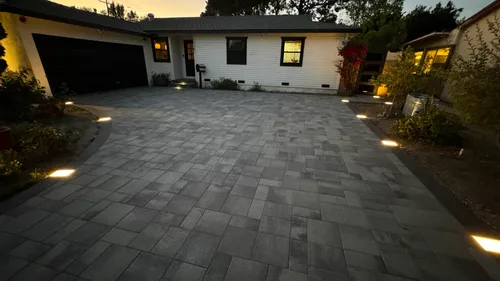
Tavera's Custom Landscape
2720 E Walnut Ave UNIT 61, Orange, CA 92867
Tavera's Custom Landscape is a landscaping company based in Santa Ana, CA, offering a wide range of services including landscape design, sod installation, artificial turf, sprinkler installation and repair, hardscaping, and retaining wall construction. With over 20 years of experience, they work closely with clients to create custom outdoor spaces that are both functional and visually appealing. Their capabilities include irrigation system installation and pool remodeling, ensuring comprehensive landscape solutions.

Bonnett Irrigation
3230 Madison St, Riverside, CA 92504
Bonnett Irrigation is a sprinkler installation and repair company located in Riverside, CA. They provide irrigation services to help maintain efficient and effective watering systems. The company focuses on sprinkler system installation and repair to support local landscaping needs.
Paz Landscape & Concrete
6725 Capistrano Way, Riverside, CA 92504
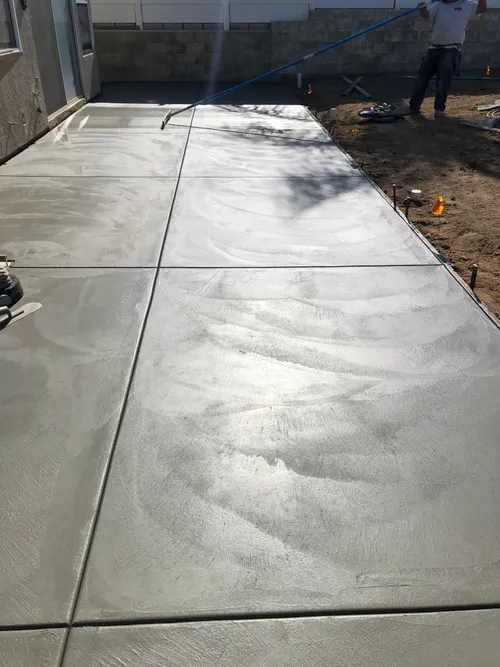
Paz Landscape & Concrete is a landscaping and concrete contractor serving Los Angeles, CA, and surrounding areas. With over twenty years of experience, the company offers a wide range of services including landscape and hardscape design and installation, exterior low voltage lighting, concrete and masonry work, fence and retaining wall construction, and patio design. Their team works closely with clients to create personalized outdoor environments that suit both residential and commercial properties. Paz Landscape & Concrete is known for its skilled crew and organized approach to projects.
Understanding Your Irrigation System's Components
A modern irrigation system is more than just sprinkler heads popping up from the ground. It's a carefully engineered network designed for efficiency and control. The core components work together to automate watering based on your landscape's specific needs.
The Controller: The Brain of the Operation Often called a timer or clock, the controller is the command center. It sends signals to open and close valves according to a programmed schedule. Today's smart controllers can adjust watering times automatically based on local weather data, soil moisture, and evaporation rates, offering significant water savings and convenience.
Zones and Valves: Organized Water Delivery Efficient systems divide a landscape into zones-areas with plants that have similar sun exposure, soil type, and water requirements (e.g., front lawn, shaded shrubs, sunny flower beds). Each zone is controlled by its own electric valve, which opens to allow water to flow only to that specific area. This zoning prevents overwatering some plants while underwatering others.
Distribution: Pipes, Heads, and Emitters This is the network that delivers the water. Mainline and lateral pipes carry water from the valve to the emission devices. The choice of emitter is critical and depends on the landscape area:
- Spray Heads: Best for small to medium turf areas and ground covers. They deliver water in a fixed or adjustable fan pattern, typically covering a radius of 3 to 15 feet.
- Rotary Heads: Ideal for larger lawns. They rotate a stream of water, covering a radius of 5 to 50+ feet with larger droplets that are less susceptible to wind drift 1.
- Drip Irrigation: The most efficient method for non-turf areas like shrubs, trees, garden beds, and containers. Drip systems use tubing with emitters that place water directly into the soil at the plant's root zone, minimizing evaporation and runoff.
Designing for Tustin's Climate and Regulations
Tustin's Mediterranean climate, with its dry summers and mild, wetter winters, demands a thoughtful approach to landscape watering. Furthermore, California's water conservation laws directly impact system design and operation.
Adhering to the Model Water Efficient Landscape Ordinance (MWELO) California's MWELO establishes standards for new and renovated landscapes to promote water use efficiency. In Tustin, guidelines for implementing this ordinance emphasize the use of climate-appropriate plants, efficient irrigation equipment, and proper system design and maintenance. This means modern installations should prioritize smart controllers, matched precipitation rate sprinklers, and drip irrigation for non-turf areas.
Watering Schedules: Deep and Infrequent is Key The goal is to encourage deep root growth, which makes plants more drought-tolerant. This is achieved by watering less frequently but for longer durations, allowing moisture to penetrate deep into the soil. General summer guidelines for established landscapes in our region suggest 2:
- Turf Areas (using spray heads): Water about 4 days per week. A common strategy is to run each station for 5 minutes, twice in the same morning (a cycle-and-soak method), for a total of roughly 40 minutes of watering per day.
- Shrub Beds (using spray heads): Water about 3 days per week. A similar cycle-and-soak method with 4-minute cycles, twice a day, totals approximately 24 minutes of watering per day.
- Drip Irrigation Zones: Water about 2 days per week for longer periods, such as 30 minutes per station, to ensure deep soil saturation.
Critical Adjustments for Your Property These are starting points. Your actual schedule must be fine-tuned based on:
- Sun vs. Shade: Sunny zones need more water than shaded ones.
- Soil Type: Sandy soil drains quickly and may require shorter, more frequent cycles. Clay soil holds water longer and needs slower, less frequent watering.
- Season: Reduce watering frequency and duration significantly in the fall and winter. Smart controllers automate these seasonal adjustments 3 4.
Find the perfect sprinkler & irrigation companies for your needs
Get personalized recommendations and expert advice
Installation and Maintenance Costs
Investing in a proper irrigation system involves upfront costs but leads to long-term water savings and landscape health. Costs can vary widely based on property size, system complexity, and materials.
New System Installation The cost to install a new automatic sprinkler system is typically calculated per zone. In our area, you can expect a range of approximately $500 to $1,000 or more per zone for a standard system with a smart controller. This per-zone cost includes trenching, piping, valves, heads, and the controller. For larger properties, costs may also be quoted per square foot, often ranging from $0.20 to $2.50+ depending on the sophistication of the technology.
Repair and Maintenance Expenses Ongoing upkeep is essential for efficiency. Common issues include broken or misaligned sprinkler heads, leaking valves, and clogged drip emitters. Repair costs are highly variable but often start in the range of $150 to $400+ per service call, depending on the complexity and parts required 5 6. Regular annual maintenance, including a system audit, winterization, and spring start-up, can help prevent costly emergencies.
The Value of Smart Upgrades and Rebates Upgrading an old controller to a Wi-Fi-enabled, weather-based smart controller is one of the most cost-effective improvements. It can reduce outdoor water use by 20% or more. Many local water agencies and the City of Tustin may offer rebates for installing water-efficient irrigation equipment, helping to offset the upgrade cost 7 8. Checking for these local incentive programs is a wise financial step.
Optimizing for Efficiency and Sustainability
Beyond basic operation, several practices can maximize your system's performance and environmental friendliness.
Conduct Regular System Audits At least once a season, manually run each zone and look for problems: broken or sunken heads, heads spraying onto pavement, misting (indicating high pressure), or dry spots. Fixing these issues can save thousands of gallons of water annually.
Embrace Drip Irrigation Converting shrub and tree zones from spray to drip irrigation is a highly effective conservation measure. Drip systems reduce evaporation and runoff by over 50% compared to traditional sprinklers, targeting water directly to the root zone where plants need it most 9 10.
Mulch and Hydrozone Applying a 2-3 inch layer of organic mulch in planting beds reduces evaporation, suppresses weeds, and improves soil health. Combine this with hydrozoning-grouping plants with similar water needs together on the same valve. This allows you to water drought-tolerant natives separately from thirstier ornamental plants, avoiding waste.
Troubleshooting Common Irrigation Problems
Even well-maintained systems can develop issues. Here's how to diagnose some frequent problems:
- Low Water Pressure in One Zone: This often indicates a leak in the zone's lateral line or a partially closed valve. It could also be a sign of a failing valve diaphragm.
- Zone Won't Turn Off (Watering constantly): This is usually caused by a piece of debris preventing the solenoid valve from closing fully or a failed valve diaphragm. The first step is to manually turn the valve off and on.
- Uneven Watering (Dry Patches): This can be due to improperly spaced heads, mismatched head types (e.g., a rotor and a spray on the same zone), clogged nozzles, or low water pressure. A system audit will identify the cause.
- High Water Bill Spike: A sudden, unexplained increase often points to a leak in a mainline or lateral pipe, a stuck valve, or a broken head. Check for constantly wet areas in your landscape when the system is off.
Frequently asked questions
Sources
Footnotes
-
Ultimate Guide to Sprinkler and Irrigation Systems - https://heartlandsprinklers.com/green-tips/ultimate-guide-to-sprinkler-and-irrigation-systems/ ↩
-
Samples of Irrigation Schedules - https://ocwatersmartgardens.com/Watering-Guide/Schedules.php ↩
-
Lawn Sprinkler & Irrigation System Installation Fullerton, California - https://www.pacificcoastlandscaping.com/lawn-sprinkler-irrigation-installations/ ↩
-
Minutes to water 'bluegrass' lawn zones based on 'sprinkler type' and 'watering months'. - https://www.denverwater.org/residential/efficiency-tip/watering-your-lawn ↩
-
Cost of new lawn irrigation system installation: 2025 Expert Guide ... - https://maslandscaping.com/cost-of-new-lawn-irrigation-system-installation/ ↩
-
Irrigation System Installation & Maintenance - Natureworks - https://gonatureworks.com/irrigation-systems-installation-maintenance/ ↩
-
GUIDELINES - City of Tustin - https://www.tustinca.org/DocumentCenter/View/622/Guidelines-for-the-Implementation-of-Tustins-Water-Efficient-Landscape-Ordinance-PDF ↩
-
MWELO - City of Long Beach - https://www.longbeach.gov/lbcd/planning/current/mwelo/ ↩
-
lawn & landscape watering schedule | ebmud - https://www.ebmud.com/application/files/4915/6642/6964/Lawn__Landscape_Watering_Schedule.pdf ↩
-
Irrigation Schedules - SoCal Yard Transformation - https://www.socalyardtrans.com/schedules ↩