Find the Best Sprinkler & Irrigation Companies for Your Business
No obligation • Fast responses • Nationwide coverage

Why you can trust Landscape Atlas
Landscape Atlas is a leading United States resource for evaluating landscaping, lawn care, and outdoor service providers. Our team researches each category in depth, focusing on service quality, safety, and customer experience. Listings and rankings are based on independent criteria and user feedback, and companies cannot pay to influence our assessments or recommendations.
Search providers near you
Top Sprinkler & Irrigation Companies in East Honolulu, Hawaii Ranked
Maintaining a vibrant, healthy landscape in East Honolulu requires a smart approach to watering. The unique microclimates, from sunny coastal areas to more sheltered upland spots, demand irrigation systems that are both efficient and adaptable. An automated sprinkler or drip irrigation setup ensures your plants and lawn receive the precise amount of water they need, conserving a precious resource while promoting lush growth. This guide will help you understand the components, benefits, and local considerations for landscape watering systems, connecting you with the expertise needed to install or maintain a system tailored to your property.
Aloha hydroseed
Keolu Dr, Kailua, HI 96734
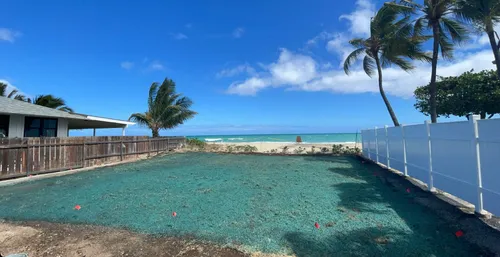
Aloha Hydroseed is a lawn care company based in Honolulu, HI, specializing in hydroseeding as a cost-effective alternative to sod installation. They provide services including lawn fertilization, weed control, yard drainage, grading, sprinkler installation and repair, irrigation, land clearing, and brush removal. Their hydroseeding process involves thorough site preparation, irrigation setup, and fertilizing to promote healthy grass growth, with expertise in various grass types such as Eltoro Zoysia, St Augustine, Bermuda, and Seashore Pestpalm. The company emphasizes proper watering and weed management to ensure successful lawn establishment.
Hawaiian Turfgrass
94-840 Lanikuhana Ave, Mililani, HI 96789
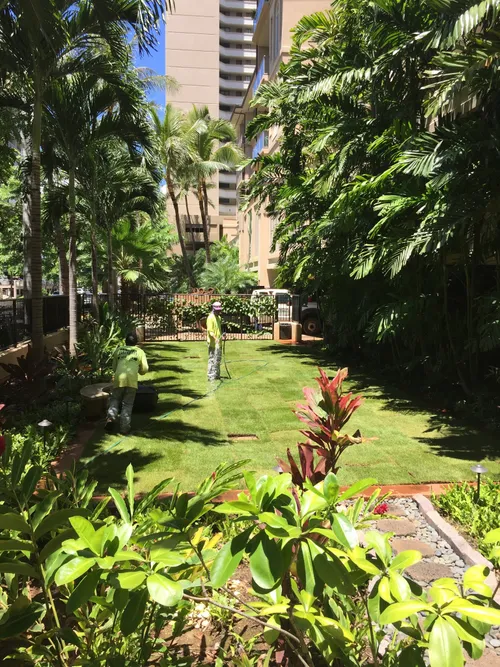
Hawaiian Turfgrass is a local provider based in Mililani, serving Honolulu, HI, and the surrounding islands. They specialize in sod installation, artificial turf, sprinkler installation, and irrigation services for home lawns, sports fields, and golf courses. Their offerings include site preparation, dependable delivery, and expert installation, featuring grass varieties like Captiva® St. Augustine and El Toro Zoysia known for shade tolerance and drought resistance. Hawaiian Turfgrass supports online ordering 24/7 and delivers throughout O'ahu and the outer islands.
Oahu irrigation & design LLC
240 Makee Rd, Honolulu, HI 96815
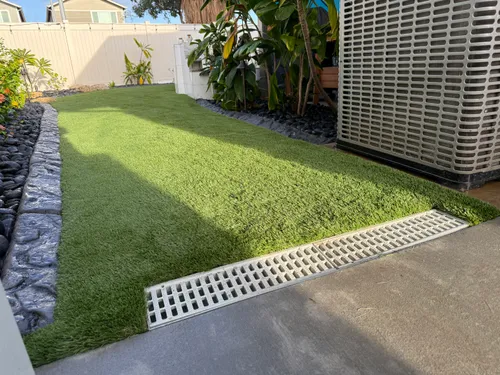
Oahu irrigation & design LLC is a landscaping and irrigation company based in Honolulu, HI. They offer a range of services including lawn fertilization, weed control, landscape design, tree removal, stump grinding, sprinkler installation and repair, as well as hardscaping such as pavers and retaining walls. The company focuses on tailored project needs and uses safe organic sprays for turf management. Since opening, they have emphasized efficient work and clear communication with clients.
Landscape Builders Hawaii
Honolulu, HI
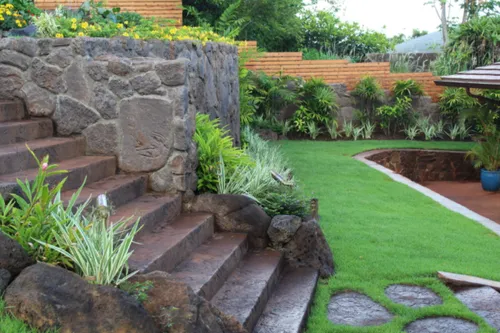
Landscape Builders Hawaii is a landscaping and hardscaping contractor based in Honolulu, HI. They offer a range of services including landscape design and installation, concrete driveway and patio construction, as well as wall and fence installation using various materials. The company also addresses yard drainage and erosion issues by creating functional outdoor spaces that enhance both residential and commercial properties. With years of experience, they guide clients from design through installation to achieve tailored outdoor living areas that complement the natural beauty of Hawaii.
Yard Man Hawaii LLC
Honolulu, HI
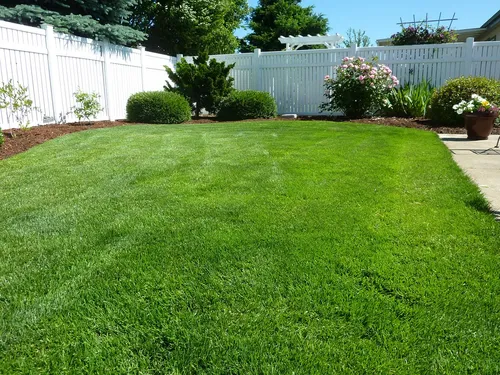
Yard Man Hawaii LLC offers yard cleanup, sod installation, and sprinkler system services in Honolulu, HI. They use quality sod from Southern Turf Hawaii and focus on proper installation to support healthy grass growth. The company emphasizes honest service and works closely with customers to ensure satisfactory results.
Understanding Automated Watering Systems
At its core, a modern landscape irrigation system is a network designed to deliver water automatically and efficiently. It starts with your main water supply, which connects to a critical safety device called a backflow preventer. This device ensures that water from your sprinkler lines cannot flow backward and contaminate your home's drinking water. From there, water is directed through a series of underground pipes controlled by electric zone valves. These valves are the traffic directors of your system, opening and closing to send water to specific areas, or "zones," as commanded by a central controller or timer 1.
The true intelligence of a contemporary system lies in its smart controller. Unlike old mechanical timers, these digital hubs can adjust watering schedules based on real-time weather data, soil moisture levels, and even plant type. When integrated with a rain sensor, the system will automatically skip a scheduled cycle if sufficient rainfall has occurred, a particularly valuable feature during Hawaii's frequent showers. This level of automation not only saves water but also ensures your landscape is cared for consistently, even when you're away.
Key Components for East Honolulu Landscapes
A successful irrigation plan for East Honolulu involves selecting the right components for each part of your yard. The distribution method-how water is delivered to the plants-varies significantly based on the landscape area.
- Pop-up Spray Heads: These are the most common choice for smaller, defined lawn areas. They retract flush with the ground when not in use and pop up to spray a fan of water, typically covering a radius of 3 to 15 feet 2. They are ideal for the manicured turf common in many local residential gardens.
- Rotary Nozzles and Rotors: For larger, open lawn spaces, rotary systems are more efficient. They use a single, rotating stream or multiple streams to cover a much wider area-up to 50 feet in some cases. The slower application rate of rotary heads allows water to soak into the soil better, reducing runoff and waste, which is crucial on sloped properties.
- Drip Irrigation: This is the gold standard for garden beds, shrubs, trees, and vegetable plots. Drip systems use a network of tubing with small emitters that deliver water slowly and directly to the root zone of each plant 3. This method minimizes evaporation, prevents weed growth in unplanted areas, and is exceptionally water-efficient, making it perfect for East Honolulu's ornamental gardens and edible landscapes.
A fundamental principle of good system design is zone separation. Your turf grass, which has shallow roots and needs frequent, light watering, should be on separate valves from your deep-rooted shrubs and trees, which benefit from less frequent, longer soakings 4 5. Creating distinct zones allows the system to apply the perfect amount of water for each plant type, promoting health and preventing overwatering.
Designing an Efficient Watering Schedule
An automated system is only as good as its schedule. In East Honolulu's climate, watering needs fluctuate throughout the year. During the peak summer months of June and July, high-efficiency rotary nozzles may need to run for 30-45 minutes per zone to deliver adequate moisture, while traditional spray heads might require 20-30 minutes. In the shoulder seasons, these times can often be reduced to 15-25 minutes per zone.
The timing of your watering cycles is equally important. The best practice, supported by local professionals, is to water in the early morning, just before sunrise 6. This timing takes advantage of cooler temperatures and calmer winds, which drastically reduces water loss from evaporation. It also allows grass blades and plant leaves to dry quickly once the sun comes up, helping to prevent fungal diseases that thrive in prolonged moisture.
Find the perfect sprinkler & irrigation companies for your needs
Get personalized recommendations and expert advice
Installation and Investment Considerations
Investing in a professional in-ground irrigation system involves upfront costs that vary based on the size of your property, the complexity of the design, and the components selected. For a basic in-ground spray system in East Honolulu, installation typically ranges from $2,500 to $6,500 7 8. For properties better suited to a more efficient rotary head system, the investment might range from $3,000 to $7,500 or more 8. For dedicated garden bed areas, installing a drip irrigation system is generally less costly, often between $450 and $2,000, depending on the scale 8.
It's important to view this investment through the lens of long-term value and savings. Upgrading to a smart controller that adjusts for weather can lead to significant reductions in water usage. In fact, the savings on your water bill can often pay for the cost of the smart technology within 18 to 36 months. Furthermore, using high-efficiency nozzles from the start provides more uniform coverage and reduces water waste, protecting your investment in your landscape.
Maintenance and Professional Repair
Like any mechanical system, an irrigation setup requires periodic check-ups to perform at its best. In East Honolulu's lush, high-growth environment, sprinkler heads can become clogged or misaligned by grass and roots. Valves can wear out, and pipes can develop leaks. Regular maintenance, including cleaning filters, checking for leaks, and adjusting spray patterns, is recommended to keep everything running smoothly.
When issues arise-such as a zone that won't turn on, a geyser from a broken head, or a controller malfunction-seeking professional repair is advised. Repair costs depend entirely on the complexity of the problem, whether it's a simple head replacement or a more involved valve repair. Local landscaping professionals familiar with Hawaii's soil conditions and common system issues can provide efficient and lasting solutions, ensuring your system continues to protect your landscape investment for years to come.
Frequently asked questions
Sources
Footnotes
-
How to Install an In-Ground Sprinkler System - This Old House - https://www.thisoldhouse.com/landscaping/21016605/how-to-install-in-ground-sprinklers ↩
-
Healthy Lawns-Irrigation system: Design - https://ipm.ucanr.edu/TOOLS/TURF/SITEPREP/irrdes.html ↩
-
Irrigation Services - He-Man Landscaping - https://hemanservices.com/irrigation-services/ ↩
-
Types of Lawn Irrigation Systems: 3 Best for 2025 - https://mcleodlandscaping.com/types-of-lawn-irrigation-systems/ ↩
-
Sprinkler Systems, Irrigation Systems | Mililani, Honolulu, Kailua, HI - https://www.takenakalandscaping.net/services/sprinklers-and-irrigation ↩
-
Sprinkler Installation and Repair, Oahu, Hawaii - https://www.greengrasshawaii.com/sprinklers.html ↩
-
Irrigation Systems in Hawaii | Oceanic Landscaping - https://oceaniclandscaping.com/irrigation-systems-hawaii/ ↩
-
TOP 10 BEST Irrigation Installation in Honolulu, HI - Yelp - https://m.yelp.com/search?find_desc=Irrigation+Installation&find_loc=Honolulu%2C+HI ↩ ↩2 ↩3