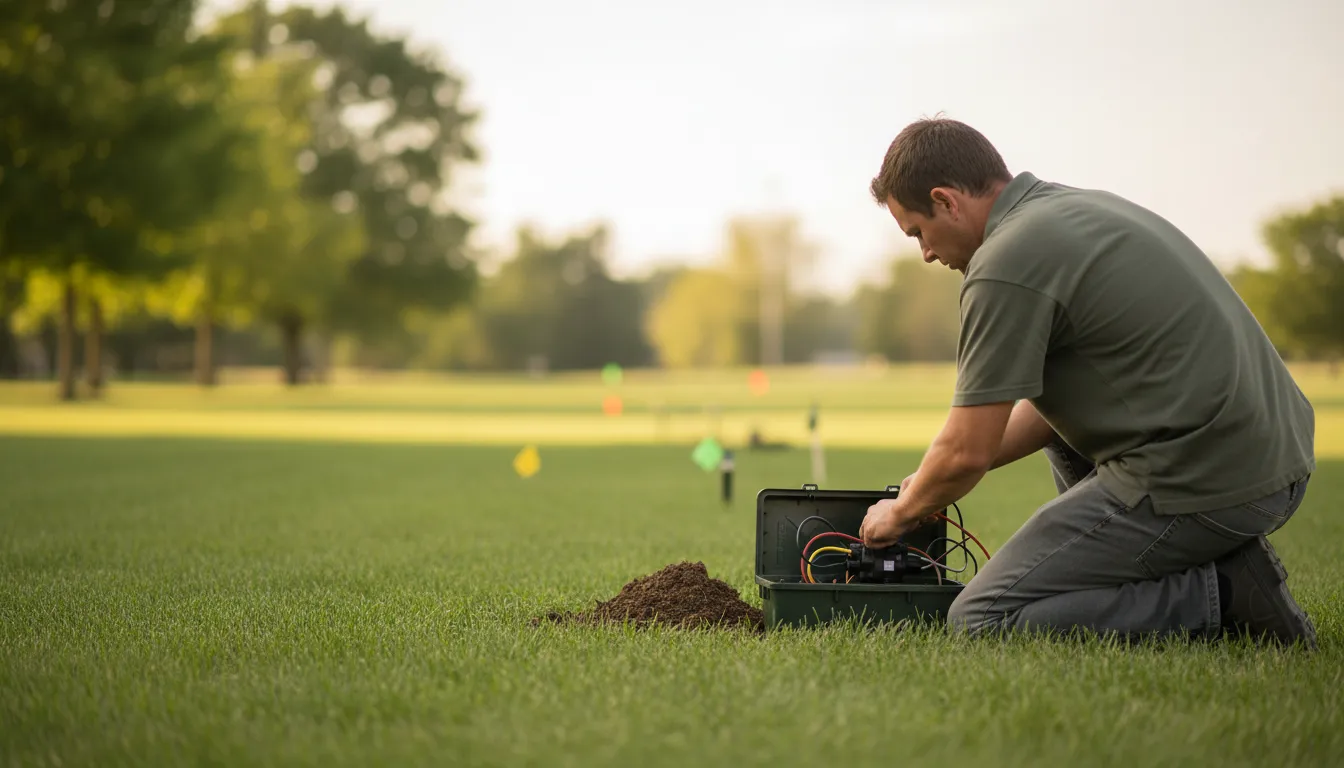
Find the Best Sprinkler & Irrigation Companies for Your Business
No obligation • Fast responses • Nationwide coverage

Why you can trust Landscape Atlas
Landscape Atlas is a leading United States resource for evaluating landscaping, lawn care, and outdoor service providers. Our team researches each category in depth, focusing on service quality, safety, and customer experience. Listings and rankings are based on independent criteria and user feedback, and companies cannot pay to influence our assessments or recommendations.
Search providers near you
Best Sprinkler & Irrigation Companies in Massachusetts Ranked
A well-designed sprinkler and irrigation system is a practical investment for any Massachusetts homeowner, ensuring your lawn and garden receive the right amount of water at the right time. This not only promotes a healthier, more resilient landscape but also conserves a vital resource and saves you significant time and effort. Understanding the types of systems available, the installation process, and the specific regulations in the Bay State is key to making an informed decision. This guide will help you navigate your options and connect with qualified local professionals to design and install a system tailored to your property's needs.
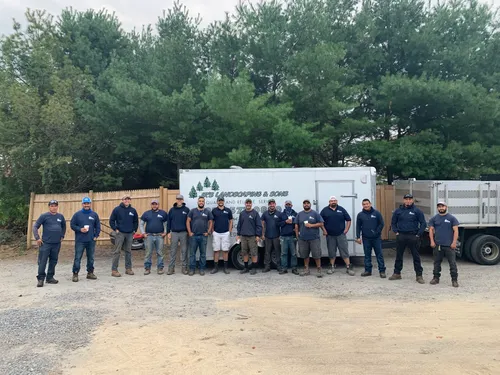
JR's Landscaping & Sons LLC
3 Sorelle Pl, Burlington, MA 01803
JR's Landscaping & Sons LLC is a full-service landscaping company serving Boston, MA, and Middlesex County. They provide a wide range of services including lawn mowing, lawn fertilization, weed control, sod installation, fence installation, landscape lighting, sprinkler installation and repair, hardscaping with patios and retaining walls, and custom landscape design. With over 20 years of experience since 1997, they offer year-round solutions tailored to maintain and enhance outdoor spaces for both residential and commercial properties. Their capabilities include expert hardscape installations such as stone walkways, patios, and retaining walls designed for New England weather conditions.
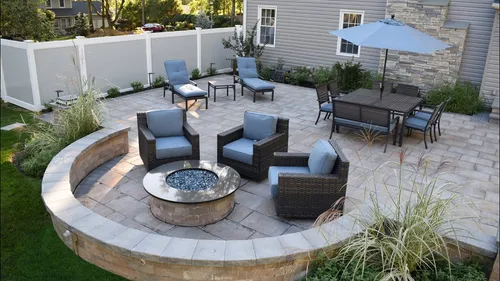
The Pros Inc. - Landscape Design & Build
29 Hanover St, Lynn, MA 01902
The Pros Inc. - Landscape Design & Build is a landscaping and outdoor living company serving Boston, MA, and surrounding areas. With over 20 years of experience, they offer a wide range of services including landscape design, lawn care, sod installation, fence installation, hardscaping, outdoor lighting, irrigation, water features, pool and spa construction, decks, pergolas, driveways, and seasonal maintenance. Their expertise includes custom pool building with options like fiberglass and gunite concrete pools, as well as comprehensive irrigation systems designed for efficient watering. The company also provides snow and ice management services during winter months.
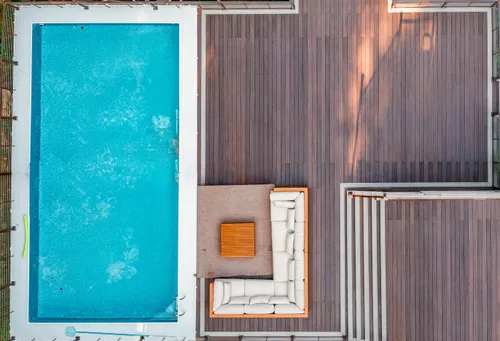
Amazing Garden & Construction
75 2nd Ave #605, Needham, MA 02494
Amazing Garden & Construction is a landscaping and construction company based in Boston, MA, serving multiple locations across Massachusetts, Florida, Rhode Island, and New Hampshire. They offer a wide range of services including custom landscape design, installation of outdoor patios, stone walls, fire pits, outdoor kitchens, decks, fences, pergolas, landscape lighting, swimming pools, synthetic turf, sod, and irrigation systems. Their expertise includes hardscaping with pavers and retaining walls, as well as sprinkler installation and repair. The company focuses on creating durable and easy-to-maintain outdoor spaces that reflect each client's unique vision.
Conserva Irrigation of Southwest Boston
Boston, MA
Conserva Irrigation of Southwest Boston provides residential and commercial irrigation services in Boston, MA, and surrounding areas. They specialize in eco-friendly sprinkler system installation, repair, and maintenance, focusing on water conservation through smart irrigation technology and sustainable practices. Their services include system inspections, drip irrigation installation, grading for proper drainage, and seasonal maintenance to keep landscapes healthy year-round. Conserva Irrigation partners with leading brands like Toro and Hunter to offer advanced irrigation solutions and has built a reputation for knowledgeable and thorough service. They serve a wide range of nearby communities and emphasize water-saving technologies in their work.
Premier Pavers & Hardscape Co
10 Lewis St #4, Lincoln, MA 01773
Premier Pavers & Hardscape Co is a landscaping and hardscaping contractor based in Boston, MA. They specialize in designing and building outdoor spaces such as patios, paver driveways, retaining walls, walkways, outdoor lighting, irrigation systems, and snow melt systems. With over 20 years of experience, they focus on creating durable and stylish landscapes that withstand New England's seasonal challenges. Their services include advanced drainage solutions to prevent pooling and ice buildup, ensuring functional and lasting outdoor environments.
Understanding Your Irrigation System Options
Choosing the right type of irrigation system depends on your landscape, budget, and water conservation goals. The primary systems used in Massachusetts residential properties are in-ground sprinklers, drip irrigation, and above-ground setups.
In-Ground Sprinkler Systems This is the most common and comprehensive solution for watering lawns. Pop-up spray heads or rotating rotor heads deliver water across turf areas efficiently. The system is buried underground, preserving your landscape's aesthetics and protecting components from damage. A key advantage is zoning, which allows different areas (like sunny lawns versus shaded gardens) to be watered on separate schedules based on their specific needs. Installation is more involved, but the result is an automated, high-performance system.
Drip Irrigation Systems For gardens, flower beds, shrubs, and vegetable plots, drip irrigation is the gold standard for efficiency. This method delivers water slowly and directly to the root zone of plants through a network of tubes and emitters. It minimizes evaporation and runoff, ensuring water goes exactly where it's needed. Drip systems are excellent for conserving water and are often used in conjunction with in-ground sprinklers for a complete landscape watering solution.
Above-Ground Systems These are typically temporary or portable systems that connect to an outdoor spigot. While they have a lower upfront cost and are simpler to set up, they are less durable, can be tripping hazards, and require manual setup and takedown. They are generally not considered a permanent or value-adding solution for most Massachusetts properties.
The Professional Installation Process
A proper irrigation installation is a multi-step project best handled by experienced professionals. Here's what you can expect from a typical installation process in Massachusetts:
-
Site Assessment & Planning: A professional will start by evaluating your property's water pressure (PSI) and flow rate (GPM), which determines system capacity. They will create a detailed map of your landscape, noting slopes, sun exposure, plant types, and soil conditions. A critical first step is calling 811 to have all underground utility lines marked before any digging begins.
-
Trenching: Trenches are dug for the mainline and lateral pipes that will carry water throughout your yard. In many parts of Massachusetts, soil can be rocky or dense, which can increase the labor and time required for this phase.
-
Component Installation: PVC or polyethylene pipes are laid in the trenches. Sprinkler heads are set at grade level in designated zones, and drip lines are placed in planting beds. The valve manifold (which controls each zone) and the system controller (the "brain" of the operation) are installed in accessible locations.
-
Critical Plumbing & Wiring: The system is connected to your home's main water supply. By Massachusetts law, a backflow prevention device must be installed to ensure contaminated water cannot flow back into your home's drinking water. Electrical wiring is run from the controller to each automatic valve.
-
System Testing & Adjustments: Once assembled, the entire system is pressurized and tested. Each zone is activated to check for leaks, proper head operation, and coverage. The arc and distance of spray heads are fine-tuned to avoid watering driveways or sidewalks. Finally, the controller is programmed with initial watering schedules based on your landscape's needs 1.
Find the perfect sprinkler & irrigation companies for your needs
Get personalized recommendations and expert advice
Massachusetts Regulations and Compliance
Massachusetts has specific regulations designed to promote water conservation and safety. Compliance is not optional and is a hallmark of a professional installation.
- Rain Sensors or Smart Controllers: State law requires that all automatic irrigation systems must be equipped with either a rain sensor or a smart (weather-based) controller. These devices automatically suspend watering during or after sufficient rainfall, preventing wasteful overwatering.
- Backflow Prevention: A certified backflow preventer is mandatory to protect the public water supply. This device must be installed according to code and may require periodic testing 2.
- Professional Inspection: Rain shut-off devices (rain sensors) must be inspected by a licensed professional at least once every three years to ensure they are functioning correctly 3.
- Local Bylaws: Some municipalities have additional restrictions. For example, the Town of Concord has its own irrigation bylaw that may limit watering days or times. Always check with your local water department for any town-specific rules 4.
Cost Considerations for Installation and Maintenance
Understanding the investment involved helps in planning your project. Costs in Massachusetts vary based on property size, system complexity, and soil conditions.
Installation Costs:
- In-Ground Sprinkler System: For a typical residential property, you can expect a range from $2,000 to $8,000 or more. The single biggest cost factor is the number of zones required; each additional zone can add $500 to $1,000+ to the total 5 6.
- Drip Irrigation System: Installing a drip system for gardens and beds is generally less expensive, ranging from $450 to $2,500+, depending on the area's size and plant density 7 8.
Ongoing Maintenance & Repair Costs: An irrigation system requires seasonal care and occasional repairs to stay in top condition.
- Spring Startup & Winterization: Essential annual services to activate the system in spring and blow out water lines in fall to prevent freeze damage typically cost between $150 and $300 per service.
- Repairs: Common issues like a broken sprinkler head, a stuck valve, or controller malfunction can range from $100 to $500+ per repair incident. Major pipe breaks or line replacements will be more costly 9 10.
Key Benefits of a Professional System
Beyond convenience, a professionally installed and maintained irrigation system offers tangible benefits:
- Water Conservation: Efficient zoning, proper head placement, and smart controllers prevent overwatering and runoff, which is both environmentally responsible and can lower your water bill.
- Healthier Landscape: Consistent, deep watering encourages stronger root growth, leading to a lusher, more drought-tolerant lawn and healthier plants.
- Property Value: A well-maintained, automated irrigation system is seen as a valuable upgrade that can enhance your home's curb appeal and marketability 11.
- Time Savings: Automating your watering schedule frees up your weekends and ensures your landscape is cared for even when you're away.
Frequently asked questions
Sources
Footnotes
-
Tips for Installing Sprinkler System: 10 Powerful Proven Steps 2025 - https://bestinirrigation.com/tips-for-installing-sprinkler-system/ ↩
-
Rules and Regulations for Underground Lawn Watering Systems - https://www.actonwater.com/conservation/irrigation-regulations ↩
-
draft landscape irrigation system regulations - Mass.gov - https://www.mass.gov/doc/draft-irrigation-interruption-device-regulations/download ↩
-
Irrigation Systems in Concord, MA - https://concordma.gov/338/Irrigation-Bylaw ↩
-
2024 Guide: Average Cost to Install Irrigation System - https://pjpappas.com/average-cost-to-install-irrigation-system/ ↩
-
Average price to install sprinkler system: Best Costs 2025 - https://bestinirrigation.com/average-price-to-install-sprinkler-system/ ↩
-
Cost to Install Irrigation System 2025: Smart Budget - https://bostonlandscapeco.com/cost-to-install-irrigation-system/ ↩
-
Best Irrigation System Installation Cost 2025: Smart Guide - https://bostonlandscapeco.com/irrigation-system-installation-cost/ ↩
-
Professional Sprinkler System Installation: 7 Top Benefits 2025 - https://randalllandscaping.com/professional-sprinkler-system-installation/ ↩
-
Garden sprinkler installation: Best 5 Easy Steps Guide - https://randalllandscaping.com/garden-sprinkler-installation/ ↩
-
2023 Guide: Average Lawn Sprinkler System Costs Unveiled - https://pjpappas.com/average-lawn-sprinkler-system-cost/ ↩