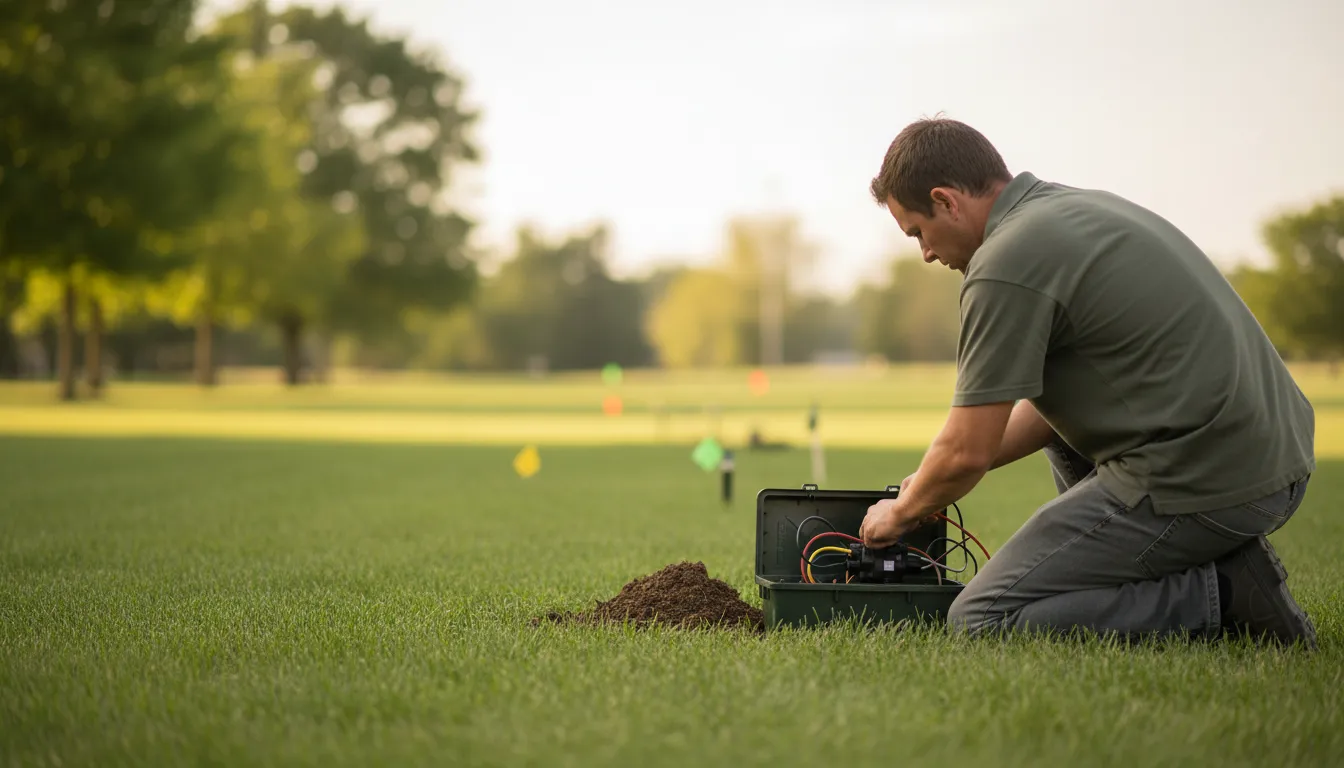
Find the Best Sprinkler & Irrigation Companies for Your Business
No obligation • Fast responses • Nationwide coverage

Why you can trust Landscape Atlas
Landscape Atlas is a leading United States resource for evaluating landscaping, lawn care, and outdoor service providers. Our team researches each category in depth, focusing on service quality, safety, and customer experience. Listings and rankings are based on independent criteria and user feedback, and companies cannot pay to influence our assessments or recommendations.
Search providers near you
Best Sprinkler & Irrigation Companies in Maryland Ranked
A well-designed sprinkler or irrigation system is a practical investment for any Maryland property, ensuring your lawn and garden receive consistent, efficient watering. These systems save time, conserve water, and protect your landscape investment by delivering the right amount of moisture exactly where it's needed. This guide explains the options, process, and local considerations for installing and maintaining an irrigation system in Maryland, helping you connect with qualified professionals for your project.
Exceptional Landscape & Irrigation LLC
Baltimore, MD
Exceptional Landscape & Irrigation LLC is a family-owned company based in Baltimore, MD, specializing in landscape lighting and automatic irrigation installation. They serve residential and commercial clients across Baltimore and surrounding Maryland counties, including Anne Arundel, Howard, Carroll, Hartford, Montgomery, and Prince George's, as well as parts of the Eastern Shore. Their services include customized lawn sprinkler systems using Hunter Industries products, irrigation repair, winterization, start-up services, yard drainage, and low voltage LED landscape lighting for decks, steps, gardens, and patios. With over 25 years of industry experience, the company emphasizes efficient watering systems that adjust automatically to weather conditions to reduce water waste.
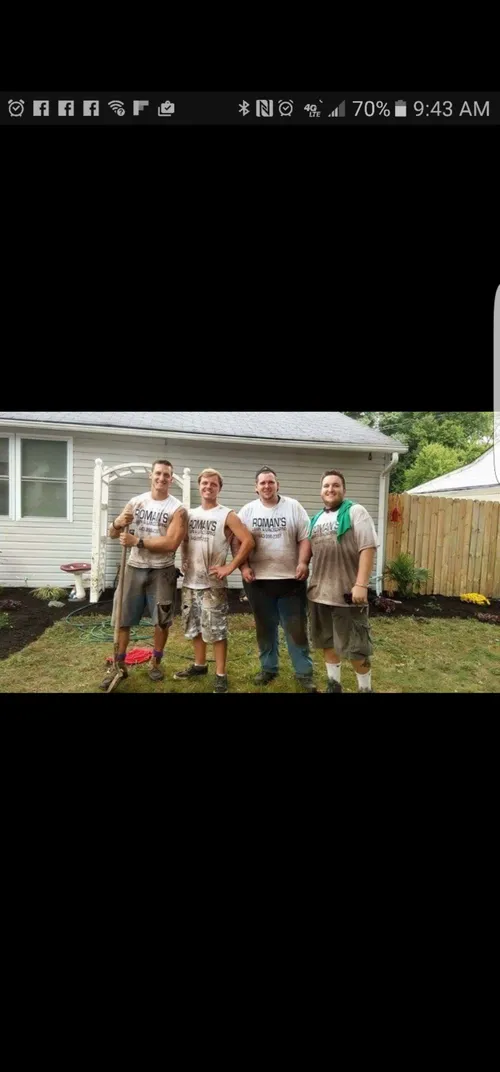
Roman’s Landscaping
8622 Quentin Ave, Parkville, MD 21234
Roman's Landscaping is a family-owned and operated lawn care and landscaping company serving Baltimore, MD. Established in 1986, they offer a wide range of services including lawn mowing, fertilization, weed control, sod installation, fence and deck construction, landscape lighting, tree removal, yard drainage, sprinkler systems, hardscaping, and more. Their team works seven days a week and provides 24/7 phone availability to assist customers. Roman's Landscaping emphasizes working closely with homeowners to create tailored plans and guarantees their work.
Aquarius Supply
8227 Cloverleaf Dr #308, Millersville, MD 21108
Aquarius Supply is a landscape and irrigation supply company serving Baltimore, MD, and the broader Northeast and Mid-Atlantic regions. They provide a wide range of products for sod installation, artificial turf, landscape lighting, yard drainage, sprinkler systems, and hardscaping. With over 50 years of experience, Aquarius Supply supports both professional contractors and home gardeners with an extensive inventory and specialized knowledge. Their capabilities include supplying professional-grade materials for irrigation and outdoor lighting projects, backed by a network of warehouses and expert staff.
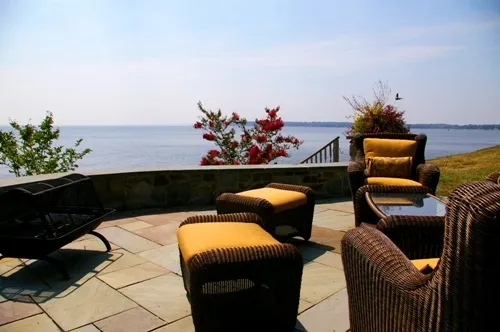
LandArt Associates, LLC.
1102 Whistler Ave, Baltimore, MD 21223
LandArt Associates, LLC. is a design/build firm based in Baltimore, MD, serving the Baltimore Washington Metro area with extended services to Maryland's Eastern Shore, Delaware, and Southern Pennsylvania. They offer a comprehensive range of residential and commercial landscaping and hardscaping services, including patios, walkways, driveways, landscape design, irrigation, retaining walls, decks, fences, and water features. With over 25 years of construction and remodeling experience, LandArt manages projects from concept through completion, integrating hardscape, landscape, structure, and water elements into cohesive designs.
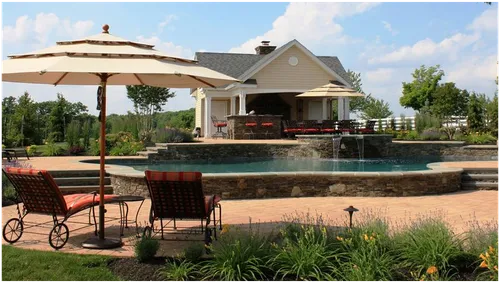
Terra Nova Design Inc.
2151 Priest Bridge Dr suite 37, Crofton, MD 21114
Terra Nova Design Inc. is a Baltimore, MD-based company specializing in landscape lighting installation and irrigation services. They provide custom outdoor lighting solutions and sprinkler system installation and repair to enhance and maintain the health and appearance of landscapes. Terra Nova Design works closely with clients to deliver tailored irrigation systems that support landscape vitality. The company also engages with community organizations across the mid-Atlantic region.
Understanding Your Irrigation System Options
Choosing the right type of system is the first step toward a healthier, more manageable landscape. The primary choice is between in-ground and above-ground setups, each with distinct advantages.
In-Ground Sprinkler Systems This is the most popular and durable choice for residential properties. Components are installed underground, with only the sprinkler heads visible at the surface. These systems are built to last, often functioning well for 10 to 20 years or more with proper care. They typically use spray heads for broad lawn coverage or rotor heads for larger areas. For garden beds, shrubs, and vegetable plots, drip irrigation lines can be integrated or installed separately; this method applies water slowly and directly to the root zone, minimizing evaporation and runoff for superior efficiency.
Above-Ground Systems These are a more temporary and budget-friendly solution, often costing between $100 and $500 for a basic setup 1. They consist of hoses and movable sprinklers that are connected to an outdoor spigot. While inexpensive and easy to set up, they are less durable (lasting 2-5 years), can be tripping hazards, require manual movement for even coverage, and must be fully drained and stored before winter to prevent freeze damage 1.
The Professional Installation Process: What to Expect
A professional installation ensures your system is efficient, compliant with local codes, and built to last. The process typically follows these key steps and takes 1 to 3 days, depending on your property's size and soil conditions.
- Design & Permits: A certified technician will assess your yard's topography, sun exposure, soil type, and water pressure. They then create a zone-based design, grouping plants with similar water needs together. In Maryland, most localities require a permit for installing an in-ground irrigation system, which your professional will usually handle.
- Utility Marking: Before any digging begins, a call must be made to have all public underground utilities (gas, electric, cable) marked. This is a critical safety and legal step.
- Trenching & Piping: Using specialized equipment, shallow trenches are dug along the planned routes. PVC or polyethylene piping is then laid and connected to form the network that will carry water from the source to each zone.
- Valve & Head Installation: Control valves, which act as faucets for each zone, are installed in valve boxes. Sprinkler heads are positioned at the correct height and angle in each zone. A critical safety device, a backflow preventer, is installed to ensure contaminated water cannot flow back into your home's drinking water supply.
- Controller & Sensor Setup: A controller (often a "smart" Wi-Fi enabled model) is mounted in your garage or basement. It is programmed with watering schedules based on your landscape's needs. Professionals may also install rain or soil moisture sensors to automatically skip watering cycles during wet weather 2.
- Testing & Finalization: The entire system is pressurized and tested. Each zone is activated to check for proper coverage, adjust spray patterns, and identify any leaks. Once testing is complete, the trenches are carefully backfilled and the turf is restored.
Cost Factors for Irrigation in Maryland
The total investment for a new in-ground sprinkler system in Maryland varies widely based on several factors. For an average residential yard, homeowners can expect a total installation cost ranging from $2,000 to over $7,000 3. A more precise estimate is often calculated by the zone or square foot.
- Per-Zone Cost: Installation typically costs between $550 and $1,000 per zone 4. A standard quarter-acre lot often requires 4 to 6 zones, placing the total project in the $2,200 to $6,000+ range.
- Per-Square-Foot Cost: You may also see estimates of $0.30 to $1.00 per square foot of irrigated area 5.
- Key Cost Drivers:
- Property Size & Complexity: Larger yards with more planting beds require more piping, heads, and zones.
- Soil Conditions: Rocky or heavy clay soil is more difficult and time-consuming to trench, increasing labor costs.
- System Components: The choice between standard spray heads vs. rotors, adding drip irrigation zones, and opting for a smart controller with weather sensors will affect the price.
- Local Permit Fees: Costs for required permits vary by Maryland county and municipality.
Find the perfect sprinkler & irrigation companies for your needs
Get personalized recommendations and expert advice
Ongoing Maintenance & Seasonal Services
To protect your investment and ensure peak performance, regular maintenance is essential. Maryland's climate necessitates two key seasonal services.
- Spring Start-Up: This service involves pressurizing the system, inspecting for winter damage, cleaning filters, adjusting heads, and programming the controller for the growing season. The average cost in Maryland is between $100 and $200.
- Winterization (Blow-Out): This is a critical fall service to prevent costly freeze damage. Using compressed air, a professional removes all water from the pipes, valves, and heads. The average cost for winterization in Maryland ranges from $75 to $150 6.
- Repairs: Common issues like broken heads, leaky valves, or wiring problems typically cost $90 to $200 per service visit to diagnose and fix 7.
Maryland Watering Rules and Efficiency
Water conservation is important, and Maryland's watering regulations are designed to promote efficient use. Rules are not statewide; they are set by your local county or municipal water authority and can change based on drought conditions 8 9.
Common regulations include restrictions on watering days (e.g., odd/even street addresses) and specific times (e.g., before 10 AM or after 6 PM). It is your responsibility to check with your provider, such as the Washington Suburban Sanitary Commission (WSSC) or your county's Department of Public Works, for current rules. A professional installer will design your system to be efficient, but programming your controller to follow local ordinances is key.
Benefits of a Professionally Installed System
Beyond convenience, a properly installed irrigation system offers tangible benefits:
- Water Conservation: Zoned systems and smart controllers apply water only where and when it's needed, reducing waste by 30-50% compared to manual watering 10.
- Increased Property Value: A healthy, lush landscape enhances curb appeal and is seen as a valuable upgrade by potential buyers.
- Plant Health: Consistent, deep watering encourages stronger root growth and reduces plant stress from drought.
- Time Savings: Automating your watering schedule reclaims weekends and ensures your landscape is cared for even when you're away.
Frequently asked questions
Sources
Footnotes
-
Best Irrigation Systems for Maryland Gardens - Pro Landscapes MD - https://prolandscapesmd.com/best-irrigation-systems-for-maryland-gardens/ ↩ ↩2
-
Irrigation System Installation | Chesapeake Irrigation & Lighting - https://www.chesapeakeirrigation.com/irrigation/irrigation-system-installation/ ↩
-
Sprinkler Installation - Maryland Decking - https://marylanddecking.com/sprinkler-installation ↩
-
How Much Does a Sprinkler System Cost in 2026? - LawnStarter - https://www.lawnstarter.com/blog/cost/sprinkler-system-price/ ↩
-
How Much Does It Cost to Install an In-Ground Sprinkler System? - https://www.dripworks.com/blog/how-much-does-it-cost-to-install-an-inground-sprinkler-system ↩
-
Average Annual Sprinkler Maintenance Costs for Maryland Yards - https://www.tlcincorporated.com/average-annual-sprinkler-maintenance-costs-for-maryland-yards/ ↩
-
Guide to Buying and Installing a Sprinkler System - Realtor - https://lookforther.realtor/improve/guide-to-buying-and-installing-a-sprinkler-system/ ↩
-
Sprinkler System Installation - Hometown Landscape - https://hometownlandscape.com/sprinkler-system-installation/ ↩
-
Irrigation System Installation: What to Know Before You Begin - https://www.aquabrightllc.com/irrigation-system-installation-know-begin/ ↩
-
Professional Sprinkler System Installation: 7 Top Benefits 2025 - https://randalllandscaping.com/professional-sprinkler-system-installation/ ↩