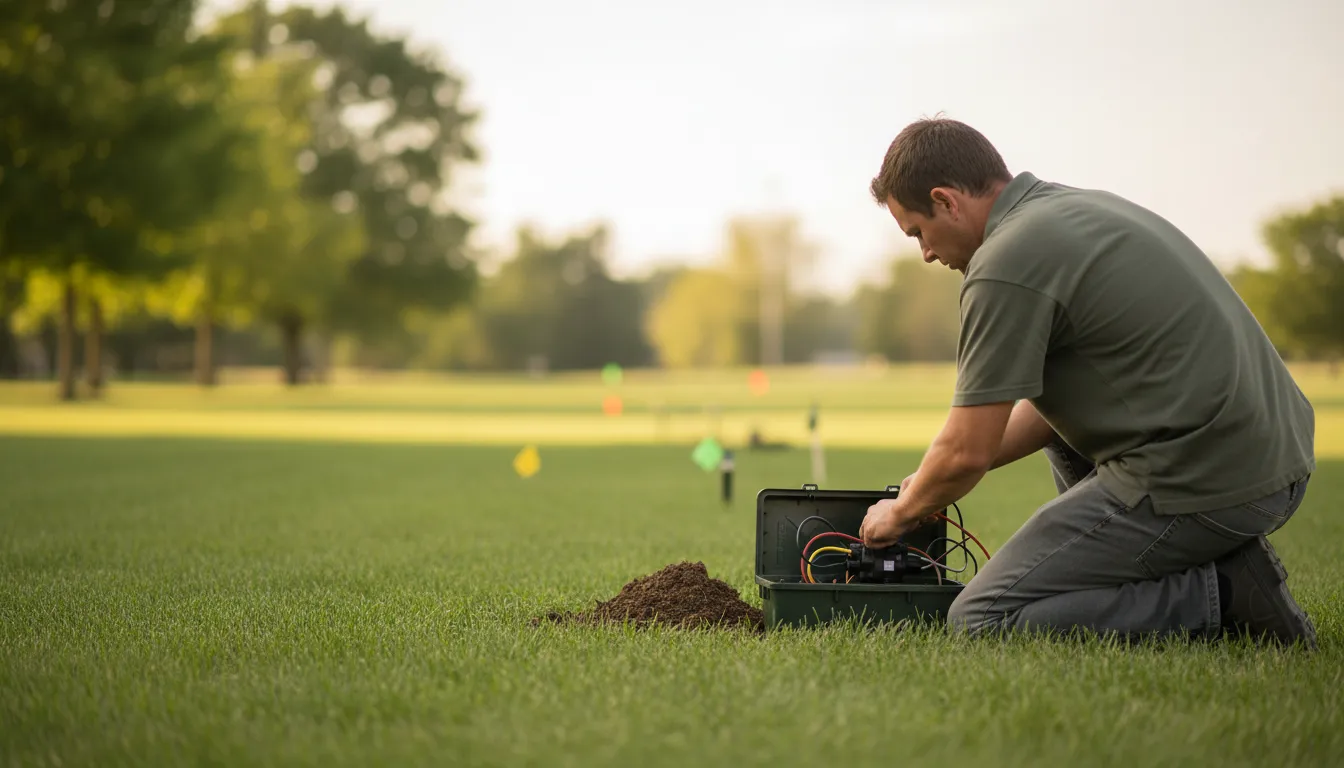
Find the Best Sprinkler & Irrigation Companies for Your Business
No obligation • Fast responses • Nationwide coverage

Why you can trust Landscape Atlas
Landscape Atlas is a leading United States resource for evaluating landscaping, lawn care, and outdoor service providers. Our team researches each category in depth, focusing on service quality, safety, and customer experience. Listings and rankings are based on independent criteria and user feedback, and companies cannot pay to influence our assessments or recommendations.
Search providers near you
Best Sprinkler & Irrigation Companies in New Jersey Ranked
A well-designed sprinkler and irrigation system is a cornerstone of a healthy, vibrant New Jersey landscape. It ensures your lawn, garden, and plantings receive the precise amount of water they need, conserving a vital resource while saving you time and effort. This guide provides a detailed overview of irrigation systems, from installation and components to local regulations and maintenance, helping you connect with the expertise needed for a thriving outdoor space.
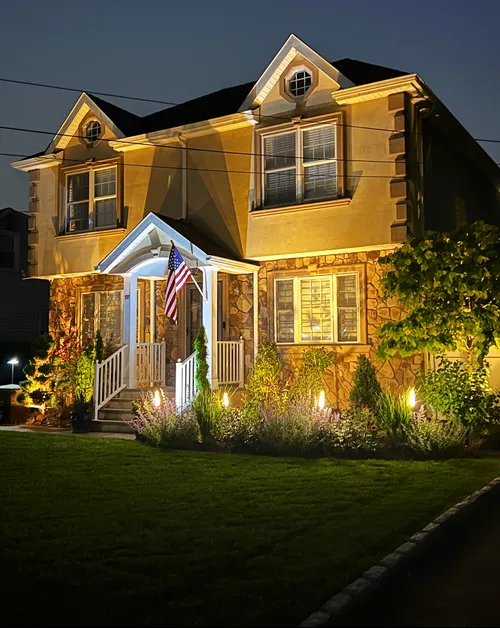
Green Acres Landscape Construction
Newark, NJ
Green Acres Landscape Construction has been providing landscaping design, irrigation, and construction services in Newark, NJ, and throughout New Jersey for over 15 years. They offer a wide range of services including lawn maintenance, sod installation, fence construction, drainage solutions, hardscape lighting, and outdoor kitchen installations. The company handles both residential and commercial properties with a focus on treating each property with care and respect. Their capabilities include brick paver installation and comprehensive landscape design and maintenance.
Vuksani Service Group
22-43 27th St, Astoria, NY 11105
Vuksani Service Group provides plumbing, heating, sprinkler, cooling, and electrical services in Jersey City, NJ, and the surrounding New York boroughs including Manhattan, Brooklyn, Bronx, and Queens. Their services include sprinkler installation and repair, along with a range of home service solutions such as plumbing installations, heater repairs, and electrical troubleshooting. The company emphasizes straightforward pricing and employs expert technicians trained in the latest technologies. They offer 24/7 availability for emergency indoor comfort issues and same-day service to address urgent needs.
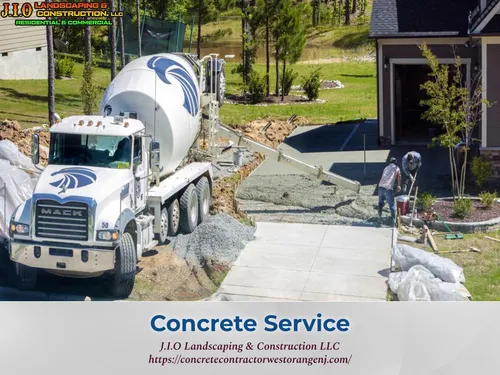
J.I.O Landscaping & Construction LLC
Newark, NJ
J.I.O Landscaping & Construction LLC is a construction and landscaping company based in Newark, NJ. With 15 years of experience, they offer a wide range of services including tree removal, stump grinding, yard drainage, grading, sprinkler installation and repair, as well as hardscaping projects like retaining walls and pavers. Their capabilities extend to excavation, concrete work, and driveway sealing, serving both residential and commercial clients in the New Jersey area.
Pacific Lawn Sprinklers
Jersey City, NJ
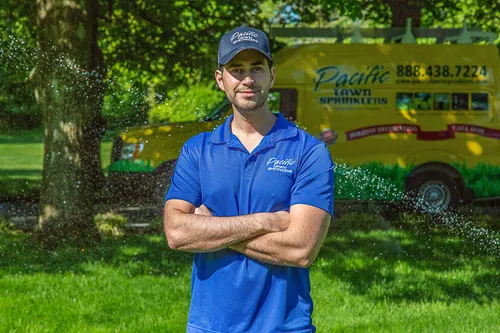
Pacific Lawn Sprinklers is a comprehensive outdoor service provider based in Jersey City, NJ, specializing in lawn sprinkler installation, irrigation system maintenance, landscape lighting, holiday lighting, and yard drainage solutions. They serve residential and commercial clients, offering expertise in designing and maintaining irrigation systems, including winterization to prevent freeze damage and improve water efficiency. Known for handling large-scale commercial projects such as municipal sites and sports fields, Pacific Lawn Sprinklers has been active since 1999. Their services include advanced capabilities like low-voltage landscape lighting and backflow prevention testing, with customer support available 24/7 online.
Next Level Landscaping & Construction
Jersey City, NJ
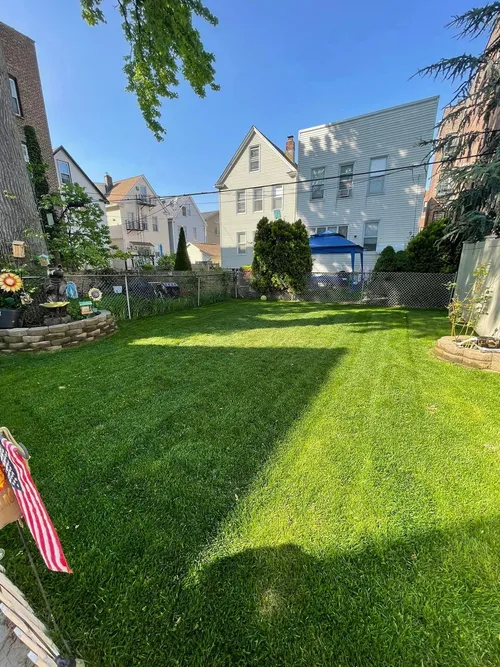
Next Level Landscaping & Construction is a landscaping and lawn care company based in Jersey City, NJ. They offer a broad range of services including lawn mowing, shrub trimming, irrigation system installation and repair, landscape design, tree trimming, and hardscaping features such as patios and retaining walls. The company serves multiple areas including Jersey City, Bayonne, Newark, and parts of New York City. They emphasize sustainable landscaping practices and use eco-friendly materials in their work.
Understanding Your Irrigation System Options
Modern irrigation is far more than just a hose and a sprinkler. Today's systems are efficient, customizable, and can be tailored to the specific needs of your New Jersey property, whether it's a suburban lawn, a condo patio, or a larger estate.
Core Components: A typical in-ground system consists of several key parts working in harmony. Pop-up spray heads and rotors distribute water across the lawn. These are controlled by zone valves, which are managed by a central controller or timer. A critical safety component is the backflow preventer, which stops contaminated water from flowing back into your home's clean water supply 1.
System Design & Zoning: Effective systems are divided into zones-groups of sprinklers that operate together. This allows different areas (like sunny lawns, shaded gardens, or flower beds) to receive water on separate schedules and for appropriate durations. A professional assessment of your yard's size, sun exposure, soil type, and water pressure is the essential first step in creating an efficient layout.
Brands and Technology: While several quality brands are available, Hunter Industries is widely recognized and trusted by professionals in New Jersey for reliable and durable components. Modern controllers have evolved into smart systems that can adjust watering based on local weather data, further enhancing water conservation and plant health.
The Professional Installation Process
Hiring a qualified professional ensures your system is installed correctly, operates efficiently, and complies with local codes. A standard installation for a residential property often follows a clear, step-by-step process that can frequently be completed in a single day.
- Site Assessment & Design: A technician will evaluate your property to create a customized plan, determining the optimal number of zones, sprinkler head placement, and pipe routing.
- Trenching: Narrow trenches are dug along the planned routes for the mainline and lateral pipes that will carry water to each zone.
- Water Connection & Piping: The system is connected to your home's main water line. PVC pipes are then laid in the trenches and connected to form the network.
- Valve and Head Installation: Valve boxes are installed for each zone, and sprinkler heads are positioned at grade level throughout the lawn.
- Controller Setup: The irrigation timer or smart controller is wired, mounted, and programmed with initial watering schedules.
- Backflow Prevention & Testing: The backflow preventer is installed and tested. This is not only a best practice but a legal requirement in most New Jersey municipalities to protect public water safety 2 3.
- System Activation & Check: The trenches are backfilled, the system is activated, and a final check is performed to ensure every head is operating correctly and there are no leaks.
Find the perfect sprinkler & irrigation companies for your needs
Get personalized recommendations and expert advice
Navigating New Jersey's Watering Rules
Water conservation is taken seriously across the Garden State, and most towns have specific ordinances regulating outdoor irrigation. These rules are designed to reduce peak water demand and minimize waste through evaporation.
While regulations vary by municipality, a common pattern is to restrict automatic sprinkler use to early morning hours, typically between midnight and 9 a.m. 4. For example, in Livingston, automatic irrigation systems are permitted to run from midnight to 9 a.m., while manual hose sprinklers can be used from 6 p.m. to 9 a.m. 4. It is crucial to check with your local township or water authority for the exact days, times, and any seasonal restrictions that apply to your address. A professional installer will be familiar with these local codes.
Investment and Maintenance Considerations
Understanding the costs associated with irrigation helps in planning your project. Pricing is influenced by property size, landscape complexity, soil conditions, and the quality of components selected.
Installation Costs: For a new in-ground system, costs are often calculated per square foot of coverage or as a project total. Industry estimates suggest a range of $0.88 to $1.65 per square foot 5 6. For a typical quarter-acre lot (about 10,890 sq ft), total installation costs often fall between $3,000 and $10,000 5 6. This wide range accounts for the variables mentioned above.
Repair and Service Costs: Like any mechanical system, irrigation systems require occasional maintenance and repair. Common issues include broken sprinkler heads, leaking valves, or controller malfunctions. Many New Jersey service providers charge an initial diagnostic or service call fee, which often starts in the range of $95 to $150 for the first half-hour 7 8. Beyond this, you pay for labor time and the cost of any replacement parts.
Maximizing Your Investment: To protect your investment, consider a professional spring start-up service to activate the system and check for winter damage, and a fall winterization service to blow out remaining water from the pipes to prevent freezing. Adjusting your watering schedule seasonally and investing in a rain sensor or smart controller can also lead to significant water savings and a healthier landscape.
Choosing the Right Professional for Your Project
Selecting an experienced installer is key. Look for companies with strong local reputations, proper licensing, and insurance. They should conduct a thorough on-site consultation, provide a detailed written estimate, and clearly explain the design. Ask about their experience with local permit requirements and backflow testing. Finally, ensure they offer clear warranties on both labor and parts and are available for ongoing maintenance and repair services.
Frequently asked questions
Sources
Footnotes
-
How many sprinklers can I run on one line? - https://www.dallaslandscapeandirrigation.com/faq-items/how-many-sprinklers-can-i-run-on-one-line ↩
-
Residential Installation - EcoSystems Total Outdoor Solutions - https://www.ecosystemsnj.com/residential-irrigation-systems/ ↩
-
How to Install an In-Ground Sprinkler System - This Old House - https://www.thisoldhouse.com/landscaping/how-to-install-in-ground-sprinklers ↩
-
Irrigation System - Water - Livingston Township, NJ - https://www.livingstonnj.org/464/Watering-Your-Lawn ↩ ↩2
-
How Much Does it Cost to Install a Sprinkler System in 2026? - https://lawnlove.com/blog/sprinkler-system-cost/ ↩ ↩2
-
How Much Does a Sprinkler System Cost? (2026) - HomeGuide - https://homeguide.com/costs/sprinkler-system-install-cost ↩ ↩2
-
Lawn Sprinkler System Installation - New Jersey Irrigation - https://newjerseyirrigationservices.com/residential-services/lawn-sprinklers-system-services/installation/ ↩
-
Installation and Rates- New Jersey Lawn Sprinkler Systems - https://www.lassirrigation.com/installation-and-rates.html ↩