Find the Best Sprinkler & Irrigation Companies for Your Business
No obligation • Fast responses • Nationwide coverage

Why you can trust Landscape Atlas
Landscape Atlas is a leading United States resource for evaluating landscaping, lawn care, and outdoor service providers. Our team researches each category in depth, focusing on service quality, safety, and customer experience. Listings and rankings are based on independent criteria and user feedback, and companies cannot pay to influence our assessments or recommendations.
Search providers near you
Top Sprinkler & Irrigation Companies in Akron, Ohio Ranked
A professionally installed sprinkler and irrigation system is a smart investment for any Akron homeowner looking to maintain a healthy, vibrant lawn and landscape. These automated systems deliver precise amounts of water exactly where it's needed, conserving water and saving you significant time and effort. This guide will help you understand how these systems work, what to expect for installation and maintenance, and how to find qualified local experts to design and service your property's watering needs.
DeFazio Company
8700 S Akins Rd Ste 1, North Royalton, OH 44133
DeFazio Company is a locally owned business in Cleveland, OH, specializing in outdoor lighting, fence installation, and irrigation services. Since 2007, they have provided full-service installations, repairs, and maintenance for residential and commercial clients throughout the greater Cleveland area. Their offerings include custom irrigation systems with water-saving features, a variety of fencing options such as ornamental, vinyl, and wood, and energy-efficient outdoor lighting designed to enhance safety and landscape aesthetics. The company completes all projects with in-house crews, ensuring specialized expertise in each service area.
Irrigation Incorporated
Cleveland, OH
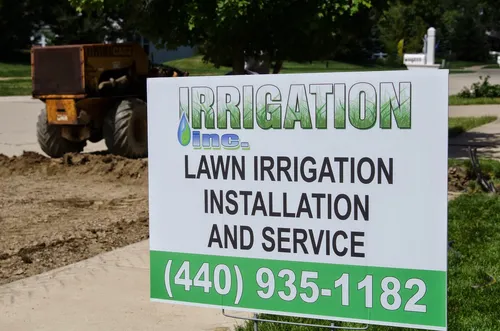
Irrigation Incorporated is a Cleveland, OH-based company specializing in sprinkler system installation, irrigation repair, landscape lighting, yard drainage, and grading services. Established in 1998, they serve Cleveland and surrounding communities within a 30-mile radius, including Olmsted Falls, North Ridgeville, and Westlake. The company is known for its comprehensive sprinkler system services, including design, installation, maintenance, and backflow testing. They also handle drainage solutions to improve yard functionality. With over two decades of experience, Irrigation Incorporated offers expertise in installing multi-zone irrigation systems and adapting to changes in yard layouts to ensure effective water management.
Conserva Irrigation of Northern Ohio
27100 Richmond Rd Suite 2, Solon, OH 44139
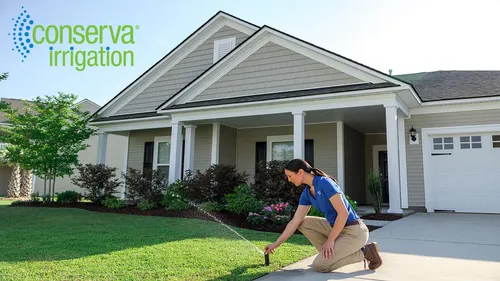
Conserva Irrigation of Northern Ohio provides sprinkler installation, repair, and irrigation services in Cleveland, OH. They offer comprehensive sprinkler system inspections, repairs, and upgrades designed to improve water efficiency and lawn health. Their expertise includes automated scheduling systems, weather monitoring, zone controls, and professional installation to optimize irrigation performance. The company emphasizes water conservation and partners with leading brands like Toro and Hunter. Conserva Irrigation has a strong focus on maintaining system efficiency through regular tune-ups and seasonal services such as winterization. Their technician Jermaine Evans has been with the company for five years and is noted for his knowledge and professionalism.
Morel Landscaping LLC
9396 Broadview Rd, Broadview Heights, OH 44147
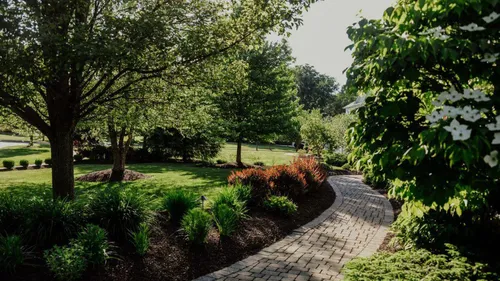
Morel Landscaping LLC provides personalized landscape design, construction, and maintenance services in Cleveland, OH. They offer comprehensive solutions including lawn care, fertilization, weed control, sprinkler installation and repair, landscape lighting, and hardscaping such as patios and retaining walls. Their team manages every detail from initial design through ongoing maintenance, focusing on turf and plant health with customized treatments and efficient irrigation systems to support vibrant outdoor spaces.
Sprinkler Pro LLC
9329 Ravenna Rd STE J, Twinsburg, OH 44087
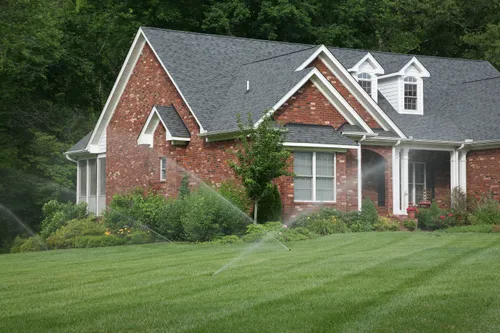
Sprinkler Pro LLC is a landscape lighting and irrigation company based near Cleveland, OH, with over 20 years of experience. They specialize in designing and installing outdoor lighting systems and providing irrigation maintenance, repairs, and seasonal services. The company is known for working with quality products such as Rain Bird and Kichler and focuses on enhancing both the beauty and functionality of landscapes. Founded in 2008, Sprinkler Pro LLC emphasizes continuing education for its technicians and community involvement.
How Lawn Irrigation Systems Work
At its core, a modern lawn sprinkler system is a network of underground pipes, valves, and sprinkler heads controlled by a central timer. The process begins at the main controller, often mounted in your garage or basement, which sends low-voltage signals to zone valves buried in valve boxes throughout your yard. When a zone valve opens, water from your home's supply line flows through PVC or polyethylene pipes to the sprinkler heads in that specific area.
Systems are divided into zones because different parts of your landscape have different watering needs. For example, a sunny lawn area requires more water than a shaded garden bed. By grouping similar vegetation and sun exposure together, each zone can be programmed for the ideal duration and frequency, ensuring efficient water use and plant health 1. A critical design principle for effective coverage is "head-to-head" spacing, where the spray from one sprinkler head reaches the base of the adjacent head. This overlap eliminates dry spots and promotes uniform growth across your entire lawn.
Key Components of a Residential System
Understanding the parts of your irrigation setup can help you communicate with service providers and troubleshoot minor issues.
- Controller/Timer: The brain of the operation. Modern controllers are often "smart," allowing for programming via smartphone apps and adjusting schedules based on local weather data to avoid overwatering on rainy days.
- Backflow Preventer: A crucial safety device required by plumbing code. It prevents contaminated water from your lawn (from fertilizers, pesticides, or pet waste) from flowing backward into your home's clean drinking water supply.
- Zone Valves: These electrically activated valves control the flow of water to individual sections, or zones, of your system. They are typically housed in green plastic boxes at ground level for easy access.
- Sprinkler Heads: These pop up to spray water when the zone is active and retract when finished. They come in several types:
- Spray Heads: Fixed-pattern heads that pop up 4-6 inches and are ideal for small, rectangular lawn areas and flower beds.
- Rotor Heads: Rotating heads that pop up higher (2-12 inches) and cover larger, circular areas, making them perfect for big lawns.
Designing an Efficient System for Akron Properties
A well-designed irrigation plan accounts for Akron's specific climate, soil types, and property layout. Local professionals start with a site analysis, noting sun and shade patterns, soil composition (which affects drainage), plant types, and water pressure from your main supply.
The zoning strategy is paramount. A typical Akron home might have one zone for the front lawn, another for the back lawn, and separate zones for foundation plantings, flower beds (often on drip irrigation), and shaded areas. For sloped yards common in the area, specialists may use low precipitation rate rotors or add check valves to heads to prevent water from draining out and creating muddy puddles at the low points after the system shuts off 4.
Efficiency is also achieved through proper scheduling. Programming your system to run in the early morning (before 10 a.m.) is highly recommended. This timing reduces water loss to evaporation from the sun and wind and allows grass blades to dry during the day, which helps prevent fungal diseases 5.
Find the perfect sprinkler & irrigation companies for your needs
Get personalized recommendations and expert advice
Seasonal Maintenance & Care in Northeast Ohio
Akron's distinct four-season climate demands specific seasonal attention to your irrigation system to prevent costly damage and ensure reliable operation.
- Spring Startup: This service typically occurs in late April or early May, after the last frost risk has passed. A technician will activate the main water supply, inspect all zones for leaks or damaged heads, test the controller, and adjust sprinkler heads for proper alignment. They will also program an initial watering schedule based on current conditions.
- Summer Monitoring: Throughout the watering season, it's wise to do a visual check every few weeks. Look for geysers (broken heads), dry brown spots (indicating a clogged or misaligned head), or constantly soggy areas (signaling a leak). Adjust your controller's schedule as the summer heats up or during periods of rain 6.
- Fall Winterization (Blowout): This is the most critical maintenance step for Akron homeowners. Before the first hard freeze, usually in late October or early November, the system must be completely drained of water. Professionals use a large air compressor to "blow out" every zone, forcing all remaining water out of the pipes, valves, and heads. If water remains, it can freeze, expand, and crack PVC pipes, brass valves, and sprinkler housings, leading to extensive repairs come spring. The average cost for this service is around $150 for a system with up to eight zones.
Understanding Installation and Service Costs
Investment in a sprinkler system varies greatly based on your property's size, complexity, and the quality of components used. Here's a general breakdown based on regional data:
- New System Installation: Costs are often calculated per zone. In Northern Ohio, you can expect an average of $600 to $750 per zone 7. A simple system for a small yard with 1-2 zones may range from $1,500 to $3,000. A comprehensive system for a larger property with 3-6 zones or more can range from $3,000 to $15,000+ 7. This price typically includes design, trenching, pipe, heads, valves, a controller, and a backflow preventer.
- Repair Services: Common repairs include replacing broken sprinkler heads, fixing leaks at valves or pipes, and controller issues. Service calls often have a base fee starting around $150. Individual head replacements can range from $45 for a standard 4-inch pop-up spray head to $125 or more for a large rotor head.
- Maintenance Visits: As mentioned, seasonal startup and winterization services are crucial. Each of these visits typically costs approximately $150 for a standard residential system 8.
Disclaimer: All pricing is based on general regional data and estimates. Actual quotes will vary based on your specific property, contractor, and scope of work.
Choosing a Local Irrigation Specialist
When looking for a provider in the Akron area, seek out companies with specific expertise in irrigation, not just general landscaping. Ask about their design process, the brands of equipment they use and why, and request references from local installations. A reputable contractor will perform a detailed site evaluation before providing an estimate, explain their zoning plan, and provide a clear warranty for both parts and labor. They should also be fully insured and knowledgeable about local Akron and Summit County codes regarding backflow prevention and permits 9.
Frequently asked questions
Sources
Footnotes
-
Lawn Sprinkler & Irrigation System Installation Louisville, Ohio - https://www.filipropmaint.com/lawn-sprinkler-irrigation-installations/ ↩
-
Best Cost of Garden Irrigation System - Randall Landscaping - https://randalllandscaping.com/cost-of-garden-irrigation-system/ ↩
-
A Homeowner's Guide To Sprinkler Systems - https://www.whenappearancematters.com/blog-posts/a-homeowners-guide-to-sprinkler-systems ↩
-
Sprinkler Planning & Installation Guide - https://sod.com/wp-content/uploads/2015/10/sprinkler-pig.pdf ↩
-
How To Program a Sprinkler System - Irrigreen - https://irrigreen.com/blogs/sprinkler-systems/how-to-program ↩
-
The Ultimate Guide to Your Sprinkler System and Summer Watering - https://customlawn.com/ultimate-sprinkler-system-guide-summer-watering/ ↩
-
Lawn Sprinkler & Irrigation Installation Lewis Center, Ohio - https://groundsmithlandscaping.com/irrigation-installations/ ↩ ↩2
-
Why You Should Install a Lawn Irrigation System - https://aqualawnllc.com/why-install-a-lawn-irrigation-system ↩
-
Irrigation Akron OH: Summit City Irrigation Experts - https://www.irrigationakron.com/ ↩