Find the Best Sprinkler & Irrigation Companies for Your Business
No obligation • Fast responses • Nationwide coverage

Why you can trust Landscape Atlas
Landscape Atlas is a leading United States resource for evaluating landscaping, lawn care, and outdoor service providers. Our team researches each category in depth, focusing on service quality, safety, and customer experience. Listings and rankings are based on independent criteria and user feedback, and companies cannot pay to influence our assessments or recommendations.
Search providers near you
Top Sprinkler & Irrigation Companies in Cuyahoga Falls, Ohio Ranked
A well-designed sprinkler and irrigation system is the key to a healthy, vibrant lawn and landscape in Cuyahoga Falls. These automated systems deliver water precisely and efficiently, saving you time and conserving water compared to manual watering. This guide will help you understand how these systems work, what to consider for our local climate, and how to connect with qualified professionals in the area for installation, maintenance, or repair.
DeFazio Company
8700 S Akins Rd Ste 1, North Royalton, OH 44133
DeFazio Company is a locally owned business in Cleveland, OH, specializing in outdoor lighting, fence installation, and irrigation services. Since 2007, they have provided full-service installations, repairs, and maintenance for residential and commercial clients throughout the greater Cleveland area. Their offerings include custom irrigation systems with water-saving features, a variety of fencing options such as ornamental, vinyl, and wood, and energy-efficient outdoor lighting designed to enhance safety and landscape aesthetics. The company completes all projects with in-house crews, ensuring specialized expertise in each service area.
Irrigation Incorporated
Cleveland, OH
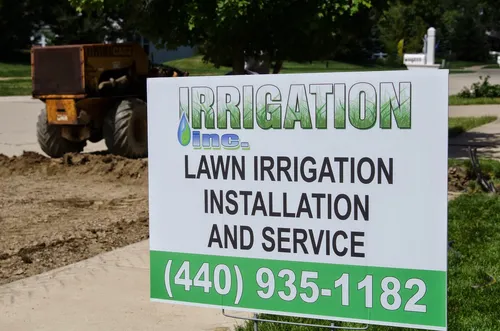
Irrigation Incorporated is a Cleveland, OH-based company specializing in sprinkler system installation, irrigation repair, landscape lighting, yard drainage, and grading services. Established in 1998, they serve Cleveland and surrounding communities within a 30-mile radius, including Olmsted Falls, North Ridgeville, and Westlake. The company is known for its comprehensive sprinkler system services, including design, installation, maintenance, and backflow testing. They also handle drainage solutions to improve yard functionality. With over two decades of experience, Irrigation Incorporated offers expertise in installing multi-zone irrigation systems and adapting to changes in yard layouts to ensure effective water management.
Conserva Irrigation of Northern Ohio
27100 Richmond Rd Suite 2, Solon, OH 44139
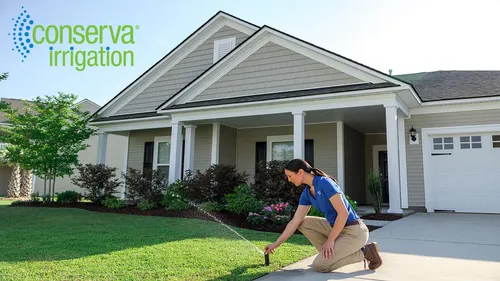
Conserva Irrigation of Northern Ohio provides sprinkler installation, repair, and irrigation services in Cleveland, OH. They offer comprehensive sprinkler system inspections, repairs, and upgrades designed to improve water efficiency and lawn health. Their expertise includes automated scheduling systems, weather monitoring, zone controls, and professional installation to optimize irrigation performance. The company emphasizes water conservation and partners with leading brands like Toro and Hunter. Conserva Irrigation has a strong focus on maintaining system efficiency through regular tune-ups and seasonal services such as winterization. Their technician Jermaine Evans has been with the company for five years and is noted for his knowledge and professionalism.
Morel Landscaping LLC
9396 Broadview Rd, Broadview Heights, OH 44147
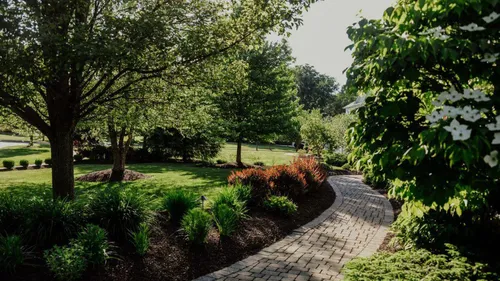
Morel Landscaping LLC provides personalized landscape design, construction, and maintenance services in Cleveland, OH. They offer comprehensive solutions including lawn care, fertilization, weed control, sprinkler installation and repair, landscape lighting, and hardscaping such as patios and retaining walls. Their team manages every detail from initial design through ongoing maintenance, focusing on turf and plant health with customized treatments and efficient irrigation systems to support vibrant outdoor spaces.
Sprinkler Pro LLC
9329 Ravenna Rd STE J, Twinsburg, OH 44087
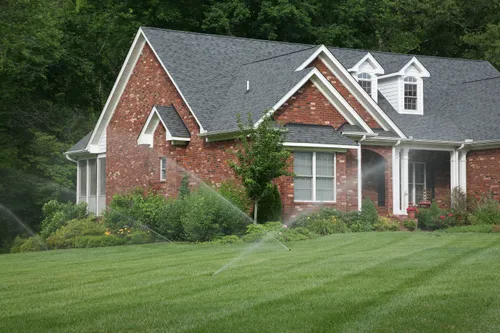
Sprinkler Pro LLC is a landscape lighting and irrigation company based near Cleveland, OH, with over 20 years of experience. They specialize in designing and installing outdoor lighting systems and providing irrigation maintenance, repairs, and seasonal services. The company is known for working with quality products such as Rain Bird and Kichler and focuses on enhancing both the beauty and functionality of landscapes. Founded in 2008, Sprinkler Pro LLC emphasizes continuing education for its technicians and community involvement.
How an Automated Irrigation System Works
At its core, a modern lawn irrigation system is a network of underground pipes, valves, and sprinkler heads controlled by a central timer. The process begins with the controller, often called the "brain" of the system, which you program with your desired watering schedule 1. When it's time to water, the controller sends a low-voltage signal to solenoid valves, which open to allow water from your main supply to flow through the underground pipes. This water is directed to specific zones-sections of your yard grouped by plant type or sun exposure-where it is distributed by sprinkler heads or drip emitters.
The goal of a professional design is head-to-head coverage, meaning the spray from one sprinkler head reaches the adjacent head. This ensures uniform water distribution across your entire lawn, eliminating dry spots and preventing wasteful overwatering in others 2. For gardens and flower beds, drip irrigation systems use low-volume emitters to deliver water directly to the root zone of plants, maximizing efficiency and minimizing evaporation 3.
Key Components of Your System
Understanding the parts of your sprinkler system can help with troubleshooting and informed conversations with service providers.
- Controller/Timer: This is the unit you program, typically mounted in your garage or basement. Modern "smart" controllers can adjust watering based on local weather data.
- Solenoid Valves: These electrically operated valves control the flow of water to each individual zone. A malfunctioning valve is a common cause of a zone not turning on.
- Piping: Durable PVC or polyethylene pipes form the underground network that carries water throughout your property.
- Sprinkler Heads: These are the visible parts that pop up to spray water. They come in two main types:
- Rotors: These rotate a stream of water back and forth, covering large, rectangular areas of lawn. They typically need to run for longer periods (e.g., 12-30 minutes per cycle) 4.
- Spray Heads: These have a fixed spray pattern (full, half, or quarter circle) and are used for smaller, more irregular areas. They run for shorter durations (e.g., 5-15 minutes) 5.
- Drip Emitters: For beds and shrubs, these devices release water slowly and directly at the base of plants, which is ideal for water conservation.
Watering Smart for Cuyahoga Falls Lawns
A system is only as good as its schedule. Proper watering practices are crucial for root health and water conservation, especially given Ohio's variable climate and common soil types.
The Golden Rule: Deep and Infrequent
The general guideline for a healthy lawn is about 1 inch of water per week, including rainfall 6. This is best achieved by watering 2-3 times per week rather than daily. This practice encourages grass roots to grow deeper into the soil, creating a more drought-resistant and resilient lawn 7.
The Best Time to Water
Always aim to water in the early morning, between 4 AM and 10 AM8. This timing allows water to soak into the soil before the heat of the day increases evaporation. It also lets grass blades dry quickly as the sun rises, which helps prevent the development of fungal diseases that thrive in prolonged moisture.
Managing Ohio's Clay Soil
Clay soil, common in our region, absorbs water slowly but retains it well. Watering for too long in one cycle can lead to runoff before the water penetrates deeply. The solution is cycle and soak programming: run each zone for a shorter period (e.g., 30-45 minutes), wait an hour for the water to absorb, and then run the cycle again 9. This method helps water reach the root zone effectively without waste.
Seasonal Adjustments
Your watering needs change with the seasons. In the cool spring and fall, your lawn may only need 1-2 watering sessions per week. During the peak summer heat, you may need to increase to 3 times per week to meet the 1-inch goal 10. A smart controller can automate these adjustments, or you can manually change your schedule every few weeks.
Find the perfect sprinkler & irrigation companies for your needs
Get personalized recommendations and expert advice
Understanding Installation and Service Costs
Investing in an irrigation system involves upfront costs for professional design and installation, but it pays off in water savings, property value, and convenience. In Cuyahoga Falls, installation costs are often calculated by the square foot or per zone. On average, you can expect a range of $0.88 to $1.65 per square foot, or $590 to $1,340 per zone for a professionally installed system 11. The final price depends on your property size, the complexity of the layout, the type of sprinkler heads selected, and soil conditions.
For existing systems, regular maintenance and occasional repairs are necessary to ensure efficiency. This can include winterization (blowing out the lines to prevent freeze damage), spring start-up, adjusting heads, repairing leaks, and replacing broken components. Costs for these services vary widely based on the job's scope, so it's best to get a specific quote from a local professional 12.
Finding Local Irrigation Expertise
When looking for help with your lawn's watering needs, from a new installation to a simple repair, connecting with a local specialist is key. Professionals familiar with Cuyahoga Falls understand our local water pressure, soil composition, and climate challenges. They can provide a site-specific assessment and recommend the best system design or repair solution for your property. Platforms that connect homeowners with vetted local contractors can be a helpful starting point for finding licensed and insured irrigation experts in our community.
Frequently asked questions
Sources
Footnotes
-
How Does a Lawn Irrigation System Work: #1 Best Benefits - https://mcleodlandscaping.com/how-does-a-lawn-irrigation-system-work/ ↩
-
Easy, step-by-step, underground sprinkler system layout guide - https://images.thdstatic.com/catalog/pdfImages/a9/a9564496-8fb7-4141-8758-5f660a7a9310.pdf ↩
-
Average Lawn Sprinkler System Cost: Top 2024 Budget Tips - https://stevesservicesllc.com/average-lawn-sprinkler-system-cost/ ↩
-
The 5 essential components for an efficient irrigation system - rain.it - https://www.rain.it/en/magazine/5-essential-components-for-an-efficient-irrigation-system/ ↩
-
Landscape Irrigation | Home Water Works - https://home-water-works.org/landscape-irrigation/irrigation ↩
-
Landscape Irrigation Watering Guide - https://northgeorgiawater.org/wp-content/uploads/2017/02/Landscape-Irrigation-Watering-Guide.pdf ↩
-
LAWN IRRIGATION GUIDE - USDA - https://www.nrcs.usda.gov/plantmaterials/idpmsbr5464.pdf ↩
-
How Long to Run Sprinklers - Irrigreen - https://irrigreen.com/blogs/sprinkler-systems/how-long-to-run-sprinklers ↩
-
Irrigation for Clay Soil vs Sandy Soil - Learning Center - https://blog.greenmeadowlawncare.com/irrigation-for-clay-soil-vs-sandy-soil ↩
-
Irrigation Installation & Management - Rice's Landscape - https://www.riceslandscapes.com/landscape-irrigation ↩
-
How Much Does it Cost to Install a Sprinkler System in 2026? - https://lawnlove.com/blog/sprinkler-system-cost/ ↩
-
Top-rated lawn and garden sprinkler system installers. - https://www.homeadvisor.com/tloc/Cuyahoga-Falls-OH/Lawn-and-Garden-Sprinkler-System-Install/ ↩