Find the Best Sprinkler & Irrigation Companies for Your Business
No obligation • Fast responses • Nationwide coverage

Why you can trust Landscape Atlas
Landscape Atlas is a leading United States resource for evaluating landscaping, lawn care, and outdoor service providers. Our team researches each category in depth, focusing on service quality, safety, and customer experience. Listings and rankings are based on independent criteria and user feedback, and companies cannot pay to influence our assessments or recommendations.
Search providers near you
Top Sprinkler & Irrigation Companies in Dublin, Ohio Ranked
A well-designed sprinkler and irrigation system is a cornerstone of a healthy, vibrant Ohio landscape. It delivers water efficiently and consistently, protecting your investment in your lawn and garden while conserving a vital resource. Whether you're looking to install a new system, upgrade an existing one, or simply need seasonal maintenance, understanding your options and local requirements is key. This guide provides a detailed overview of sprinkler and irrigation services in Ohio to help you connect with the right expertise for your property.
Custom Turf
6497 Seeds Rd, Grove City, OH 43123
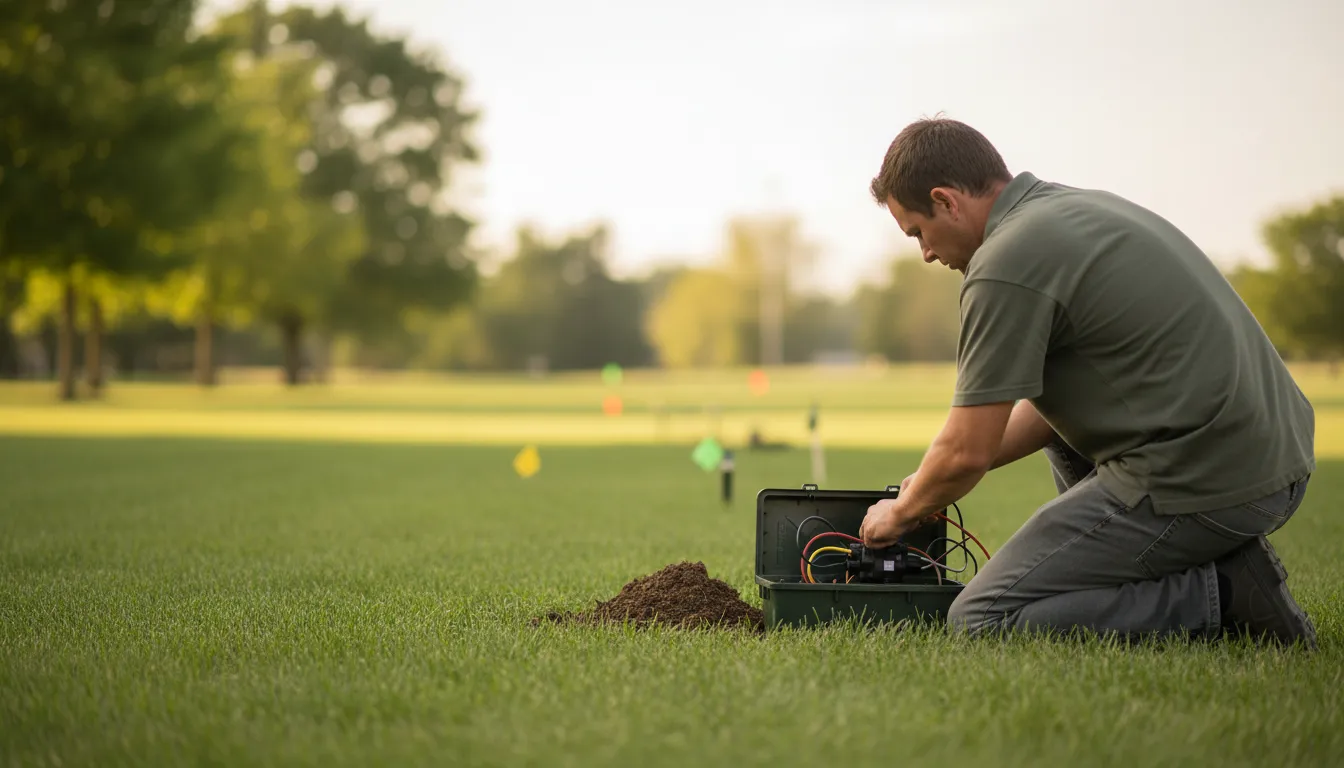
Custom Turf is a lawn care company based in Columbus, OH, offering a range of services including lawn fertilization, weed control, tree and shrub care, and sprinkler system installation and repair. Serving Central Ohio and surrounding suburbs, they tailor treatments to local soil and climate conditions to promote healthy, green lawns. With 38 years of experience, Custom Turf provides specialized services such as core aeration to improve soil health and pest control to protect lawns and homes. Their tree and shrub care includes systemic insect control and deep root fertilization to maintain plant vitality throughout the year.
Conserva Irrigation of Columbus
Columbus, OH
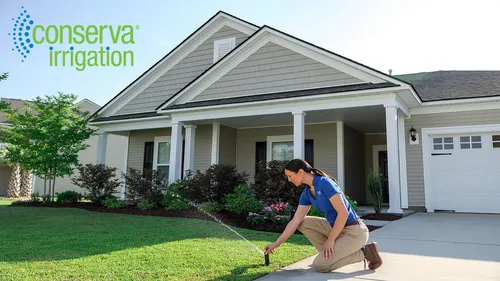
Conserva Irrigation of Columbus provides sprinkler system installation, repair, and smart irrigation solutions in Columbus, OH, and surrounding areas. Since 2010, they have focused on efficient lawn irrigation that reduces water waste and supports healthy landscapes. Their services include system design, installation, repairs, seasonal maintenance, and upgrades to smart controllers and sensors that can lower water usage by up to 60%. Conserva Irrigation serves multiple nearby communities, ensuring tailored irrigation systems that optimize coverage and water conservation.
Rain One Inc
6871 Taylor Rd, Blacklick, OH 43004
Rain One Inc is a landscaping service provider based in Columbus, OH, specializing in sod installation, artificial turf installation, sprinkler installation, sprinkler repair, and irrigation services. They offer comprehensive irrigation system installation and maintenance, including winterization and leak detection. The company is known for careful system positioning to maximize water conservation and plant health. Rain One Inc has a strong reputation for knowledgeable and thorough technicians who provide detailed explanations and attentive service.
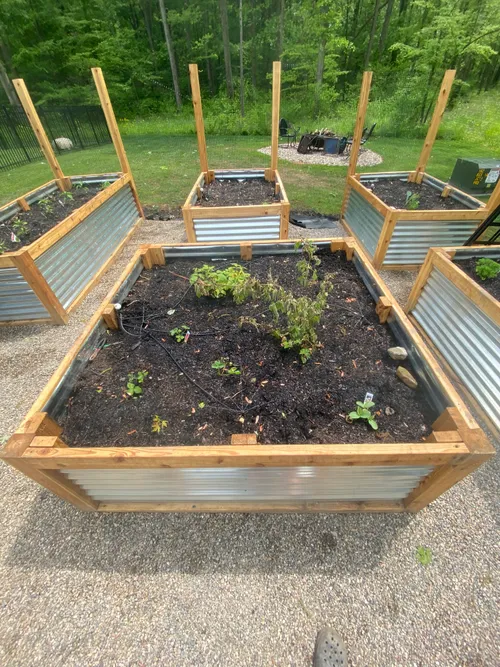
Hydrotech Irrigation Services
Powell, OH 43065
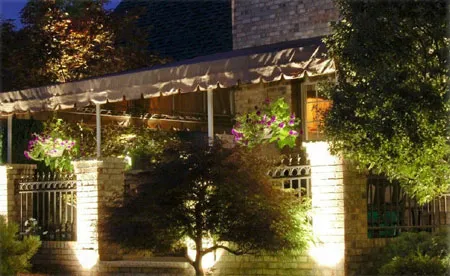
Hydrotech Irrigation Services is a company based in Columbus, OH, specializing in residential and commercial irrigation and outdoor lighting. They offer custom sprinkler system installations with weather automation and Bluetooth features, as well as landscape lighting solutions with smart controls. The company has been serving Powell, Columbus, Hillard, Marysville, and surrounding areas for over 10 years. Hydrotech also has experience designing and building irrigation systems for sports fields and provides workmanship warranties on their projects.
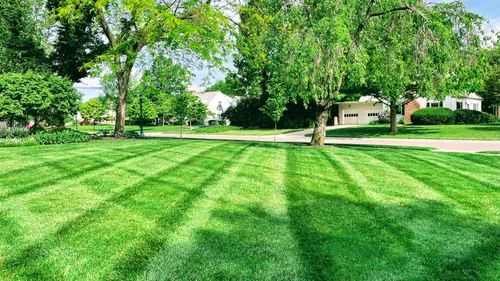
Backyard Boyz Landscaping
Columbus, OH
Backyard Boyz Landscaping is a lawn care and landscaping company based in Columbus, OH. They offer a wide range of services including lawn mowing, fertilization, weed control, sod installation, tree removal, stump grinding, sprinkler installation and repair, land clearing, and general landscaping. Their team is experienced in maintaining yards throughout the seasons, providing services such as aeration, mulching, trimming, and seasonal cleanups to keep outdoor spaces well cared for. Backyard Boyz Landscaping is known for detailed work and comprehensive yard maintenance, serving residential clients in the Columbus area.
Understanding Your Ohio Irrigation Options
Modern irrigation systems are far more sophisticated than simple sprinklers on a hose. They are customized networks designed to meet the specific needs of different areas of your landscape. The right choice depends on your property size, plant types, and water conservation goals.
Traditional Pop-Up Sprinkler Systems: This is the most common type for lawns. Pop-up spray heads or rotors are installed flush with the ground and rise to water the grass when the system is running. The area is divided into zones-groups of sprinklers that run on the same valve-to ensure even coverage and adequate water pressure. This zoned approach allows you to water the lawn separately from flower beds or shrubs.
Drip Irrigation Systems: For garden beds, vegetable plots, trees, and containers, drip irrigation is the gold standard for efficiency. This method delivers water slowly and directly to the root zone through a network of tubes and emitters. It minimizes evaporation and runoff, using significantly less water than overhead sprinkling-often 30-50% less 1. It's an excellent choice for targeted watering and is highly recommended for conserving water in Ohio's variable climate.
Smart System Controllers: The "brain" of your irrigation system has evolved. Smart controllers connect to your home Wi-Fi and can be programmed and monitored from a smartphone. The most advanced models use local weather data or on-site soil moisture sensors to automatically adjust the watering schedule, skipping cycles after sufficient rain. This technology can reduce water usage by up to 35% compared to traditional timer-based systems 2 3.
The Professional Installation Process
Installing an underground irrigation system is a significant project that involves careful planning and precise execution. Professional installers follow a multi-step process to ensure a system that is effective, durable, and code-compliant.
-
Site Evaluation and Design: A professional begins with a thorough assessment of your property. They will measure the area, evaluate soil type, note sun and shade patterns, identify different plant material needs, and test your home's water pressure and flow rate. This information is used to create a custom design that maps out zones, sprinkler head placement, and pipe routing.
-
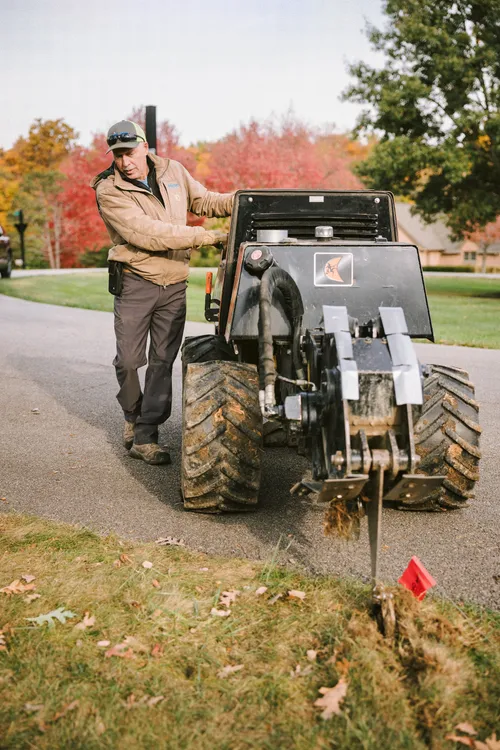
Trenching and Pipe Installation: Following the design, trenches are dug for the main supply lines and lateral lines to each zone. Professionals typically use trenching machines (often referred to by the brand name Ditch Witch) to dig narrow trenches 4 to 5 inches deep for lateral lines and deeper for main lines to avoid freeze damage. Great care is taken to locate and avoid existing underground utilities.
-
Assembly and Component Installation: The system is assembled like a puzzle. A backflow prevention device-a critical, code-required component that stops contaminated water from siphoning back into the home's drinking water-is installed at the main connection. A manifold (a cluster of valves) is set up, and PVC or polyethylene pipes are laid in the trenches and connected. Sprinkler heads are positioned at the correct height and angle in each zone.
-
Electrical and Controller Setup: Low-voltage wires are run from the automatic valves back to the controller location (usually in a garage or basement). The smart or traditional controller is mounted, programmed with the initial schedule, and tested 4.
-
System Activation and Check: Once everything is connected, the trenches are backfilled. The entire system is pressurized and put through a full cycle. The installer will adjust each sprinkler head for perfect coverage, ensuring there is no overspray onto driveways or sidewalks, and provide a tutorial on using the controller 5.
Best Time for Installation: The ideal seasons for installing a new system in Ohio are early spring or fall. The ground is workable, and these times allow the system to be ready for the growing season or to be established before winter. For new construction landscaping, installation should happen before final sodding or planting 6.
Find the perfect sprinkler & irrigation companies for your needs
Get personalized recommendations and expert advice
Seasonal Care and Watering Best Practices
An irrigation system requires seasonal attention to perform reliably and avoid costly damage. Adhering to local guidelines is also essential for responsible water use.
Spring Activation: After the last frost threat has passed (typically in April or May), a professional can activate your system. This process involves turning on the water supply, checking for winter damage, testing each zone, reprogramming the controller for the growing season, and adjusting sprinkler heads.
Fall Winterization: This is the most critical maintenance task in Ohio. Before the first hard freeze (usually by late October or early November), the system must be completely drained of water to prevent pipes, valves, and sprinkler heads from cracking. This is typically done using compressed air to blow out all remaining water from the lines-a job best left to professionals with the right equipment.
Efficient Watering Schedule: The goal is deep, infrequent watering to encourage strong root growth. For Ohio lawns, this often means 1 to 1.5 inches of water per week, split into 2-3 watering sessions. It's better to water early in the morning (between 4 AM and 8 AM) to reduce evaporation and fungal growth. Smart controllers automate this scheduling based on real-time conditions.
Local Regulations and Conservation: Many Ohio municipalities, including Cincinnati, have specific irrigation ordinances. These often mandate the use of approved backflow prevention devices and may require annual inspections 7. Cities may also enforce odd/even watering schedules during dry periods. Using rain sensors (which pause watering during rain) or soil moisture sensors is a highly effective way to conserve water and is encouraged, if not required, in many areas.
Understanding Costs in Ohio
The investment in an irrigation system varies based on property size, system complexity, and the quality of components. Here is a breakdown of typical cost ranges for Ohio homeowners:
- Small System (1-2 Zones): For a small lawn or a few key garden beds, costs typically range from $1,500 to $3,000+.
- Medium System (3-4 Zones): For a standard residential property (around a quarter-acre), a system often falls in the range of $3,000 to $7,000+. This is considered the average for many Ohio homes 8 9.
- Cost Per Zone: As a general rule, adding a zone costs approximately $600 to $750 on average, covering sprinkler heads, piping, and an additional valve 10.
- Smart Controller Upgrade: Retrofitting an existing system with a smart controller and professional setup typically costs between $650 and $1,250 11.
- Drip Irrigation: Adding a drip zone for garden beds is generally less expensive than a sprinkler zone, with costs varying based on the area's size and plant density.
For repairs, costs are highly variable but are generally lower than a full installation. Common issues like a broken sprinkler head or a faulty valve solenoid are relatively inexpensive to fix, but diagnosing the problem accurately requires professional expertise to ensure long-term reliability and code compliance 12.
Frequently asked questions
Sources
Footnotes
-
How Much Does Drip Irrigation Cost in 2026? - LawnStarter - https://www.lawnstarter.com/blog/cost/drip-irrigation-cost/ ↩
-
Sprinkler System Installations, Repairs & Add-Ons, Cleveland, OH - https://irrigation-incorporated.com/installations-repairs-add-ons/ ↩
-
Residential Irrigation Systems - Sprinkler Solutions Irrigation - https://www.sprinklersolutionsirrigation.com/irrigation/residential-irrigation-systems/ ↩
-
How To Install A Sprinkler System // DIY Installation - https://www.youtube.com/watch?v=nUsaa_gcJy4&t=368 ↩
-
Sprinkler System Installation for Lawns, Landscaping ... - https://www.paramountlandscaping.com/sprinkler-system-installation-for-lawns-landscaping-containers/ ↩
-
How to Install an Underground Sprinkler System | DIY Tips ... - https://www.youtube.com/watch?v=vzYoUkAu7ZE&t=266 ↩
-
Sprinkler Services in Cincinnati - Conserva Irrigation - https://www.conservairrigation.com/cincinnati/services/sprinkler-services/ ↩
-
Lawn Sprinkler & Irrigation Installation Lewis Center, Ohio - https://groundsmithlandscaping.com/irrigation-installations/ ↩
-
How Much Does It Really Cost to Install a Sprinkler System? - https://www.outbacklandscapeinc.com/blog/how-much-does-a-sprinkler-system-cost ↩
-
Cost to Install a Sprinkler System in Cleveland: 2025 Guide - https://irrigation-incorporated.com/cost-to-install-a-sprinkler-system/ ↩
-
Why You Should Install a Lawn Irrigation System - https://aqualawnllc.com/why-install-a-lawn-irrigation-system ↩
-
Sprinkler System Cost: Economical or Extravagant - https://sprinklersupplystore.com/blogs/learning-center/sprinkler-system-cost ↩