Find the Best Sprinkler & Irrigation Companies for Your Business
No obligation • Fast responses • Nationwide coverage

Why you can trust Landscape Atlas
Landscape Atlas is a leading United States resource for evaluating landscaping, lawn care, and outdoor service providers. Our team researches each category in depth, focusing on service quality, safety, and customer experience. Listings and rankings are based on independent criteria and user feedback, and companies cannot pay to influence our assessments or recommendations.
Search providers near you
Top Sprinkler & Irrigation Companies in Mentor, Ohio Ranked
A well-designed sprinkler and irrigation system is the cornerstone of a healthy, vibrant landscape in Mentor. These automated watering systems deliver precise hydration to your lawn and garden, mimicking natural rainfall to encourage deep root growth and conserve water. For homeowners, this means less time spent dragging hoses and more time enjoying a lush, green property. This guide will help you understand the components, benefits, and considerations for installing or maintaining an irrigation system, connecting you with the knowledge to find the right local expertise for your needs.
Conserva Irrigation of Northern Ohio
27100 Richmond Rd Suite 2, Solon, OH 44139
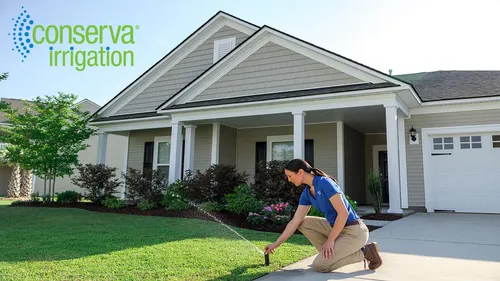
Conserva Irrigation of Northern Ohio provides sprinkler installation, repair, and irrigation services in Cleveland, OH. They offer comprehensive sprinkler system inspections, repairs, and upgrades designed to improve water efficiency and lawn health. Their expertise includes automated scheduling systems, weather monitoring, zone controls, and professional installation to optimize irrigation performance. The company emphasizes water conservation and partners with leading brands like Toro and Hunter. Conserva Irrigation has a strong focus on maintaining system efficiency through regular tune-ups and seasonal services such as winterization. Their technician Jermaine Evans has been with the company for five years and is noted for his knowledge and professionalism.
Sprinkler Pro LLC
9329 Ravenna Rd STE J, Twinsburg, OH 44087
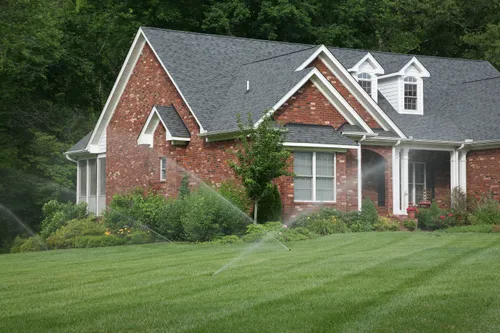
Sprinkler Pro LLC is a landscape lighting and irrigation company based near Cleveland, OH, with over 20 years of experience. They specialize in designing and installing outdoor lighting systems and providing irrigation maintenance, repairs, and seasonal services. The company is known for working with quality products such as Rain Bird and Kichler and focuses on enhancing both the beauty and functionality of landscapes. Founded in 2008, Sprinkler Pro LLC emphasizes continuing education for its technicians and community involvement.

The Grounds Guys of Twinsburg, OH
Cleveland, OH
The Grounds Guys of Twinsburg, OH offers comprehensive landscaping services in Cleveland, OH, including lawn mowing, fertilization, weed control, sod installation, landscape lighting, irrigation system installation and repair, hardscaping, and yard drainage solutions. They provide both residential and commercial landscape maintenance, design, and installation services tailored to local climate and customer preferences. Their capabilities include custom irrigation systems and hardscaping features such as patios, retaining walls, and fire features. The Grounds Guys emphasize sustainable landscaping options like xeriscaping and native plant palettes to reduce water use while maintaining curb appeal.

Quality Irrigation Inc
Cleveland, OH
Quality Irrigation Inc is a lawn irrigation and outdoor lighting company serving Cleveland, OH, and surrounding areas. Since 1994, they have specialized in installing sprinkler systems and low-voltage outdoor lighting, offering services such as start-up, shut-down, repairs, and maintenance. With over 26 years of experience, they tailor irrigation and lighting plans to fit each property's unique needs.
Chapin Landscapes LLC
15602 Chillicothe Rd #9524, Novelty, OH 44072
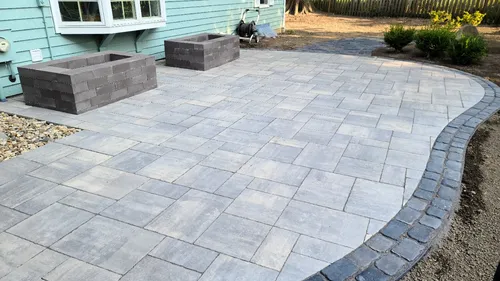
Chapin Landscapes LLC is a landscaping company based in Cleveland, OH, offering a full range of services including lawn care, landscape design, outdoor lighting installation, sprinkler system installation and repair, and hardscaping such as patios and retaining walls. They focus on creating outdoor spaces that combine beauty and functionality, using skilled craftsmanship and high-quality materials to build and maintain landscapes that enhance property value and enjoyment. Chapin Landscapes is also an authorized Irrigreen installer, providing water-smart irrigation solutions to help conserve water while keeping lawns healthy.
How Sprinkler Systems Work
An in-ground sprinkler system is more than just a few pop-up heads in the lawn. It's a coordinated network of components working together to deliver water efficiently. At its heart is a controller or timer, which acts as the system's brain, programming when and how long each zone waters. This controller sends signals to solenoid valves, which open and close to direct water to specific areas, known as zones. Water travels from your main supply through a network of underground piping to these valves and then out to the sprinkler heads.
Dividing your property into zones is a critical design principle. A typical system will have separate zones for the front lawn, back lawn, flower beds, and shrub areas. This allows for tailored watering schedules, as different plants have different water needs. For instance, turf grass often requires more frequent watering than established perennial beds 1.
Key Components of an Irrigation System
Understanding the parts of your system demystifies its operation and helps in communicating with service professionals.
- Controllers & Smart Technology: The traditional timer can be upgraded to a smart irrigation controller. These devices connect to local weather data or soil moisture sensors, automatically adjusting watering schedules to prevent overwatering during rain or increasing output during a dry spell, which is a significant advantage in Northeast Ohio's variable climate.
- Valves & Zones: Each zone is controlled by its own valve, usually housed in a valve box in the ground. A common service call involves repairing a stuck or leaking valve, which can prevent an entire zone from operating correctly.
- Sprinkler Heads: These are the most visible parts and come in several types. Rotary sprinklers (or rotors) rotate a stream of water to cover large, rectangular lawn areas. Spray heads pop up and deliver water in a fixed pattern (full, half, or quarter circle) and are ideal for smaller or irregularly shaped areas 2. For garden beds, trees, and shrubs, drip irrigation is the gold standard. This method uses tubing with emitters that deliver water slowly and directly to the root zone, minimizing evaporation and weed growth.
Design Principles for Efficiency
A professionally designed system adheres to key principles that ensure effectiveness and water conservation. The most important is head-to-head coverage. This means the spray from one sprinkler head should reach the adjacent head, ensuring every square foot of the zone receives even water distribution without dry spots or excessive overlap 3 4. Proper design also accounts for water pressure, flow rate, and the specific sun and shade patterns in your Mentor yard.
Find the perfect sprinkler & irrigation companies for your needs
Get personalized recommendations and expert advice
Optimal Watering Practices for Mentor Lawns
When and how you water is as important as the system itself. Local experts consistently recommend watering in the early morning, between 4 AM and 9 AM. At this time, wind speeds are typically lower, and evaporation from the sun is minimal, allowing water to soak deeply into the soil. Watering in the evening can leave grass blades wet overnight, promoting fungal diseases.
The goal is deep, infrequent watering. This encourages grass roots to grow downward in search of moisture, creating a more drought-tolerant and resilient lawn. The exact frequency and duration depend on your soil type, grass species, and current weather conditions-factors a smart controller can help manage automatically 5.
Installation and Repair Considerations
Installing a new in-ground sprinkler system is a significant investment that varies based on your property's size, complexity, and the system's components. A basic system for a standard yard might start in a range that reflects the complexity of the work, with costs increasing for larger properties, additional zones, or advanced smart technology 6 7. Key factors influencing price include the terrain, accessibility of the water source, type of controller, and local labor rates.
Even the best systems require occasional maintenance. Common issues include:
- Clogged Sprinkler Heads: From dirt or mineral deposits, leading to poor spray patterns.
- Leaking Valves or Pipes: Which can waste water and create soggy areas.
- Broken Heads: Damaged by lawn mowers or winter frost.
- Electrical Issues: With the controller or valve solenoids.
Repair costs can vary based on the problem's nature and the parts required, with service calls for common repairs falling within a typical range for professional handyman or landscaping services 8. Engaging a local professional for installation and repairs ensures the system is adapted to Mentor's specific conditions, including proper winterization to prevent freeze damage.
Choosing the Right System for Your Needs
Whether you're interested in a simple lawn sprinkler system or a comprehensive landscape irrigation solution that includes drip zones for beds, professional design is crucial. A qualified installer will perform a site survey, assess your water pressure and flow, and create a plan that meets your landscape's needs efficiently. They can also advise on local regulations and potential rebates for installing water-efficient smart controllers. For existing systems, regular annual check-ups-including a spring start-up and a fall blow-out (winterization)-are the best ways to ensure longevity and peak performance season after season.
Frequently asked questions
Sources
Footnotes
-
How to Install an In-Ground Sprinkler System - This Old House - https://www.thisoldhouse.com/landscaping/how-to-install-in-ground-sprinklers ↩
-
In-Ground Sprinkler System 101 | How Do Sprinklers Work? - https://www.commerciallawnirrigation.com/blog-posts/how-do-sprinklers-work ↩
-
Irrigation Systems, Cleveland, Mentor, Painesville, Euclid, OH - https://www.poolspatiosponds.com/services/irrigation-systems ↩
-
Sprinkler Planning & Installation Guide - https://sod.com/wp-content/uploads/2015/10/sprinkler-pig.pdf ↩
-
Expert Irrigation Installation in Mentor, OH - https://sharpedgeweb.com/irrigation/ ↩
-
System Plan and Design: Irrigation | PDF - Scribd - https://www.scribd.com/document/429114615/Irrigation ↩
-
What Does a Lawn Sprinkler System Cost in 2025? - https://blog.lawnguru.co/lawn-sprinkler-system-cost/ ↩
-
TOP 10 BEST Lawn Sprinkler Repair near Mentor, OH - Yelp - https://m.yelp.com/search?find_desc=Lawn+Sprinkler+Repair&find_loc=Mentor%2C+OH ↩