Find the Best Sprinkler & Irrigation Companies for Your Business
No obligation • Fast responses • Nationwide coverage

Why you can trust Landscape Atlas
Landscape Atlas is a leading United States resource for evaluating landscaping, lawn care, and outdoor service providers. Our team researches each category in depth, focusing on service quality, safety, and customer experience. Listings and rankings are based on independent criteria and user feedback, and companies cannot pay to influence our assessments or recommendations.
Search providers near you
Top Sprinkler & Irrigation Companies in Parma, Ohio Ranked
A well-designed sprinkler and irrigation system is the key to a healthy, vibrant lawn and garden without the hassle of manual watering. These automated systems deliver precise amounts of water exactly where your landscape needs it, conserving water and protecting your investment in your property. For Parma homeowners, finding the right local expertise for installation, maintenance, or repair is essential for navigating our specific climate and soil conditions. This guide will help you understand how these systems work, what to expect, and how to connect with qualified professionals in the area.
DeFazio Company
8700 S Akins Rd Ste 1, North Royalton, OH 44133
DeFazio Company is a locally owned business in Cleveland, OH, specializing in outdoor lighting, fence installation, and irrigation services. Since 2007, they have provided full-service installations, repairs, and maintenance for residential and commercial clients throughout the greater Cleveland area. Their offerings include custom irrigation systems with water-saving features, a variety of fencing options such as ornamental, vinyl, and wood, and energy-efficient outdoor lighting designed to enhance safety and landscape aesthetics. The company completes all projects with in-house crews, ensuring specialized expertise in each service area.
Irrigation Incorporated
Cleveland, OH
Irrigation Incorporated is a Cleveland, OH-based company specializing in sprinkler system installation, irrigation repair, landscape lighting, yard drainage, and grading services. Established in 1998, they serve Cleveland and surrounding communities within a 30-mile radius, including Olmsted Falls, North Ridgeville, and Westlake. The company is known for its comprehensive sprinkler system services, including design, installation, maintenance, and backflow testing. They also handle drainage solutions to improve yard functionality. With over two decades of experience, Irrigation Incorporated offers expertise in installing multi-zone irrigation systems and adapting to changes in yard layouts to ensure effective water management.
Conserva Irrigation of Northern Ohio
27100 Richmond Rd Suite 2, Solon, OH 44139
Conserva Irrigation of Northern Ohio provides sprinkler installation, repair, and irrigation services in Cleveland, OH. They offer comprehensive sprinkler system inspections, repairs, and upgrades designed to improve water efficiency and lawn health. Their expertise includes automated scheduling systems, weather monitoring, zone controls, and professional installation to optimize irrigation performance. The company emphasizes water conservation and partners with leading brands like Toro and Hunter. Conserva Irrigation has a strong focus on maintaining system efficiency through regular tune-ups and seasonal services such as winterization. Their technician Jermaine Evans has been with the company for five years and is noted for his knowledge and professionalism.
Morel Landscaping LLC
9396 Broadview Rd, Broadview Heights, OH 44147
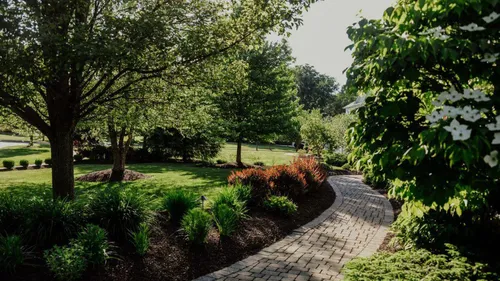
Morel Landscaping LLC provides personalized landscape design, construction, and maintenance services in Cleveland, OH. They offer comprehensive solutions including lawn care, fertilization, weed control, sprinkler installation and repair, landscape lighting, and hardscaping such as patios and retaining walls. Their team manages every detail from initial design through ongoing maintenance, focusing on turf and plant health with customized treatments and efficient irrigation systems to support vibrant outdoor spaces.
Sprinkler Pro LLC
9329 Ravenna Rd STE J, Twinsburg, OH 44087
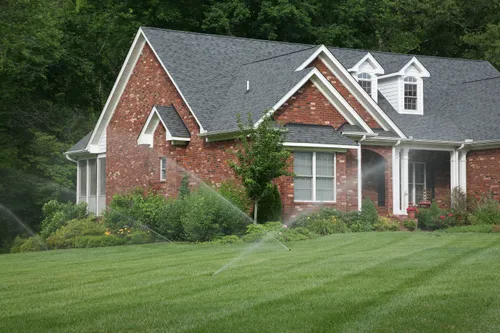
Sprinkler Pro LLC is a landscape lighting and irrigation company based near Cleveland, OH, with over 20 years of experience. They specialize in designing and installing outdoor lighting systems and providing irrigation maintenance, repairs, and seasonal services. The company is known for working with quality products such as Rain Bird and Kichler and focuses on enhancing both the beauty and functionality of landscapes. Founded in 2008, Sprinkler Pro LLC emphasizes continuing education for its technicians and community involvement.
How Sprinkler Systems Work in Your Parma Yard
At its core, a residential irrigation system is a network of underground pipes, valves, and sprinkler heads controlled by a central timer. The system divides your property into distinct zones-such as the front lawn, backyard, flower beds, or shrub areas-each with its own specific watering needs. This zoning allows you to program different schedules and durations for grass versus delicate perennials, ensuring every plant gets the right amount of moisture.
The journey of water through your system begins at your home's main water supply. It first passes through a critical safety device called a backflow preventer, which protects your drinking water from contamination. From there, water is directed by an electronic controller to a series of valves, each governing a single zone. When the controller signals a valve to open, water flows through the underground pipes and out through the strategically placed sprinkler heads.
Key Components of an Irrigation System
- Controller/Timer: The brain of the operation. Modern controllers can be programmed with multiple schedules and often feature smart technology that adjusts watering based on weather conditions.
- Valves: These are electrically operated gates that control water flow to each zone. They are typically housed in valve boxes buried in the yard for easy access.
- Sprinkler Heads: The endpoints that distribute water. They pop up when the zone is active and retract when finished.
- Piping: A network of PVC pipes connects all components underground.
- Sensors: Optional but highly recommended, rain sensors or soil moisture sensors can override the scheduled watering to prevent overwatering after a rainfall.
Choosing the Right Sprinkler Heads and Layout
Selecting the appropriate sprinkler heads is crucial for efficient water distribution. There are two primary types used in lawn irrigation:
- Spray Heads: These are used for smaller, rectangular, or irregularly shaped areas. They emit a fixed spray pattern (full circle, half-circle, quarter-circle) and are ideal for covering ground uniformly in tight spaces 1.
- Rotary Heads: Also known as rotors, these heads rotate a stream of water back and forth, covering larger, open areas like big lawns. They apply water more slowly than spray heads, which reduces runoff and allows for better soil absorption.
The golden rule for any effective sprinkler system layout is achieving head-to-head coverage2. This means the spray from one sprinkler head should reach all the way to the adjacent heads. This overlap ensures every square inch of your lawn receives an even amount of water, eliminating dry brown spots or overly saturated areas. Professional installers will map out your property to create zones that utilize the correct head type and spacing to achieve this ideal coverage 3.
For garden beds, vegetable plots, or around trees and shrubs, drip irrigation is often the superior choice. This method delivers water slowly and directly to the root zone through a network of tubes and emitters, minimizing evaporation and weed growth while maximizing water efficiency 4.
Smart Watering Practices for Parma's Climate
Living in Northeast Ohio means dealing with distinct seasons, and your irrigation practices should adapt accordingly. The general rule for lawn health is to water deeply and infrequently, encouraging grass roots to grow deeper into the soil. In the peak of summer, this typically means 2-3 watering sessions per week, rather than short daily sprinklings.
The timing of watering is also critical. The best time to water your lawn is in the early morning, between 4 a.m. and 10 a.m. Winds are usually calmer, temperatures are lower, and water has time to soak into the soil before the midday sun causes excessive evaporation. Watering in the evening can leave grass blades damp overnight, potentially encouraging fungal diseases.
The most significant seasonal task for Parma irrigation system owners is winterization. Before the first hard freeze (typically in late October or November), the system must be completely drained of water to prevent frozen pipes and components from cracking and bursting. This process, known as "blowing out" the system, uses compressed air to clear water from all lines, valves, and heads. In the spring, a professional start-up service will check for any winter damage, activate the controller, and adjust heads to ensure everything is ready for the growing season.
Find the perfect sprinkler & irrigation companies for your needs
Get personalized recommendations and expert advice
Understanding Installation and Repair Costs
The cost of a new sprinkler system in Parma varies widely based on your property's size, complexity, and the components used. The primary cost driver is the number of zones required, as each zone adds valves, piping, and labor.
- Small System (1-2 zones): For a modest yard or specific area, installation typically ranges from $1,500 to $3,000.
- Medium System (2-4 zones): Covering a standard residential lot often falls in the $3,000 to $7,000 range.
- Large or Complex System (4+ zones): For larger properties, sloped yards, or systems incorporating drip irrigation, costs can range from $8,000 to $15,000 or more 5.
- Per-Zone Average: A useful benchmark is an average cost of $600 to $800 per zone, which includes materials and labor 6.
Additional features like smart controllers that connect to Wi-Fi and adjust based on local weather data, or soil moisture sensors, will add to the upfront cost but can lead to significant water savings over time 7. Repair costs are highly variable, covering everything from fixing a leak in a pipe ($150-$350) and replacing a broken sprinkler head ($75-$150) to troubleshooting a faulty valve or controller 8. Regular maintenance, including annual start-up and winterization services, is a recommended investment to avoid costly emergency repairs.
Working with Local Irrigation Professionals
Given the technical and site-specific nature of irrigation work, partnering with a knowledgeable local company is vital. Professionals serving the Cleveland and Southwest Cleveland area understand Parma's local building codes, soil types, and common water pressure issues 9. They can secure any necessary permits and ensure the system design meets local regulations.
When seeking estimates, reputable companies will insist on an on-site consultation. They will measure your property, assess sun and shade patterns, discuss your landscaping goals, and test your water pressure and flow rate to design an accurate and efficient system. Be wary of quotes given over the phone without a site visit.
If your budget is a concern, ask about phased installation. A qualified installer can design a complete master plan for your property and then build it out in stages over two or more seasons, allowing you to spread the cost over time while still working toward a cohesive final system.
Frequently asked questions
Sources
Footnotes
-
Ultimate Guide to Sprinkler and Irrigation Systems - https://heartlandsprinklers.com/green-tips/ultimate-guide-to-sprinkler-and-irrigation-systems/ ↩
-
Professional Sprinkler System Installation: 7 Top Benefits 2025 - https://randalllandscaping.com/professional-sprinkler-system-installation/ ↩
-
Easy, step-by-step, underground sprinkler system layout guide - https://images.thdstatic.com/catalog/pdfImages/a9/a9564496-8fb7-4141-8758-5f660a7a9310.pdf ↩
-
Residential Irrigation Systems - Sprinkler Solutions Irrigation - https://www.sprinklersolutionsirrigation.com/irrigation/residential-irrigation-systems/ ↩
-
Lawn Sprinkler & Irrigation Installation Lewis Center, Ohio - https://groundsmithlandscaping.com/irrigation-installations/ ↩
-
Lawn Sprinkler & Irrigation System Installers in Cleveland - https://www.defaziocompany.com/sprinkler-system-installation/ ↩
-
Why You Should Install a Lawn Irrigation System - https://aqualawnllc.com/why-install-a-lawn-irrigation-system ↩
-
Sprinkler System Cost: Installation & Maintenance Guide - https://heartlandsprinklers.com/green-tips/sprinkler-system-cost-guide/ ↩
-
Sprinkler Systems & Irrigation Installation by A New Image Landscape - https://anewimagelandscape.com/service/sprinkler-systems-irrigation/ ↩