Find the Best Sprinkler & Irrigation Companies for Your Business
No obligation • Fast responses • Nationwide coverage

Why you can trust Landscape Atlas
Landscape Atlas is a leading United States resource for evaluating landscaping, lawn care, and outdoor service providers. Our team researches each category in depth, focusing on service quality, safety, and customer experience. Listings and rankings are based on independent criteria and user feedback, and companies cannot pay to influence our assessments or recommendations.
Search providers near you
Best Sprinkler & Irrigation Companies in Oregon Ranked
A well-designed sprinkler or irrigation system is a cornerstone of a healthy, beautiful, and water-efficient Oregon landscape. These systems automate watering, ensuring your lawn, garden, and plants receive the right amount of moisture at the optimal times, which is especially valuable given our varied climate and seasonal dry spells. This guide will help you understand the types of systems available, the installation process, key considerations for Oregon, and how to connect with qualified local professionals who can assess your property and provide a tailored solution.
Simple Lawns Landscape Design
9707 NE 54th St #C, Vancouver, WA 98662
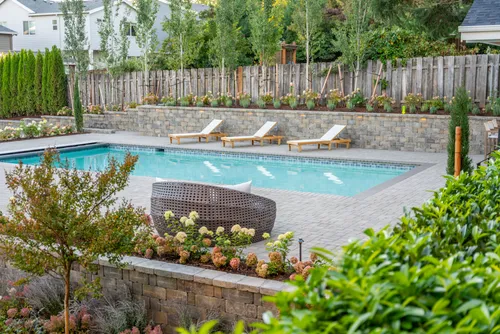
Simple Lawns Landscape Design is a family-owned landscaping and lawn care company serving Portland, OR. They provide a full range of services including lawn mowing, fertilization, weed control, landscape design, yard drainage, sprinkler installation and repair, and hardscaping such as pavers and retaining walls. With over 20 years of experience, they focus on durable outdoor solutions backed by a 5-year warranty on hardscaping. Their team includes trained installers who stay current with landscaping techniques to ensure quality results.
Lawn & Irrigation Technologies NW
2900 SE Cornelius Pass Rd Ste 336, Hillsboro, OR 97123
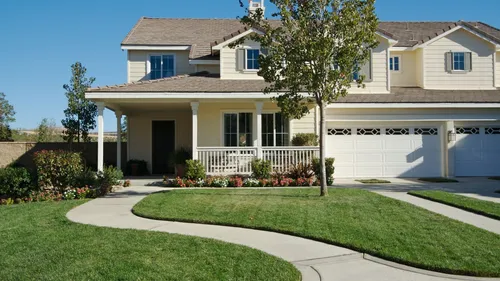
Lawn & Irrigation Technologies NW is a landscaping and irrigation contractor based in Portland, OR, serving the Washington County area for over 30 years. They offer a wide range of services including irrigation system installation and repair, sod installation, landscape lighting, paver installation, yard drainage solutions, and lawn fertilization. Their team is known for using water-efficient irrigation products and providing NDS-certified drainage solutions to enhance outdoor spaces while promoting environmental stewardship.
Wyeast Gardens, LLC
23202 SE Hoffmeister Rd, Damascus, OR 97089
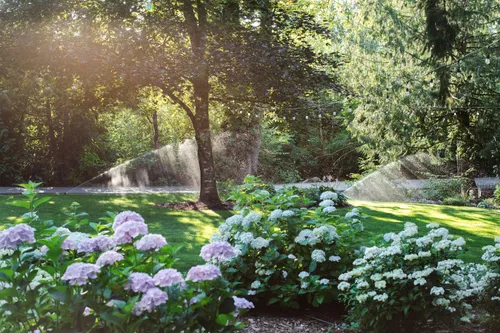
Wyeast Gardens, LLC is a full-service landscaping company based in Portland, OR, offering landscape design, irrigation installation and repair, yard drainage solutions, and hardscaping services. Serving commercial, residential, industrial, and governmental clients, they specialize in efficient irrigation systems and sustainable water management to enhance outdoor spaces. Established in 1994, Wyeast Gardens brings over 25 years of experience, including work with national cemeteries and VA hospitals, and provides skilled masonry and landscape construction services.
RoyalWorks Landscaping LLC
20948 S Charriere Rd, Oregon City, OR 97045
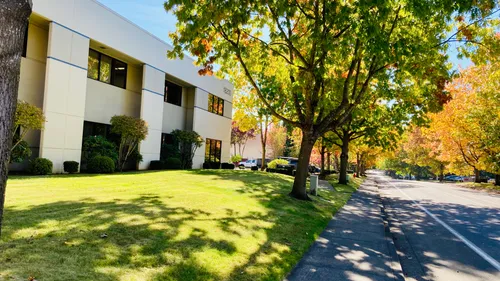
RoyalWorks Landscaping LLC is a locally owned and operated landscaping company serving Portland, OR. With over 20 years of experience, they provide a range of services including lawn mowing, lawn care, weed control, tree pruning, stump grinding, sprinkler installation and repair, and comprehensive landscaping management. Their team handles both residential and commercial properties, focusing on creating unique, sustainable outdoor spaces. They also offer irrigation management services such as spring turn-on and winterization adjustments.
Earthborn Landscape Services
10367 SE Helena St, Portland, OR 97222
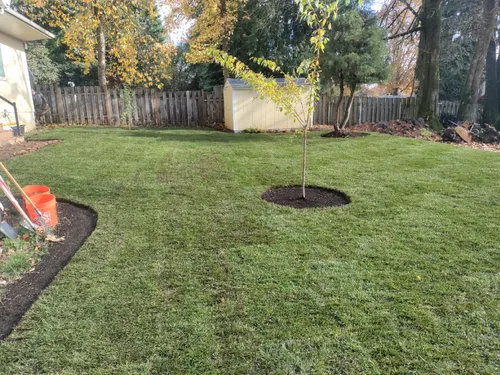
Earthborn Landscape Services is a landscaping company based in Portland, OR, offering a range of lawn care and irrigation services. They specialize in sod installation, sprinkler system installation and repair, and full landscape maintenance for residential and commercial properties. Their team prepares soil and installs sod to ensure long-lasting lawns and provides sprinkler system upgrades including WiFi controllers and drip irrigation. Clients have noted their detailed planning, respectful work ethic, and thorough clean-up after projects. Earthborn Landscape Services serves the Portland Metro area and is recognized for integrating both sprinkler and drip systems in different zones to optimize irrigation.
Understanding Your Irrigation Options
Choosing the right type of system is the first step toward efficient water management. The two primary categories are sprinkler systems and drip irrigation, each serving different purposes in the landscape.
Sprinkler Systems are ideal for covering large, uniform areas like lawns. They distribute water through a series of pop-up spray or rotor heads that are installed flush with the ground. Modern systems are divided into zones, allowing you to water a sunny front lawn differently than a shaded side yard. This zoning is crucial for efficiency and plant health 1.
Drip Irrigation is a highly efficient method that delivers water slowly and directly to the root zone of individual plants, shrubs, trees, or garden beds. It minimizes evaporation and runoff, making it perfect for vegetable gardens, perennial borders, and foundation plantings. Drip systems can be a standalone solution or integrated with a traditional sprinkler system for a hybrid approach.
The Installation Process: From Plan to Operation
Professional irrigation installation is a multi-stage process that ensures long-term reliability and efficiency.
- Site Analysis & Design: A professional will assess your property's topography, soil type, sun exposure, and plant material. They will create a detailed plan that maps out zones, pipe routes, head placement, and controller location. In some Oregon municipalities, a landscape and irrigation plan may be required for permit approval, especially for new construction or major renovations 2.
- Trenching & Piping: Following the design, trenches are dug for the mainline and lateral pipes. The depth is critical to protect pipes from freezing in winter. PVC or polyethylene pipes are then laid and connected.
- Component Installation: Sprinkler heads or drip emitters are installed at the planned locations. Valves, which control each zone, are placed in valve boxes for easy access. The system is connected to your home's water supply via a backflow preventer-a mandatory device that protects drinking water from contamination.
- Controller & Wiring: An irrigation controller (timer) is installed, often in a garage or on an exterior wall. Wiring is run from the controller to each valve to automate zone operation. Many homeowners now opt for "smart" controllers that adjust watering based on local weather data.
- System Testing & Activation: The entire system is pressurized and tested for leaks. Each zone is activated to check coverage and adjust spray patterns. The professional will then program the controller and provide a tutorial on its use.
Watering Wisely in Oregon's Climate
An efficient system is only as good as its schedule. Oregon's watering needs shift dramatically from the rainy season to the dry summer months.
- For Lawns: A general rule is that most lawns require about 1 inch of water per week during the growing season to stay healthy, including rainfall. This amount may need to increase during particularly hot, dry spells. The key is to water deeply and infrequently to encourage deep root growth, which makes grass more drought-resistant.
- For Plants & Gardens: Different landscape areas have different needs. As a guideline, established perennials and shrubs may only need about 50% of the water required by a lawn, while vegetable gardens might need about 75%3. New plantings will require more frequent watering until their root systems are established.
- Efficiency Practices: Always follow any specific guidelines from your local water district. Watering in the early morning reduces evaporation and wind drift. Regularly audit your system for broken heads, leaks, or misaligned sprays that waste water. The City of Portland and other municipalities offer resources to help homeowners save water outdoors.
Find the perfect sprinkler & irrigation companies for your needs
Get personalized recommendations and expert advice
What Influences the Cost of an Irrigation System?
The investment for a new irrigation system in Oregon varies widely based on several factors. Understanding these can help you interpret estimates from professionals.
- Property Size & Complexity: This is the primary cost driver. A small, flat yard with simple planting beds will cost significantly less than a large, sloped property with multiple planting zones, lawns, and gardens.
- System Type & Scale: A basic sprinkler system for a lawn is typically less expensive per square foot than a comprehensive drip system for intricate planting beds, though drip tubing itself is relatively inexpensive. The total number of zones required to water your property adequately directly impacts the price.
- Components & Technology: The quality of sprinkler heads, valves, and piping affects cost and longevity. Adding advanced features like weather-sensing smart controllers, soil moisture sensors, or rain shut-off devices increases the initial investment but can lead to significant water savings.
- Labor & Site Conditions: Labor constitutes a major portion of the cost. Properties with rocky soil, many existing landscape features, or difficult access can increase the time and complexity of installation.
Cost Ranges for Installation
While only a professional quote can provide an accurate price for your specific property, here are general ranges based on typical project scales in Oregon:
- Small Systems (1-2 zones): Often ranging from $1,500 to $3,000.
- Medium Systems (2-4 zones): Commonly fall between $3,000 and $7,000 4.
- Large or Complex Systems: For extensive properties or those with advanced features, costs can range from $8,000 to $30,000 or more5.
- Drip Irrigation: Installed drip systems can cost approximately $1.70 to $4.80 per square foot of coverage area, factoring in both materials and labor 6.
Maintaining and Repairing Your System
Even the best systems require occasional maintenance and repair. Common issues include broken or misaligned sprinkler heads from lawn mowers or foot traffic, leaking valves, and clogged drip emitters.
Repair costs are highly variable. A simple head replacement might cost a few hundred dollars, while diagnosing and fixing a leak in a mainline pipe or resolving a complex electrical issue with a controller can run into the thousands. Water pressure problems or a zone that won't turn on can have multiple causes, from a faulty valve to a broken wire, underscoring the need for a professional diagnosis 7.
An annual spring start-up service is recommended to pressurize the system, check for winter damage, and reprogram the controller. In the fall, a proper blow-out (winterization) is essential to remove water from the pipes and prevent freeze damage-a critical service in many parts of Oregon.
Finding the Right Professional in Oregon
When seeking an irrigation specialist, look for licensed, insured professionals with experience in Oregon's specific climate and, if applicable, your local municipality's codes. They should conduct a thorough site visit, listen to your goals, and provide a detailed, written estimate that breaks down design, materials, labor, and warranty information. A reputable provider will focus on creating a water-efficient system tailored to your landscape's unique needs, helping you conserve a vital resource while maintaining a vibrant outdoor space.
Frequently asked questions
Sources
Footnotes
-
How to Install an In-Ground Sprinkler System - This Old House - https://www.thisoldhouse.com/landscaping/how-to-install-in-ground-sprinklers ↩
-
Landscape and Irrigation Plan Processing and Information ... - https://www.medfordoregon.gov/files/assets/public/planning/documents/landscpe-irrigation/landscape-and-irrigation-plan-processing-and-information-packet.pdf ↩
-
Saving water outdoors - Portland.gov - https://www.portland.gov/water/water-efficiency-programs/save-water-outdoors ↩
-
Lawn Sprinkler & Irrigation System Installation Oregon City, OR - https://www.whiteoaknw.com/lawn-sprinkler-irrigation-installations/ ↩
-
How Much Does a Sprinkler System Cost in Oregon? - https://eugenesprinkler.com/services/cost/ ↩
-
How Much Does Drip Irrigation Cost in 2026? - LawnStarter - https://www.lawnstarter.com/blog/cost/drip-irrigation-cost/ ↩
-
Homeowner's Guide to Landscape - Medford Water - https://www.medfordwater.org/wp-content/uploads/2024/04/Homeowners-Irrigation-Guide.pdf ↩