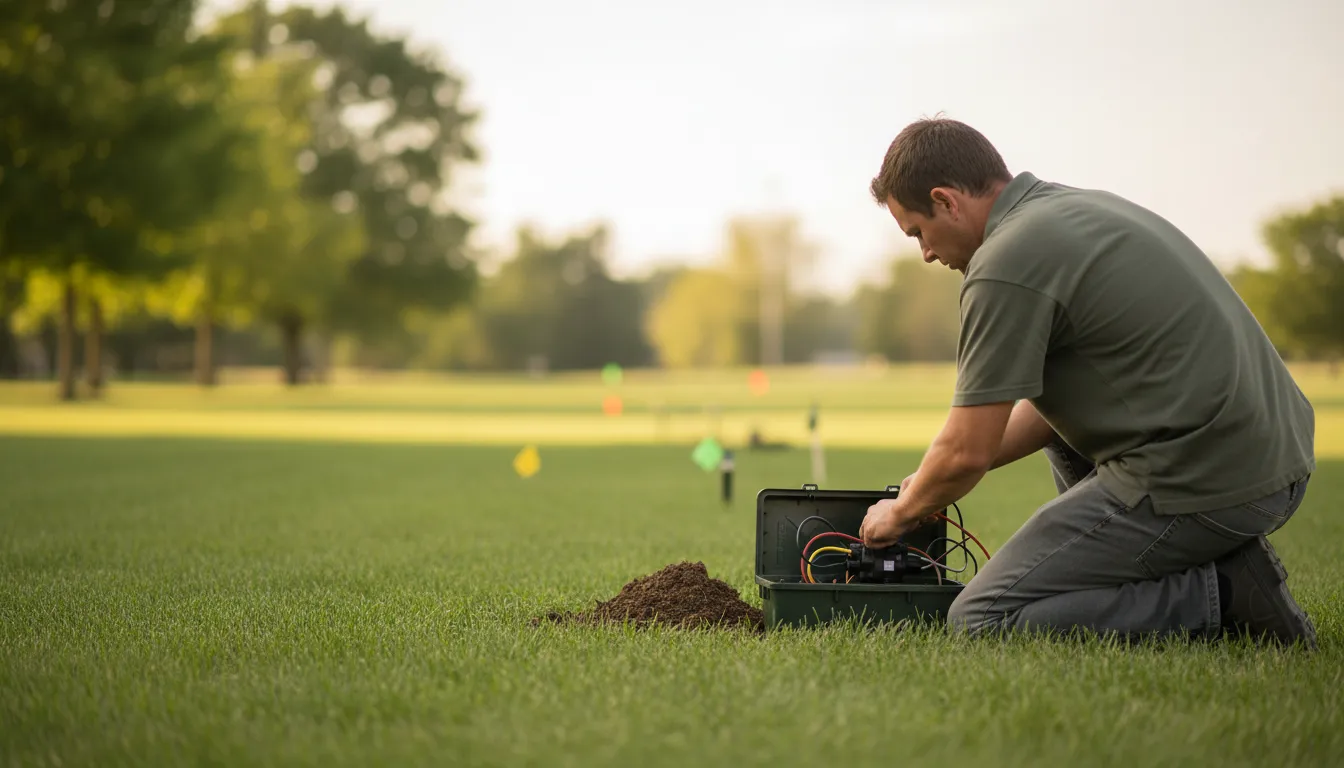
Find the Best Sprinkler & Irrigation Companies for Your Business
No obligation • Fast responses • Nationwide coverage

Why you can trust Landscape Atlas
Landscape Atlas is a leading United States resource for evaluating landscaping, lawn care, and outdoor service providers. Our team researches each category in depth, focusing on service quality, safety, and customer experience. Listings and rankings are based on independent criteria and user feedback, and companies cannot pay to influence our assessments or recommendations.
Search providers near you
Best Sprinkler & Irrigation Companies in Tennessee Ranked
A well-designed sprinkler or irrigation system is a cornerstone of a healthy, vibrant Tennessee landscape. It ensures your lawn, garden, and plants receive consistent, efficient hydration, saving you time and conserving a precious resource. Whether you're looking to install a new system, upgrade to smart technology, or maintain an existing one, this guide will help you understand your options, local considerations, and how to connect with qualified professionals in the Volunteer State.
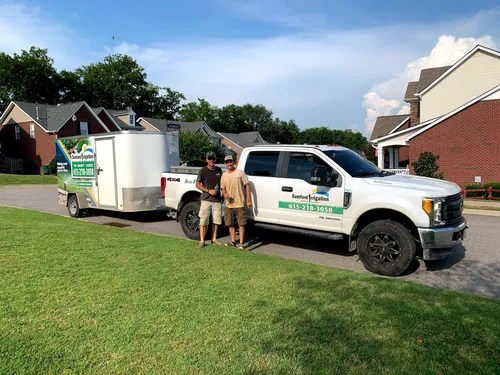
Dumford Irrigation
Nashville, TN
Dumford Irrigation is a Nashville, TN-based company specializing in irrigation system installation, sprinkler repair, sod installation, and outdoor lighting services. They serve areas including Franklin, Spring Hill, Brentwood, and Nolensville, TN. The company offers irrigation system winterization, weather system installation, site preparation, and low voltage lighting installation. Dumford Irrigation handles both installation and maintenance of lawn sprinkler systems, helping customers maintain healthy, well-watered lawns.
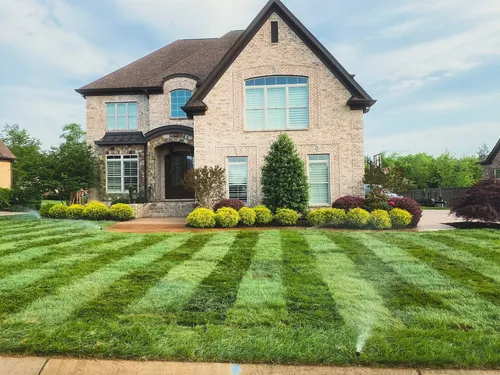
TruePoint Land Management
1803 Murfreesboro Rd, Lebanon, TN 37090
TruePoint Land Management is a lawn care company based in Nashville, TN, specializing in sod installation, irrigation systems, hydroseeding, and yard drainage services. They serve residential and commercial clients across Nashville and surrounding communities including Brentwood, Franklin, Murfreesboro, Spring Hill, Lebanon, and Mount Juliet. TruePoint installs various types of sod such as tall fescue, bermudagrass, and zoysia, using fresh turf sourced from trusted local farms to ensure healthy, durable lawns. Their services include thorough site preparation with grading and soil amendments, as well as irrigation system installation to support sod health and growth. Hydroseeding is also offered for large or sloped areas to promote faster grass establishment and erosion control.
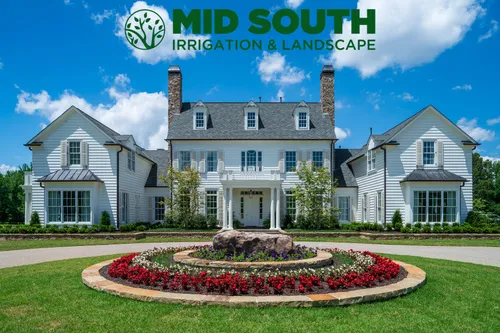
Mid South Irrigation & Landscape
1245 Midas Cove, Cordova, TN 38018
Mid South Irrigation & Landscape is a landscaping and irrigation company based in Memphis, TN. They offer customized solutions including landscape lighting installation, sprinkler system installation and repair, landscape design, and hardscaping services such as pavers and retaining walls. Their approach considers all elements of outdoor living spaces, from soil and plants to lighting and audio, to create tailored property improvements.
Green Earth LLC
1890 Wooduck Cove, Germantown, TN 38139
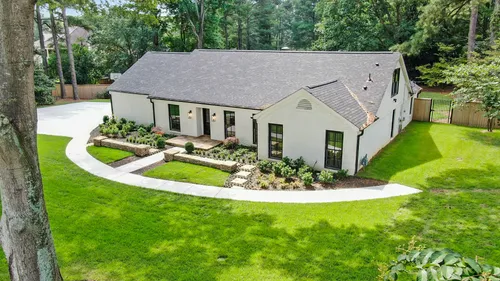
Green Earth LLC is a landscaping and irrigation company serving Memphis, TN, and the surrounding areas including Germantown, Collierville, Bartlett, and parts of Shelby County and North Mississippi. They offer a wide range of services such as landscape maintenance, design, irrigation installation and repair, drainage solutions, retaining walls, outdoor lighting, sod installation, tree services, and hardscaping. Established in 2012, Green Earth LLC combines decades of experience to provide sustainable landscaping solutions that enhance both residential and commercial properties.
Green Ventures Landscaping
9310 Franklin Rd, Murfreesboro, TN 37128
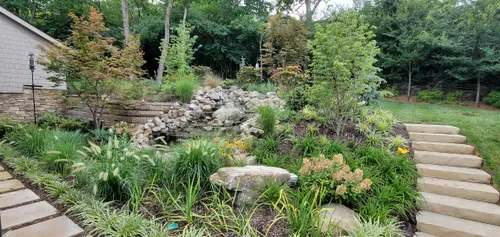
Green Ventures Landscaping is a full-service landscaping company based in Nashville, TN. They offer a wide range of services including lawn mowing, sod installation, artificial turf, landscape lighting, design, tree removal, yard drainage, sprinkler installation and repair, land clearing, and hardscaping such as pavers and retaining walls. The company is known for handling projects from design through installation, managing scheduling and materials to complete jobs efficiently. Green Ventures also provides custom drainage solutions to address water issues effectively. With over 16 years of experience, they have built a reputation for thorough and attentive service. The company is family-owned and locally operated, with a focus on customer satisfaction and clear communication throughout each project.
Understanding Your Irrigation Options in Tennessee
Tennessee's varied climate, from humid summers to occasional dry spells, makes efficient watering essential. Modern irrigation systems are designed to deliver water precisely where and when it's needed, minimizing waste and promoting deep root growth for a more resilient landscape. The right system depends on your property's specific needs, from expansive lawns to delicate flower beds.
Traditional Sprinkler Systems
For maintaining lush green lawns, traditional in-ground sprinkler systems are the most common choice. These systems use a network of underground pipes connected to pop-up sprinkler heads that water designated "zones." Heads can be stationary for smaller areas or rotating for larger coverage. A central controller automates the watering schedule, providing consistent care without daily effort from the homeowner. This is an ideal solution for the grassy areas common across Tennessee suburbs and properties.
Drip Irrigation Systems
Gardens, flower beds, shrubs, and vegetable plots benefit immensely from drip irrigation. This method delivers water slowly and directly to the base of each plant through a network of tubes and emitters. It drastically reduces water loss from evaporation and runoff, making it the most efficient way to water non-turf areas. For Tennessee gardeners, a drip system can mean healthier plants, fewer weeds, and significant water savings, especially during the hotter months.
Smart Irrigation Technology
The latest advancement in water management is the smart irrigation system. These systems go beyond simple timers by using local weather data, soil moisture sensors, and even satellite evapotranspiration rates to automatically adjust watering schedules. If it rains, the system delays watering. If a heatwave hits, it provides extra hydration. Smart controllers not only optimize plant health but also ensure automatic compliance with local water restrictions, taking the guesswork out of conservation.
The Professional Installation Process
Installing an in-ground irrigation system is a technical process best handled by experienced professionals. A proper installation ensures efficiency, longevity, and reliability. Here's a general overview of what the process entails when you hire a qualified Tennessee contractor.
- Site Analysis & System Design: A professional will first assess your property's topography, soil type, sun exposure, and plant material. They then design a zoning plan, grouping plants with similar water needs together (e.g., sunny lawn, shaded lawn, perennial beds). This customized blueprint is the foundation for an efficient system.
- Trenching & Pipe Layout: Following the design, trenches are dug for the mainline and lateral pipes that will carry water throughout your yard. Professionals use specialized equipment to minimize disruption to your existing landscape.
- Water Connection & Valve Installation: The system is connected to your home's main water supply, typically via a backflow prevention device-a crucial component required by code to keep irrigation water from contaminating your drinking water. Valves, which control the flow to each zone, are installed in valve boxes for easy access.
- Installing Sprinklers & Drip Lines: Sprinkler heads are placed and leveled in the trenches according to the design for optimal coverage. For drip zones, distribution tubing and emitters are laid out and secured.
- Controller & Sensor Setup: The irrigation controller (the "brain" of the system) is installed, often in a garage or basement. All zones are wired, and if included, rain/freeze or soil moisture sensors are connected and programmed.
- System Testing & Client Training: The entire system is pressurized and tested. Each head is adjusted for spray pattern and distance. Finally, a professional will walk you through operating the controller, explain the watering schedule, and provide maintenance tips. 1
Find the perfect sprinkler & irrigation companies for your needs
Get personalized recommendations and expert advice
Navigating Tennessee's Watering Rules & Best Practices
Being a good steward of water resources is important in Tennessee. Many municipalities have ordinances in place, especially during summer months, to manage demand on public water systems. A professional installer will be familiar with local codes, but it's helpful for homeowners to understand the general landscape.
Local Watering Ordinances
It's common for Tennessee cities and water districts to implement seasonal watering schedules. These often specify allowed watering days based on your street address (e.g., odd-numbered addresses water on odd-numbered calendar days) and may restrict watering to early morning and late evening hours to reduce evaporation. Regulations can vary, so checking with your local public works department is always recommended. Smart irrigation controllers are particularly valuable as they can be programmed to automatically comply with these rules. 2
Efficient Watering Principles
Beyond rules, following best practices promotes a healthier landscape:
- Water Deeply and Infrequently: Encouraging deep root growth is key. It's generally better to water lawns 2-3 times per week for longer durations than to water lightly every day.
- Time It Right: The best time to water is in the early morning (4 a.m. to 8 a.m.). This reduces water loss from wind and evaporation, allows foliage to dry during the day (minimizing disease risk), and aligns with typical water pressure peaks.
- Zone by Need: As designed during installation, always water turf areas separately from beds, and sun-drenched zones separately from shaded ones. This prevents overwatering some areas while underwatering others. 3
Investment and Cost Considerations in Tennessee
The cost of an irrigation system in Tennessee is an investment in your property's curb appeal, value, and your own time. Prices are influenced by property size, complexity, system type, and local labor rates.
- Overall Installation Cost: For a full traditional sprinkler system, costs are often calculated by the square foot of irrigated area or by the number of zones. In Tennessee, you can expect a range of $0.88 to $1.65 per square foot or $590 to $1,340 per zone. A typical residential system often falls within a total project range of $3,000 to $6,000, though larger or more complex properties will be higher. 4 5 6
- Drip System Costs: Drip irrigation for garden beds and landscaping is generally less expensive per zone than turf sprinklers, as it uses less pipe and simpler components. Costs depend heavily on the number of plants and the complexity of the layout. 7
- Repairs and Maintenance: Budgeting for ongoing care is important. This includes seasonal start-up and winterization (blowing out lines to prevent freeze damage), head adjustments, nozzle replacements, and occasional valve or controller repairs. Regular maintenance by a professional can prevent small issues from becoming costly problems. 8
Choosing a qualified, licensed, and insured Tennessee contractor is crucial. They will provide a detailed, written estimate based on a site visit, explain the equipment they use, and offer a warranty on their workmanship. This ensures your irrigation system is a reliable asset for years to come.
Frequently asked questions
Sources
Footnotes
-
How to Install an In-Ground Sprinkler System - This Old House - https://www.thisoldhouse.com/landscaping/how-to-install-in-ground-sprinklers ↩
-
Drip Irrigation For Vegetable Gardens - Sprinkler Guides - https://school.sprinklerwarehouse.com/design-install/drip-irrigation-for-vegetable-gardens/ ↩
-
Irrigation & Sprinkler Services in Kingsport - https://www.promierlandscapes.com/irrigation-sprinkler-services/ ↩
-
Irrigation Installation | Sprinkler Systems | Clarksville, TN - https://www.aquaquestirrigation.com/irrigation-installation ↩
-
How Much Does it Cost to Install a Sprinkler System in 2026? - https://lawnlove.com/blog/sprinkler-system-cost/ ↩
-
How Much Does a Sprinkler System Cost in 2026? - LawnStarter - https://www.lawnstarter.com/blog/cost/sprinkler-system-price/ ↩
-
How Much Does Drip Irrigation Cost in 2026? - LawnStarter - https://www.lawnstarter.com/blog/cost/drip-irrigation-cost/ ↩
-
Best Irrigation System Installation Cost 2025: Smart Guide - https://bostonlandscapeco.com/irrigation-system-installation-cost/ ↩