Find the Best Sprinkler & Irrigation Companies for Your Business
No obligation • Fast responses • Nationwide coverage

Why you can trust Landscape Atlas
Landscape Atlas is a leading United States resource for evaluating landscaping, lawn care, and outdoor service providers. Our team researches each category in depth, focusing on service quality, safety, and customer experience. Listings and rankings are based on independent criteria and user feedback, and companies cannot pay to influence our assessments or recommendations.
Search providers near you
Best Sprinkler & Irrigation Companies in Washington Ranked
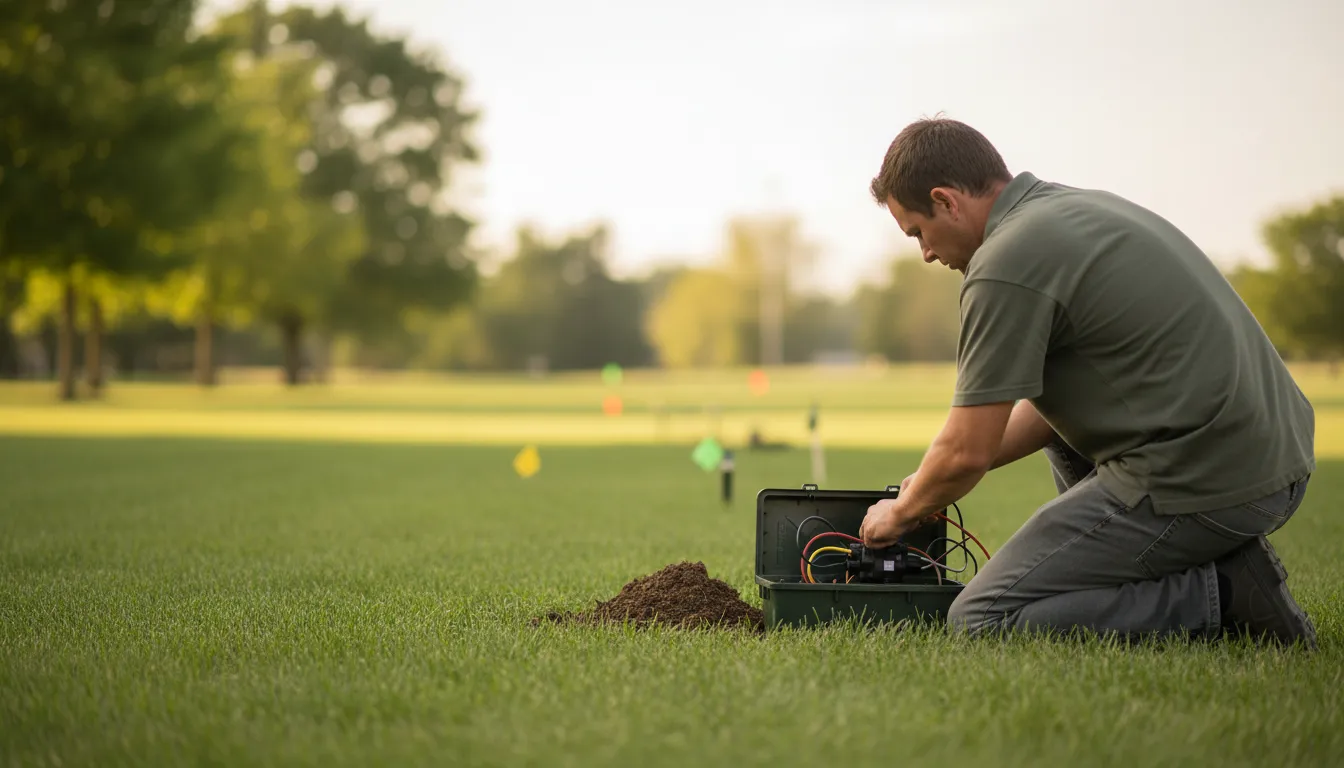
A well-designed sprinkler and irrigation system is a practical investment for any Washington property owner, saving time and water while ensuring a healthy, vibrant landscape. These systems deliver precise, automated watering tailored to your lawn and garden's specific needs, which is especially valuable during the state's dry summer months. This guide provides essential information on types of systems, installation, local regulations, and costs to help you connect with qualified local professionals for your project.
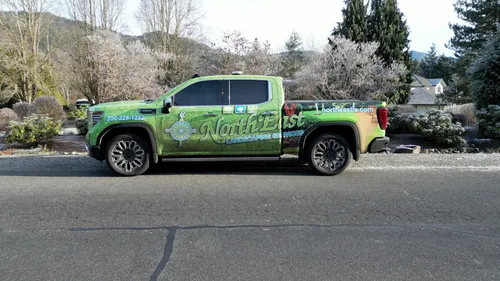
North East Landscaping Services
12259 155th Ave SE, Renton, WA 98059
North East Landscaping Services is a family-owned landscaping company with over 20 years of experience serving residential and commercial clients in Seattle, WA. They provide a comprehensive range of outdoor services including lawn care, fertilization, weed control, sod and artificial turf installation, fence and deck construction, landscape lighting, tree services, yard drainage, sprinkler installation and repair, as well as hardscaping like pavers and retaining walls. The company emphasizes quality workmanship and building lasting relationships with clients, handling projects of all sizes with care and honesty.
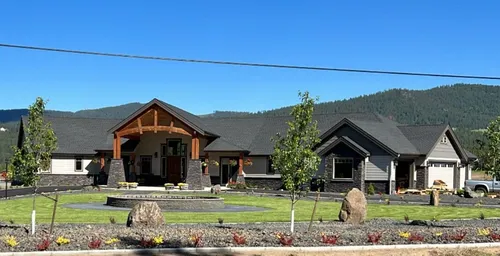
American Sprinkler & Landscape LLC
Spokane, WA
American Sprinkler & Landscape LLC is a full-service landscaping company based in Spokane, WA. They provide a range of landscaping services including sprinkler installation, sprinkler repair, and seasonal snow removal to keep walkways and driveways clear and safe during winter. With over 20 years of experience and serving Spokane and surrounding areas since 2004, they handle projects of various sizes throughout the year.
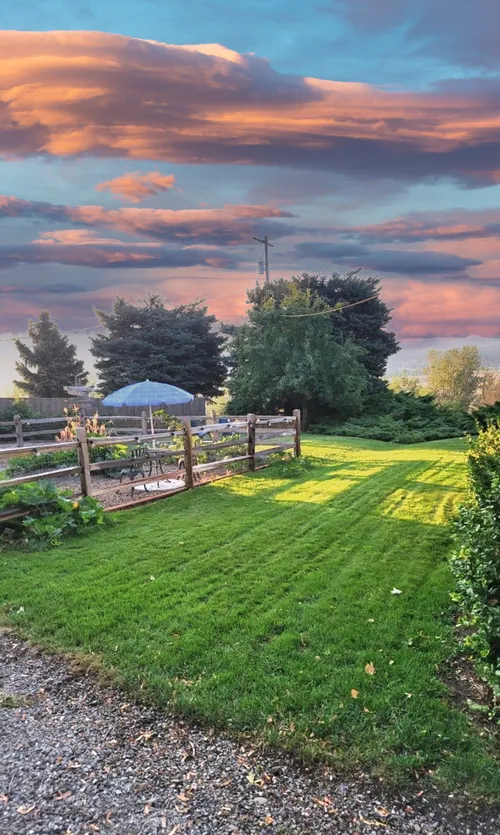
Supreme Sprinklers
Spokane, WA
Supreme Sprinklers provides sprinkler installation, repair, and irrigation services in Spokane, WA. They focus on maintaining system integrity through professional seasonal servicing, ensuring parts, design, and labor are guaranteed when handled by their technicians. The company emphasizes the importance of proper service to avoid damage and maintain warranty coverage.
Saltos Landscaping LLC
Seattle, WA
Saltos Landscaping LLC is a landscaping company based in Seattle, WA, offering design, installation, and maintenance services. They specialize in landscape design and sprinkler system installation and repair, addressing issues like uneven watering and system leaks to maintain healthy landscapes. Their services help manage the challenges posed by Seattle's varying weather patterns, ensuring efficient irrigation and landscape care.
Jones Sprinklers, Inc.
4042 S Bowdish Rd # 2, Spokane Valley, WA 99206
Jones Sprinklers, Inc. provides sprinkler installation, repair, and irrigation services in Spokane, WA. They focus on maintaining lawns with reliable and efficient sprinkler systems using quality equipment and materials. Their team is experienced in all aspects of sprinkler system work and aims to deliver thorough workmanship and attention to detail.
Understanding Your Irrigation Options
Choosing the right type of irrigation is the first step toward an efficient and effective system. The main options available in Washington cater to different landscape needs and water conservation goals.
Standard Sprinkler Systems: These are the most common choice for lawns. They use pop-up spray heads that distribute water in fixed patterns, such as full, half, or quarter circles. They are ideal for uniform coverage of grassy areas and are a core component of most residential installations.
Drip Irrigation: For gardens, flowerbeds, shrubs, and trees, drip irrigation is the gold standard for efficiency. This method delivers water slowly and directly to the root zone through a network of tubing and emitters, drastically reducing evaporation and runoff compared to traditional sprinklers. It's an excellent choice for vegetable gardens and ornamental plantings.
Rotary Nozzles: When covering large, open areas like expansive lawns or commercial properties, rotary heads are often preferred. They rotate a stream of water, providing more uniform coverage over a greater distance than stationary spray heads, which can be prone to wind drift and uneven watering in large zones.
Smart Irrigation Controllers: This technology elevates any system. Smart controllers automatically adjust watering schedules based on local weather data, soil moisture, and evaporation rates. They help ensure you only water when needed, which can lead to significant water savings and helps automatically comply with seasonal watering restrictions.
The Installation Process: What to Expect
Installing an in-ground irrigation system is a multi-step process typically handled by professionals over one to three days for an average yard. Understanding the steps can help you prepare for the project.
- Design and Planning: A professional will start with a detailed site plan. This involves measuring your property, assessing sun exposure and slope, and grouping plants with similar water needs into separate "zones." Proper zoning is critical for efficiency, ensuring turf, shrubs, and garden beds receive appropriate amounts of water 1.
- Permits and Water Connection: In many Washington municipalities, including Seattle, you may need a permit for a new irrigation system, especially when tapping into the city water main. Seattle Public Utilities, for example, offers an "Irrigation-Only" water service connection for this purpose 2. A critical safety component installed at this stage is a backflow preventer, which stops contaminated water from flowing back into the public drinking supply.
- Trenching and Pipe Laying: Trenches are dug according to the design plan to lay the mainline and lateral pipes. The depth protects pipes from freezing and lawn equipment.
- Valve and Head Installation: Control valves for each zone are installed in valve boxes for easy access. Sprinkler heads or drip line emitters are then placed at their designated locations.
- Controller Setup: The irrigation timer or smart controller is wired to the valves and programmed with initial watering schedules based on the zone types.
- Testing and Final Adjustments: The entire system is pressurized and tested. Professionals will check for leaks, adjust the arc and radius of sprinkler heads, and fine-tune run times. Once everything is operational, the trenches are backfilled.
Water Conservation and Local Regulations in Washington
Water efficiency isn't just good practice in Washington-it's often a requirement. The state's climate, with wet winters and dry summers, makes mindful watering essential.
Seasonal Watering Restrictions: Many cities and counties in Washington implement mandatory summer watering restrictions to manage demand during peak dry periods. These rules often specify allowed watering days and times. For instance, some areas may restrict watering to certain days of the week or prohibit it during the hottest parts of the day. A smart controller can be programmed to automatically follow these rules 3.
Efficient Watering Practices: Beyond the hardware, how you water matters. The goal is deep, infrequent watering that encourages strong root growth. For drip systems, a common practice is to run zones for about 30 minutes, wait 30 minutes for water to soak in, and then run again to ensure deep penetration without runoff 4. Regularly auditing your system for broken heads, leaks, and misaligned spray patterns is a key part of maintenance that conserves water.
Find the perfect sprinkler & irrigation companies for your needs
Get personalized recommendations and expert advice
Cost Considerations for Installation and Maintenance
The investment in an irrigation system varies based on property size, system complexity, and the components chosen. Here's a general overview of what to expect in Washington.
Installation Costs: For a standard residential yard, installing a new in-ground sprinkler system typically ranges from $2,000 to $5,000 5 6. Larger properties (e.g., 1/4 acre or more) can see costs from $3,000 to $10,000+ due to more zones, piping, and labor. A drip irrigation system for garden beds is often less expensive, generally costing between $1,000 and $3,000 for materials and installation 7. Adding a smart controller usually represents an additional investment of $200 to $500 5.
Ongoing Maintenance and Repair: To protect your investment and ensure efficiency, regular maintenance is non-negotiable. Key annual services include a spring start-up (turning the system on, checking for winter damage, and reprogramming the controller) and winterization (blowing compressed air through the lines to remove all water before freezing temperatures arrive) 8. Repair costs for leaks, broken heads, or valve issues vary but are a normal part of system ownership. Proactive maintenance helps avoid wasted water and higher utility bills 9.
Benefits of a Professional Irrigation System
The advantages of installing a modern irrigation system extend far beyond simple convenience.
- Saves Time and Water: Automation eliminates the chore of manual watering. More importantly, a zoned system with efficient components and smart technology applies water precisely where and when it's needed, reducing waste significantly.
- Promotes Landscape Health: Consistent, appropriate watering leads to healthier lawns and plants that are more resilient to pests, disease, and summer heat stress.
- Increases Property Value: A lush, green landscape enhances curb appeal. A professionally installed irrigation system is often viewed as a valuable upgrade by potential homebuyers.
- Adapts to Regulations: A properly programmed system, especially one with smart features, makes it easy to comply with local watering restrictions, giving you peace of mind.
For accurate pricing and advice tailored to your specific property and local city codes, it's always recommended to get detailed quotes from licensed, local irrigation contractors.
Frequently asked questions
Sources
Footnotes
-
How to Install an In-Ground Sprinkler System - This Old House - https://www.thisoldhouse.com/landscaping/how-to-install-in-ground-sprinklers ↩
-
Irrigation Only Water Services - Utilities | seattle.gov - https://www.seattle.gov/utilities/construction-resources/water/irrigation-only-services ↩
-
The Ultimate Guide to Irrigation Management for Commercial Properties in Houston - https://www.monarchlm.com/blog/guide-to-irrigation-management-commercial-properties-in-houston ↩
-
Drip Irrigation For Vegetable Gardens - Sprinkler Guides - https://school.sprinklerwarehouse.com/design-install/drip-irrigation-for-vegetable-gardens/ ↩
-
The Value of Installing Irrigation in Seattle: Why It's Worth It - https://landscapingseattle.com/the-value-of-irrigation-installation-in-seattle-why-its-worth-it/ ↩ ↩2
-
How Much Does a Sprinkler System Cost? (2026) - HomeGuide - https://homeguide.com/costs/sprinkler-system-install-cost ↩
-
How Much Does Drip Irrigation Cost in 2026? - LawnStarter - https://www.lawnstarter.com/blog/cost/drip-irrigation-cost/ ↩
-
Irrigation Service l Sustainable Winterization Seattle WA - https://seattlelandscapes.com/services/irrigation-specialists/ ↩
-
The Pros and Cons of Installing an Irrigation System - https://sprinklersystemsolutions.com/the-pros-and-cons-of-installing-an-irrigation-system/ ↩