Find the Best Tree Service Companies for Your Business
No obligation • Fast responses • Nationwide coverage

Why you can trust Landscape Atlas
Landscape Atlas is a leading United States resource for evaluating landscaping, lawn care, and outdoor service providers. Our team researches each category in depth, focusing on service quality, safety, and customer experience. Listings and rankings are based on independent criteria and user feedback, and companies cannot pay to influence our assessments or recommendations.
Search providers near you
Best Tree Service Companies in Illinois Ranked
Professional tree care is a critical investment for maintaining the safety, health, and beauty of your Illinois property. From managing storm-damaged limbs to removing hazardous trees or simply pruning for better growth, these specialized services protect your home and landscape. This guide explains common tree care practices, what to expect from local professionals, and how to make informed decisions for your specific needs.
Huber Tree Expert
1622 Scoville Ave, Berwyn, IL 60402
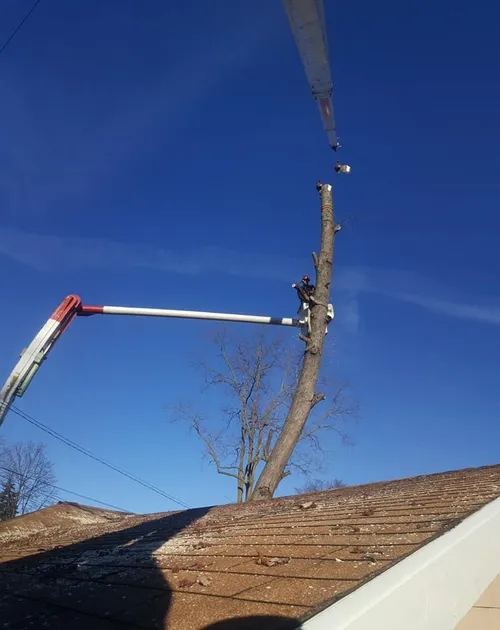
Huber Tree Expert is a family-owned tree care company serving Chicago, IL, and surrounding areas including Cook and DuPage Counties. Since 1987, they have provided a full range of services such as tree removal, stump grinding, tree trimming, ornamental pruning, and land clearing. Their team combines certified arborist expertise with professional equipment to handle projects ranging from routine maintenance to large-scale land clearing. With decades of experience, they focus on preserving the health and safety of trees and properties in the local community.
White Oak Tree Care Inc.
Chicago, IL
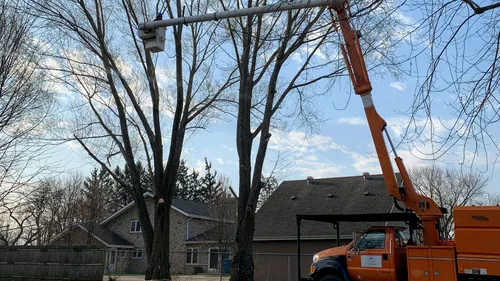
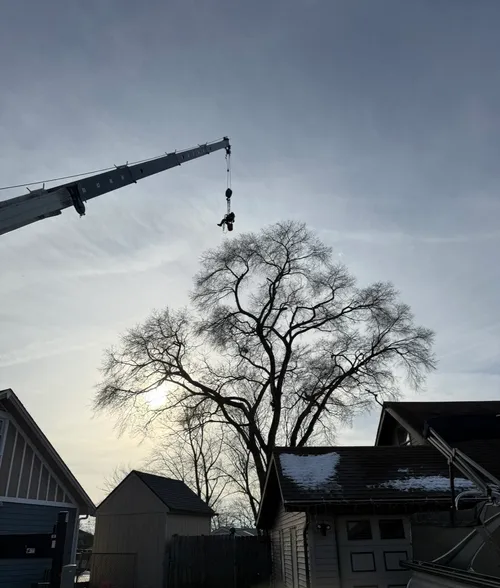
White Oak Tree Care Inc. is a locally owned tree service company based in Chicago, IL. Since 2014, they have offered a wide range of tree care services including tree removal, trimming, stump grinding, and tree planting. Their team includes master arborists who provide expert advice on tree health and maintenance. They also use crane services for large or hazardous tree removals and offer additional services such as cable bracing and seasonal maintenance. White Oak Tree Care Inc. serves the Chicago area and focuses on safe, efficient, and responsible tree care.

Lucky 7 Tree Service
28W280 Indian Knoll Trl, West Chicago, IL 60185
Lucky 7 Tree Service provides tree removal, trimming, stump grinding, cabling, bracing, and tree planting services in Chicago, IL. They serve residential, commercial, and municipal clients with a focus on careful and attentive work. The business is owned and operated by an Eagle Scout and offers 24-hour emergency services to handle urgent tree issues at any time.
The Tree Bee Arborists, llc
5898 Newport Ave, Portage, IN 46368
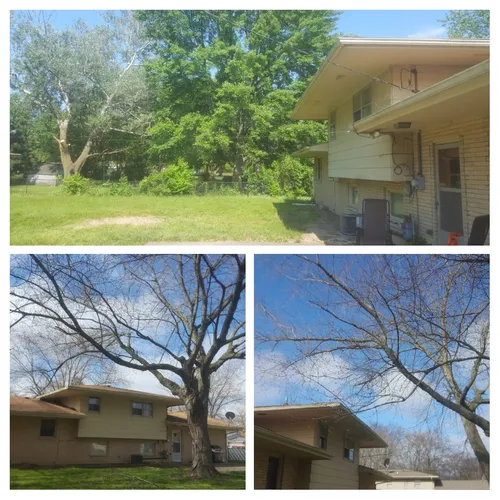
The Tree Bee Arborists, LLC provides comprehensive tree care services in Chicago, IL. Their offerings include tree risk assessments, pruning, stump grinding, removal, and emergency tree services. The company is led by an ISA Certified Arborist who ensures expert care and honest recommendations. They focus on tree preservation and plant health for both residential and commercial properties. A notable capability is their emergency tree services, which address urgent situations caused by storms or sudden damage. The Tree Bee Arborists emphasize timely arrival and reliable service.
Liberty Tree Service
Chicago, IL
Liberty Tree Service provides tree care and removal services in Chicago, IL. Their offerings include tree removal, trimming, pruning, and stump grinding. The team also handles storm damage cleanup by removing fallen trees and debris and can provide temporary roof patches after severe weather. They emphasize safe practices and use specialized equipment to manage tree health and property safety. Emergency tree removal services are available for urgent situations.
Common Tree Services Offered in Illinois
Illinois homeowners and businesses have access to a full spectrum of arboricultural services. Understanding the different types of work available helps you communicate your needs clearly to a service provider.
- Tree Removal: This is the complete felling and removal of a tree, typically recommended for trees that are dead, dying, dangerously diseased, structurally unsound, or causing property damage. The process involves careful assessment, cutting, and hauling away all large wood debris. It's important to note that removal usually does not include stump removal, which is a separate service.
- Trimming & Pruning: Performed by skilled arborists, this service enhances a tree's health, structure, and aesthetic appeal. Proper pruning removes dead or diseased branches, thins the canopy to allow light and air penetration, and eliminates hazardous limbs that could fall. Certified arborists follow industry standards to ensure cuts promote healthy growth.
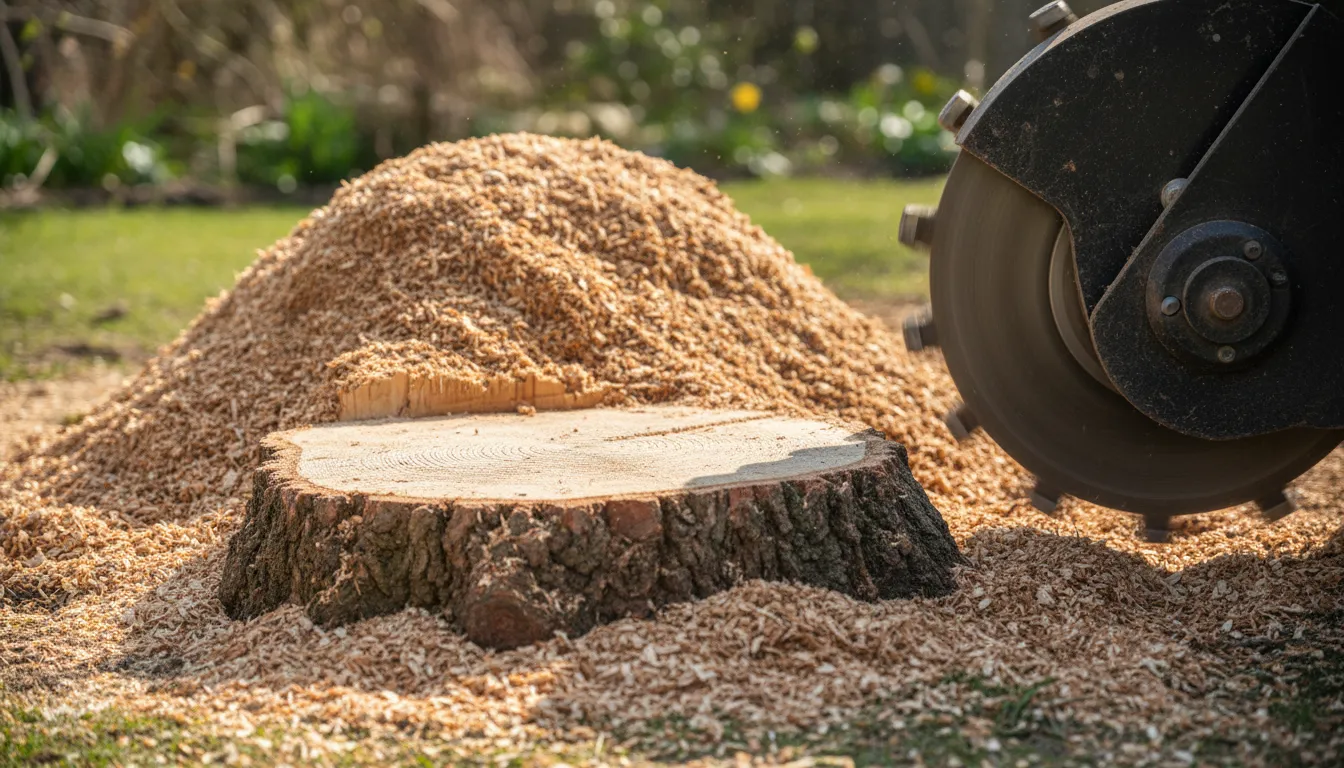
- Stump Grinding: After a tree is removed, the remaining stump can be an eyesore and a tripping hazard. Stump grinding uses a specialized machine to pulverize the stump and its major surface roots into wood chips, typically 4-8 inches below ground level. This accelerates decomposition and clears the area for replanting or other landscaping.
- Arborist Consultations: A consultation with a certified arborist provides a professional assessment of your tree's health, structural integrity, and potential risks. They can diagnose diseases, recommend treatment plans, and advise on long-term care strategies to preserve valuable trees on your property.
- Emergency Services: Storms, high winds, and heavy snow can cause sudden, dangerous tree failures. Many local companies offer 24/7 emergency response for situations like trees on homes, blocking driveways, or posing an immediate threat to safety. These services are crucial but often come at a premium due to the urgent nature and increased risk.
How Professional Tree Work is Performed
Tree service is a technical field that combines skilled labor with specialized equipment to perform jobs safely and efficiently. Here's a look at the typical process from start to finish.
1. Initial Assessment and Quote: A qualified arborist will visit your property to evaluate the tree(s) in question. They assess the species, size, health, lean, and proximity to structures, power lines, and other obstacles. This on-site evaluation allows them to determine the safest method for removal or pruning and provide you with a detailed, written estimate.
2. Equipment and Safety Protocols: Professional crews come equipped with industry-specific gear. This includes chainsaws, wood chippers, climbing and rigging equipment, personal protective equipment (PPE), and often cranes or bucket trucks for large or complex jobs. Reputable companies prioritize extensive safety training and carry ample insurance to protect your property and their workers.
3. The Removal or Pruning Process: For removals, the method depends on the tree's location. In open areas, a tree may be felled in one piece. In confined spaces, arborists use a technique called "sectional dismantling," where the tree is carefully taken down in smaller, controlled pieces using ropes and rigging to lower them safely to the ground 1. Pruning follows a strategic plan to achieve the desired health or aesthetic outcome without harming the tree.
4. Cleanup and Disposal: A key part of the service is site cleanup. Branches are fed through a wood chipper to create mulch, and large logs are cut into manageable sections. Most companies will haul away all debris, though some homeowners opt to keep the wood chips for landscaping or the logs for firewood 2. Stump grinding, if performed, leaves a pile of wood chips where the stump once was, which can be used as garden mulch or removed.
Find the perfect tree service companies for your needs
Get personalized recommendations and expert advice
Seasonal Considerations for Illinois Tree Care
Timing your tree work can impact both cost and the health of your trees. Illinois's distinct seasons offer different advantages for various services.
- Winter (Late Fall through Early Spring): This is often the best and most cost-effective time for major tree removal. Trees are dormant, making it easier for arborists to assess structure without leaves. There is also less demand for non-emergency services, which can lead to more competitive pricing 3. The frozen ground minimizes damage to your lawn from heavy equipment.
- Spring and Fall: These temperate seasons are ideal for pruning and trimming. In spring, you can easily identify dead branches that didn't survive the winter. Fall pruning helps prepare trees for winter storms. These are also prime times for planting new trees and for arborist consultations to assess tree health 4.
- Summer: While work can be done in summer, it's often the busiest season for tree companies. Scheduling may be less flexible, and pruning certain species in high heat can stress them. Emergency services for storm damage are most common during summer thunderstorm season.
Understanding Costs and Pricing in Illinois
The cost of tree service in Illinois varies widely based on the tree's size, species, location, and the job's complexity. Here's a general breakdown based on current industry data:
- Tree Removal: The primary cost driver is the tree's height. On average, you can expect to pay between $10 to $14 per foot of tree height for a standard removal. For a medium-sized tree (30-60 feet), this translates to a typical range of $385 to $1,070 for the complete job. Complex removals involving tight spaces, multiple trees, or proximity to power lines will cost significantly more 5.
- Stump Grinding: This is usually priced per stump based on its diameter. In Illinois, grinding a single stump typically costs between $75 and $200 as an add-on service after removal 6.
- Trimming and Pruning: Costs are usually estimated by the hour or as a project fee, often ranging from $75 to $125 per hour for a crew. The total depends on the number of trees, their size, and the detail of work required 7.
- Additional Factors: The final quote will also account for debris removal (hauling away logs and chips), travel time, and any permits required by your local municipality.
Key Tips for Hiring a Tree Service in Illinois
Choosing the right professional is crucial for a safe, satisfactory outcome. Keep these essential tips in mind during your search.
- Verify Insurance and Credentials: Never hire a tree care company that cannot provide proof of both liability insurance and workers' compensation insurance. This protects you from being held liable for any accidents or property damage that occur on your job site. Look for ISA (International Society of Arboriculture) Certified Arborists on staff for health-related consultations.
- Get Multiple Detailed Estimates: Obtain written estimates from at least three reputable companies. The estimate should detail the scope of work, cleanup level, total cost, and start/complete dates. Be wary of quotes that are dramatically lower than others, as this may indicate inexperience or lack of proper insurance 8.
- Ask About Bundling Services: If you need a tree removed, the stump ground, and the debris hauled away, ask if the company offers a package discount for bundling these services. This can lead to significant savings compared to scheduling each task separately.
- Plan Ahead for Non-Emergencies: For routine removal or pruning, try to schedule the work during the off-peak winter season. Not only might you secure a better rate, but you'll also have more flexibility with scheduling.
- Understand What's Included: Always clarify what the quoted price covers. Does it include 100% cleanup and debris removal? Is stump grinding included, or is it an extra charge? Getting these details in writing prevents misunderstandings later 9.
Frequently asked questions
Sources
Footnotes
-
How to Start a Tree Service Business: 11 Steps to Success - Jobber - https://www.getjobber.com/academy/tree-service-arborist/how-to-start-a-tree-service-business/ ↩
-
Tree Removal 101: What Do Tree Services Do With the Wood? - https://www.pacificgardenlandscaping.com/trees/what-do-tree-services-do-with-wood/ ↩
-
Winter Is the Cheapest Time of Year to Cut Down Your Trees - ArborTech Inc - https://arbortech1.com/winter-is-the-cheapest-time-of-year-to-cut-down-your-trees/ ↩
-
Evanston Tree Service | Tree Care Near Me: Tree Removal ... - https://progressivetree.com/ ↩
-
Tree Removal Cost [2026 Data] - Angie's List - https://www.angi.com/articles/how-much-does-tree-removal-cost.htm ↩
-
Pricing Guide: How Much Does Tree Removal Cost? - LawnStarter - https://www.lawnstarter.com/blog/cost/tree-removal-price/ ↩
-
2024 Tree Service Cost Guide: Complete Pricing Breakdown ... - https://arborists-heroes.netlify.app/blog/cost-breakdown-of-professional-tree-services-in-illinois ↩
-
4 Tips for Choosing the Right Tree Care Company for Your Property - https://limbwalkertree.com/blog/tips-choosing-right-tree-care-company-property ↩
-
Does Tree Removal Include Stump Removal? Process Explained - https://limbwalkersnc.com/2024/12/29/does-tree-removal-include-stump-removal/ ↩