Find the Best Tree Service Companies for Your Business
No obligation • Fast responses • Nationwide coverage

Why you can trust Landscape Atlas
Landscape Atlas is a leading United States resource for evaluating landscaping, lawn care, and outdoor service providers. Our team researches each category in depth, focusing on service quality, safety, and customer experience. Listings and rankings are based on independent criteria and user feedback, and companies cannot pay to influence our assessments or recommendations.
Search providers near you
Top Tree Service Companies in Chesterfield, Missouri Ranked
Maintaining the health and safety of your trees is a crucial part of property stewardship in Chesterfield. Professional tree care involves a range of services, from routine trimming and pruning to complex removals and emergency storm cleanup, all performed by trained arborists using specialized equipment. This resource connects you with local, qualified tree care specialists who can assess your needs, provide clear estimates, and ensure the work is done safely and effectively to protect your home and enhance your landscape.
STL Stump Removal
St Louis, MO
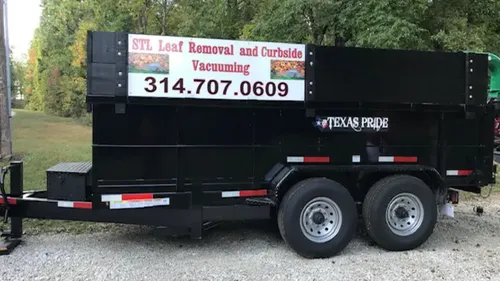
STL Stump Removal provides professional stump removal and grinding services in St Louis, MO, and surrounding counties including St. Charles, Lincoln, Warren, and Jefferson. They specialize in safely removing tree stumps using industrial-grade equipment, grinding stumps several inches below ground level to allow the area to level naturally over time. Their team is trained in advanced stump removal techniques and is fully insured to ensure safety during the process. STL Stump Removal focuses on thorough service and customer satisfaction, offering expert solutions to eliminate hazards and improve yard appearance.
Arbor Management
4757 New Poag Rd, Edwardsville, IL 62025
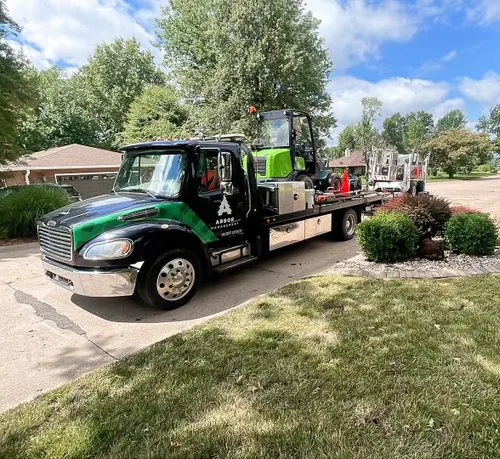
Arbor Management is a certified arborist-led tree service company based in St Louis, MO, serving the Metro East area. They provide a range of services including tree removal, stump grinding, tree trimming and pruning, commercial tree services, land clearing for developers and builders, and plant and tree healthcare. The company emphasizes safe and efficient tree removal and stump elimination, as well as expert pruning techniques to promote tree health and safety. Arbor Management has over 400 five-star reviews and is known for having ISA Certified Arborists lead every project. They also offer 24/7 emergency tree services for storm damage and hazardous situations.
B&B Tree and Landscapes LLC
9845 St Charles Rock Rd Suite 108, St Ann, MO 63074
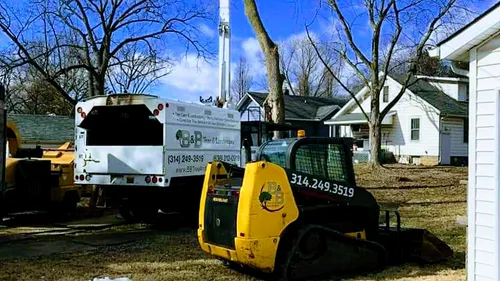
B&B Tree and Landscapes LLC is a full-service tree care and hardscape company based in St Louis, MO. They offer a wide range of services including tree pruning, trimming, cabling, fertilization, and deadwood removal, alongside hardscaping projects such as patios, walkways, and retaining walls using materials like pavers and flagstones. The company also provides green debris hauling, dump truck services, and Bobcat equipment operation for larger projects. Their team includes certified arborists trained in the latest tree care techniques, ensuring healthy and aesthetically pleasing trees. B&B Tree and Landscapes LLC is committed to customer satisfaction and safety in all their outdoor living space projects.
Southfork Tree Services
4539 Old Grn Pk Rd, St. Louis, MO 63123
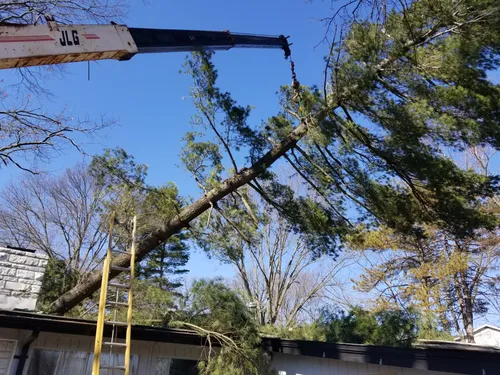
Southfork Tree Services is a locally owned and operated company in St. Louis, MO, offering a wide range of tree care and landscaping services. Their expertise includes tree removal, tree pruning, stump grinding, landscape design, retaining walls, paver patios, and landscape lighting. The company has been serving St. Louis and St. Louis County since 1990, with owner Doug Alsip bringing over 25 years of experience and being present on every job. Southfork Tree Services also provides 24-hour emergency service for urgent tree care needs. They use premium equipment such as bucket trucks and stump grinders to ensure efficient and safe work.
Spring Green
12430 Tesson Ferry Rd, St. Louis, MO 63128
Spring Green is a locally owned lawn care and tree service company based in St. Louis, MO. Since 2009, they have provided tailored lawn care, pest control, and tree care services to St. Louis and nearby communities including Ballwin, Fenton, and Mehlville. Their offerings include core aeration, grub control, lime treatment, overseeding, and total lawn insect control, focusing on maintaining healthy lawns and landscapes. One notable capability is their expertise in weed control for common local weeds like dandelion and clover.
Why Professional Tree Care Matters in Chesterfield
The mature tree canopy is a defining feature of many Chesterfield neighborhoods, providing shade, beauty, and environmental benefits. However, trees require expert attention to thrive and remain safe. Professional arboriculture services address several key concerns. Safety is the foremost reason homeowners seek help, particularly for trees that are dead, diseased, or damaged by storms, especially when they threaten structures, power lines, or walkways 1. Tree health is another major factor; proper pruning improves a tree's structure, removes hazardous deadwood, prevents the spread of disease, and thins the canopy to allow sunlight to reach the grass below. Beyond necessity, these services also cater to aesthetics and land management, helping shape trees for a cleaner look, clearing views, managing overgrowth, or clearing land for new construction projects1.
Common Tree Services Offered Locally
Local tree service companies in Chesterfield offer a comprehensive suite of solutions tailored to residential and commercial properties. Understanding these services helps you communicate your needs clearly when seeking an estimate.
- Tree Removal: This is the complete extraction of a tree, often necessary when a tree is dead, dying, dangerously positioned, or interfering with construction. It involves careful planning, cutting, and often rigging to lower sections safely without damaging the surrounding property.
- Tree Trimming & Pruning: Often used interchangeably, these services focus on selectively removing branches. Pruning is typically done for tree health and structure, while trimming may address size, shape, and clearance from buildings or power lines. This is a routine maintenance task that can prolong a tree's life.
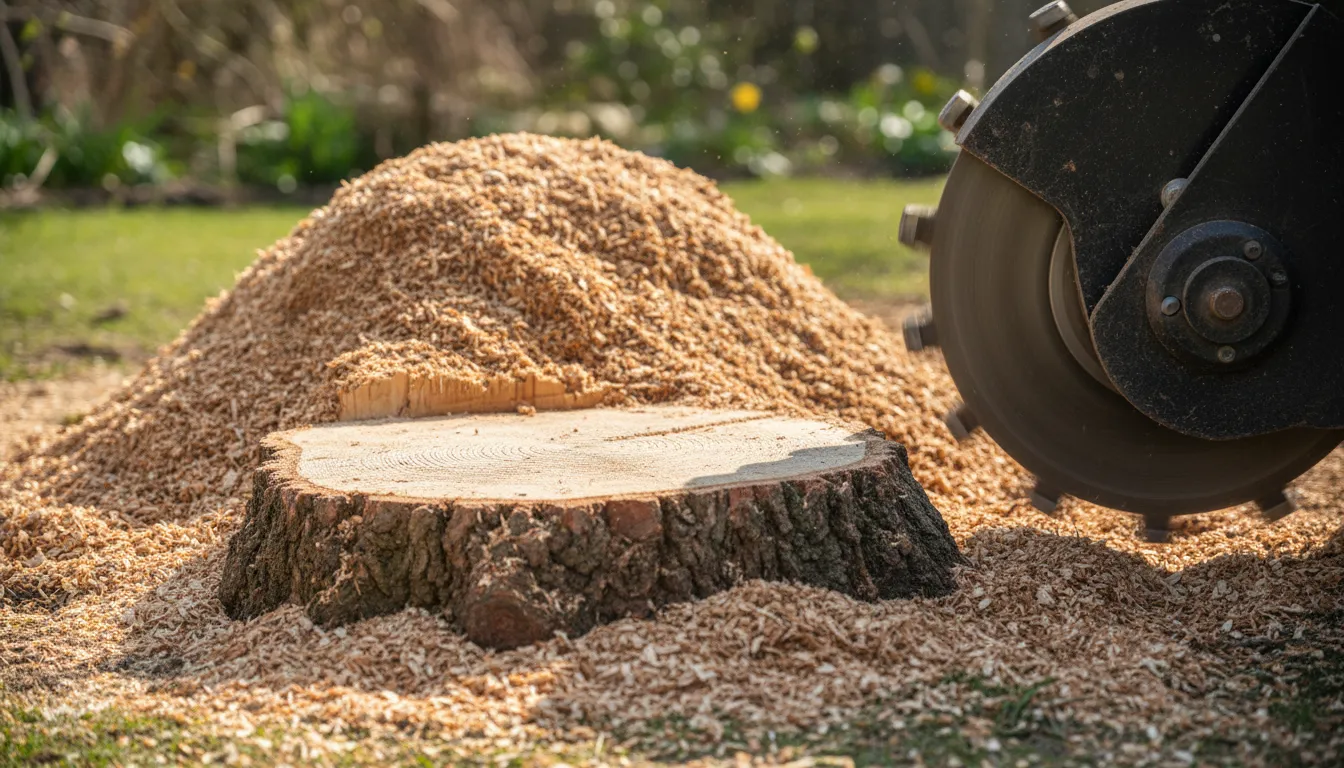
- Stump Grinding: After a tree is removed, the remaining stump can be an eyesore and a tripping hazard. Stump grinding uses a powerful machine to chew the stump and its major roots into wood chips, allowing for replanting or seamless lawn restoration.
- Emergency Storm Cleanup: Severe weather can leave behind broken limbs and hazardous, leaning trees. Many local providers offer 24/7 emergency response to secure properties and remove storm-damaged trees quickly and safely.
- Arborist Consultations: Many reputable companies employ ISA Certified Arborists who can provide expert assessments of your tree's health, diagnose diseases, recommend treatment plans, and advise on long-term care strategies.
The Process: From Consultation to Cleanup
Engaging a professional tree service follows a logical, transparent process designed to ensure your satisfaction and safety.
- Initial Contact & Quote: The process begins when you contact a local provider for a consultation. Most companies in Chesterfield offer free, no-obligation quotes. This initial call is your opportunity to describe the issue and schedule an on-site visit.
- On-Site Assessment: An arborist or tree care expert will visit your property to inspect the tree(s) in question. They assess the tree's health, identify any hazards (like proximity to power lines or buildings), evaluate site access for equipment, and discuss your specific goals-whether it's purely for safety, health, or aesthetics 2.
- Written Proposal: Following the assessment, you should receive a detailed, written estimate. This document is crucial as it outlines the full scope of work, the equipment to be used, the labor involved, cleanup details, and proof of insurance (liability and workers' compensation). Never proceed with a significant job without a written contract3 4.
- Scheduling & Preparation: Once you approve the proposal, the company will schedule the work. Before the crew arrives, they may advise you on simple preparations, such as clearing the work area of vehicles and patio furniture.
Find the perfect tree service companies for your needs
Get personalized recommendations and expert advice
- Execution of Work: On the day of service, a trained crew will arrive with the necessary specialized equipment, which may include chippers, stump grinders, chainsaws, and rigging systems. For removals, they will typically use climbing techniques and rigging to safely lower large limbs or tree sections in controlled pieces to avoid damage5.
- Cleanup & Final Walkthrough: A hallmark of professional service is thorough cleanup. This includes chipping brush, hauling away debris, and raking the area. If stump grinding was included, the hole will be filled with the resulting wood chips. The crew lead will usually do a final walkthrough with you to ensure you are satisfied with the completed work and the condition of your property6 7.
Understanding Costs for Tree Work
The cost of tree services in Chesterfield varies widely based on several factors. While free estimates provide the most accurate price for your specific situation, understanding general price ranges and what influences them is helpful.
Primary Cost Factors:
- Tree Size: Height and trunk diameter are the most significant cost drivers. A small tree is far less labor-intensive than a large, mature one.
- Location & Accessibility: Trees in tight spaces, close to homes, fences, or power lines require more careful, time-consuming work. Easy access for large equipment can reduce costs.
- Tree Health & Condition: Dead, rotten, or unstable trees are more dangerous to remove and may require specialized techniques.
- Job Complexity: The need for climbing, rigging, crane assistance, or multiple workers directly impacts the price.
- Cleanup Scope: Do you want all wood removed, or would you like some logs left for firewood? Full debris removal is standard but factors into the quote.
General Price Ranges: Based on regional and national data, here are approximate cost brackets for common services8 9 10 11 12:
- Small Tree or Large Branch Removal (under 30 ft): $150 - $450
- Medium Tree Removal (30-60 ft): $500 - $1,000
- Large Tree Removal (over 60 ft): $1,000 - $2,000+
- Routine Trimming/Pruning: The average cost for trimming services in the area ranges from $400 to $800, though this can vary based on the number of trees, their height, and the complexity of the work.
- Emergency Removal: Due to immediate response and higher risk, emergency tree removal can average $900 or more, depending on the severity of the situation.
Choosing the Right Local Provider
With several companies offering tree care in Chesterfield, making an informed choice is key. Look for providers with a strong local reputation, verifiable insurance, and certified arborists on staff. Ask for references and read online reviews from your neighbors. The most reliable companies will be transparent, answer all your questions, and provide a clear, detailed written estimate without high-pressure sales tactics. Your goal is to find a skilled partner who will treat your property with respect and care for your trees with expertise.
Frequently asked questions
Sources
Footnotes
-
Chesterfield Tree Service | Tree Removal & Trimming in ... - https://www.chesterfieldtreeservice.com/ ↩ ↩2
-
Chesterfield Tree Service - Home - https://chesterfieldtreeservice.weebly.com/ ↩
-
Chesterfield Tree Service - https://www.ballwintreeservice.com/chesterfield-home ↩
-
Tree Services in Chesterfield, MO - https://www.countytreeservice.com/chesterfield--mo ↩
-
Professional Tree & Removal Services | Chesterfield, MO - https://www.allenstreeservice.com/Chesterfield ↩
-
Chesterfield Tree Service | Monster Tree Service of St. Louis - https://www.monstertreeservice.com/st-louis/chesterfield/ ↩
-
Reliable Tree Services in Chesterfield, MO - https://www.countytreeservice.com/reliable-tree-services-in-chesterfield-mo ↩
-
2026 Tree trimming estimate template - Method CRM - https://www.method.me/pricing-guides/tree-trimming-estimate-template/ ↩
-
10 Best Tree Removal Companies in Chesterfield, MO - https://todayshomeowner.com/near-me/missouri/chesterfield/tree-removal/ ↩
-
How Much Does Tree Removal Cost? (2026 Pricing) - This Old House - https://www.thisoldhouse.com/gardening/tree-removal-cost ↩
-
Your Guide To Tree Removal Costs | Amplify Credit Union - https://www.goamplify.com/blog/homeowner/tree-removal-costs/ ↩
-
Tree Trimming in Chesterfield, MO - Costs 01 / 2026 - Homeyou - https://www.homeyou.com/mo/tree-trimming-chesterfield-costs ↩