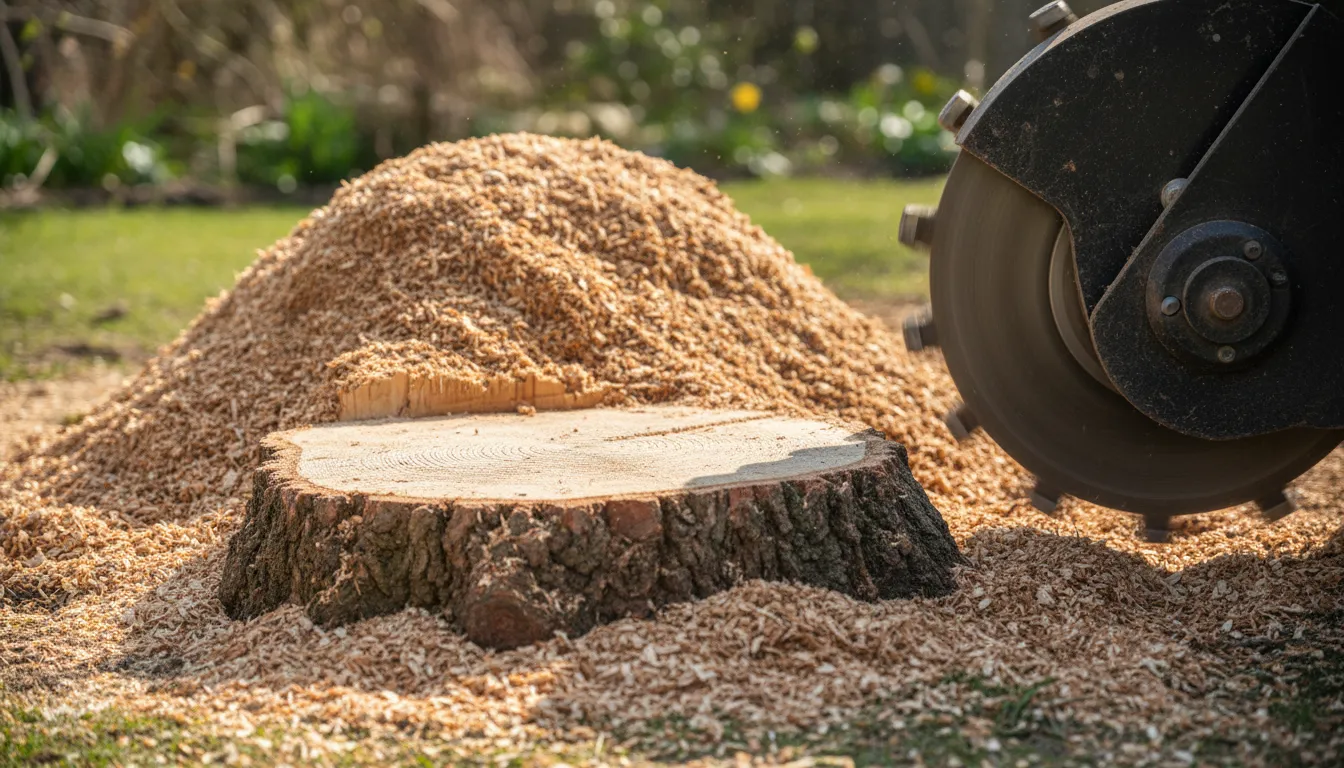
Find the Best Tree Service Companies for Your Business
No obligation • Fast responses • Nationwide coverage

Why you can trust Landscape Atlas
Landscape Atlas is a leading United States resource for evaluating landscaping, lawn care, and outdoor service providers. Our team researches each category in depth, focusing on service quality, safety, and customer experience. Listings and rankings are based on independent criteria and user feedback, and companies cannot pay to influence our assessments or recommendations.
Search providers near you
Top Tree Service Companies in Burlington, North Carolina Ranked
Maintaining the health and safety of your trees is a critical part of property care in Burlington. Professional tree care, including removal, trimming, and pruning, protects your home, enhances your landscape's beauty, and ensures the long-term vitality of your trees. This guide helps you understand common tree care needs, the process involved, and how to connect with local, qualified arborists and tree specialists for your residential or commercial property.
Rlayang Tree Service LLC
4102 Bell Orchard Dr, Greensboro, NC 27455
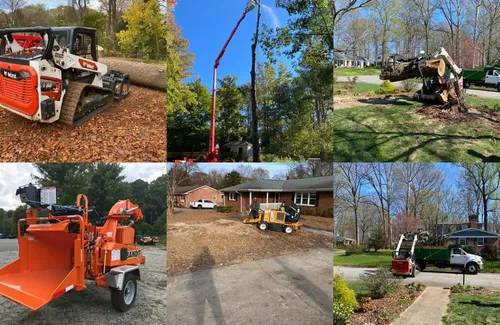
Rlayang Tree Service LLC is a family-owned tree service company based in Greensboro, NC. They provide tree trimming, pruning, removal, and stump grinding services throughout Greensboro, Winston Salem, and Highpoint. With over 20 years of experience, they handle projects of all sizes and offer emergency storm damage cleanup. Their team uses specialized equipment to safely remove trees and grind stumps, improving landscape appearance and preventing pest issues. The company operates 24 hours for emergency services, ensuring availability when urgent tree care is needed.
Pure Tree Care
Durham, NC
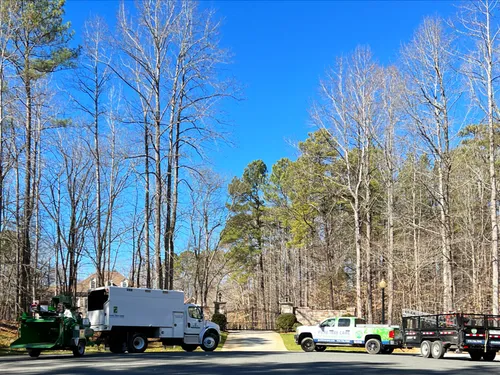
Pure Tree Care is an ISA Certified Arborist tree service based in Chapel Hill, NC, serving homeowners in Durham and nearby communities including Carrboro, Pittsboro, and Hillsborough. The company offers professional tree removal, pruning, and residential woodland management with a focus on safety, long-term tree health, and protecting property. Every job is overseen by Mark, an arborist with over 35 years of experience and a forestry degree, ensuring expert supervision and careful work throughout each project.

Wood Brothers Landscaping
316A Woodhaven Rd, Chapel Hill, NC 27514
Wood Brothers Landscaping is a full-service landscaping and hardscaping company based in Chapel Hill, serving Durham, NC, and nearby areas. They provide residential and commercial landscaping, including sod installation, grading, gravel driveway construction and repair, custom hardscapes like flagstone pathways and retaining walls, tree and shrub installations, and land clearing. Their expertise includes gravel driveway grading and drainage solutions such as piping and culverts. The company serves both homes and businesses, maintaining commercial properties including hotels in the region. Wood Brothers Landscaping works closely with clients to design and execute outdoor projects that enhance curb appeal and property value.
The Green Team
4510 Weybridge Ln suite 200 office 211, Greensboro, NC 27407
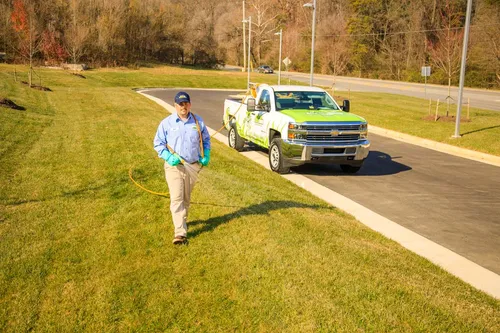
The Green Team is a lawn care company based in Greensboro, NC, serving Virginia and the Carolinas. With over 25 years of experience, they offer a range of services including lawn fertilization, weed control, aeration and seeding, tree and shrub care, and insect control. Their certified professionals use targeted treatments to maintain healthy lawns and landscapes, addressing issues like soil acidity and common pests to promote robust growth and resilience.
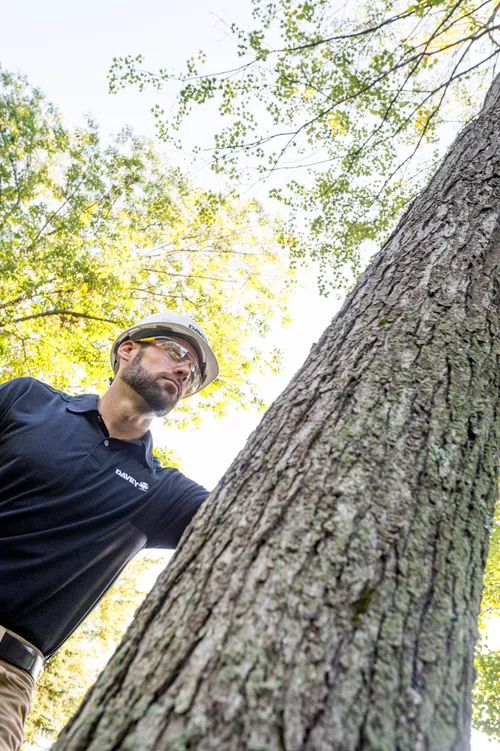
The Davey Tree Expert Company
7609 Boeing Dr, Greensboro, NC 27409
The Davey Tree Expert Company provides professional tree and lawn care services in Greensboro, NC. Their ISA Certified Arborists offer tree removal, trimming, pruning, fertilization, pest and disease treatments, and lawn care including fertilization and pest management. Serving Greensboro and surrounding communities, they focus on maintaining healthy and vibrant outdoor spaces. With over 130 years of experience in tree care, Davey combines expertise and accredited safety standards to support the health and safety of trees and landscapes.
Common Reasons for Professional Tree Care
Trees are valuable assets, but they can also become significant liabilities without proper attention. Recognizing when to call a professional is key to preventing damage and costly emergencies.
Health and Safety Concerns: The most urgent reasons for service involve the tree's structural integrity. Look for signs of dead, diseased, or decaying branches, as well as the presence of fungus, rot, or mold on the trunk. A tree that is leaning significantly or has deep cracks in its trunk poses a serious hazard and should be assessed immediately by a specialist.
Property Protection: Proactive maintenance prevents damage. Overgrown branches that contact power lines, rub against your roof, or block essential sunlight and airflow to your home need to be addressed. Strategic pruning not only mitigates these risks but also encourages healthier, more robust growth for the tree itself.
Storm Damage Response: Burlington's weather can lead to fallen trees or broken, hanging limbs that create dangerous situations. Emergency tree removal services are available to quickly clear these hazards from your property and restore safety.
Aesthetic and Health Pruning: Beyond emergencies, routine care is vital. Professional trimming improves a tree's shape, removes overcrowded limbs to allow light penetration, and enhances your property's overall curb appeal. This type of preventative maintenance is an investment in your landscape's future.
The Professional Tree Care Process: From Assessment to Cleanup
Understanding what to expect when you hire a tree service company can make the process smoother and ensure you get the results you need.
Step 1: The On-Site Evaluation It all begins with a consultation. A certified arborist or experienced tree specialist will visit your property to conduct a thorough assessment 1. They will evaluate the tree's health, size, canopy density, and the complexity of the job, noting proximity to structures, power lines, and access points 2 3. This visit allows them to determine the necessary equipment, such as bucket trucks or cranes, and identify any potential hazards 4. The outcome is typically a detailed, no-obligation quote outlining the scope of work, safety plan, and cost 1 2.
Step 2: Preparation and Safety Setup Before any cutting begins, the crew secures the work area. This involves setting up safety perimeters, using cones or signage, and taking steps to protect your lawn, driveway, and surrounding landscaping from equipment. For removals near structures, protective materials may be laid down.
Step 3: Dismantling and Removal For large or hazardous trees, arborists often dismantle them piece by piece using specialized rigging techniques to lower branches safely to the ground. In complex situations, a crane may be used for precision and safety. The main trunk is then carefully felled in manageable sections.
Step 4: Cleanup and Disposal A reputable service includes thorough cleanup. This means hauling away all wood and debris, leaving your property tidy. Stump grinding is usually offered as a separate service to remove the remaining tree base 5 6.
Find the perfect tree service companies for your needs
Get personalized recommendations and expert advice
Understanding Tree Service Costs in Burlington
Pricing for tree work is not one-size-fits-all; it depends on multiple project-specific factors. Having a general sense of cost ranges helps when reviewing quotes.
Primary Cost Factors: The final price is influenced by the tree's height and diameter, its location and accessibility, and the overall job complexity. A large oak in a tight backyard between two houses will cost more to remove than a similar tree in an open field. The need for specialized equipment like cranes or the presence of nearby power lines also increases the cost. Emergency services, requiring immediate response, typically come at a premium compared to scheduled work.
Typical Price Ranges: Based on local service data, you can expect the following general estimates:
- Small Tree Removal (up to 30 feet tall): Approximately $150 to $400.
- Medium Tree Removal (30-60 feet tall): Approximately $450 to $700 or more.
- Large or Hazardous Tree Removal: Costs can range from $900 to $3,000+, especially for trees requiring cranes or posing significant risk 7. The average cost for an emergency removal in Burlington is around $782 8.
- Stump Grinding: Often priced separately, this service typically ranges from $75 to $300, depending on the stump's size 9 10.
Always ensure you receive a detailed written estimate that breaks down the costs for labor, equipment, cleanup, and disposal.
Local Tree Care Providers and Resources
Burlington is served by several established companies offering a range of tree services for both residential and commercial clients.
Comprehensive Care Providers: Companies like Trees Are Us (formerly Alamance Gaddy) and Arbor Tree Care offer full-spectrum services including tree removal, trimming, pruning, and health assessments 11. These providers handle everything from routine maintenance to complex removals.
Emergency and Specialized Services: For urgent storm damage or hazardous situations, companies such as Affordable Tree Care offer 24/7 emergency response to secure your property quickly.
City of Burlington Services: It's important to note that the City of Burlington's Grounds Division is responsible for the maintenance and removal of trees located in the public right-of-way, such as street trees between the sidewalk and the curb 12. For trees on private property, homeowners are responsible for hiring a private tree service company.
Maintaining Tree Health After Service
Professional care doesn't end with a removal or trim. To protect your investment and your remaining trees, consider these follow-up steps. Watering newly exposed trees after a major pruning is crucial, as is monitoring them for signs of stress or disease. Applying mulch around the base (but not against the trunk) can help retain moisture and regulate soil temperature. For significant pruning or removal work, a follow-up consultation with your arborist in 6-12 months can ensure the tree is responding well and help plan any future care.
Frequently asked questions
Sources
Footnotes
-
Tree Removal, Trimming and Tree Services in Burlington, NC ... - https://www.treeserviceburlingtonnc.com/ ↩ ↩2
-
Tree Removal in Burlington, NC | Arbor Tree Care - https://www.treeserviceburlingtonnc.com/tree-removal ↩ ↩2
-
Tree Services & Tree Trimming - Burlington | Chop Chop Tree - https://www.treetrimmingburlingtonnc.com/ ↩
-
Tree Trimming And Pruning - Green Bear Tree Service, LLC - https://greenbeartreeservice.com/tree-trimming-and-pruning/ ↩
-
Tree Pruning in Burlington, NC | Arbor Tree Care - https://www.treeserviceburlingtonnc.com/tree-pruning ↩
-
Fully Insured Tree Removal Service Milton, GA - https://sesmastreeservice.com/tree-removal-services-milton-ga-p-183.html ↩
-
10 Best Tree Removal Companies in Burlington, NC - https://todayshomeowner.com/near-me/north-carolina/burlington/tree-removal/ ↩
-
Cost of Tree Removal Service in Burlington, NC - https://burlingtontreeremoval.com/cost-of/tree-removal-service ↩
-
Affordable Is Exactly What It Sounds Like: A Tree Trimming Service ... - https://www.affordabletreecarewnc.com/affordable-is-exactly-what-it-sounds-like-a-tree-trimming-service-that-fits-your-budget ↩
-
How Much Does It Cost To Remove A Tree In North Carolina? - https://www.clarkstreeexpress.com/how-much-does-it-cost-to-remove-a-tree-in-north-carolina ↩
-
Tree Service | Burlington, NC | Trees Are Us - https://www.nctreesareus.com/ ↩
-
Grounds Division | Burlington, NC - Official Website - https://www.burlingtonnc.gov/239/Grounds-Division ↩