Find the Best Fence Installers for Your Business
No obligation • Fast responses • Nationwide coverage

Why you can trust Landscape Atlas
Landscape Atlas is a leading United States resource for evaluating landscaping, lawn care, and outdoor service providers. Our team researches each category in depth, focusing on service quality, safety, and customer experience. Listings and rankings are based on independent criteria and user feedback, and companies cannot pay to influence our assessments or recommendations.
Search providers near you
Top Fence Installers in Alameda, California Ranked
Installing a fence is a significant investment that enhances your property's privacy, security, and curb appeal. In Alameda, this process involves more than just choosing a style; it requires navigating specific local regulations, selecting the right materials for the Bay Area climate, and understanding your responsibilities to neighbors. This guide is designed to help Alameda homeowners understand the key considerations-from permit requirements and height restrictions to material costs and installation best practices-so you can plan your fencing project with confidence.
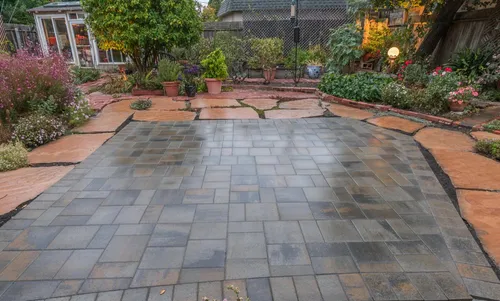
Ideal Landscape & Concrete
921 N Amphlett Blvd, San Mateo, CA 94401
Ideal Landscape & Concrete is a landscape and hardscape construction company based in San Jose, CA. Founded in 1981, they offer a range of services including fence installation, landscape lighting, yard drainage, sprinkler system installation and repair, landscaping, and hardscaping such as pavers and retaining walls. They also specialize in irrigation system installation and maintenance to support water conservation in the drought-prone Bay Area. Their capabilities include concrete and masonry construction, as well as erosion control and low-voltage lighting installation.
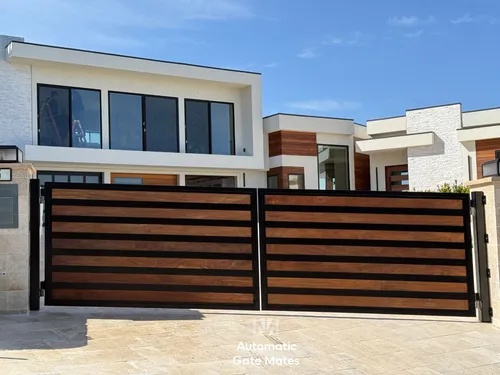
Automatic Gate Mates: Installation & Repair Contractor
5767 Arapaho Dr, San Jose, CA 95123
Automatic Gate Mates: Installation & Repair Contractor is a gate installation and repair company based in San Jose, CA. They specialize in automatic gate installation, driveway gate repair, and custom gate fabrication, serving residential and commercial properties. The company handles everything from design and fabrication to installation and motorization, including electrical work through licensed partners. Their expertise includes installing automated gates with keypads, remotes, and wireless app access, as well as repairing gate operators and enhancing gate security. Automatic Gate Mates is known for managing projects from start to finish without third-party involvement, ensuring quality control throughout the process. They have built a reputation in the San Jose area for thorough craftsmanship and attention to detail.
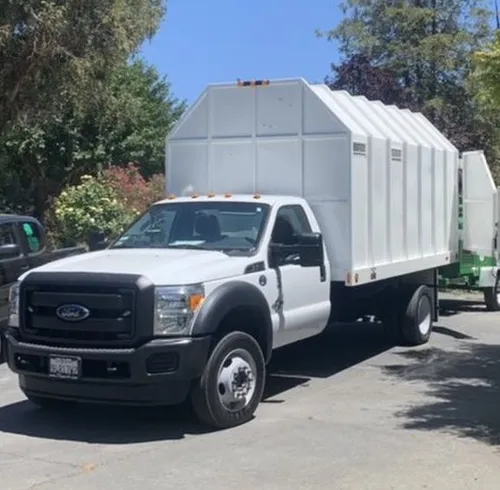
Flores Tree & Landscape
3317 Meadowbrook Rd, Antioch, CA 94509
Flores Tree & Landscape is a tree service and landscaping company serving Oakland, CA, and nearby areas. Established in 2012, they provide a wide range of services including tree trimming, removal, stump grinding, brush and land clearing, and landscaping. The company is equipped to handle emergency tree services 24/7, ensuring prompt response to hazardous situations. With over 15 years of experience, Flores Tree & Landscape offers expert care for various tree species, including oak, magnolia, and palm trees, and provides free wood chips for mulching and soil health.
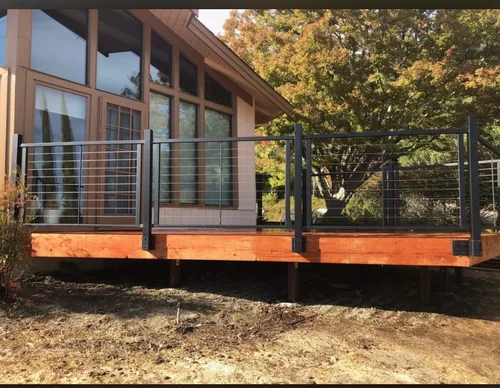
Duce Construction Deck and Fence
Oakland, CA
Duce Construction Deck and Fence is a general contractor based in Oakland, CA, specializing in deck building, fence installation, gate construction, and retaining walls. Serving the Bay Area, they offer expert craftsmanship with a focus on quality materials and fire-safe aluminum fencing to enhance property safety. Established in 1983, the company brings decades of experience to residential projects, ensuring durable and well-crafted outdoor structures.
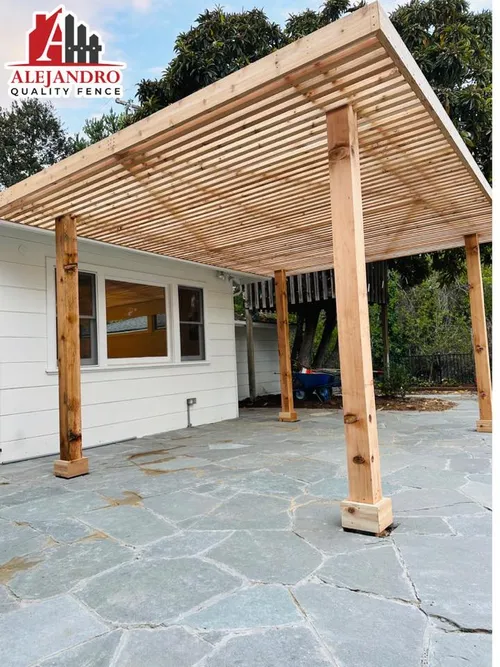
Alejandro Quality Fence Inc
San Jose, CA
Alejandro Quality Fence Inc is a family-owned business based in San Jose, CA, specializing in fence installation, concrete work, and tree services including removal and stump grinding. Serving the Bay Area, Los Banos, and Merced County, the company combines extensive industry knowledge with a focus on creating functional and attractive outdoor spaces. Established in 2020, Alejandro Quality Fence Inc builds on over 10 years of experience in Santa Clara County, emphasizing quality craftsmanship and customer experience from start to finish.
Understanding Alameda's Fence Regulations
Before you pick out a single post, it's crucial to understand the local rules governing fence construction. Alameda, like all California cities, has zoning ordinances designed to ensure safety, maintain neighborhood character, and address property line concerns.
Height Restrictions and Visibility Zones
Alameda's fence height limits are primarily determined by the fence's location on your property.
- Front Yards: Fences are typically limited to 3-4 feet in height. You may be able to install a fence up to 5 feet tall, but this usually requires obtaining a Planning Permit.
- Side and Rear Yards: The standard maximum height is 6 feet. However, you may be allowed to build up to 8 feet if the top portion (e.g., the top 2 feet) is "see-through," such as a lattice design or a section meant for vines to grow on.
- Visibility (Sight Distance) Zones: This is a critical safety regulation. Near street intersections, corners, and driveway entrances, fences cannot exceed 3 feet in height within designated "visibility triangles." This ensures drivers, cyclists, and pedestrians have a clear line of sight 1.
The Permit Process
Not every fence project requires a permit, but many do. Generally, a building permit is required for any fence over 6 feet tall. Specific designs, like retaining walls that also function as fences, or fences on property lines in certain zones, may also trigger the need for a permit. The best course of action is to contact the City of Alameda Planning and Building Department to describe your project and confirm whether a permit is needed before any work begins.
Neighbor Laws and Shared Boundaries
California law has specific statutes regarding fences on property lines. Under California Civil Code 841, if you are building or replacing a fence that sits on a shared boundary line, you are legally required to provide written notice to your adjoining neighbor before starting work 2. This "Good Neighbor Fence" law also outlines how costs for construction, maintenance, or replacement should be shared between property owners, assuming both benefit from the fence 2 3. Open communication and a clear agreement can prevent disputes.
Choosing the Right Fencing Material for Your Home
The material you choose will define your fence's appearance, durability, maintenance needs, and budget. Here's a breakdown of popular options for Alameda properties.
Wood Fencing
Wood is a classic, versatile choice that offers a natural look. It's often used for privacy fences, picket fences, and shadowbox designs.
- Pros: Affordable initial cost, highly customizable with stains and paints, provides excellent privacy when built as a solid panel.
- Cons: Requires regular maintenance like staining or sealing to protect against moisture and sun damage. Susceptible to rot, insect damage, and warping over time.
- Cost Range: Approximately $15 to $55 per linear foot, depending on the wood type (e.g., redwood, cedar, pressure-treated pine) and style.
Vinyl (PVC) Fencing
Vinyl fencing has become extremely popular due to its durability and low upkeep.
- Pros: Virtually maintenance-free-it never needs painting and can be cleaned with soap and water. Resistant to rot, insects, and moisture. Available in various colors and styles, including solid privacy panels and traditional picket designs.
- Cons: Higher upfront cost than some wood options. Can become brittle in extreme cold and may fade slightly over many years in direct sun.
- Cost Range: Typically between $20 and $60 per linear foot 4.
Chain Link Fencing
A practical and economical option favored for security and defining boundaries.
- Pros: Very cost-effective, highly durable, and requires minimal maintenance. You can add vinyl slats for increased privacy or color.
- Cons: Offers less aesthetic appeal and privacy in its basic form. Galvanized steel can rust over time if the coating is damaged.
- Cost Range: A basic galvanized chain link fence starts around $10-$20 per foot, while vinyl-coated or slatted versions can range from $30+ per foot.
Aluminum and Wrought Iron Fencing
These metal fences are prized for their strength, security, and ornamental beauty.
- Pros: Extremely durable and secure with a long lifespan. Wrought iron and aluminum offer elegant, decorative designs that enhance curb appeal. Aluminum is rust-resistant, making it excellent for coastal areas.
- Cons: Among the highest cost options. Provides limited privacy unless combined with other materials. Wrought iron requires periodic painting to prevent rust.
- Cost Range: Aluminum fencing generally costs $30 to $50+ per foot, while wrought iron ranges from $35 to $70+ per foot 5 6.
Find the perfect fence installers for your needs
Get personalized recommendations and expert advice
Planning and Executing Your Fence Installation
A successful fence project hinges on careful planning. Follow these essential steps to ensure a smooth process from start to finish.
Step 1: Verify Your Property Lines
This is the most critical first step. Installing a fence even a few inches over your property line can lead to costly legal disputes and the potential need to remove the structure. Review your property survey (plat map) or hire a professional surveyor to accurately mark your boundaries before any design or pricing discussions.
Step 2: Research and Comply with Local Codes
As outlined earlier, review Alameda's specific fence regulations. Contact the Planning Department to clarify height limits for your specific parcel and determine if your project requires a permit 7 8. Obtaining the proper permits protects you and ensures your fence is legal.
Step 3: Design and Material Selection
Consider the primary purpose of your fence. Is it for privacy, security, pet containment, or purely decoration? Solid wood, vinyl, or chain link with slats are best for privacy 9. For a decorative border, picket, aluminum, or wrought iron are ideal. Factor in long-term maintenance and how the material will withstand Alameda's weather.
Step 4: Get Detailed Quotes and Choose a Provider
When seeking estimates, ensure they are detailed and in writing. A good quote should include:
- A linear foot price for the complete project.
- Itemized costs for materials, gates, and labor.
- Specifications on material type, brand, height, and style.
- A projected timeline for completion.
- Information on warranties for both materials and workmanship.
- Proof of licensing and insurance.
Step 5: Prepare for Installation
Once you've hired a professional, prepare your yard. Clear the installation path of debris, toys, and garden hoses. Mark any underground utilities by calling 811 (the free "Call Before You Dig" service) to have utility lines marked. Finally, provide written notice to any neighbors whose property adjoins the fence line, as required by state law.
Maintaining Your New Fence
Protect your investment with proper care.
- Wood: Inspect annually for rot or loose boards. Re-stain or reseal every 2-3 years.
- Vinyl: Wash with a garden hose and mild detergent annually to prevent mildew and maintain color.
- Chain Link: Check for rust spots, especially at ground level, and touch up with rust-inhibitive paint. Tighten any loose fittings.
- Metal (Iron/Aluminum): Inspect wrought iron for chipped paint and rust, sanding and repainting as needed. Aluminum mainly needs occasional cleaning.
Frequently asked questions
Sources
Footnotes
-
standards that apply to all or some development projects with ... - https://acgov.org/cda/planning/landuseprojects/documents/CH6_072810.pdf ↩
-
California Fence Laws Explained | BLACKlineHHP - https://blacklinehhp.com/fence-laws-in-california/ ↩ ↩2
-
California Fence Permits | Privacy Fence Rules & Aluminum ... - https://aluglobusfence.com/installation/understanding-permits-and-regulations-for-privacy-fence-installation-in-california/ ↩
-
2026 Fence Installation Costs in Los Angeles & Orange County - https://everfence.com/los-angeles-orange-county/2026-fence-installation-costs-in-los-angeles-orange-county-full-pricing-guide/ ↩
-
Chain Link Fence Cost per Foot in CA: Heights, Gauges, Slats - https://fencespecialties.com/chain-link-fence-cost-california-per-foot/ ↩
-
How Much Does It Cost To Build a Fence in California in 2025? - https://metalgatemasters.com/metal-gate-masters-blog/f/how-much-does-it-cost-to-build-a-fence-in-california-in-2025 ↩
-
Complete California Fence Permit Requirements Guide - https://agvinylfencing.com/fence-permit-requirements-california/ ↩
-
FENCES | AlamedaCA.gov - https://www.alamedaca.gov/files/sharedassets/public/alameda/comm-services/formsandhandouts/planning/fences.pdf ↩
-
What's the Right Fence Height? - https://www.longfence.com/blog/whats-the-right-fence-height/ ↩