Find the Best Fence Installers for Your Business
No obligation • Fast responses • Nationwide coverage

Why you can trust Landscape Atlas
Landscape Atlas is a leading United States resource for evaluating landscaping, lawn care, and outdoor service providers. Our team researches each category in depth, focusing on service quality, safety, and customer experience. Listings and rankings are based on independent criteria and user feedback, and companies cannot pay to influence our assessments or recommendations.
Search providers near you
Top Fence Installers in Long Beach, California Ranked
Adding a fence to your Long Beach property is a significant investment that enhances privacy, security, and curb appeal. Whether you're looking to create a private backyard oasis, secure a pool, or define your property lines, understanding the local regulations, material options, and costs is crucial. This guide provides the essential information you need to plan your project and connect with experienced local professionals who can bring your vision to life.
Huntington Fence and Steel
15102 Bolsa Chica St # G, Huntington Beach, CA 92649
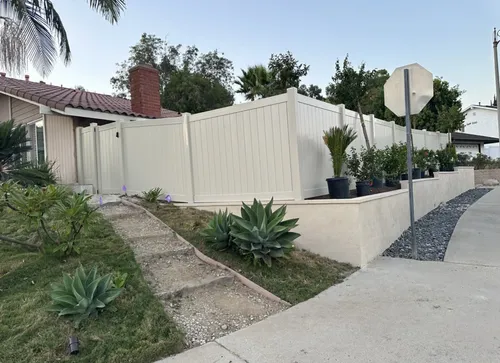
Huntington Fence and Steel is a family-owned fence installation contractor serving Long Beach, CA. They provide fencing solutions using quality materials and operate as a fully bonded, licensed, and insured company. The business focuses on offering competitive pricing while maintaining professional standards.
Artificial Privacy Fence and Grass Fence Panels - Los Angeles Grasstik
207 W 138th St, Los Angeles, CA 90061
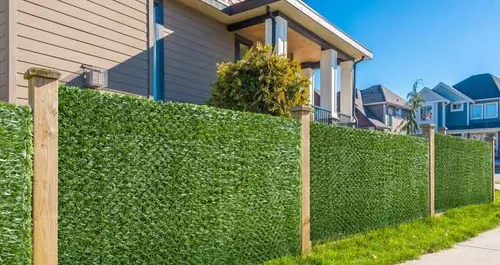
Artificial Privacy Fence and Grass Fence Panels - Los Angeles Grasstik is a fence installation contractor based in Los Angeles, CA. They specialize in artificial grass chain link fences suitable for commercial spaces like parks, schools, hospitals, and apartment complexes. Their grass wall panels can be used for both indoor and outdoor decoration, covering walls and fences to enhance privacy and security. The privacy fences are fire-resistant and durable against environmental effects, and they are designed for easy self-installation.
A G Vinyl Fencing
1189 N Grove St B, Anaheim, CA 92806
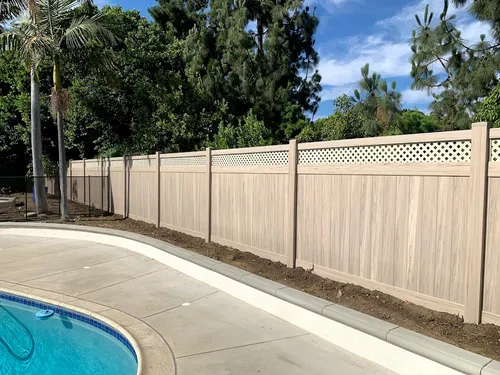
A G Vinyl Fencing is a fence installation contractor based in Anaheim, serving Long Beach, CA, and the broader Southern California region. They specialize in installing vinyl, aluminum, composite, and glass fences, gates, patio covers, railings, and decking. Their vinyl and aluminum products are designed to resist fading, cracking, rust, and corrosion, making them suitable for the local climate. With over 35 years of combined experience, A G Vinyl Fencing is a family-operated business known for quality workmanship and a commitment to customer satisfaction.

Iron Men Gates & Doors Design
5520 Wilshire Blvd Unit 323, Los Angeles, CA 90036
Iron Men Gates & Doors Design is a fence and gate installation contractor based in Los Angeles, CA. They serve both residential and commercial clients with services including gate and fence installation and repair, automatic gate automation, garage door services, and intercom system installation. The company specializes in custom ironwork and security fencing, offering durable and aesthetically designed solutions tailored to various property types. With over 20 years of experience, Iron Men Gates & Doors Design provides same-day and emergency service across Los Angeles, ensuring quick response times for urgent repairs.
Aquaview Fencing
8306 Wilshire Blvd #647, Beverly Hills, CA 90211
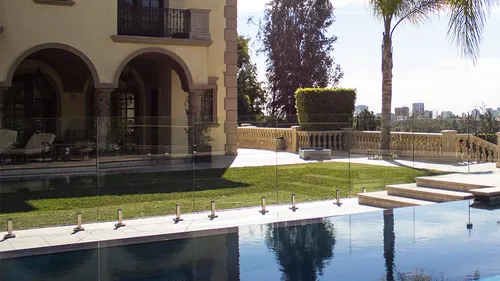
Aquaview Fencing is based in Los Angeles, CA, specializing in glass pool fences and glass railings for residential and commercial properties. They manufacture durable safety glass and high-quality hardware designed to provide clear, unobstructed views while meeting safety standards. Aquaview offers custom glass fencing solutions made with ½ inch tempered safety glass and marine-grade stainless steel, suitable for pools, balconies, decks, and patios. The company has installed thousands of glass fences across North America and is recognized as a leading manufacturer and distributor in the industry.
Understanding Long Beach Fence Regulations
Before you start planning your fence, it's vital to familiarize yourself with the City of Long Beach's specific codes. Navigating these rules from the start will save you time, money, and potential headaches down the line.
Permit Requirements: In most cases, installing a new fence or replacing an old one in Long Beach requires a permit from the City's Development Permit Center. This process ensures your structure complies with all safety and zoning laws. For taller fences or walls, the requirements become more stringent; any fence or wall over 6.5 feet in height, or a retaining wall over 4 feet, will likely need engineered drawings submitted with your permit application.
Height and Placement Limits: The city enforces strict height limits based on your fence's location:
- Front Yards: Fences are typically limited to a maximum height of 4 feet.
- Rear and Side Yards: Behind the front building line, fences can generally be built up to 7 feet tall.
- Property Lines: Fences must usually be constructed at least 6 inches inside your property line unless you obtain written consent from your adjoining neighbor to build directly on the line 1.
Appearance Standards: Long Beach also has guidelines for aesthetics. Fences visible from a public street or neighboring property are required to have two finished, identical sides-meaning the "good" side faces outward 2. This rule promotes a neat and uniform streetscape.
Choosing the Right Fence for Your Needs
The perfect fence balances function, style, and budget. Your choice will largely depend on whether your primary goal is privacy, decoration, security, or a combination.
Privacy Fencing (Solid, Taller Structures)
If seclusion is your main objective, you'll want a solid barrier. These fences are typically 6 to 8 feet high and are installed in rear and side yards where height limits allow.
- Wood: A classic choice offering a natural, timeless look. It's versatile for staining or painting but requires regular maintenance like sealing to withstand Long Beach's coastal climate.
- Vinyl: Extremely popular for its durability and low maintenance. Vinyl fencing won't rot, warp, or need painting, making it an excellent long-term investment for a clean, private backyard.
- Composite: Made from a blend of wood fibers and plastic, composite fencing offers the look of wood with much greater resistance to moisture and insects.
Decorative & Semi-Private Fencing (Open, Shorter Styles)
For front yards, garden borders, or areas where you want definition without blocking views, shorter, more open styles are ideal.
- Aluminum: Offers a sleek, modern look with intricate designs. It's rust-resistant, durable, and requires virtually no upkeep, making it a premium option for decorative purposes.
- Wood Picket: The iconic American front yard fence. It provides a charming, welcoming boundary while maintaining an open feel.
- Chain Link: A highly practical and budget-friendly option for securing large areas, containing pets, or defining boundaries without obscuring sightlines.
Material Costs and Budgeting for Your Project
The total cost of your fence installation in Long Beach varies widely based on material, height, length, and site conditions. Here's a breakdown of approximate installed costs per linear foot for common materials 3 4:
- Chain Link: $10 - $22 per foot. The most economical choice, ideal for functionality on a budget.
- Wood: $18 - $62 per foot. Costs fluctuate with wood type (cedar, redwood, pressure-treated pine) and design complexity.
- Vinyl: $15 - $40+ per foot. A mid-range option where higher initial cost is offset by minimal lifetime maintenance.
- Aluminum: $32 - $70+ per foot. A premium material chosen for its aesthetic appeal and durability.
Find the perfect fence installers for your needs
Get personalized recommendations and expert advice
What Impacts Your Final Quote?
Several factors beyond just material will influence your final project price:
- Height & Length: A taller, longer fence uses more materials and labor.
- Terrain: Sloping or uneven yards require more labor-intensive installation techniques, increasing costs.
- Site Preparation: Clearing old fencing, rocks, or dense vegetation adds to the project scope.
- Gates & Automation: Including walk-through or drive-through gates, especially with automatic openers, will raise the total.
- Permit Fees: Don't forget to factor in the cost of the required city permits.
Cost Examples: For a standard 6-foot tall privacy fence using wood or vinyl, expect to pay roughly $25 to $60 per linear foot installed 5 6. A full project for a typical residential yard can range significantly. For instance, a vinyl fence installation can range from approximately $940 for a small section to over $9,800 for a large property, depending on the specifics 7 8.
The Professional Installation Process
Working with a seasoned local fence builder ensures your project adheres to codes, is built to last, and meets your expectations. A reputable professional will typically guide you through these steps:
- Consultation & Quote: They will visit your property to discuss your needs, take measurements, assess the terrain, and provide a detailed written estimate.
- Design & Permitting: They will help finalize material and style choices and often manage the permit application process with the City of Long Beach on your behalf.
- Preparation & Installation: The crew will mark utility lines (always call 811 first), clear the site, set posts in concrete, and assemble the fence panels or sections.
- Final Inspection: Once complete, the installer will ensure the work is clean and ready for any final city inspection required to close the permit.
Choosing a contractor familiar with Long Beach's unique coastal environment and regulatory landscape is key to a smooth and successful fence-building experience 9.
Frequently asked questions
Sources
Footnotes
-
Long Beach Fence Regulations - Heights, Setbacks & Permits - https://www.mikesfences.com/long-beach-fence-regulations-1 ↩
-
Constructing/Installing Fences and Walls - City of Long Beach - https://www.longbeach.gov/lbcd/building/inspection/fences-walls/ ↩
-
Guide to Vinyl Fence Panels in Long Beach - https://agvinylfencing.com/vinyl-fence-contractor-long-beach/ ↩
-
Chain Link Fence Cost per Foot in California: Heights, Gauges & Slats - https://fencespecialties.com/chain-link-fence-cost-california-per-foot/ ↩
-
2026 Fence Installation Costs: Full Breakdown & Pricing ... - https://everfence.com/fence-installation/2026-fence-installation-costs-full-breakdown-pricing-guide-for-everfence/ ↩
-
6 ft privacy fence installation cost: Smart 2025 Guide - https://www.brentwoodfence.com/blog/6-ft-privacy-fence-install-cost-guide ↩
-
Vinyl Fencing in Long Beach: The Ultimate Guide - https://agvinylfencing.com/vinyl-fencing-long-beach/ ↩
-
Long Beach Fence Builder: Your Ultimate Guide - https://agvinylfencing.com/fence-installation-long-beach-guide/ ↩
-
How to Hire the Right Long Beach Fence Builder - A G Vinyl Fencing - https://agvinylfencing.com/fencing-company-long-beach/ ↩