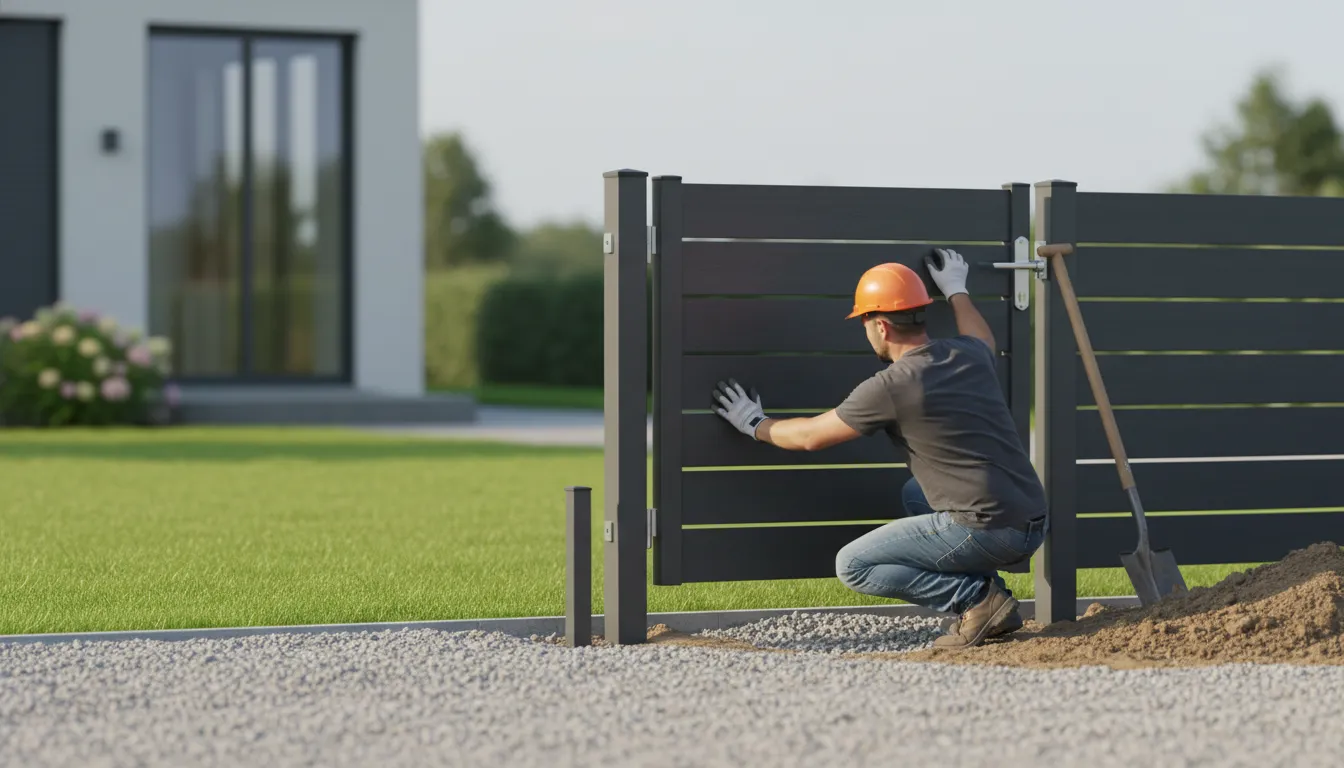
Find the Best Fence Installers for Your Business
No obligation • Fast responses • Nationwide coverage

Why you can trust Landscape Atlas
Landscape Atlas is a leading United States resource for evaluating landscaping, lawn care, and outdoor service providers. Our team researches each category in depth, focusing on service quality, safety, and customer experience. Listings and rankings are based on independent criteria and user feedback, and companies cannot pay to influence our assessments or recommendations.
Search providers near you
Top Fence Installers in Antioch, California Ranked
A new fence can transform your property, providing privacy, security, and a polished look. Whether you're looking to define your boundaries, keep pets and children safe, or enhance your home's curb appeal, a professional fence installation is a significant investment in your property's value and your family's enjoyment. This guide is designed to help Antioch homeowners navigate the local considerations, material choices, and planning steps to connect with skilled professionals who can bring your vision to life.

Evermont Landscape
1912 Barrett Ave #3, Richmond, CA 94801
Evermont Landscape is a landscaping company based in Oakland, CA, offering a wide range of services including sod installation, artificial turf, fence installation, tree removal, stump grinding, land clearing, hardscaping with pavers and retaining walls, and landscape design. With 30 years of experience, they provide comprehensive outdoor solutions from design to maintenance, serving the East Bay and Contra Costa County areas. Their capabilities include detailed tree services such as palm tree trimming and pruning, as well as complete landscape makeovers tailored to client preferences. Evermont Landscape also offers financing options to support various project needs.
Flores Tree & Landscape
3317 Meadowbrook Rd, Antioch, CA 94509
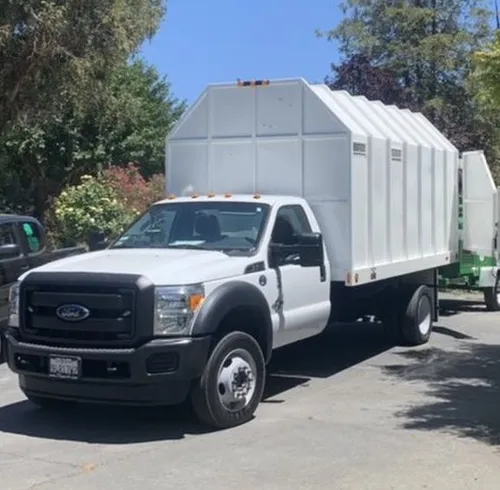
Flores Tree & Landscape is a tree service and landscaping company serving Oakland, CA, and nearby areas. Established in 2012, they provide a wide range of services including tree trimming, removal, stump grinding, brush and land clearing, and landscaping. The company is equipped to handle emergency tree services 24/7, ensuring prompt response to hazardous situations. With over 15 years of experience, Flores Tree & Landscape offers expert care for various tree species, including oak, magnolia, and palm trees, and provides free wood chips for mulching and soil health.
Duce Construction Deck and Fence
Oakland, CA
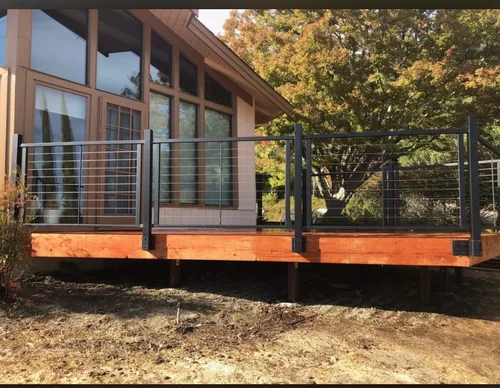
Duce Construction Deck and Fence is a general contractor based in Oakland, CA, specializing in deck building, fence installation, gate construction, and retaining walls. Serving the Bay Area, they offer expert craftsmanship with a focus on quality materials and fire-safe aluminum fencing to enhance property safety. Established in 1983, the company brings decades of experience to residential projects, ensuring durable and well-crafted outdoor structures.
Rojo's Fences
379 S Livermore Ave Suite C4, Livermore, CA 94551
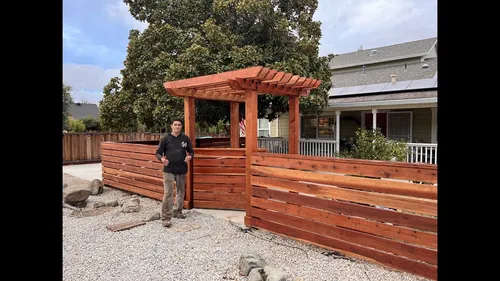
Rojo's Fences is a fence installation contractor based in San Jose, CA, serving Alameda and Contra Costa Counties. Since 2020, they have specialized in building a variety of fences and custom gates for residential and commercial properties. Their services also include custom outdoor projects such as pergolas, decks, and landscape features, designed to enhance outdoor spaces with quality craftsmanship and attention to detail.
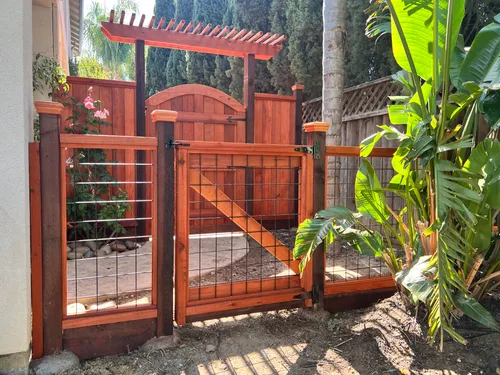
Hennessey's Fencing
144 Continente Ave #230, Brentwood, CA 94513
Hennessey's Fencing is a fence installation contractor based in Oakland, CA. They provide fencing services primarily in Contra Costa County and Santa Clara County. The company specializes in installing various types of fences to meet residential and commercial needs.
Understanding Antioch's Fence Regulations
Before you start planning your fence project, it's crucial to understand the local rules. Antioch, like all California cities, has specific zoning ordinances that govern fence construction to ensure safety, aesthetics, and neighborly harmony.
Height Restrictions: In most residential zones, the maximum allowable height for a fence in side and rear yards is 6 feet. However, there are provisions that may allow fences up to 8 feet tall on interior side and rear property lines under certain conditions, so checking with the city's Planning Department is essential. For front yards, the limit is typically much lower, generally between 3 and 4 feet, to maintain visibility and an open streetscape 1.
Permit Requirements: A permit is generally required for any fence over 6 feet tall (with some California areas setting the threshold at 7 feet) 2 3. If you're planning a structure that exceeds the standard height limits, you'll likely need approval from the Planning Department, not just a basic building permit. It's always wise to verify current requirements with the City of Antioch's Community Development Department before any work begins.
California Good Neighbor Fence Law: State law (Civil Code 841) requires property owners to provide adjoining neighbors with a 30-day written notice before constructing or replacing a fence that sits on a shared property line 4. This law also outlines how costs for a "necessary" boundary fence should be shared, making clear communication with your neighbors a vital first step.
Choosing the Right Fence for Your Needs
The best fence for your home balances function, style, maintenance, and budget. Here's a breakdown of popular fence types and materials suited for Antioch's climate and community.
Privacy Fences
For creating a secluded backyard oasis, a privacy fence is the top choice. These use solid designs with no gaps between panels or boards.
- Solid Wood: A classic choice, often using cedar or redwood for their natural resistance to insects and decay. They offer a warm, traditional look but require regular staining or sealing to withstand the elements.
- Vinyl Privacy Fencing: Made from PVC, vinyl fences are low-maintenance, resisting rot, pests, and weathering. They never need painting and can be cleaned easily with a hose, making them a popular long-term solution.
- Chain Link with Slats: For a more economical privacy option, a standard chain link fence can be fitted with privacy slats woven through the links, providing a durable and effective visual barrier.
Decorative & Semi-Private Fences
These fences define space while allowing light and air to flow through, perfect for front yards or areas where you want a more open feel.
- Picket Fences: The iconic American front yard fence, available in wood or vinyl. They add charm and curb appeal while keeping a yard visually accessible 5.
- Ornamental Metal: Crafted from aluminum or steel, these fences offer a sleek, modern, or traditional wrought-iron look. They are incredibly durable, rust-resistant, and provide security without blocking views.
- Lattice-Top Fences: Often combined with a solid bottom section, a lattice top adds a decorative touch and can support climbing vines, blending structure with greenery.
Material Deep Dive: Pros, Cons, and Costs
Your material choice is the largest factor determining your fence's appearance, longevity, and price.
Wood Fences
- Pros: Natural beauty, versatile (can be stained or painted), and provides excellent privacy and sound dampening.
- Cons: Requires ongoing maintenance like staining every few years; can be susceptible to warping, rot, or insect damage if not properly cared for.
- Cost Insight: For a 6-foot tall wood privacy fence, costs in the region can range from $20 to over $65 per linear foot, with premium woods like cedar or redwood at the higher end 6.
Vinyl Fences
- Pros: Extremely low maintenance, won't rot, fade, or need painting; available in various styles and colors; durable with a long lifespan.
- Cons: Higher upfront material cost than wood or chain link; can become brittle in extreme cold or if impacted severely.
- Cost Insight: Vinyl fencing typically ranges from $28 to $70+ per linear foot installed, reflecting its durability and minimal upkeep needs 7.
Chain Link Fences
- Pros: Most budget-friendly option; very durable and low-maintenance; provides good security; quick to install.
- Cons: Offers little privacy or aesthetic appeal unless enhanced with slats or landscaping.
- Cost Insight: Basic chain link installation starts around $10 to $20 per linear foot. Adding vinyl privacy slats can increase the cost to between $25 and $40 per foot 8.
Aluminum/Steel Fences
- Pros: Superior strength and security; ornate, elegant appearance; powder-coated finishes are highly rust-resistant; requires almost no maintenance.
- Cons: Among the highest cost options; provides minimal privacy unless combined with other materials.
- Cost Insight: Ornamental aluminum or steel fencing generally falls in the range of $32 to $70+ per linear foot 9 10.
Find the perfect fence installers for your needs
Get personalized recommendations and expert advice
Key Factors That Influence Your Total Project Cost
The price per foot is a starting point, but your final quote will depend on several variables:
- Linear Footage: The total length of the fence is the primary cost driver.
- Labor: Complex terrain (hills, slopes, rocky soil), difficult access for equipment, and local labor rates significantly affect the installation price.
- Gates: Including one or more gates adds to the cost, with features like automatic openers increasing it further.
- Site Preparation: Costs for removing an old fence, clearing vegetation, or dealing with underground utilities will be added to the project.
- Material Quality: Within each material type, gauge thickness, coating quality, and brand can cause price variations.
The Professional Installation Process: What to Expect
Working with a seasoned installer ensures your fence is built correctly, legally, and to last. A reputable professional will typically follow this process:
- Consultation & Estimate: They will visit your property to discuss your needs, take measurements, assess the terrain, and provide a detailed written estimate.
- Planning & Permits: A good contractor will help you understand local codes and may handle the permit application process on your behalf.
- Utility Locate: Before digging, they (or you) must call 811 to have all underground utility lines marked-this is a critical safety and legal step.
- Material Delivery & Installation: Posts are set in concrete for stability, panels or pickets are attached, and gates are hung and adjusted.
- Final Inspection & Cleanup: The installer should ensure the fence is level, secure, and functions properly, leaving your property clean and tidy.
Maintaining Your Investment
Protecting your fence extends its life and keeps it looking great.
- Wood: Inspect annually. Re-stain or reseal every 2-4 years to protect against sun and moisture. Check for loose boards or rot, especially at the base of posts.
- Vinyl: Wash with soap and water annually to prevent dirt buildup and mildew. Avoid using abrasive cleaners or pressure washers on a high setting, which can damage the surface.
- Metal (Chain Link/Aluminum/Steel): Rinse occasionally. Inspect for any scratches in the coating that could lead to rust and touch up with matching paint as needed.
- All Types: Keep vegetation trimmed back from the fence line to prevent moisture retention and physical damage from growing plants.
Frequently asked questions
Sources
Footnotes
-
Best Fence for the Nature Coast: Privacy & Style Guide - https://agvinylfencing.com/best-privacy-fence-california/ ↩
-
What HOAs Need to Know About Tall Fence Regulations in California - https://www.palisadefenceco.com/what-hoas-need-to-know-about-tall-fence-regulations-in-california ↩
-
Complete California Fence Permit Requirements Guide - https://agvinylfencing.com/fence-permit-requirements-california/ ↩
-
California Fence Laws Explained | BLACKlineHHP - https://blacklinehhp.com/fence-laws-in-california/ ↩
-
ARTICLE 16: FENCES, WALLS, HEDGES AND SCREEN PLANTINGS - https://codelibrary.amlegal.com/codes/antioch/latest/antioch_ca/0-0-0-29161 ↩
-
Your Guide to Fence Installation Cost by Material and Size - https://jhlandscapes.com/your-guide-to-fence-installation-cost-by-material-and-size/ ↩
-
2026 Fence Installation Costs: Full Breakdown & Pricing Guide for ... - https://everfence.com/fence-installation/2026-fence-installation-costs-full-breakdown-pricing-guide-for-everfence/ ↩
-
Fence cost per linear foot: 7 Powerful Facts for 2025 - https://www.brentwoodfence.com/blog/fence-cost-per-linear-foot-nh-ma-me ↩
-
2026 Fence Installation Costs in Los Angeles & Orange County - https://everfence.com/los-angeles-orange-county/2026-fence-installation-costs-in-los-angeles-orange-county-full-pricing-guide/ ↩
-
Chain Link Fence Cost per Foot in CA: Heights, Gauges, Slats - https://fencespecialties.com/chain-link-fence-cost-california-per-foot/ ↩