Find the Best Fence Installers for Your Business
No obligation • Fast responses • Nationwide coverage

Why you can trust Landscape Atlas
Landscape Atlas is a leading United States resource for evaluating landscaping, lawn care, and outdoor service providers. Our team researches each category in depth, focusing on service quality, safety, and customer experience. Listings and rankings are based on independent criteria and user feedback, and companies cannot pay to influence our assessments or recommendations.
Search providers near you
Top Fence Installers in Ceres, California Ranked
Adding a fence to your Ceres property is a significant investment that enhances privacy, security, and curb appeal. Whether you're looking to define your property line, create a safe space for children and pets, or simply add a decorative touch to your landscape, understanding the local requirements and material options is crucial. This guide provides essential information on regulations, popular fencing styles, and cost considerations to help you plan your project and connect with qualified local professionals who can bring your vision to life.
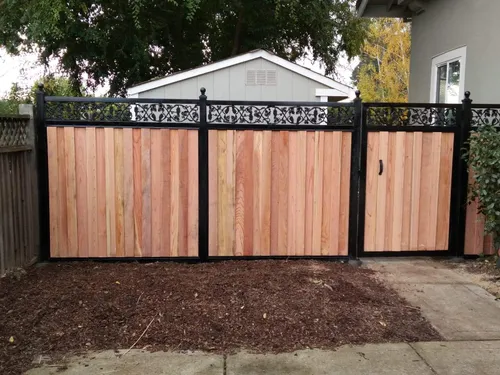
Ulloa's Brothers Fence
Stockton, CA
Ulloa's Brothers Fence is a fence installation contractor serving Stockton, CA, and nearby communities. They provide residential and commercial fencing solutions including wood and chain link fences, as well as professional gate installation. The company emphasizes quality craftsmanship with a skilled team that has 16 years of experience. Established in 2023, Ulloa's Brothers Fence focuses on clear communication and careful planning throughout each project.
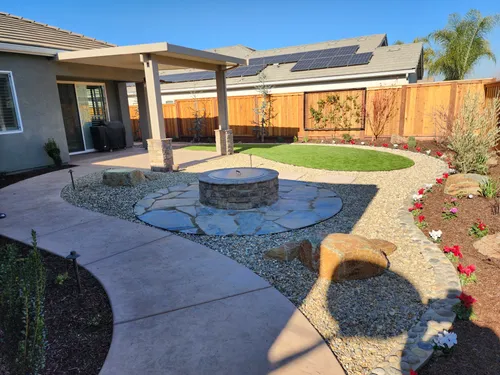
BABYLON BUILDERS - BABYLON GARDENS LANDSCAPING - Licensed C-27 Landscape & B-General Contractor
2657 Donner Trail, Riverbank, CA 95367
BABYLON BUILDERS - BABYLON GARDENS LANDSCAPING - Licensed C-27 Landscape & B-General Contractor is a full-service home and landscape design and construction company based in Stockton, CA. They serve the California Central Valley and San Francisco Bay Area, including numerous counties such as Stanislaus, San Joaquin, Sacramento, Alameda, and Contra Costa. Their services cover landscape design, fence installation, outdoor lighting, hardscaping including pavers and retaining walls, as well as custom outdoor features like gazebos, pergolas, and water features. With over 35 years of experience, they manage projects from initial consultation through installation and construction, focusing on quality craftsmanship and personalized design.
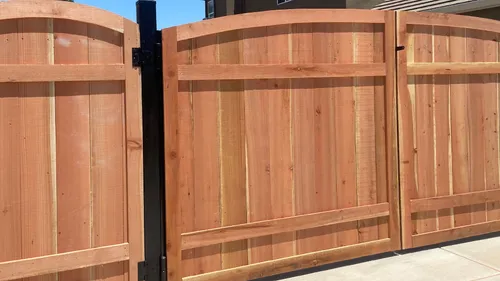
High Quality Fence
1112 N Main St #171, Manteca, CA 95336
High Quality Fence is a contractor based in San Jose, CA, offering a wide range of outdoor improvement services for homeowners, businesses, and farms. Their expertise includes custom fence installation with various materials, gate automation, deck construction and repair, pergolas, gazebos, and retaining walls. They serve multiple counties in California's Central Valley, including San Joaquin, Stanislaus, Sacramento, and Contra Costa. The company provides custom solutions such as automated gate operators and multi-level retaining walls to enhance security, aesthetics, and functionality.
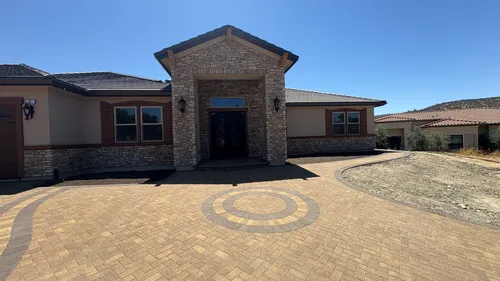
El Guero Masonry—Stone-Block, Brick, Paver, Concrete
1871 Clover Ln Unit B, Stockton, CA 95206
El Guero Masonry-Stone-Block, Brick, Paver, Concrete is a masonry contractor based in Stockton, CA, offering a wide range of services including brick, stone, concrete work, fence construction, and hardscaping such as retaining walls and pavers. They serve residential and commercial clients within a 90-mile radius of Stockton. Their expertise includes specialized capabilities like concrete stamping and the installation of natural stone, thin brick, and block walls. The company emphasizes quality materials and craftsmanship to deliver durable and aesthetically pleasing results.
Perez Landscaping
Stockton, CA
Perez Landscaping is a landscaping and hardscaping company based in Stockton, CA. They offer a range of services including landscape design, lawn care, irrigation system installation and repair, tree services, concrete work, and fence installation. The company focuses on creating customized outdoor spaces that combine beauty, functionality, and environmental sustainability. Their team handles projects from design through construction, emphasizing durable quality and eco-friendly practices.
Understanding Ceres Fence Regulations and Permits
Before you break ground on any fence project, it's vital to understand the local rules. The City of Ceres has specific zoning and building codes that govern fence height, placement, and style to ensure safety and maintain neighborhood character 1. Ignoring these regulations can lead to costly fines or being required to remove a non-compliant structure.
Height and Placement Rules
Fence height limits are primarily determined by their location on your property. In general, for visibility and safety:
- Front Yards: Fences are typically limited to 3.5 to 4 feet in height 2.
- Back and Side Yards: You can usually install fences up to 6 feet tall without a permit.
- Over 6 Feet: Any fence exceeding 6 feet in height will almost certainly require a building permit and may need special approval from the city.
Placement is equally important. Your fence must be constructed entirely within your property lines. It's highly recommended to have a professional survey done to avoid disputes with neighbors. The City of Ceres Small Lot Design Guidelines also encourage fences that respect the established character of the neighborhood and do not create abrupt visual changes 3.
When Do You Need a Permit?
Always check with the City of Ceres Planning Department for the most current information. As a rule of thumb, you will likely need a permit for:
- Fences over 6 feet tall.
- Any fence surrounding a swimming pool or spa (a critical safety requirement).
- Retaining walls that also function as fences.
- Fences in certain zoning districts or historic areas.
Special Considerations: Pools and Neighbors
California has strict laws regarding pool safety. Any pool deeper than 18 inches must be surrounded by a barrier, typically a fence at least 5 feet high with self-closing, self-latching gates that open outward. This is non-negotiable for safety and liability.
For fences shared with a neighbor, California's "Good Neighbor Fence Law" applies. This law outlines responsibilities for maintenance and replacement costs for shared boundary fences. If you plan to repair or replace a shared fence, you are generally required to provide your neighbor with a 30-day written notice before beginning work 4.
Choosing the Right Fence Material for Your Home
The material you choose will define your fence's appearance, durability, maintenance needs, and cost. Ceres' climate, with its hot, dry summers, plays a role in material longevity.
Wood Fencing
Wood is a classic, versatile choice that offers a natural look and excellent privacy.
- Pros: Affordable material costs, highly customizable (can be stained or painted), and provides a solid visual barrier.
- Cons: Requires regular maintenance like sealing or staining every few years to prevent warping, cracking, or rot from sun and moisture exposure.
- Best For: Homeowners seeking a traditional, customizable look who don't mind periodic upkeep.
Vinyl Fencing
Vinyl (or PVC) fencing has become immensely popular for its clean appearance and minimal maintenance.
- Pros: Extremely durable against moisture and insects, never needs painting, and is easy to clean. It comes in a variety of styles, including solid privacy panels and picket designs 5.
- Cons: Higher upfront cost than wood or chain link, and while very durable, extreme heat and sun exposure over decades can cause some vinyl to become brittle.
- Best For: Those who want a low-maintenance, long-lasting privacy or decorative fence.
Chain Link Fencing
Chain link is a practical, budget-friendly option focused on function over form.
- Pros: Very cost-effective, strong, durable, and requires almost no maintenance. It's excellent for securing large areas or containing pets 6.
- Cons: Offers little privacy or aesthetic appeal on its own. Privacy can be added with vinyl slats or climbing plants, which will increase the cost.
- Best For: Securing side or back yards on a budget, or for enclosing utility areas.
Metal Fencing: Aluminum & Wrought Iron
Metal fences offer strength, security, and decorative elegance.
- Pros: Extremely durable and secure, with ornate designs available in wrought iron. Aluminum provides a similar look with less maintenance and no rust. Both offer a high-end, permanent appearance.
- Cons: The highest cost per linear foot among common materials. Wrought iron requires anti-rust treatments.
- Best For: Front yard decorative fencing, pool enclosures (in compliant designs), and properties where security and aesthetics are top priorities.
Balancing Privacy and Style
You don't have to choose between a private barrier and a beautiful one. Many homeowners opt for hybrid designs:
- Solid Panel with Lattice Top: A 4-5 foot solid wood or vinyl panel topped with a decorative lattice section for added height and visual interest.
- Decorative Metal Inserts: Incorporating wrought iron sections into a wood or vinyl fence frame.
- Staggered Board or Shadowbox Wood Fence: Provides privacy while allowing some air flow and a more dynamic visual texture than a solid wall.
Find the perfect fence installers for your needs
Get personalized recommendations and expert advice
Cost Expectations for Fence Installation in Ceres
The total cost of your fence project is one of the most important factors. It varies widely based on material, height, linear footage, terrain, and labor. Prices are typically quoted per linear foot, installed.
Cost Ranges by Material
Here is a general overview of what you might expect to pay for a professionally installed fence in the Ceres area 7 8:
- Chain Link: The most economical option, generally ranging from $10 to $20 per linear foot installed. Adding privacy slats will push costs toward the higher end.
- Wood: A mid-range choice, with costs typically between $25 and $45 per linear foot. Pressure-treated pine is the most affordable, while cedar or redwood will be more expensive.
- Vinyl: A premium, low-maintenance material, usually costing $25 to $60 per linear foot. Higher-quality, thicker vinyl panels and complex styles command higher prices.
- Aluminum/Wrought Iron: The highest cost bracket, often ranging from $30 to over $70 per linear foot, depending on the complexity of the design and customization.
What Influences the Final Price?
Several factors can cause your estimate to increase:
- Linear Footage: The single biggest cost driver. Always get precise measurements.
- Height: Taller fences require more material and often more robust posts, increasing cost.
- Gates: Adding a gate is like adding a small, complex section of fence. A simple walk-through gate may add a few hundred dollars, while a wide, automated driveway gate can add thousands.
- Terrain: Sloped or rocky yards require more labor and specialized installation techniques, increasing the project price.
- Permits: Don't forget to factor in the cost of any required building permits from the City of Ceres.
- Removal & Disposal: If an old fence needs to be torn down and hauled away, this will add to the project cost.
Planning and Executing Your Fence Project
A successful installation starts with careful planning. Begin by sketching your property and marking the desired fence line. Use this to get accurate measurements. Then, research and contact several local fencing contractors. A reputable professional will:
- Provide a detailed, written estimate that breaks down material and labor costs.
- Pull all necessary permits on your behalf.
- Confirm property lines and discuss any potential issues (like slopes or underground utilities).
- Offer a warranty on both materials and workmanship.
Before signing a contract, verify the contractor's license and insurance, and ask for references from recent projects in Ceres. A well-installed fence is an asset that will serve your home for decades, making it worth the investment in proper planning and quality craftsmanship.
Frequently asked questions
Sources
Footnotes
-
Complete California Fence Permit Requirements Guide - https://agvinylfencing.com/fence-permit-requirements-california/ ↩
-
What's the Right Fence Height? - https://www.longfence.com/blog/whats-the-right-fence-height/ ↩
-
Small Lot Design Guidelines - City of Ceres - https://www.ceres.gov/DocumentCenter/View/224 ↩
-
California Fence Laws Explained | BLACKlineHHP - https://blacklinehhp.com/fence-laws-in-california/ ↩
-
Best Fence for the Nature Coast: Privacy & Style Guide - https://agvinylfencing.com/best-privacy-fence-california/ ↩
-
Fence cost per linear foot: 7 Powerful Facts for 2025 - https://www.brentwoodfence.com/blog/fence-cost-per-linear-foot-nh-ma-me ↩
-
California Fence Permits | Privacy Fence Rules & Aluminum ... - https://aluglobusfence.com/installation/understanding-permits-and-regulations-for-privacy-fence-installation-in-california/ ↩
-
How Much Does It Cost To Build a Fence in California in 2025? - https://metalgatemasters.com/metal-gate-masters-blog/f/how-much-does-it-cost-to-build-a-fence-in-california-in-2025 ↩