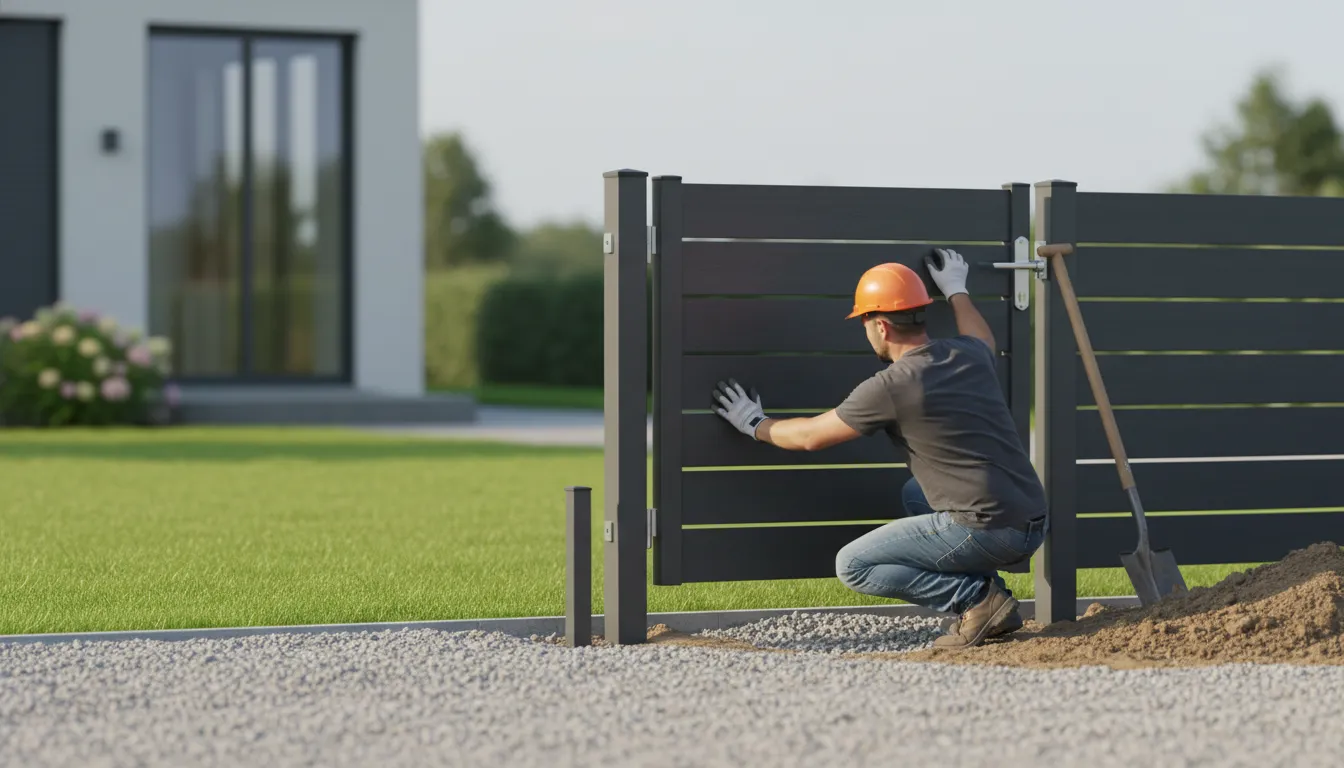
Find the Best Fence Installers for Your Business
No obligation • Fast responses • Nationwide coverage

Why you can trust Landscape Atlas
Landscape Atlas is a leading United States resource for evaluating landscaping, lawn care, and outdoor service providers. Our team researches each category in depth, focusing on service quality, safety, and customer experience. Listings and rankings are based on independent criteria and user feedback, and companies cannot pay to influence our assessments or recommendations.
Search providers near you
Top Fence Installers in Corona, California Ranked
Adding a new fence to your Corona property is a significant investment that enhances privacy, security, and curb appeal. Whether you're looking to define your property line, create a safe play area, or simply upgrade your home's exterior, understanding your options and local regulations is crucial. This guide provides a detailed overview of fencing materials, styles, costs, and the specific rules in Corona to help you make an informed decision and connect with qualified local professionals for your project.
Huntington Fence and Steel
15102 Bolsa Chica St # G, Huntington Beach, CA 92649
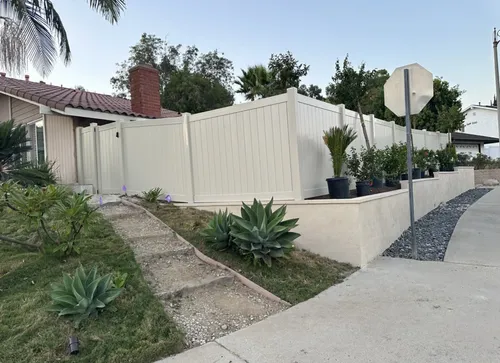
Huntington Fence and Steel is a family-owned fence installation contractor serving Long Beach, CA. They provide fencing solutions using quality materials and operate as a fully bonded, licensed, and insured company. The business focuses on offering competitive pricing while maintaining professional standards.
A G Vinyl Fencing
1189 N Grove St B, Anaheim, CA 92806
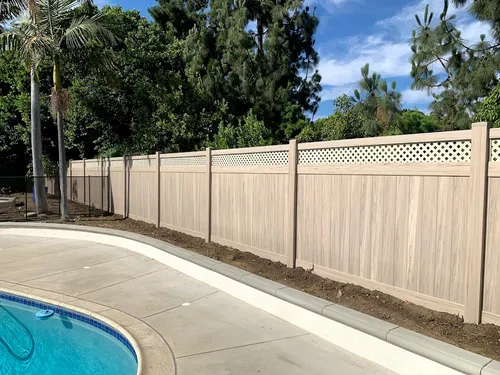
A G Vinyl Fencing is a fence installation contractor based in Anaheim, serving Long Beach, CA, and the broader Southern California region. They specialize in installing vinyl, aluminum, composite, and glass fences, gates, patio covers, railings, and decking. Their vinyl and aluminum products are designed to resist fading, cracking, rust, and corrosion, making them suitable for the local climate. With over 35 years of combined experience, A G Vinyl Fencing is a family-operated business known for quality workmanship and a commitment to customer satisfaction.
Calvet Fence
580 E Lambert Rd, Brea, CA 92821
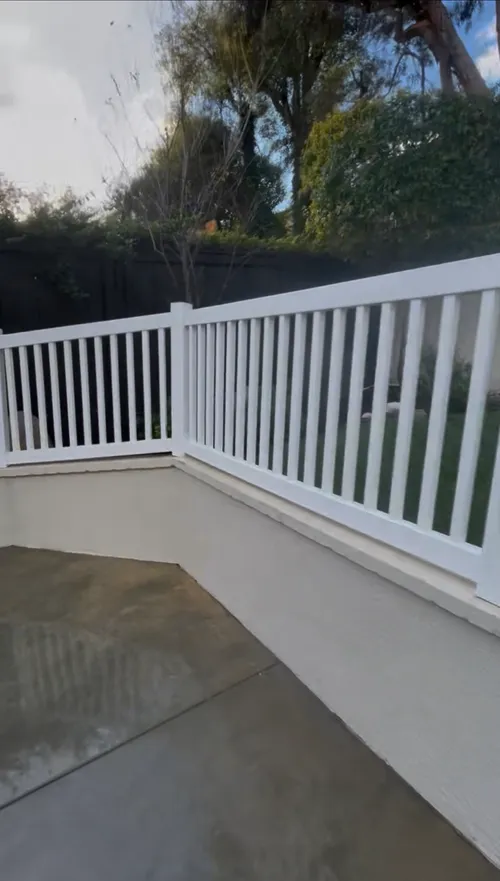
Calvet Fence is a fence installation contractor based in Long Beach, CA, serving Orange County including Fullerton, Irvine, and Anaheim. The company specializes in installing and repairing various types of fences such as wood, vinyl, aluminum, side railings, chain link, and custom designs. As a veteran-owned business and exclusive ActiveYards dealer, Calvet Fence emphasizes skilled craftsmanship and timely project completion. The company is backed by Google Guaranteed, highlighting its commitment to reliable service.
Installationpro
2102 Business Center Dr STE 130, Irvine, CA 92612
Installationpro is a handyman and fence installation contractor based in Santa Ana, CA, serving Orange County and nearby Los Angeles County cities. They offer a wide range of home improvement and repair services, including fence and gate repair, drywall repair, door installation, and energy-efficient home remodeling. Installationpro holds a general contractor license and has been providing local handyman services for over three years. Their team is equipped to handle projects both large and small, with an emphasis on quality craftsmanship and customer satisfaction.
FenceScreen, LLC.
22961 Arroyo Vista, Rancho Santa Margarita, CA 92688
FenceScreen, LLC. is a fence installation contractor based in Santa Ana, CA, specializing in privacy screens and banner solutions for fences. They offer factory-direct products with extensive customization and printing capabilities, serving customers who need tailored fencing solutions. FenceScreen maintains one of the nation's largest in-house inventories, allowing them to provide a wide range of sizes and options quickly. Their capabilities include custom printed fence screens with premium finishing and industry-leading warranties.
Understanding Corona's Fence Regulations
Before you start planning your fence construction, it's essential to familiarize yourself with the City of Corona's zoning codes. These rules dictate where and how tall your fence can be, ensuring safety and neighborhood consistency.
Height Limits: In Corona, residential fence heights are generally limited to 7 feet for back and side yards (behind the required setbacks from property lines). For front yards, the maximum height is typically lower, often between 3 to 4 feet, with specific materials like steel tube fencing limited to 5 feet in front setback areas. 1
Permit Requirements: A building permit is usually required for any fence structure exceeding 6 to 7 feet in height. 2 3 The permit process involves submitting plans for city review to ensure compliance with all codes. Even for fences within the standard height limits, it's wise to check with the City of Corona Planning Department to confirm requirements for your specific lot, as corner lots or properties with unique topography may have different rules. 4 2 Always verify your property lines and any Homeowners Association (HOA) covenants, which may impose stricter guidelines, before finalizing your plans. 5
Choosing the Right Fencing Material
The material you choose will define your fence's appearance, durability, maintenance needs, and overall cost. Here's a breakdown of the most popular options for Corona homes.
Wood Fencing
Wood is a classic choice that offers a natural, timeless look. It's versatile, allowing for various styles from solid privacy panels to spaced picket fences.
- Pros: Often has a lower initial material cost, provides excellent privacy, and can be stained or painted any color.
- Cons: Requires regular maintenance like staining, sealing, or painting to protect against Southern California sun and weather. It is also susceptible to rot, insect damage, and warping over time.
- Best For: Homeowners who love a traditional look and don't mind periodic upkeep.
Vinyl (PVC) Fencing
Vinyl fencing has surged in popularity due to its durability and low-maintenance appeal.
- Pros: It never needs painting, resists weathering, fading, and insects, and is easy to clean with just soap and water. Modern vinyl can convincingly mimic the look of wood grain or even ornamental iron.
- Cons: Higher upfront cost than some materials, and while durable, it can become brittle if impacted with extreme force.
- Best For: Those seeking a long-lasting, privacy-focused fence with minimal ongoing maintenance.
Aluminum & Ornamental Iron Fencing
For elegance and security, aluminum and wrought iron are top contenders.
- Pros: Offers a sophisticated, high-end appearance with exceptional strength and security. Modern aluminum options are rust-resistant and require very little upkeep beyond occasional cleaning.
- Cons: Among the highest initial costs for materials and installation. It typically doesn't provide full privacy unless combined with other materials.
- Best For: Enhancing curb appeal, securing pool areas, or defining property lines without blocking views.
Chain Link Fencing
Chain link remains the most economical and practical option for many applications.
- Pros: Very affordable, durable, and quick to install. It can be galvanized or vinyl-coated in colors like black or green for a better aesthetic. Privacy can be added with vinyl slats woven through the links.
- Cons: Offers the least privacy and aesthetic appeal in its basic form.
- Best For: Budget-conscious projects, securing large areas, backyards where visibility is desired, or as a base for privacy slats.
Popular Fence Styles for Your Home
Your choice of style should align with your primary goal: seclusion, decoration, or function.
Privacy Fences: Designed to completely block the view into your yard, these are typically solid-panel constructions. Wood and vinyl are the most common materials for full privacy screens. For a more economical route, a chain link fence with full-height privacy slats is also an effective option. 6
Decorative Fences: These styles prioritize aesthetics and often feature ornamental designs. Spaced picket fences (often in wood), elegant aluminum with scrollwork, and vinyl fences with lattice tops fall into this category. They are perfect for front yards where you want to enhance curb appeal while maintaining an open feel.
Find the perfect fence installers for your needs
Get personalized recommendations and expert advice
What Impacts the Cost of Your Fence?
The total price of your fence project in Corona will vary based on several key factors. Understanding these can help you budget effectively.
Material and Style: This is the largest cost driver. As a general range, you can expect the following costs per linear foot for materials and installation:
- Chain Link: $8 - $40+ (adding privacy slats increases cost by $3-$8 per foot) 7
- Wood: $10 - $45+
- Vinyl: $15 - $40+ (e.g., a 4-foot style may range from $30-$38/ft, while a 6-foot style could be $32-$51/ft) 8
- Aluminum/Ornamental Iron: $17 - $90+
Height and Linear Footage: Taller fences require more material and often more robust posts, increasing the cost. The total length of the fence line is, of course, a direct multiplier of the per-foot price.
Labor and Site Conditions: Complex installations on sloped terrain, rocky soil, or areas requiring extensive post-hole digging will increase labor costs. The need for gates, particularly automated entry gates, will also add to the project total. 9
Long-Term Value: While vinyl and aluminum have higher initial costs, their minimal maintenance needs (no painting, staining, or rust treatment) can make them more cost-effective over a 15-20 year period compared to wood. 10
The Professional Installation Process
Working with an experienced local installer ensures your fence is built correctly, safely, and in compliance with all codes.
- Consultation and Quote: A reputable contractor will visit your property to discuss your needs, take measurements, assess the terrain, and provide a detailed written estimate.
- Planning and Permits: They will handle identifying property lines and pulling any necessary permits from the City of Corona, saving you time and hassle. 11
- Preparation and Installation: The crew will mark the fence line, dig post holes to the proper depth (critical for stability), set posts in concrete, and then attach the panels, pickets, or chain link fabric.
- Final Inspection: The installer will ensure the fence is level, plumb, and gates function smoothly. If a permit was required, a final city inspection will be scheduled.
Maintaining Your New Fence
Protect your investment with proper care:
- Wood: Inspect annually. Re-stain or reseal every 2-3 years to protect from moisture and UV damage.
- Vinyl: Wash with a garden hose and mild detergent once or twice a year to prevent dirt buildup and mildew.
- Aluminum/Iron: Check for any scratches in the powder coating that could lead to rust. Clean with water and a non-abrasive cloth.
- Chain Link: Inspect for rust spots, especially at ground level. Touch up with rust-inhibitive paint if needed.
Frequently asked questions
Sources
Footnotes
-
City of Corona - File #: 18-2361 - https://corona.legistar.com/Gateway.aspx?M=LD&From=RSS&ID=3774691&GUID=73DB2996-C964-4A03-912D-B4F12BB375EF ↩
-
Complete California Fence Permit Requirements Guide - https://agvinylfencing.com/fence-permit-requirements-california/ ↩ ↩2
-
California Fence Permits | Privacy Fence Rules & Aluminum ... - https://aluglobusfence.com/installation/understanding-permits-and-regulations-for-privacy-fence-installation-in-california/ ↩
-
17.70.060 Wall, fencing and hedge requirements. - https://codelibrary.amlegal.com/codes/corona/latest/corona_ca/0-0-0-54026 ↩
-
What HOAs Need to Know About Tall Fence Regulations in California - https://www.palisadefenceco.com/what-hoas-need-to-know-about-tall-fence-regulations-in-california ↩
-
The Ultimate Guide to Privacy Fencing - https://www.standstrongfencing.com/blog/categories/guide/ultimate-guide-to-privacy-fences/ ↩
-
Chain Link Fence Cost per Foot in CA: Heights, Gauges, Slats - https://fencespecialties.com/chain-link-fence-cost-california-per-foot/ ↩
-
Vinyl Fence Cost 2025: An OC Homeowner's Guide - https://agvinylfencing.com/vinyl-fence-cost-orange-county/ ↩
-
How Much Does a Fence Cost? Backyard Fencing Installation Guide - https://www.rmfp.com/blog/how-much-does-a-fence-cost ↩
-
2026 Fence Installation Costs in Los Angeles & Orange County - https://everfence.com/los-angeles-orange-county/2026-fence-installation-costs-in-los-angeles-orange-county-full-pricing-guide/ ↩
-
The Ultimate Guide to Choosing a Fence Contractor in Corona - https://www.3tfence.com/fence-contractor-in-corona/ ↩