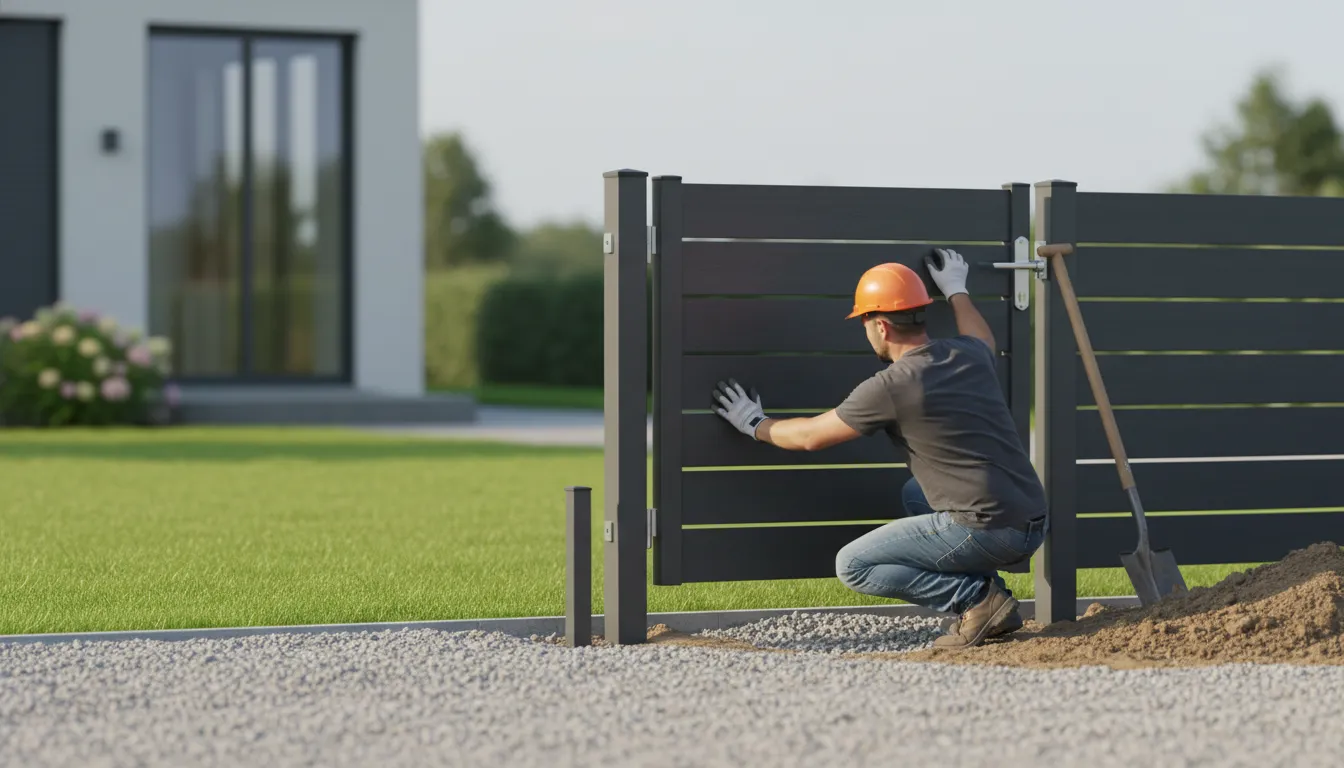
Find the Best Fence Installers for Your Business
No obligation • Fast responses • Nationwide coverage

Why you can trust Landscape Atlas
Landscape Atlas is a leading United States resource for evaluating landscaping, lawn care, and outdoor service providers. Our team researches each category in depth, focusing on service quality, safety, and customer experience. Listings and rankings are based on independent criteria and user feedback, and companies cannot pay to influence our assessments or recommendations.
Search providers near you
Top Fence Installers in Delano, California Ranked
Adding a fence to your Delano property is a significant investment that enhances privacy, security, and curb appeal. Whether you're looking to define your property line, keep pets and children safe, or create a private backyard oasis, understanding your options and local regulations is the first step. This guide provides a detailed look at fence installation in Delano, covering materials, costs, and the essential rules you need to know to plan your project successfully.
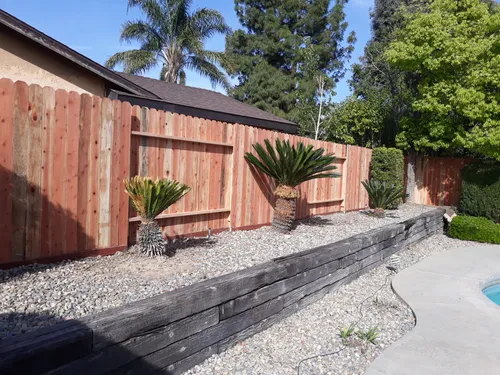
Mike's Fencing
2406 Allen Rd, Bakersfield, CA 93314
Mike's Fencing is a fence installation contractor based in Bakersfield, CA, serving the local community for over forty years. They specialize in installing and repairing wood, vinyl, and chain link fences, along with custom residential gate options. Their services include fence maintenance and repair, providing a range of solutions for residential fencing needs.
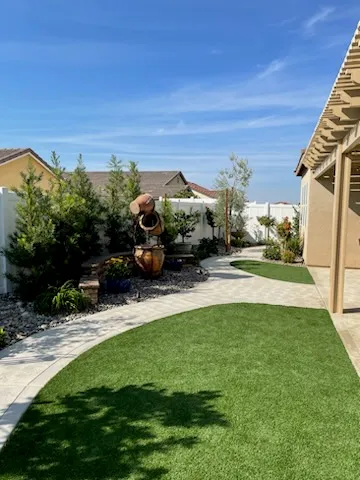
Wc landscapes Inc
7849 Shofner St, Bakersfield, CA 93308
Wc Landscapes Inc is a landscaping company based in Bakersfield, CA, serving Kern County since 1975. They provide a wide range of outdoor services including sod and artificial turf installation, fence construction, landscape lighting, sprinkler system installation and repair, and custom landscape design. With over 40 years of experience, they specialize in creating outdoor living spaces such as pools, spas, fireplaces, and fountains. Their team works with clients to design and build personalized front and backyard environments that meet specific needs and preferences.
Lamont Fence Company
3611 Alken St, Bakersfield, CA 93308
Lamont Fence Company is a family-owned fence installation contractor serving Bakersfield, CA. Since 1961, they have provided residential, commercial, and industrial fencing solutions, including chain link, vinyl, iron, wood, and security fencing for farms, oilfields, and sports fields. Their capabilities include installing automatic gate operators and various types of security fencing to meet diverse needs.
Understanding Delano's Fence Regulations
Before you start shopping for materials or contacting contractors, it's crucial to familiarize yourself with local codes. Adhering to these rules from the start prevents costly fines and the potential need to modify or remove a non-compliant fence later.
Permit Requirements: In Delano, a building permit is generally required for fences exceeding 6 feet in height. For most standard residential projects, especially in backyards, this is the key threshold. However, permits may also be necessary for more complex installations or for fences on corner lots where visibility is a concern. It's always wise to check with the Delano Building Department for your specific project. 1
Height and Placement Limits: The city enforces standard height limits to maintain neighborhood aesthetics and safety. Typically, backyard fences are capped at 6 feet. Front yard fences are more restrictive, usually limited to 42 inches (3.5 feet) or less. For corner lots, special "sight triangle" rules apply to ensure drivers have a clear line of sight; within this triangle, fence heights may be restricted to just 3 feet. 2
Property Lines and Shared Fences: Installing a fence directly on your property line is common, but it comes with responsibilities. Under California's "Good Neighbor Fence" law, if a boundary fence is shared, you must provide your neighbor with a 30-day written notice before beginning construction or major repairs. Furthermore, if a fence is placed within the public right-of-way (the area between the sidewalk and the street), an additional encroachment permit from the city is required. 3 4
Choosing the Right Fence Material for Your Needs
The material you choose will define your fence's appearance, durability, maintenance needs, and budget. Delano's climate, with hot, dry summers, influences which materials perform best long-term.
Privacy Fencing Options
For creating a secluded backyard retreat, solid privacy fences are the top choice.
- Vinyl Fencing: A highly popular option for its durability and minimal upkeep. Vinyl fences resist rotting, warping, and insect damage, and they never need painting-just an occasional wash. They offer a clean, uniform look and are available in various styles that mimic wood grain. 5
- Wood Fencing: The classic choice, wood provides a natural, timeless aesthetic. Cedar and redwood are excellent for California due to their natural resistance to decay and insects. While offering great privacy, wood fences require more maintenance, including periodic staining or sealing, to protect against the sun and weather.
Security and Decorative Fencing
If marking a boundary or securing a perimeter is the primary goal without blocking views, these options are ideal.
- Wrought Iron & Aluminum: These materials offer superior security with an elegant, ornamental look. Wrought iron is incredibly strong but can be prone to rust if not properly maintained with paint. Aluminum fencing provides a similar ornate appearance with the benefit of being rust-proof and requiring very little maintenance, making it a practical choice for many homeowners. 6
- Chain-Link Fencing: The most economical and functional option, chain-link is excellent for security, defining property lines, and enclosing pools or dog runs. Its open weave doesn't provide privacy on its own, but it can be enhanced with vinyl privacy slats woven through the links. It's also one of the quickest types of fencing to install.
A Guide to Fence Installation Costs
Budgeting for a new fence involves both material and labor costs. Prices can vary based on material quality, fence height, terrain, and soil conditions. The following estimates are based on California averages for a linear foot, which can help you calculate a rough project budget.
- Chain-Link Fence: As the most budget-friendly option, expect costs in the range of $10-$20 per linear foot. For a standard 100-foot run, this translates to approximately $1,000-$2,100. Final price depends on the gauge (thickness) of the metal and the height. 7
- Wood Fence: A classic wood privacy fence typically costs between $16-$25 per linear foot, or about $1,600-$2,500 for 100 linear feet. The final cost will be influenced by the wood species (e.g., pressure-treated pine vs. cedar) and the complexity of the design.
- Vinyl Fence: For a low-maintenance privacy solution, vinyl fencing generally runs $18.50-$34 per linear foot. A 100-foot project could cost between $1,850 and $3,400. Higher-quality, thicker vinyl panels will be at the upper end of this range. 8
- Aluminum or Wrought Iron Fence: These decorative and secure options are at a higher price point, ranging from $25-$63 per linear foot. Therefore, a 100-foot ornamental fence could represent an investment of $2,500 to $6,300 or more, depending on the intricacy of the design.
Labor Considerations: Installation labor is often calculated into the per-foot price but can also be quoted separately. In the Delano area, labor typically adds $10-$20 per linear foot to the material cost. Factors that increase labor include rocky or hard soil, significant slope on your property, and the chosen fence height. 9
Find the perfect fence installers for your needs
Get personalized recommendations and expert advice
The Professional Installation Process
Working with a seasoned fencing contractor ensures your project meets code, is built to last, and is completed efficiently. A reputable professional will typically manage the process in several key stages.
- Consultation and Quote: A good contractor will visit your property to discuss your goals, take measurements, assess the terrain, and identify any potential challenges like slopes, trees, or utility lines.
- Permit Acquisition: Many contractors will handle the permit application process with the City of Delano on your behalf, ensuring all paperwork and plans comply with local regulations.
- Preparation and Layout: The crew will mark the precise fence line using stakes and string, and call 811 to have underground utilities marked. They will then dig post holes, which is one of the most labor-intensive parts of the job, especially in hard soil.
- Installation: Posts are set in concrete for stability. Once the concrete cures, rails and pickets (or chain-link fabric and hardware) are attached. Gates are installed and carefully aligned to ensure smooth operation.
- Final Inspection and Cleanup: The contractor should do a final walk-through with you to ensure quality and complete satisfaction. A professional crew will also remove all debris and leftover materials from your property.
Maintenance Tips for Your New Fence
Protecting your investment ensures your fence looks great and functions properly for years to come.
- Wood Fences: Inspect annually for loose boards, rot, or insect damage. Re-stain or reseal every 2-3 years to protect the wood from UV rays and moisture.
- Vinyl Fences: Clean with a mild soap and water solution and a soft brush or cloth to remove dirt and mildew. Avoid abrasive cleaners or power washers on a high setting, which can damage the surface.
- Metal Fences (Wrought Iron, Chain-Link): Check for rust spots annually. Touch up any chipped paint on wrought iron promptly. For chain-link, ensure tension wires are tight and gate latches are lubricated.
- Aluminum Fences: These require the least maintenance. Simply rinse with a garden hose occasionally to remove dust and pollen.
Frequently asked questions
Sources
Footnotes
-
Complete California Fence Permit Requirements Guide - https://agvinylfencing.com/fence-permit-requirements-california/ ↩
-
ST-45 Fence height requirements at corner lots - Delano - https://www.cityofdelano.org/DocumentCenter/View/7873/ST-45 ↩
-
California Fence Law: Everything You Need To Know Before ... - https://duramaxfences.com/california-fence-law-everything-you-need-to-know-before-installing-a-semi-privacy-vinyl-fence/ ↩
-
California Fence Laws Explained | BLACKlineHHP - https://blacklinehhp.com/fence-laws-in-california/ ↩
-
Delano Fence Installation Services - https://fenceinstallationbakersfield.com/fence-company-in-delano/ ↩
-
Common Fence Sizes: Standard Heights and What to Consider - https://modernize.com/fencing/sizes ↩
-
Your Guide to Fence Installation Cost by Material and Size - https://jhlandscapes.com/your-guide-to-fence-installation-cost-by-material-and-size/ ↩
-
2026 Fence Installation Costs in Los Angeles & Orange County - https://everfence.com/los-angeles-orange-county/2026-fence-installation-costs-in-los-angeles-orange-county-full-pricing-guide/ ↩
-
Chain Link Fence Cost per Foot in CA: Heights, Gauges, Slats - https://fencespecialties.com/chain-link-fence-cost-california-per-foot/ ↩