Find the Best Fence Installers for Your Business
No obligation • Fast responses • Nationwide coverage

Why you can trust Landscape Atlas
Landscape Atlas is a leading United States resource for evaluating landscaping, lawn care, and outdoor service providers. Our team researches each category in depth, focusing on service quality, safety, and customer experience. Listings and rankings are based on independent criteria and user feedback, and companies cannot pay to influence our assessments or recommendations.
Search providers near you
Top Fence Installers in Pomona, California Ranked
Adding a fence to your Pomona property is a significant investment that enhances privacy, security, and curb appeal. Whether you're looking to define your property lines, create a safe space for children and pets, or simply add a decorative element to your landscape, understanding the local requirements and material options is crucial. This guide provides essential information on Pomona's fencing regulations, popular materials, and cost considerations to help you plan your project and connect with qualified local professionals.
Huntington Fence and Steel
15102 Bolsa Chica St # G, Huntington Beach, CA 92649
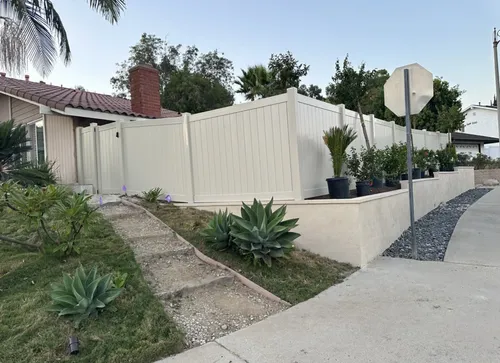
Huntington Fence and Steel is a family-owned fence installation contractor serving Long Beach, CA. They provide fencing solutions using quality materials and operate as a fully bonded, licensed, and insured company. The business focuses on offering competitive pricing while maintaining professional standards.
A G Vinyl Fencing
1189 N Grove St B, Anaheim, CA 92806
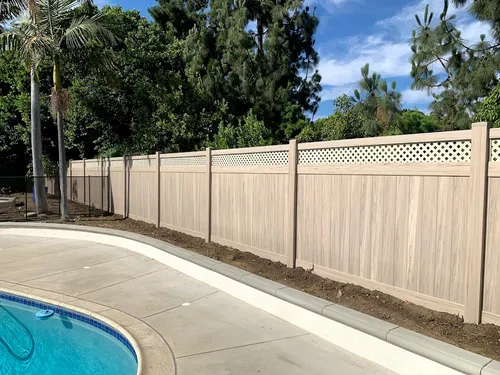
A G Vinyl Fencing is a fence installation contractor based in Anaheim, serving Long Beach, CA, and the broader Southern California region. They specialize in installing vinyl, aluminum, composite, and glass fences, gates, patio covers, railings, and decking. Their vinyl and aluminum products are designed to resist fading, cracking, rust, and corrosion, making them suitable for the local climate. With over 35 years of combined experience, A G Vinyl Fencing is a family-operated business known for quality workmanship and a commitment to customer satisfaction.
Droughtscape
Angeles Crest Hwy, La Cañada Flintridge, CA 91011
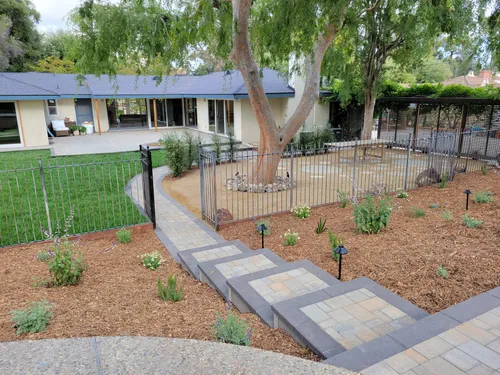
Droughtscape is a landscaping and outdoor construction company based in Los Angeles, CA. With over 45 years of experience, they specialize in drought and fire-resistant landscape design and installation, hardscaping, irrigation, fencing, artificial turf, and more. Their services cover a wide range of outdoor improvements including interlocking pavers, decks, pergolas, retaining walls, and yard drainage. Droughtscape serves multiple neighborhoods in the Los Angeles area, focusing on water-saving and sustainable landscaping solutions that suit various home styles. They emphasize clear communication and quality craftsmanship to provide a smooth project experience.
Calvet Fence
580 E Lambert Rd, Brea, CA 92821
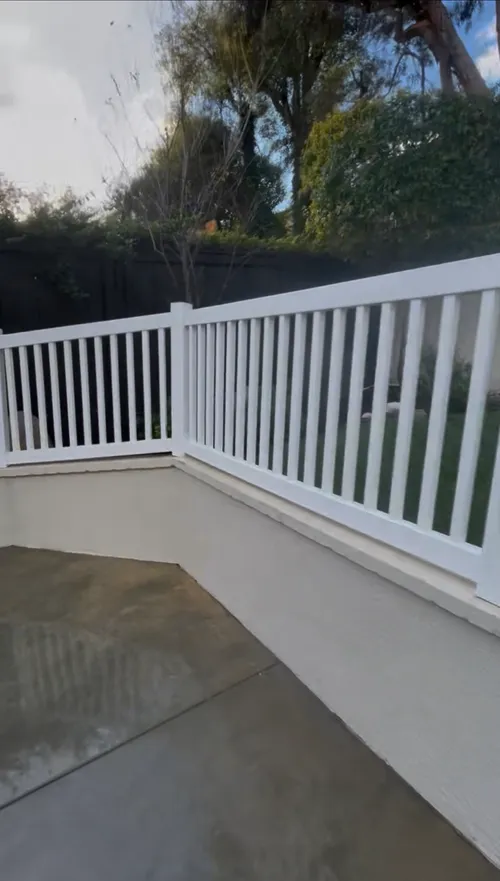
Calvet Fence is a fence installation contractor based in Long Beach, CA, serving Orange County including Fullerton, Irvine, and Anaheim. The company specializes in installing and repairing various types of fences such as wood, vinyl, aluminum, side railings, chain link, and custom designs. As a veteran-owned business and exclusive ActiveYards dealer, Calvet Fence emphasizes skilled craftsmanship and timely project completion. The company is backed by Google Guaranteed, highlighting its commitment to reliable service.
Installationpro
2102 Business Center Dr STE 130, Irvine, CA 92612
Installationpro is a handyman and fence installation contractor based in Santa Ana, CA, serving Orange County and nearby Los Angeles County cities. They offer a wide range of home improvement and repair services, including fence and gate repair, drywall repair, door installation, and energy-efficient home remodeling. Installationpro holds a general contractor license and has been providing local handyman services for over three years. Their team is equipped to handle projects both large and small, with an emphasis on quality craftsmanship and customer satisfaction.
Understanding Pomona's Fence Regulations and Permits
Before you start planning your fence installation in Pomona, it's vital to understand the city's specific codes. Adhering to these rules ensures your project is legal, safe, and avoids disputes with neighbors or the city.
Height and Location Restrictions: In Pomona, fence height limits are primarily determined by their location on your property.
- Front Yards: The maximum allowable height is typically 4 feet. Furthermore, fences in the front yard must be of an "open" style, such as picket, split-rail, or lattice, which allows for visibility.
- Side and Rear Yards: You can generally install a fence up to 6 feet in height. In these areas, you can choose between solid privacy fences or open designs 1.
The Permit Process: Unlike some areas, Pomona requires a permit for virtually all new fence installations. You must submit an application to the Pomona Planning Department. This usually involves providing a site plan that clearly marks your property lines, the proposed fence location, its height, and the materials to be used. Skipping this step can result in fines or being forced to remove the non-compliant structure.
A Critical First Step: Verify Your Property Lines One of the most important pre-installation steps is confirming your exact property boundaries. Relying on old fences or assumptions can lead to costly legal disputes if you build on a neighbor's land. It's highly recommended to consult your property survey or hire a professional surveyor to mark the lines before any work begins 2.
Choosing the Right Fencing Material for Your Needs
The material you choose will define your fence's appearance, durability, maintenance needs, and cost. Here's a breakdown of the most common options used by Pomona homeowners.
Wood Fencing
Wood remains a classic and popular choice for good reason. It offers a natural, warm aesthetic that complements many architectural styles and can be stained or painted any color.
- Pros: Affordable initial cost, versatile for both privacy and decorative styles, and provides excellent sound dampening for a private backyard oasis 3.
- Cons: Requires regular maintenance like staining, sealing, or painting to protect against Southern California's sun and occasional rain. It is also susceptible to rot, insect damage, and warping over time if not properly cared for.
- Best For: Homeowners seeking a traditional look, a high degree of privacy, and who don't mind periodic upkeep.
Vinyl Fencing
Vinyl (or PVC) fencing has surged in popularity due to its low-maintenance benefits and clean, uniform appearance.
- Pros: Extremely durable and resistant to rotting, warping, and insect damage. It never needs painting-just an occasional wash with soap and water. It comes in a variety of styles, including solid privacy panels and picket designs, and is available in different colors.
- Cons: Higher upfront material cost than wood. While durable, it can become brittle in extreme, direct heat over many years and may crack upon severe impact.
- Best For: Busy homeowners who want a "set-it-and-forget-it" solution with a modern, tidy look.
Aluminum and Wrought Iron Fencing
For elegance, security, and durability, metal fences are a top-tier option.
- Pros: Provides unmatched security and a stately, ornamental appearance. Aluminum is lightweight, rust-resistant, and often powder-coated for color, while wrought iron is incredibly strong. Both require minimal maintenance beyond occasional cleaning.
- Cons: This is typically the most expensive option in terms of both materials and installation. It offers less visual privacy unless paired with infill panels.
- Best For: Enhancing curb appeal with decorative front yard fencing, securing pool areas, or adding a sophisticated boundary to a property.
Fence Styles: Privacy vs. Decorative
Your choice of style should align with your primary goal for the fence.
Privacy Fences: Designed to block sightlines, these are typically 6 to 8 feet tall and constructed from solid materials. Perfect for side and rear yards, they create secluded outdoor living spaces for pools, patios, and family gatherings. Common privacy styles include solid board wood, vinyl privacy panels, and composite fencing.
Decorative Fences: These focus on aesthetics and defining space without creating a solid barrier. They include classic picket fences, ornamental aluminum or wrought iron, split-rail fences, and fences with lattice tops. Decorative styles are ideal for front yards where code often mandates an open design, or for adding visual interest to a garden area 4 5.
Find the perfect fence installers for your needs
Get personalized recommendations and expert advice
Cost Breakdown for Fence Installation in Pomona
The total cost of your fence project depends on three main factors: material, linear footage, and labor. Prices can vary significantly based on your specific choices and the contractor.
Cost by Material (Per Linear Foot, Installed):
- Wood Privacy Fence: The installed cost for a standard 6-foot tall wood privacy fence is a common benchmark, typically ranging from $30 to $60 per linear foot. This includes materials (like cedar or pressure-treated pine) and professional installation.
- Vinyl Fencing: Installed vinyl fencing often falls in the range of $25 to $50+ per linear foot. The price varies with the style (privacy vs. picket) and the quality/weight of the vinyl.
- Aluminum/Wrought Iron: As a premium option, ornamental metal fencing generally starts around $40 per linear foot and can exceed $100+ for intricate custom designs.
Understanding Labor and Other Costs: Labor typically constitutes 40% to 60% of the total project cost, covering site preparation, post hole digging, setting posts in concrete, and assembly 6. Labor rates can range from $8 to $25+ per linear foot 7.
- Gates: Don't forget to budget for gates, which are essential for access. A standard walk gate can add $300 to $800, while a wider double driveway gate can cost $1,500 to $2,500 or more, depending on the material and automation 8.
- Total Project Example: For a typical 150-foot long, 6-foot tall wood privacy fence, you could expect a total project cost between $4,500 and $9,000, with gates and any challenging terrain (like slopes or hard soil) increasing the price 9 10.
Planning and Executing Your Project
A successful fence installation requires careful planning.
- Define Your Goals: Determine your primary need-privacy, security, pet containment, or decoration.
- Set a Budget: Use the cost ranges above to establish a realistic budget, including a 10-15% contingency for unexpected issues.
- Research and Get Quotes: Contact several licensed and insured fence contractors who are familiar with Pomona's specific permit process and codes. Get detailed written quotes that break down material, labor, permit fees, and a timeline.
- Secure the Permit: Your chosen contractor may handle this, or you may need to submit the application yourself to the Pomona Planning Department. Never proceed without an approved permit 11.
- Prepare the Site: Clear the fence line of debris, plants, and obstacles. Ensure your contractor has verified the property lines.
Frequently asked questions
Sources
Footnotes
-
90-11. Buffering, screening, and fencing requirements. - Pomona Park - http://pomonapark.elaws.us/code/coor_ptii_ch90_sec90-11 ↩
-
Complete California Fence Permit Requirements Guide - https://agvinylfencing.com/fence-permit-requirements-california/ ↩
-
Fencing in Pomona - Fence Craft of Upland - https://fencecraftofupland.com/fencing-in-pomona/ ↩
-
Fencing in Pomona | Valley Cities Fence - https://www.valleycitiesfence.com/fencing-in-pomona/ ↩
-
What's the Right Fence Height? - https://www.longfence.com/blog/whats-the-right-fence-height/ ↩
-
Your Guide to Fence Installation Cost by Material and Size - https://jhlandscapes.com/your-guide-to-fence-installation-cost-by-material-and-size/ ↩
-
Privacy Fence Cost Guide 2025: Materials, Labor, and Installation - https://barrierbossusa.com/blogs/news/how-much-does-a-privacy-fence-cost-usa-2025 ↩
-
How Much Does Fence Installation and Replacement Cost? - https://modernize.com/fencing/cost ↩
-
How Much Does a Privacy Fence Cost? (2025 Pricing Guide for ... - https://coolcatfence.com/how-much-does-a-privacy-fence-cost/ ↩
-
How Much Does It Cost To Build a Fence in California in 2025? - https://metalgatemasters.com/metal-gate-masters-blog/f/how-much-does-it-cost-to-build-a-fence-in-california-in-2025 ↩
-
California Fence Permits | Privacy Fence Rules & Aluminum ... - https://aluglobusfence.com/installation/understanding-permits-and-regulations-for-privacy-fence-installation-in-california/ ↩