Find the Best Fence Installers for Your Business
No obligation • Fast responses • Nationwide coverage

Why you can trust Landscape Atlas
Landscape Atlas is a leading United States resource for evaluating landscaping, lawn care, and outdoor service providers. Our team researches each category in depth, focusing on service quality, safety, and customer experience. Listings and rankings are based on independent criteria and user feedback, and companies cannot pay to influence our assessments or recommendations.
Search providers near you
Top Fence Installers in Deltona, Florida Ranked
Adding a fence to your Deltona property is a significant investment that enhances privacy, security, and curb appeal. Whether you're looking to define your property line, create a safe space for pets and children, or simply boost your home's aesthetic, understanding the local process is key. This guide will help you navigate the specifics of fence installation in Deltona, from material choices and local regulations to planning and budgeting, so you can connect with the right professionals for your project.
Snyder's Landscapes
Orlando, FL
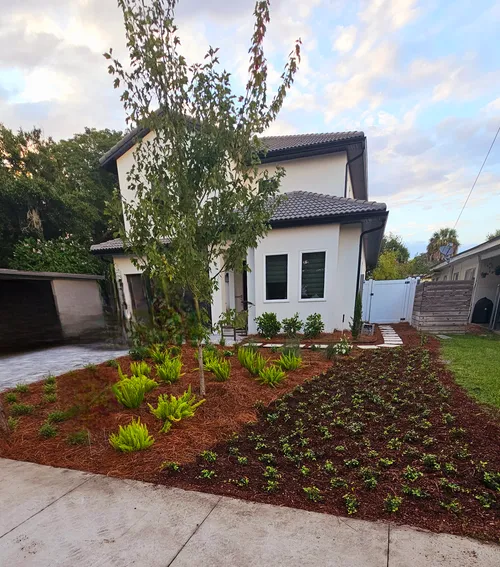
Snyder's Landscapes is a landscaping company based in Orlando, FL, with nearly 20 years of experience in landscape design and installation. They offer a range of services including sod installation, artificial turf, fence installation, landscape lighting, tree services, and hardscaping such as pavers and retaining walls. The company is known for creating professional lighting systems and comprehensive landscape plans that enhance outdoor spaces. Their work includes mulch beds, brick edging, and pool patios, reflecting a broad capability in both soft and hard landscaping elements.
Affordable Fence Professionals
Orlando, FL
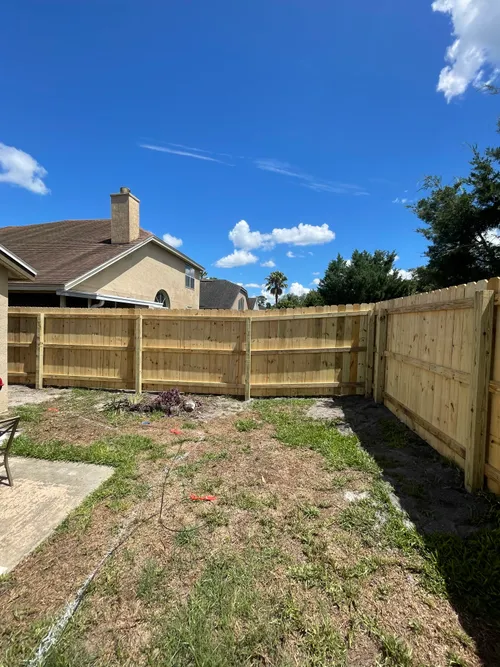
Affordable Fence Professionals is a fencing contractor based in Orlando, FL, specializing in the installation and repair of wooden, vinyl, aluminum, and chain link fences. They offer custom fence designs tailored to enhance privacy, security, and curb appeal for residential and commercial properties. Their team provides expert craftsmanship and durable fencing solutions with a focus on customer satisfaction. Affordable Fence Professionals serves Orlando and the surrounding areas, offering 24/7 premium support to assist clients whenever needed.
Citrus Landscape Solutions
1101 Central Park Dr, Sanford, FL 32771
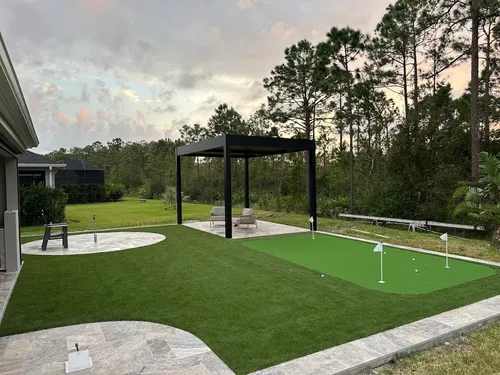
Citrus Landscape Solutions is a full-service landscaping company based in Orlando, FL, specializing in Florida-friendly landscape design, sod installation, irrigation, hardscaping, outdoor lighting, and fencing. They serve residential and commercial clients across Central Florida, creating outdoor spaces that are both beautiful and functional, designed to thrive in the local climate. With over 500 projects completed, Citrus Landscape Solutions is known for craftsmanship and creative solutions, including complex installations like terracing and pond landscaping. The company emphasizes local expertise and quality materials to deliver lasting results.
Jb's Professional Services LLC DBA Miscellaneous Crew
2212 S Chickasaw Trail #128, Orlando, FL 32825
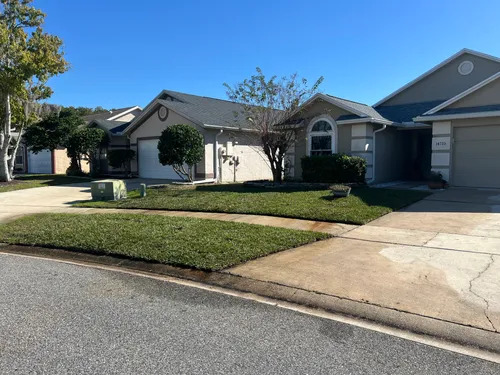
Jb's Professional Services LLC DBA Miscellaneous Crew is a landscaping and outdoor solutions provider based in Orlando, FL. They offer a variety of services including sod installation, irrigation system setup, fence installation, landscape design, yard drainage, and grading. The company focuses on creating sustainable and functional outdoor spaces tailored to the unique needs of each property. Their irrigation services emphasize water efficiency to promote healthy lawns while minimizing waste. Jb's serves homeowners and businesses throughout Central Florida, including Orlando and nearby communities. They bring years of experience and craftsmanship to their work, aiming to enhance the beauty and sustainability of outdoor environments.
Life Saver Pool Fence of Central Florida
1614 McCulloch Rd, Oviedo, FL 32765
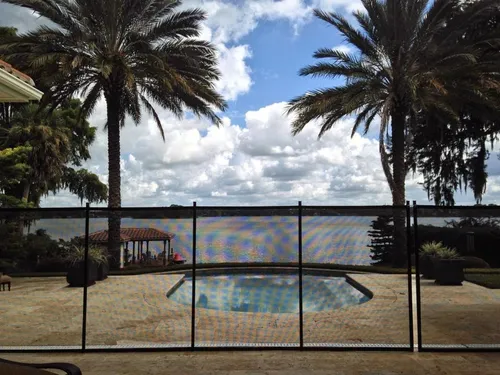
Life Saver Pool Fence of Central Florida is a fence installation contractor based in Orlando, FL. The company specializes in installing pool fences and serves a wide range of communities throughout Central Florida. Their service area includes numerous cities such as Altamonte Springs, Apopka, Kissimmee, and Winter Park, among others. Life Saver Pool Fence focuses on providing secure and compliant pool fencing solutions to enhance safety around residential pools.
Understanding Deltona's Fence Regulations
Before you start planning your new fence, it's crucial to understand the local rules. Deltona, and Volusia County as a whole, has specific codes governing fence construction to ensure safety, visibility, and neighborhood consistency 1.
Height Restrictions: The permitted height of your fence depends on its location on your property. For front yards, fences are typically limited to 4 to 5 feet to maintain visibility for drivers and pedestrians 2. For side and rear yards, you can generally install a fence up to 6 feet tall, which is ideal for privacy. If your property is on a corner lot, you'll face stricter visibility requirements, often detailed in codes like Section 72-277(3), so consulting the city directly is essential 3.
Permits and Property Lines: A permit is almost always required for fence installation in Deltona 4. The application process involves submitting details about your fence's location, height, and materials to the City of Deltona for approval. This step ensures your project complies with all local ordinances. Furthermore, you must build your fence entirely on your own property. To avoid disputes with neighbors, obtaining a recent property survey is highly recommended to accurately mark your boundaries before any work begins.
Utility Easements: Your property likely has utility easements-areas where public utilities have the right to access and repair underground lines. Fences cannot obstruct these easements. It's not just a rule; it's a practical necessity. If a utility company needs to dig in an easement and your fence is in the way, they are not obligated to repair or replace it 5 6. Always call 811 to have underground utilities marked before you dig any post holes.
Choosing the Right Fencing Material for Your Home
The material you choose will define your fence's look, longevity, maintenance needs, and cost. Florida's climate, with its sun, humidity, and occasional storms, makes durability a top priority. Here are the most popular options for Deltona homeowners.
Vinyl (PVC) Fencing: A top choice for its low-maintenance appeal, vinyl fencing resists rot, insects, and fading. It never needs painting-just an occasional wash with soap and water. Available in solid privacy panels or classic picket styles, vinyl offers excellent durability and is a great option for both privacy and decorative purposes.
Wood Fencing: Wood provides a timeless, natural look that many homeowners love. It's often more affordable upfront than other materials and is excellent for creating a solid privacy barrier. However, wood requires ongoing maintenance in Florida's climate, including regular staining or sealing to protect against moisture and UV damage.
Metal Fencing: This category includes several options:
- Aluminum: Lightweight, rust-resistant, and available in elegant, decorative designs. It's a popular choice for pool enclosures and ornamental front yard fences.
- Steel: Extremely strong and secure, ideal for properties where security is the primary concern.
- Wrought Iron: The premium metal option, known for its classic, ornate designs and exceptional strength. All metal fences are durable but offer little to no privacy unless paired with other materials.
Composite Fencing: Made from a blend of wood fibers and plastic, composite fencing offers the natural appearance of wood without the high maintenance. It's highly durable, resistant to rot and insects, and doesn't require staining. This comes at a higher initial cost, but for many, the long-term savings in upkeep are worth it.
Chain Link Fencing: The most economical option, chain link is practical for securing a perimeter without blocking views. When coated with vinyl, it gains improved corrosion resistance and can be found in various colors. It is not suitable for privacy unless slats are woven through the links.
Planning Your Fence: Purpose, Style, and Budget
With regulations and materials in mind, the next step is to plan your fence's function and aesthetics.
Define Your Primary Goal:
- Privacy: If seclusion is your main objective, you'll want a solid fence that blocks the view. A 6-foot tall fence in the backyard made of vinyl, wood, or composite is the standard solution 7.
- Decoration & Curb Appeal: For enhancing your home's exterior without creating a solid barrier, decorative aluminum, wrought iron, or a shorter wood picket fence in the front yard are excellent choices.
- Security: To deter intruders or contain pets, a sturdy metal (steel or aluminum) or a tall, solid wood fence is effective.
- Pool Safety: Florida law requires pool barriers, and an aluminum or removable mesh fence are common solutions that meet code while looking attractive.
Budgeting for Your Project: Fence installation costs in Deltona vary widely based on material, linear footage, and site complexity. Labor typically accounts for 40-60% of the total project cost. As a general guide, installed costs per linear foot in the area can range from:
- Chain Link: $10 - $25+
- Wood: $15 - $30+
- Vinyl: $25 - $45+
- Aluminum: $30 - $50+
- Composite: $40 - $70+ 8 9 10
These are estimates; obtaining multiple quotes from local installers is the best way to establish an accurate budget for your specific project.
Find the perfect fence installers for your needs
Get personalized recommendations and expert advice
The Professional Installation Process
Hiring a professional ensures your fence is installed correctly, meets all codes, and stands the test of time. Here's what a typical installation process looks like:
- Consultation & Quote: A reputable installer will visit your property to discuss your needs, take measurements, assess the terrain, and identify any potential challenges like slopes or tree roots.
- Planning & Permitting: Your installer will often handle the permit application process with the City of Deltona, submitting the required plans and paying associated fees. They will also coordinate the 811 utility locate call 11.
- Site Preparation: This involves marking the exact fence line, clearing vegetation, and digging post holes. Hole depth is critical for stability, especially in Florida's sandy soil, and often requires concrete footings 12.
- Post Setting: Posts are placed in the holes, leveled, and secured with concrete. This is the most critical step for ensuring a straight, sturdy, and long-lasting fence.
- Installing Rails & Panels: Once the posts are set and the concrete has cured, horizontal rails and the fence panels (or pickets, boards, etc.) are attached according to the design.
- Finishing Touches & Inspection: Gates are hung and hardware is installed. The site is cleaned up, and a final walk-through ensures everything meets your expectations and local codes.
Maintaining Your Florida Fence
Protecting your investment requires some basic upkeep:
- Wood: Inspect annually for rot or insect damage. Re-stain or reseal every 2-3 years to protect from sun and moisture.
- Vinyl & Composite: Wash with a garden hose and mild detergent once or twice a year to remove dirt and mildew.
- Metal: Check for scratches or chips in the powder coating that could lead to rust. Touch up as needed.
- All Fences: Periodically check for loose posts, rails, or hardware, especially after severe weather. Keep vegetation trimmed back from the fence line.
Frequently asked questions
Sources
Footnotes
-
Understanding Florida Fence Laws & Regulations - https://www.mastersqualityfence.com/blog/2024/understanding-florida-fence-laws-regulations.html ↩
-
Fence Height - Volusia County Government - https://www.volusia.org/core/fileparse.php/5906/urlt/14-Fence-Height-Research.pdf ↩
-
§ 72-282. Fences, walls and hedges., Division 8 ... - Volusia County - http://volusiacounty.elaws.us/code/coor_ch72_artii_div8_sec72-282 ↩
-
FENCE PERMIT APPLICATION - Deltona, FL - https://deltonafl.gov/DocumentCenter/View/121/Fence-Permit-PDF ↩
-
Deltona Fence Company - Lifetime Fence & Deck - https://www.lifetimefenceanddeck.com/deltona-fence-pros ↩
-
Do you need a permit for a fence in Volusia County, Florida? - https://www.giffordfenceorlando.com/blog/?do-you-need-a-permit-for-a-fence-in-volusia-county,-florida- ↩
-
Privacy Fence Cost Guide 2025: Materials, Labor, and Installation - https://barrierbossusa.com/blogs/news/how-much-does-a-privacy-fence-cost-usa-2025 ↩
-
Fence Installation Costs in Volusia County - https://toprailfences.com/volusia-county/blog/resources/fence-project-costs-volusia-county/ ↩
-
Privacy Fence Cost: What Orlando Homeowners Need to Know - https://www.wulfffence.com/blog/2025/privacy-fence-cost-what-orlando-homeowners-need-to-know.html ↩
-
Your Guide to Fence Installation Cost by Material and Size - https://jhlandscapes.com/your-guide-to-fence-installation-cost-by-material-and-size/ ↩
-
Fence Installation Quotes: A Quick Guide for Homeowners - https://agvinylfencing.com/fence-installation-quote-guide/ ↩
-
Fence Installation for Florida Homeowners: Step-by-Step Guide - https://www.fenceoutlet.com/fence-installation-florida-guide/ ↩