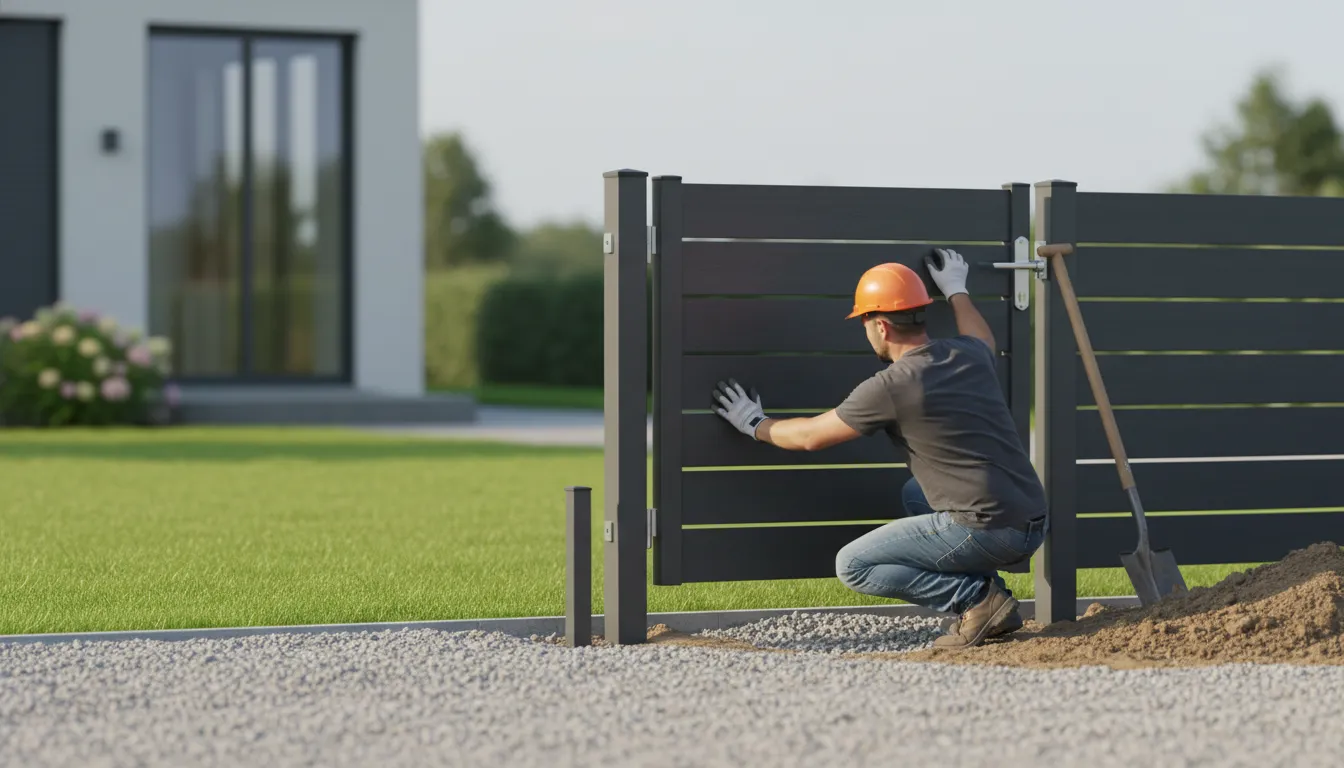
Find the Best Fence Installers for Your Business
No obligation • Fast responses • Nationwide coverage

Why you can trust Landscape Atlas
Landscape Atlas is a leading United States resource for evaluating landscaping, lawn care, and outdoor service providers. Our team researches each category in depth, focusing on service quality, safety, and customer experience. Listings and rankings are based on independent criteria and user feedback, and companies cannot pay to influence our assessments or recommendations.
Search providers near you
Top Fence Installers in Homestead, Florida Ranked
Adding a fence to your Homestead property is a significant investment that enhances privacy, security, and curb appeal. Whether you're looking to define your property line, create a safe space for children and pets, or simply boost your home's aesthetic, understanding the local process is key. This guide provides a detailed look at planning, regulations, material choices, and installation for fence projects in Homestead, helping you connect with qualified professionals who can bring your vision to life.
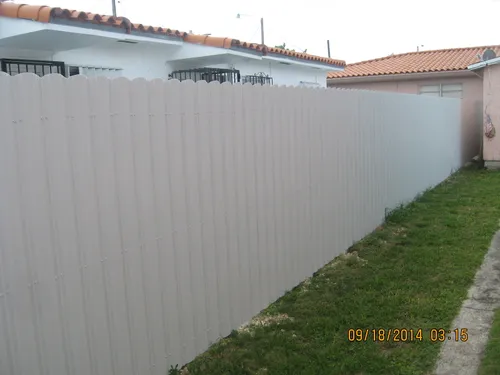
Thd Fencing
7971 NW 56th St, Doral, FL 33166
Thd Fencing is a fencing contractor serving Miami, FL, and the surrounding South Florida region. They provide fence installation, repairs, and maintenance with a focus on managing the entire process, including sourcing materials and handling permits. The company offers a range of fencing materials such as wood, vinyl, Trex, chain-link, and aluminum, and ensures professional installation with expert supervision. With over 22 years of experience, Thd Fencing is a certified Home Depot installer known for comprehensive permitting services and site management.
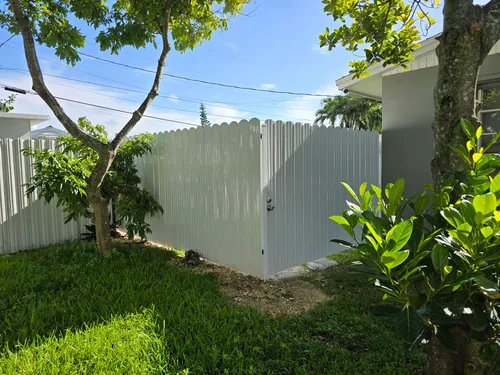
Allday Fence Company
13616 SW 115th Ln, Miami, FL 33186
Allday Fence Company is a fence installation contractor based in Miami, FL, serving Miami-Dade County and nearby communities. They provide residential and commercial fencing solutions tailored to enhance privacy, security, and curb appeal. With over 20 years of local experience, Allday Fence Company offers full-service fencing from consultation and design to professional installation, using high-quality, weather-resistant materials designed to withstand Florida's climate. They also specialize in resolving building violations and permit issues related to fencing projects.
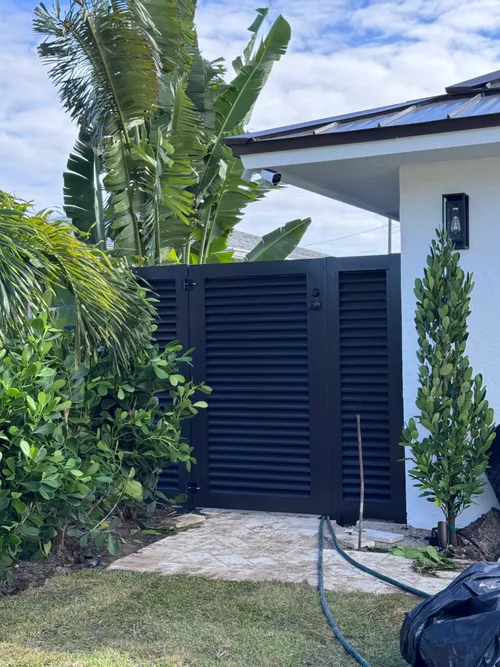
FAC Metal Works Corp
9806 NW 80th Ave unit 12N, Hialeah Gardens, FL 33016
FAC Metal Works Corp is a fence installation contractor based in Miami, FL. They provide custom fence design and expert installation services tailored to each property's unique needs. Their certified installation team ensures fences are built to high standards, combining security with an attractive finish. The company offers personalized consultations to assess client needs and provide detailed designs and transparent quotes.
Chaer Construction Fence, Driveway, & Paver Contractor
2061 NW 112th Ave, Miami, FL 33172
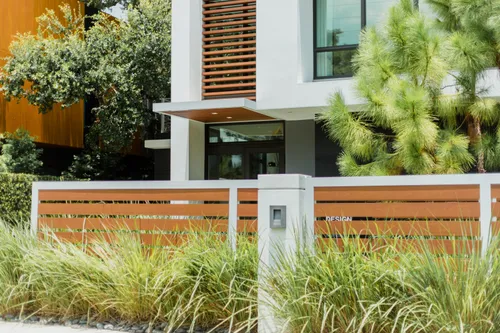
Chaer Construction Fence, Driveway, & Paver Contractor is a full-service company based in Miami, FL, specializing in fence installation, driveway construction, concrete work, and paver services. They serve homeowners, contractors, organizations, and government agencies in the South Florida area, including Broward and Miami-Dade Counties. Their offerings include vinyl, wood, chain link, aluminum, and durafence fencing, as well as stamped concrete, concrete pads, and brick pavers for driveways, patios, and walkways. Established in 2018, Chaer Construction is a family-owned and operated business with fully licensed general contractors and a focus on quality materials and workmanship.
The Miami Fence Company
Miami, FL
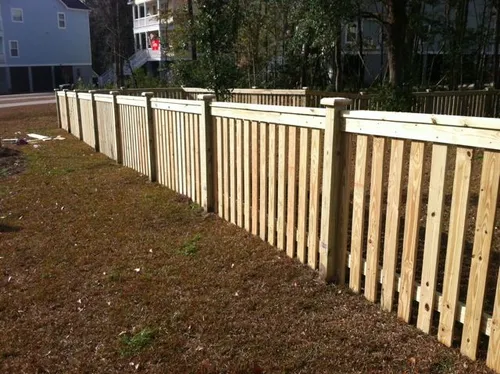
The Miami Fence Company is a local fencing contractor serving Miami, FL, and the surrounding Miami-Dade County areas including Hialeah, Kendall, Coral Gables, Cutler Bay, and Doral. They provide a range of fence installation and repair services using materials such as wood, vinyl, aluminum, chain-link, and SimTek. The company also offers custom gates, enclosures, and security fencing tailored to residential, commercial, agricultural, and industrial properties. With over two decades of experience, they emphasize precise measurements, quality materials, and compliance with local permitting requirements to ensure durable and well-installed fences.
Understanding Homestead's Fencing Regulations
Before you pick out a single post, it's crucial to understand the local rules that govern fence construction. In Homestead, your project must comply with both Miami-Dade County ordinances and, if applicable, your neighborhood's Homeowners Association (HOA) covenants.
Permits are a mandatory first step. You must apply for and receive a permit from the City of Homestead's Planning & Zoning or Building Department before any work begins. The application typically requires a site plan showing your property lines and the proposed fence location. Skipping this step can result in fines or being required to remove the unpermitted structure.
Height and placement are strictly regulated. Generally, in rear and side yards, the maximum fence height is 6 feet. For front yards, the maximum is typically reduced to 4 feet to maintain sight lines and an open streetscape. The fence must be constructed entirely on your property line; a recent property survey is essential to avoid encroaching on a neighbor's land or a public right-of-way. For materials like chain link, there is often a requirement that the fence be set behind the front building line of your home.
HOA approval is often the very first hurdle. If you live in a community with an HOA, you must submit your fence plans-including material, color, style, and height-for architectural review committee approval before you even apply for a city permit 1. HOAs enforce uniformity to preserve community aesthetics, so their guidelines on acceptable materials (e.g., vinyl only, specific wood stains) can be more restrictive than city code.
Find the perfect fence installers for your needs
Get personalized recommendations and expert advice
Choosing the Right Fence Material for South Florida
The material you choose will define your fence's look, durability, maintenance needs, and cost. South Florida's climate-with its intense sun, high humidity, and salt air-demands materials that can withstand the elements.
Privacy Fence Options
For creating a secluded backyard oasis, solid privacy fences are the most popular choice.
- Wood: A classic, natural option that offers full customization. Styles like board-on-board or shadowbox provide complete privacy with a timeless look. However, wood requires regular maintenance, including staining or sealing every few years to protect against moisture, termites, and rot.
- Vinyl (PVC): An excellent low-maintenance alternative to wood. Vinyl fencing is durable, won't rot or rust, and only needs occasional cleaning with soap and water. It comes in a variety of styles, including solid panels and lattice-top designs, and retains its color without painting.
- Composite: This modern material blends wood fibers and plastics, offering the natural appearance of wood without the high maintenance. Composite fences are highly resistant to fading, insects, and moisture, making them a long-lasting, though often premium-priced, option for privacy.
Decorative and Semi-Privacy Options
If your goal is more about marking a boundary with style than creating total seclusion, these materials are ideal.
- Aluminum or Steel: Ornamental aluminum and steel fences provide security and a sophisticated, decorative look. Aluminum is particularly popular in coastal areas like Homestead because it is highly rust-resistant. These fences are strong, durable, and often come in black or white powder-coated finishes.
- Chain Link: The most economical fencing choice, chain link is practical for defining property boundaries, securing pools (with proper gates), and containing pets. While it offers minimal privacy and aesthetic appeal on its own, it can be paired with privacy slats or climbing vines for a greener look 2.
The Fence Installation Process: Step-by-Step
A professional fence installation follows a logical sequence to ensure a stable, long-lasting, and code-compliant result.
- Planning and Design: This initial phase involves finalizing your material choice, determining the fence line using your property survey, and creating a detailed plan. It's also the time to formally check for underground utilities by calling 811 to have lines marked, preventing dangerous and costly strikes during digging 3 4.
- Approvals and Permitting: With your design plan in hand, you'll seek HOA approval (if required) and then submit your permit application to the city. This step cannot be rushed, as waiting for approvals is a standard part of the timeline.
- Layout and Marking: Once permitted, the installer will physically lay out the fence line using stakes and string, precisely marking the location for each fence post according to your plan and the property survey.
- Post Setting: This is the most critical structural step. Holes are dug to a depth of about one-third the fence's height (deeper for corner and gate posts). Posts are set plumb (perfectly vertical) in concrete, which must cure fully before any weight is applied. Proper setting prevents leaning and sagging over time 5.
- Panel and Rail Installation: After the concrete has cured, horizontal rails are attached between the posts. Then, the fence panels (for pre-assembled styles) or individual pickets/boards are secured to the rails. Throughout this process, installers use levels to ensure everything is straight and even.
- Gate Installation and Final Inspection: Gates are hung with heavy-duty hardware to ensure smooth operation. A final walk-through ensures the fence meets all specifications and looks great. Some municipalities may require a final inspection to close out the permit.
Budgeting for Your Fence Project
The total cost of your fence installation in Homestead can vary widely based on several key factors. Understanding these will help you plan your budget wisely.
The primary cost drivers are:
- Material: This is the biggest variable. Chain link is the most budget-friendly, while wood, vinyl, and aluminum fall into a mid-range, and composite materials are typically at the higher end.
- Linear Footage: Fencing is typically priced per linear foot installed. Simply put, a longer fence will cost more.
- Height: A taller fence requires more materials and often deeper post holes, increasing the cost.
- Gates: Adding gates, especially wide or double gates, adds to the material and labor cost.
- Site Conditions: Difficult terrain, rocky soil, or the need for extensive tree root removal can increase labor time and cost.
As a general snapshot, you can expect a wide range, from as low as $10 per linear foot for a basic chain link installation to $55 or more per linear foot for premium materials like composite or intricate ornamental styles 6 7. For a more accurate estimate, it's always best to get detailed quotes from several local installers based on your specific project parameters.
Actionable Tip: Rules and fee schedules can be updated. Always consult directly with the City of Homestead's Planning & Zoning or Building Department for the most current ordinances and permit requirements before finalizing your plans 8 9.
Frequently asked questions
Sources
Footnotes
-
Fence Submittal Guide | Homestead Borough - https://homesteadborough.com/wp-content/uploads/2025/12/Fence-Submittal-Guide.pdf ↩
-
INSTALLATION REQUIREMENTS FOR WOOD / CHAIN LINK FENCES - https://www.semtribe.com/docs/default-source/services/building-inspections-department/fence-requirements-3-24.pdf?sfvrsn=ed59b199_3 ↩
-
Fence Installation for Florida Homeowners: Step-by-Step Guide - https://www.fenceoutlet.com/fence-installation-florida-guide/ ↩
-
Fence Types, Materials & Costs | Complete Home Fencing Guide - https://modernize.com/fencing ↩
-
Complete Guide to Fence Materials for Broward County Homes - https://browardcountyfence.com/complete-guide-to-fence-materials-for-broward-county-homes-lifespan-costs-maintenance/ ↩
-
Your Guide to Fence Installation Cost by Material and Size - https://jhlandscapes.com/your-guide-to-fence-installation-cost-by-material-and-size/ ↩
-
Privacy Fence Cost: What Orlando Homeowners Need to Know - https://www.wulfffence.com/blog/2025/privacy-fence-cost-what-orlando-homeowners-need-to-know.html ↩
-
Fences and Hedges - Miami-Dade County - https://www.miamidade.gov/global/economy/neighborhood-compliance/residential-fences-hedges.page ↩
-
Fence Cost Estimation: Plan Your Budget Wisely - https://www.centralflfence.com/post/fence-cost-estimation-plan-your-budget-wisely ↩