Find the Best Fence Installers for Your Business
No obligation • Fast responses • Nationwide coverage

Why you can trust Landscape Atlas
Landscape Atlas is a leading United States resource for evaluating landscaping, lawn care, and outdoor service providers. Our team researches each category in depth, focusing on service quality, safety, and customer experience. Listings and rankings are based on independent criteria and user feedback, and companies cannot pay to influence our assessments or recommendations.
Search providers near you
Top Fence Installers in Miami Beach, Florida Ranked
Adding a fence to your Miami Beach property is a significant investment that enhances privacy, security, and curb appeal. Whether you're looking to create a private oasis, define your property lines, or add a decorative element, understanding the local regulations, material options, and installation process is crucial. This guide provides essential information to help you plan your fencing project, from navigating city codes to selecting the right materials for Florida's unique coastal climate.
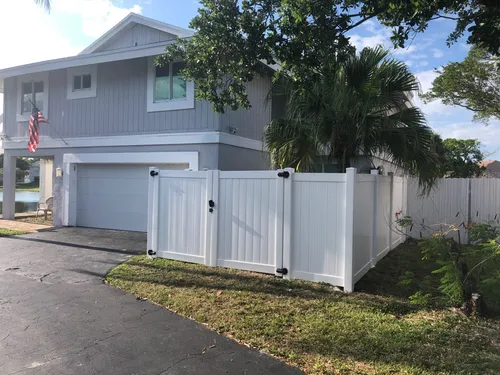
Ergeon
1021 Ives Dairy Rd Building 3, Suite 115, Miami, FL 33179
Ergeon is a fence installation contractor serving Miami, FL, specializing in wood and vinyl fence projects. They handle all aspects of fence installation, including design, permitting, and compliance with local regulations. Ergeon has completed over 40,000 projects nationwide and offers transparent pricing and a workmanship warranty. Their Miami team focuses on quality materials and efficient installation, typically completing projects within a few weeks.
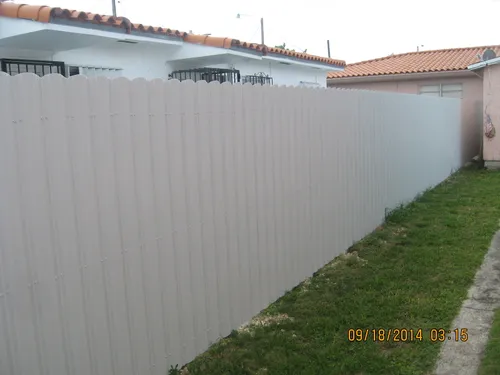
Thd Fencing
7971 NW 56th St, Doral, FL 33166
Thd Fencing is a fencing contractor serving Miami, FL, and the surrounding South Florida region. They provide fence installation, repairs, and maintenance with a focus on managing the entire process, including sourcing materials and handling permits. The company offers a range of fencing materials such as wood, vinyl, Trex, chain-link, and aluminum, and ensures professional installation with expert supervision. With over 22 years of experience, Thd Fencing is a certified Home Depot installer known for comprehensive permitting services and site management.
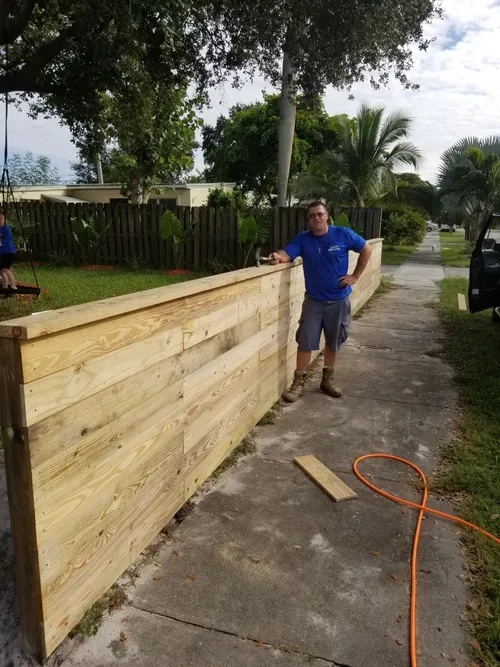
Bernard's Fencing Company LLC
1822 Wilson St, Hollywood, FL 33020
Bernard's Fencing Company LLC is a family-owned fencing contractor based near Miami, FL, serving the Dania Beach and Hollywood areas. They specialize in residential and commercial fence installation, offering a range of options including PVC vinyl fencing with a two-year warranty and post base cement filling. The company is fully licensed and insured, known for providing personalized service and handling projects of various sizes. Bernard's Fencing Company has earned recognition as a top-rated fencing contractor in Hollywood, Florida, in 2023.
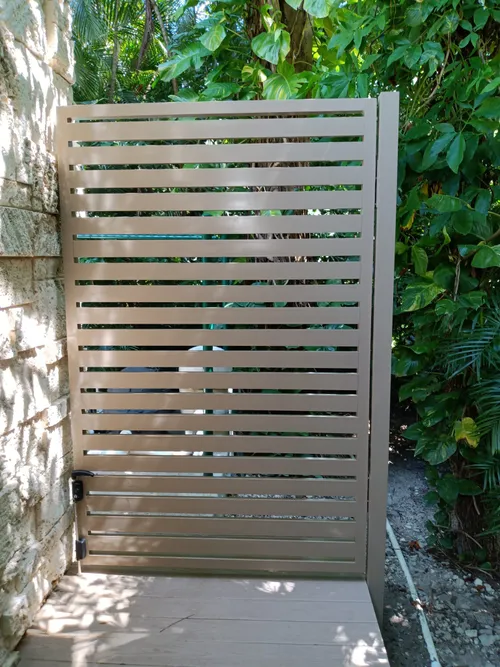
Exclusive Custom Fence and Repairs
5806 SW 25th St Bay 3, West Park, FL 33023
Exclusive Custom Fence and Repairs is a fence installation contractor based in Miami, FL. They provide commercial and residential fence and gate installations, repairs, and custom builds using high-quality materials combined with artistic designs. Their services cover Broward and Palm Beach counties, offering capabilities such as vinyl, wood, chain link, and mechanical aluminum fences and gates. The company emphasizes both aesthetic appeal and functional performance in their work.
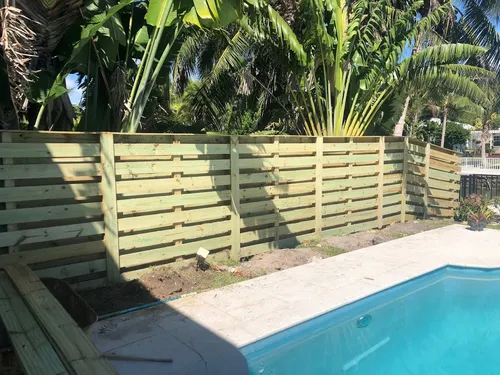
Canet Group Inc - Fencing, Concrete, Deck & Pools
14504 NW 87th Pl, Miami Lakes, FL 33018
Canet Group Inc - Fencing, Concrete, Deck & Pools is a contractor based in Miami, FL, specializing in fence installation and hardscaping services including pavers and retaining walls. They focus on transforming outdoor spaces for residential and commercial properties, creating durable and attractive areas that withstand Florida weather. Their work enhances the usability and appearance of outdoor environments, making them more enjoyable and functional.
Understanding Miami Beach Fence Regulations
Before you break ground on any fence project, familiarizing yourself with local rules is the most important step. Miami Beach, like all municipalities in Miami-Dade County, has specific codes governing fence height, placement, materials, and visibility. Ignoring these can result in costly fines or being required to remove a non-compliant structure.
The primary regulatory bodies are the City of Miami Beach Building Department and, if applicable, your Homeowners' Association (HOA). HOA rules can be even more restrictive than city codes, so checking your covenants is an essential first step.
Height and Placement Rules
Height restrictions are typically divided by yard location:
- Front Yards: Fences are generally limited to a maximum of 3.5 to 4 feet in height. This rule is designed to maintain open sightlines and a uniform streetscape.
- Side and Rear Yards: You can usually install taller fences here, often up to 6 feet without special approval. For heights exceeding 6 feet, a structural review or variance may be required 1.
- Visibility Triangles: This is a critical safety regulation. At property corners and driveway intersections, fences must be low enough (often 2.5 to 3 feet) to not obstruct the view of drivers or pedestrians. This "clear sight triangle" is strictly enforced 2 3.
Permit Requirements
In almost all cases, a building permit is required for fence installation in Miami Beach 4. The permit process involves submitting a site plan showing the fence's location, height, and materials for approval. This ensures your project complies with all zoning and building codes. Some ornamental metal or chain link fences under a certain height may have expedited processes, but verification is key.
Material Restrictions
Certain materials may be prohibited, especially in front yards. For example, chain link fencing is often restricted in visible front yard areas in favor of more aesthetically pleasing options like vinyl, aluminum, or wood 5.
Choosing the Right Fence Material for Coastal Florida
The humid, salty air and intense sun of Miami Beach demand materials that can withstand the elements with minimal maintenance. Your choice will balance durability, aesthetics, privacy, and budget.
Vinyl Fencing: An excellent choice for coastal properties, vinyl is highly resistant to moisture, salt corrosion, and insect damage. It requires virtually no maintenance beyond occasional cleaning, never needs painting, and is available in a variety of styles, including solid privacy panels and picket designs.
Aluminum or Ornamental Metal Fencing: Known for its elegant, decorative appeal, aluminum is rust-resistant and ideal for creating a sophisticated boundary without blocking views. It's a popular choice for pool enclosures and front yard accents, offering security with style 6.
Wood Fencing: A classic option that provides natural beauty and excellent privacy. Cedar and pressure-treated pine are common choices. However, wood requires regular maintenance-staining or sealing every few years-to protect against rot, termites, and moisture in Florida's climate.
Masonry/Concrete Block Fencing: Extremely durable and common in South Florida, masonry walls offer maximum privacy, security, and sound buffering. They are a permanent, low-maintenance solution, though they are typically the most expensive option and require significant engineering and permitting.
Chain Link Fencing: The most affordable and versatile option, chain link is low-maintenance and provides security without obstructing views. While often restricted in front yards, it's a practical choice for enclosing rear yards, side yards, or commercial properties 7.
Fence Styles: Privacy vs. Decorative
Your goal for the fence will guide your material and style selection.
- Privacy Fences: Designed to block sightlines, these are typically solid-panel constructions. Tall wood, vinyl, or masonry walls are ideal for creating a secluded backyard retreat, blocking noise, or screening a pool area.
- Decorative Fences: Focus on enhancing your property's aesthetics and defining space without creating a visual barrier. Ornamental aluminum, wrought iron, low picket fences, and certain vinyl styles fall into this category, perfect for front yards or perimeter accents.
Find the perfect fence installers for your needs
Get personalized recommendations and expert advice
Cost Considerations for Fence Installation
The total cost of your fence project in Miami Beach varies widely based on material, linear footage, height, and site complexity. On average, homeowners can expect to pay between $18 and $55 per linear foot for a professionally installed fence, including materials and labor 8.
Factors Influencing Cost:
- Material: Vinyl and aluminum are often mid-range, while high-end wood and masonry are at the top. Chain link is the most budget-friendly.
- Height and Linear Footage: A taller, longer fence requires more materials and labor.
- Gates: Adding gates increases complexity and cost.
- Terrain and Access: Sloped yards or difficult-to-access backyards can increase labor time.
- Permits and Site Prep: Don't forget to budget for permit fees and any necessary land clearing or tree root removal.
As a rough estimate, installing 100 linear feet of fencing in Miami Beach can range from approximately $1,800 to over $7,000+ depending on the factors above 9.
The Professional Installation Process: A Step-by-Step Guide
Working with a knowledgeable local installer ensures your fence is built to code and stands the test of time. Here's what a professional process looks like:
- Consultation and Planning: A reputable contractor will visit your property to discuss your needs, take measurements, and identify potential challenges like slopes or existing structures.
- Check HOA & Obtain Permits: Your contractor should handle the permit application process, submitting the required plans to the City of Miami Beach for approval. They will also confirm your project aligns with any HOA guidelines 10.
- Mark Property Lines: This is a critical step to avoid disputes. If your property lines are unclear, hiring a professional surveyor is a wise investment.
- Call 811: Florida law requires you to call 811 at least two full business days before any digging to have underground utility lines marked. This free service prevents dangerous and costly accidents 11 12.
- Site Preparation and Post Installation: The crew will clear the installation path and dig holes for posts. In South Florida, setting posts in concrete footings is standard to ensure stability, especially against high winds 13.
- Consider Wind Loads: Coastal Miami Beach is susceptible to high winds. A proper installation will account for wind load requirements, ensuring fence panels and posts are securely anchored.
- Final Inspection: Once installation is complete, a final inspection from the city may be required to close out the permit.
Maintaining Your Miami Beach Fence
Protect your investment with routine care. For vinyl and aluminum, simply rinse with a hose to remove salt spray and dirt. Wood fences need annual inspections for rot or insect damage and re-staining or sealing every 2-3 years. Metal fences should be checked for any chips in the powder coating that could lead to rust. A well-maintained fence will serve your Miami Beach home beautifully for decades.
Frequently asked questions
Sources
Footnotes
-
Fences and Gates - Miami-Dade County - https://www.miamidade.gov/global/economy/building/fences-gates.page ↩
-
Fence Height Requirements | Miami Springs FL - https://www.miamisprings-fl.gov/planning/page/fence-height-requirements ↩
-
Understanding Florida Fence Laws & Regulations - https://www.mastersqualityfence.com/blog/2024/understanding-florida-fence-laws-regulations.html ↩
-
Get a Fence Permit - City of Miami - https://www.miami.gov/Permits-Construction/Permit-Catalog/Get-a-Fence-Permit ↩
-
Fences and Hedges - https://www.miamidade.gov/global/economy/neighborhood-compliance/residential-fences-hedges.page ↩
-
Interactive Permit Guide - Building - City of Miami Beach - https://www.miamibeachfl.gov/city-hall/building/permits/interactive-permit-guide/ ↩
-
Everything You Need to Know About Fence Installation in Florida - https://fencepromidfl.com/everything-you-need-to-know-about-fence-installation-in-florida/ ↩
-
Cost to install fence in Miami, FL - Handoff AI Estimating - https://www.handoff.ai/construction-costs/install-fence/miami-fl ↩
-
How Much Does It Cost To Install 100 Feet Of Fence? - https://cerosfencecontractors.com/how-much-does-it-cost-to-install-100-feet-of-fence/ ↩
-
Navigating Florida Fence Regulations - https://www.byersfence.com/blog/2023/navigating-florida-fence-regulations.html ↩
-
Fence Installation for Florida Homeowners: Step-by-Step Guide - https://www.fenceoutlet.com/fence-installation-florida-guide/ ↩
-
Long Beach Fence Builder: Your Ultimate Guide - https://agvinylfencing.com/fence-installation-long-beach-guide/ ↩
-
FENCE PERMITS - City of North Miami Beach - https://www.citynmb.com/DocumentCenter/View/226/Fence-Permits ↩