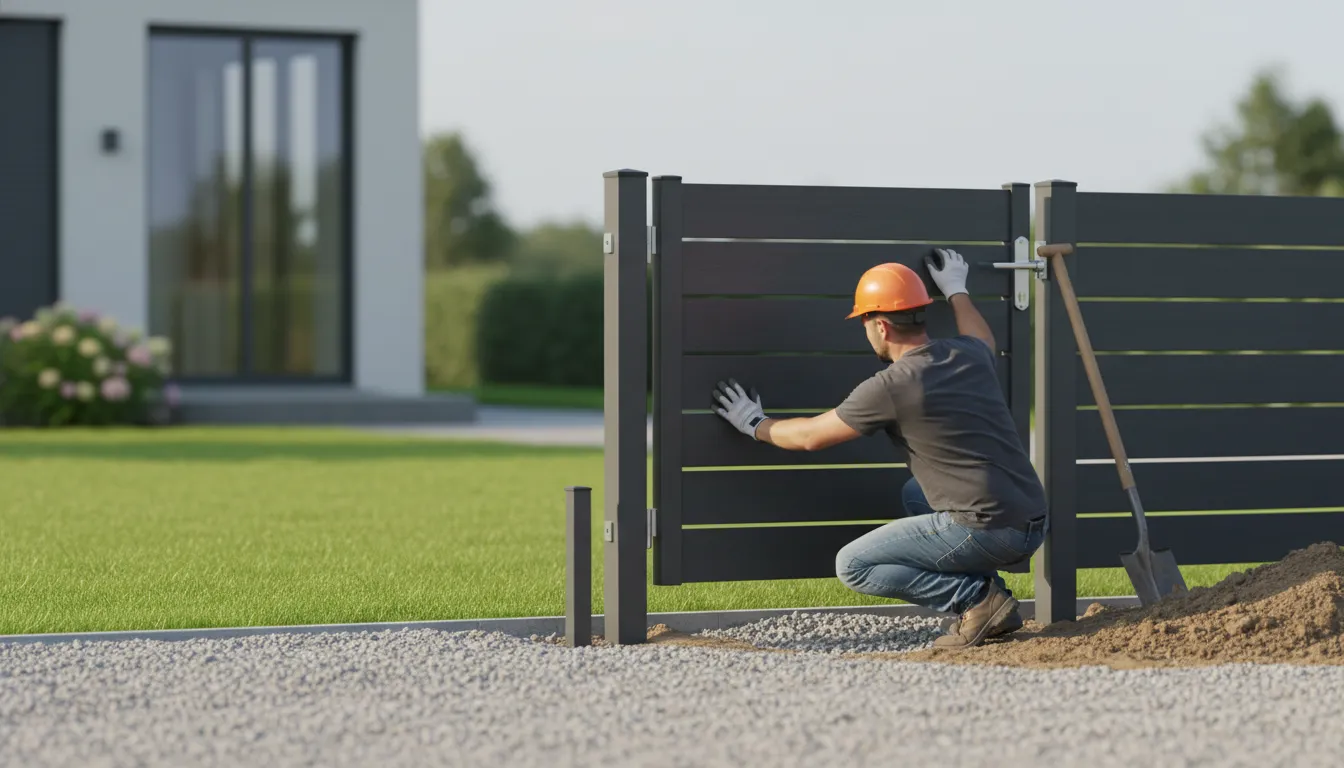
Find the Best Fence Installers for Your Business
No obligation • Fast responses • Nationwide coverage

Why you can trust Landscape Atlas
Landscape Atlas is a leading United States resource for evaluating landscaping, lawn care, and outdoor service providers. Our team researches each category in depth, focusing on service quality, safety, and customer experience. Listings and rankings are based on independent criteria and user feedback, and companies cannot pay to influence our assessments or recommendations.
Search providers near you
Top Fence Installers in East Honolulu, Hawaii Ranked
Adding a fence to your East Honolulu property is a significant investment that enhances privacy, security, and curb appeal. A well-chosen fence can define your outdoor space, protect your family and pets, and withstand the unique challenges of Hawaii's tropical climate. This guide provides essential information on local regulations, material choices, and installation considerations to help you navigate the process of selecting and installing a fence that meets your needs and complies with city codes.
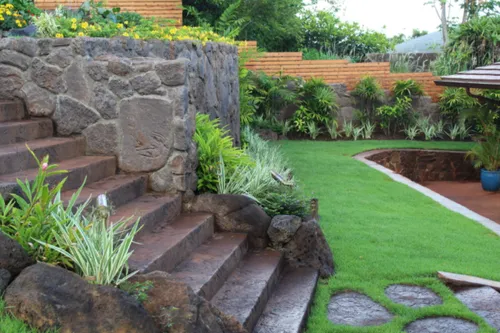
Landscape Builders Hawaii
Honolulu, HI
Landscape Builders Hawaii is a landscaping and hardscaping contractor based in Honolulu, HI. They offer a range of services including landscape design and installation, concrete driveway and patio construction, as well as wall and fence installation using various materials. The company also addresses yard drainage and erosion issues by creating functional outdoor spaces that enhance both residential and commercial properties. With years of experience, they guide clients from design through installation to achieve tailored outdoor living areas that complement the natural beauty of Hawaii.
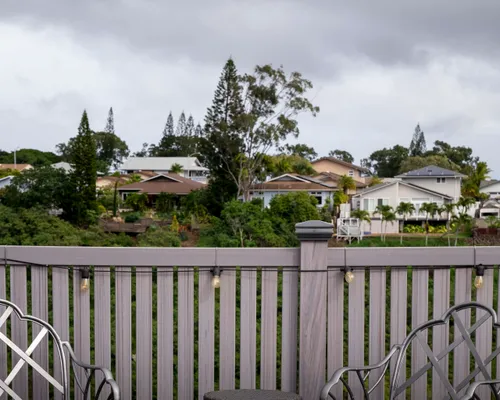
Valleywide Fence & Deck
91-181 Hanua St, Kapolei, HI 96707
Valleywide Fence & Deck is a fence installation contractor serving Honolulu, HI, and other parts of Hawaii. They offer a variety of fencing options including vinyl and ornamental fences, as well as pergolas, patio covers, decks, and railings. Their vinyl fences are designed to withstand Hawaii's weather conditions, providing durability and low maintenance. The company has expanded beyond its original focus on vinyl fencing and continues to serve customers across the valley with customized solutions. Valleywide Fence & Deck is known for quality installation and offers a strong warranty on their work.
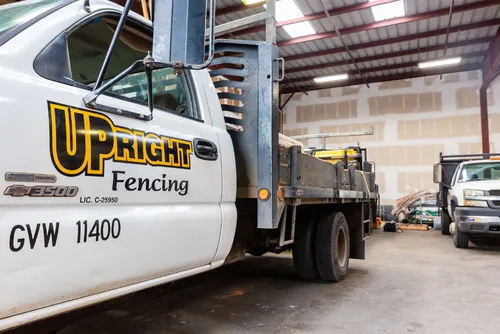
Upright Fencing Hawaii LLC
91-329 Kauhi St Suite D1, Kapolei, HI 96707
Upright Fencing Hawaii LLC is a fence installation contractor based in Kapolei, serving Honolulu, HI, and the island of Oahu. They specialize in installing and selling various types of fences including vinyl, chain link, aluminum, and wood, as well as custom gates and gate operators. The company offers vinyl fence materials in multiple colors and provides welding and repair services. Established in 1995, Upright Fencing Hawaii LLC has a long history of serving the local community with sustainable fencing solutions and a one-year workmanship warranty.
Allied Security Fence
91-444 Komohana St, Kapolei, HI 96707
Allied Security Fence is a fencing contractor based in Honolulu, HI, specializing in residential fence installation. They offer a range of fencing options including chain link, ornamental, aluminum, vinyl, and wood fences for single-family homes, townhouses, and other residential properties. Allied Security Fence serves the Honolulu area with a focus on providing various fencing solutions tailored to residential needs.
Aloha `Aina Landscaping LLC
41-668 Kakaina St, Waimanalo, HI 96795
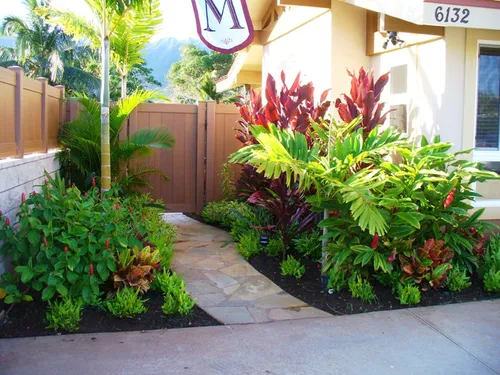
Aloha `Aina Landscaping LLC is a licensed and insured landscaping company based in Honolulu, HI. They offer a comprehensive range of services including landscape design and planting, irrigation system installation, lawn installation, drainage and grading, masonry and fencing construction, landscape lighting, and yard care. Their nursery grows high-quality plants to support vibrant outdoor spaces. The company emphasizes transparent communication and partnership to meet client project visions with cost-effective solutions. Aloha `Aina Landscaping is known for their masonry construction capabilities such as driveway and walkway paving.
Understanding Local Fencing Regulations and Permits
Before any fence construction begins in East Honolulu, understanding the local rules is crucial. The City & County of Honolulu's Department of Planning and Permitting (DPP) sets specific guidelines to ensure safety and neighborhood consistency.
Height Restrictions: In most residential zones, the maximum fence height without a permit is 6 feet. If you desire a taller fence for additional privacy or security, you must obtain a building permit from the DPP. This process involves submitting detailed plans that show the fence's exact location, height, materials, and construction methods for review.
Placement and Visibility: Special rules apply to corner lots to maintain driver safety. Fences must respect "sight triangle" areas at intersections, meaning they cannot obstruct the view of oncoming traffic. If your property is near the shoreline or in a designated flood zone, additional restrictions may apply.
The Permit Process: Securing a permit for a taller fence is a key step. Professional fence installers familiar with Honolulu's codes can often manage this process for you, submitting the necessary drawings and documentation to the DPP for approval 1. Starting a project without verifying these requirements can lead to costly corrections or removal orders.
Choosing the Right Fence Material for Hawaii's Climate
The salt air, high humidity, and intense sun in East Honolulu demand durable, weather-resistant materials. Your choice will balance aesthetics, maintenance, privacy, and budget.
Vinyl and Composite Fencing: These are top contenders for Hawaiian homes. Vinyl fencing is highly resistant to moisture, rot, and insect damage, requiring little more than occasional rinsing to maintain its appearance. It offers excellent privacy in solid-panel styles and comes in various colors that won't need painting. Composite materials, made from wood and plastic fibers, offer a similar low-maintenance benefit with a texture that more closely mimics natural wood 2.
Aluminum Fencing: An excellent choice for coastal areas, aluminum is naturally rust-resistant and incredibly durable. It offers a decorative, ornamental look that provides security without completely blocking views. While it doesn't offer full privacy, its strength and longevity in salty air make it a popular mid-to-high-cost option for many property owners 3 4.
Wood Fencing: Wood provides a classic, natural look and can be customized with various stains and paints. However, it requires the highest maintenance in Hawaii's humid climate. Without consistent sealing and treatment, wood is susceptible to rot, termites, and warping. If you desire the wood aesthetic, consider investing in high-quality, pressure-treated lumber or tropical hardwoods known for their durability.
Chain-Link Fencing: This is the most economical boundary solution, ideal for marking property lines or containing pets. Standard galvanized steel can corrode over time near the ocean, so a vinyl-coated chain-link is a better aesthetic and functional choice for longevity. While not a privacy fence, it can be paired with privacy slats or landscaping 5.
Site Preparation and Environmental Considerations
The success of your fence installation heavily depends on proper site preparation, which is uniquely challenging in Hawaii.
Soil Conditions: East Honolulu soil can be volcanic, rocky, or sandy. Rocky substrates require special equipment or techniques for digging post holes, which can increase labor costs. Sandy soil may not provide stable anchorage, necessitating deeper posts or concrete reinforcements to ensure the fence can withstand high winds 6.
Wind Loads: Coastal areas are prone to strong winds and occasional storm systems. Your fence design must account for this wind exposure. This often means using robust posts set deeply in concrete and selecting materials or panel styles (like those with wind gaps) that allow air to pass through, reducing the risk of damage.
Drainage and Slopes: A fence should never impede natural water drainage across your property. On sloped lots, a "stepped" or "racked" installation technique is used to follow the contour of the land while maintaining a level top line. Proper planning prevents water pooling, which can undermine fence posts and cause soil erosion.
Find the perfect fence installers for your needs
Get personalized recommendations and expert advice
Cost Factors for Fence Installation
The total cost of your fence project in East Honolulu is influenced by material choice, labor, site conditions, and linear footage. Prices are typically quoted per linear foot installed.
Overall Cost Range: For a standard residential project, you can expect a total cost ranging from $1,800 to $8,000 or more for a 100-foot run. This translates to a per-foot cost of approximately $10 to $50+, depending on the factors below.
Material Costs:
- Chain-Link: $10 - $25 per linear foot.
- Aluminum: $25 - $40 per linear foot.
- Steel/Wrought Iron: $30 - $55 per linear foot.
- Vinyl/Composite: $20 - $45 per linear foot.
- Wood: $15 - $35 per linear foot (highly variable based on wood type) 7 8.
Labor and Additional Factors: Labor typically constitutes 40-60% of the total project cost. Complex site preparation-such as digging through rocky soil, managing significant slopes, or clearing dense vegetation-will add to the labor time and cost. Always factor in potential permit fees from the DPP when budgeting for your project 9 10 11.
Working with a Professional Installer
Given the regulatory and environmental complexities, partnering with an experienced local fence company is highly advisable. A professional can:
- Navigate Permits: They understand the DPP's requirements and can handle the permit application and drawing submission process 12.
- Assess Site Challenges: They will evaluate your property's soil, slope, and wind exposure to recommend the best installation methods.
- Provide Accurate Quotes: A reputable installer will provide a detailed, written estimate that breaks down material, labor, and any additional costs for site prep or permits.
- Ensure Quality Installation: Proper installation is key to longevity, especially in demanding conditions. Professionals guarantee that posts are set correctly, gates operate smoothly, and the finished structure is plumb and secure.
Before making a final decision, contact several licensed and insured fence contractors in East Honolulu to discuss your project, obtain specific quotes, and verify their experience with local codes and conditions 13.
Frequently asked questions
Sources
Footnotes
-
Retaining Wall & Fence Permit Drawings in Honolulu - https://www.architecthonolulu.com/services/retaining-wall-fence-permit-drawings-in-honolulu ↩
-
Best Materials for Fencing in Hawaii: What You Need to Know - https://www.sunsethawaiifencingcompany.com/best-materials-for-fencing-in-hawaii ↩
-
Exploring Fencing Hawaii: Right Fence for Your Property - https://www.sunsethawaiifencingcompany.com/exploring-fencing-hawaii-a-guide-to-choosing-the-right-fence-for-your-property ↩
-
Hilo Fenceo Company 2025 Pricing Guide - On The Line Fencing - https://onthelinefencing808.com/residential-fencing/hilo-fence-company-2025-pricing-guide/ ↩
-
Top Advantages of Fences Over Other Solutions - https://www.sunsethawaiifencingcompany.com/fencing-hawaii-key-advantages-of-fences-over-alternative-solutions ↩
-
Top 5 Fence Materials for Hawi Homes and Why Experts ... - https://onthelinefencing808.com/residential-fencing/top-5-fence-materials-for-hawi-homes-and-why-experts-recommend-them/ ↩
-
Your Guide to Fence Installation Cost by Material and Size - https://jhlandscapes.com/your-guide-to-fence-installation-cost-by-material-and-size/ ↩
-
How Much Does a Privacy Fence Cost to Install? [2026 Data] | Angi - https://www.angi.com/articles/how-much-does-privacy-fence-cost.htm ↩
-
Site Preparation for Fencing in Hawaii: Key Takeaways for Success - https://www.sunsethawaiifencingcompany.com/site-preparation-for-fencing-in-hawaii-key-takeaways-for-success ↩
-
Privacy Fence Cost Guide 2025: Materials, Labor, and Installation - https://barrierbossusa.com/blogs/news/how-much-does-a-privacy-fence-cost-usa-2025 ↩
-
How Much Does It Cost To Install 100 Feet Of Fence? - https://cerosfencecontractors.com/how-much-does-it-cost-to-install-100-feet-of-fence/ ↩
-
Permits, Local Codes & Height Rules for Vinyl Privacy Fences ... - https://www.sunsethawaiifencingcompany.com/permits-local-codes-height-rules-for-vinyl-privacy-fences-in-hawaii ↩
-
How Much Does a Privacy Fence Cost? (2025 Pricing Guide for Seattle and Portland Homeowners) - Cool Cat Fence - https://coolcatfence.com/how-much-does-a-privacy-fence-cost/ ↩