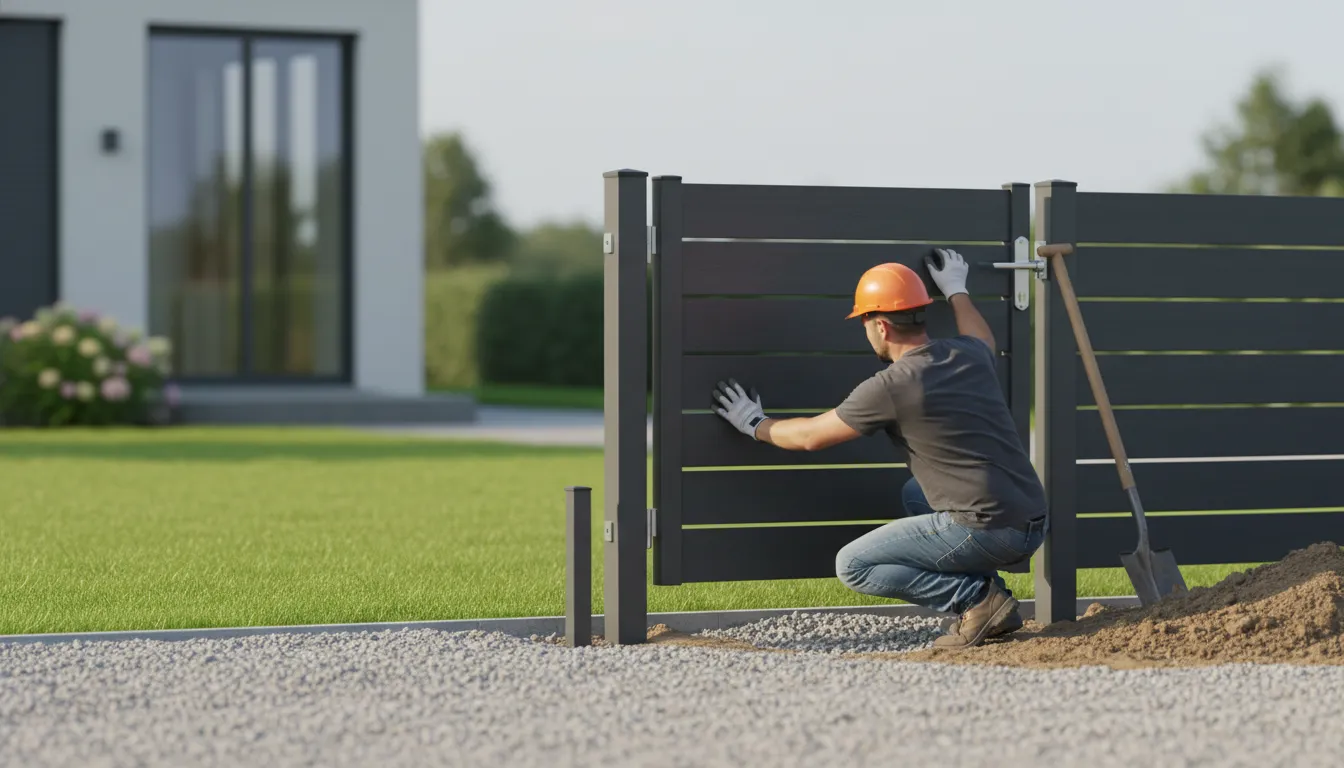
Find the Best Fence Installers for Your Business
No obligation • Fast responses • Nationwide coverage

Why you can trust Landscape Atlas
Landscape Atlas is a leading United States resource for evaluating landscaping, lawn care, and outdoor service providers. Our team researches each category in depth, focusing on service quality, safety, and customer experience. Listings and rankings are based on independent criteria and user feedback, and companies cannot pay to influence our assessments or recommendations.
Search providers near you
Top Fence Installers in Chicago, Illinois Ranked
Adding a fence to your Chicago property is a significant upgrade that enhances privacy, security, and curb appeal. Whether you're looking to define your property line, create a safe play area, or add a decorative element to your landscape, understanding the local regulations, material options, and installation process is key. This guide provides a detailed overview of everything you need to know about fence installation in the Windy City, from navigating city codes to selecting the right materials for your home.
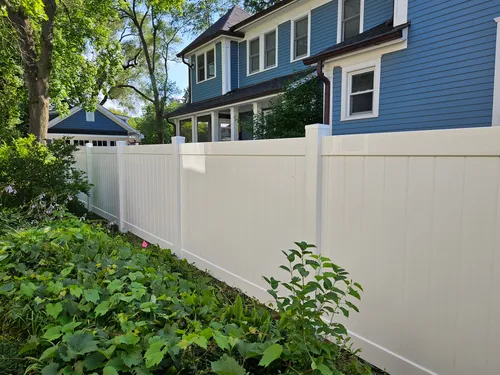
PRO Fence Naperville
24W640 Partridge Ct, Naperville, IL 60540
PRO Fence Naperville is a family-owned fence installation contractor based near Chicago, IL. They design, install, and service a variety of professional-grade fences including aluminum, iron, composite, vinyl, wood, and chain link for both residential and commercial properties. Their work includes custom solutions such as puppy fences, entry gates, pool security, and privacy fencing. PRO Fence Naperville has completed projects for local institutions like Cosley Zoo and Naperville Public Library, demonstrating their capability in handling diverse fencing needs.
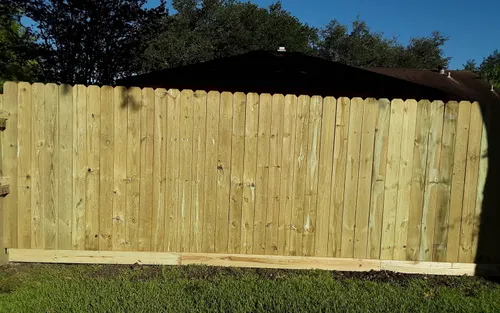
Ergeon
1655 S Blue Island Ave suite 418, Chicago, IL 60608
Ergeon is a fence installation contractor serving Chicago, IL. They specialize in installing wood and vinyl fences, offering a range of styles that combine classic and modern aesthetics. Their team handles local permits and ensures compliance with Chicago zoning regulations. With over 20,000 fence projects completed nationwide, Ergeon provides transparent pricing and a workmanship warranty to support their installations. They also offer permit filing and inspection coordination to simplify the process for customers.
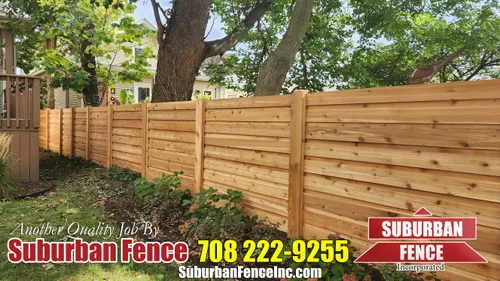
Suburban Fence
715 Lake St, Oak Park, IL 60301
Suburban Fence is a fence installation contractor serving the Chicago, IL area. Since 1977, they have provided custom fence solutions for residential and commercial properties. Their services include installing wood, vinyl, chain-link, aluminum, and steel fences tailored to client needs. With over 30 years of experience, they focus on quality craftsmanship and timely project completion.
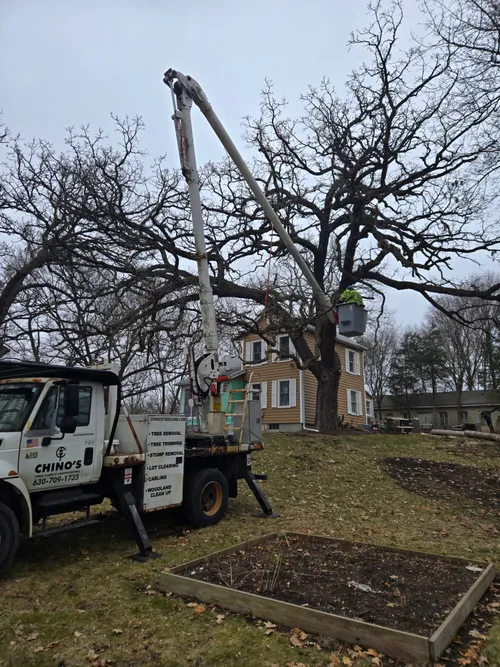
Chino's Tree Care & Landscaping Inc.
Chicago, IL
Chino's Tree Care & Landscaping Inc. is a full-service tree care and landscaping company based in Chicago, IL. They provide tree pruning, removal, and stump grinding services to maintain safe and healthy outdoor spaces. The company also specializes in fence installation and high-quality paver patio hardscaping, enhancing both security and outdoor living areas. Serving Cook, DuPage, Kane, Lake, Will, and McHenry counties, they emphasize safety with experienced crews and proper equipment. Their team handles projects with care to meet structural and building code requirements.
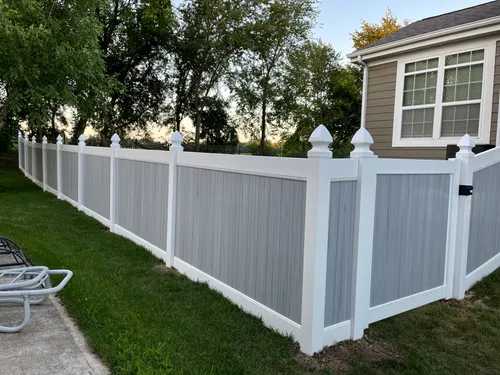
Innova Fence
Chicago, IL
Innova Fence is a family-owned fencing contractor serving Chicago, IL, with over 15 years of experience. They provide residential and commercial fencing solutions including fence installation, gates, and automated gate systems. Known for using professional-grade materials, Innova Fence offers specialized options like the eco-friendly Greenwood composite fence made from recycled materials. The company is licensed and insured, and they back their work with manufacturer and workmanship warranties. Innova Fence serves multiple communities in the Northwest Chicago area and emphasizes compliance with local licensing requirements.
Understanding Chicago's Fence Regulations
Before you start planning your new fence, it's crucial to familiarize yourself with Chicago's specific rules. The city has clear ordinances governing fence height, placement, and design to ensure safety and neighborhood consistency.
Height and Location Rules:
- Backyard Fences: In most residential areas, you can install a fence up to 6 feet tall in your backyard without a permit, provided it is not masonry. For fences 5 feet tall or less, a permit is generally not required.
- Front Yard Fences: Regulations are stricter for the space between your home and the street. The maximum height is typically 4.5 feet. However, you may be allowed to install a fence up to 6 feet tall if it is at least 80% "open" or transparent (like certain ornamental metal designs) 1 2.
- Pool Fences: Any property with a swimming pool must have a protective barrier at least 5 feet high with self-closing and self-latching gates that open outward, away from the pool area.
When Do You Need a Permit? A building permit from the City of Chicago is required for:
- Any fence taller than 5 feet (or taller than 4.5 feet in a front yard).
- Masonry or concrete fences, regardless of height.
- Fences surrounding a swimming pool.
- Any fence that does not comply with standard height and openness rules 3.
Placement and Property Lines: Your fence must be built entirely on your private property. It cannot encroach on the public right-of-way, which includes sidewalks and parkways (the grassy area between the sidewalk and street). It is standard practice to install the fence a few inches inside your surveyed property line to avoid any disputes 4.
Choosing the Right Fence Material for Your Chicago Home
The material you choose will define your fence's appearance, durability, maintenance needs, and cost. Chicago's climate, with its cold winters, hot summers, and variable precipitation, should be a factor in your decision.
Wood Fencing: Wood is a classic, versatile choice that offers a natural look and excellent privacy.
- Pros: Highly customizable (can be stained or painted), provides a solid visual barrier, and is often one of the more affordable material options 5.
- Cons: Requires regular maintenance like staining or sealing to protect against Chicago's moisture and prevent rot, warping, or insect damage.
- Typical Cost: Approximately $20 - $50 per linear foot installed.
Vinyl (PVC) Fencing: Vinyl has become a popular low-maintenance alternative to wood, offering a clean, uniform appearance.
- Pros: Extremely durable, resistant to rot and insects, never needs painting, and is easy to clean. It comes in various styles, including those that mimic wood grain.
- Cons: Higher upfront cost than basic wood, and while durable, it can become brittle in extreme cold and may crack upon heavy impact.
- Typical Cost: Approximately $36 - $55 per linear foot installed.
Aluminum and Ornamental Metal Fencing: For a decorative and secure boundary, aluminum or wrought iron styles are excellent options.
- Pros: Offers a sophisticated, elegant look, is incredibly strong, and will not rust (especially powder-coated aluminum). It requires minimal upkeep 6.
- Cons: Provides less privacy unless privacy slats or landscaping are incorporated. Wrought iron, while very strong, may require occasional painting to prevent rust.
- Typical Cost: Approximately $28 - $90+ per linear foot installed, depending on the intricacy of the design.
Chain Link Fencing: Chain link is a practical, budget-friendly solution focused on function and security.
- Pros: Very cost-effective, durable, low-maintenance, and provides a clear boundary without blocking views.
- Cons: Offers minimal aesthetic appeal or privacy on its own, though vinyl-coated options and privacy slats are available to improve its look and function.
- Typical Cost: Approximately $15 - $40 per linear foot installed 7 8.
Find the perfect fence installers for your needs
Get personalized recommendations and expert advice
The Fence Installation Process: What to Expect
A professional fence installation follows a structured process to ensure a durable, code-compliant, and visually pleasing result.
- Consultation and Planning: A reputable installer will visit your property to discuss your goals, take measurements, and identify any potential challenges like slopes, trees, or underground utilities. This is when you'll finalize material and design choices.
- Permitting and Property Lines: Your installer should help you verify your property lines (a survey may be needed) and handle the permit application process with the city if required.
- Site Preparation and Layout: The crew will mark the exact fence line using stakes and string, ensuring it follows your property boundaries. They will also locate any underground wires or pipes to avoid during digging.
- Post Installation: This is the most critical step for fence longevity. Holes are dug at precise intervals, and posts are set in concrete. Proper alignment and curing of the concrete are essential for a sturdy, straight fence 9.
- Attaching Rails and Panels: Once the posts are secure, horizontal rails are attached, followed by the fence panels, pickets, or chain link fabric. Gates are assembled and hung with appropriate hardware.
- Final Inspection and Cleanup: The installer will do a final walk-through to ensure everything is level, secure, and meets expectations. All construction debris should be removed from your property, leaving you with a clean, finished yard.
Cost Considerations for Fence Installation in Chicago
The total investment for your fence project can vary widely. For a typical residential lot in Chicago, homeowners often invest between $3,500 and $8,000 or more 10 11. The primary cost driver is the material, but several other factors influence the final price:
- Linear Footage: Cost is primarily calculated per linear foot. A longer fence will naturally cost more.
- Material Choice: As outlined above, material costs range from economical chain link to premium vinyl or ornamental iron.
- Labor and Site Conditions: Complex installations on steep slopes, rocky soil, or areas requiring extensive tree root removal will increase labor time and cost.
- Gates and Customizations: Adding gates, especially double-width or custom-designed gates, adds to the cost. Decorative post caps, lattice toppers, or special finishes are also upgrades.
- Permit Fees: If your project requires a city permit, include the application fee in your budget 12.
Maintaining Your Chicago Fence
Protecting your investment ensures your fence looks great and lasts for years.
- Wood Fences: Plan to clean, stain, or seal every 2-3 years to protect against Chicago's weather 13.
- Vinyl Fences: Simply wash with soap and water annually to remove dirt and mildew.
- Metal Fences: Inspect for scratches in the powder coating annually and touch up as needed to prevent rust. Clean with water.
- Chain Link: Check for rust spots, especially at ground level, and apply rust-inhibitive paint if needed.
For all fence types, it's wise to trim back any vegetation that holds moisture against the material and to clear snow buildup gently in the winter.
Frequently asked questions
Sources
Footnotes
-
Fence or Trash Enclosure - City of Chicago - https://www.chicago.gov/city/en/sites/guide-to-building-permits/home/instructions/EPP/FENCE.html ↩
-
City of Chicago Fence Rules and Codes - https://www.toplinefence.com/height-limitations-for-fences/ ↩
-
Fences - City of Chicago - https://www.chicago.gov/city/en/sites/guide-to-building-permits/home/help/faq/DOB/bldg-permit-not-required/worktype/fence.html ↩
-
Chicago Fencing Installation Regulations - What You Need to Know - https://fenceconnectioninc.com/2024/07/chicago-fencing-installation-regulations-what-you-need-to-know-before-installing/ ↩
-
Best Privacy Fence Options for Illinois Homes - Rockford Fence - https://rockfordfence.net/post/best-privacy-fence-options-illinois-homes ↩
-
Chicago Homeowners Guide: Select the Best Home Fence ... - https://fenceconnectioninc.com/2025/05/select-the-best-fence-type-for-your-elgin-il-property-a-comprehensive-homeowners-guide/ ↩
-
Average Cost Of A Fence - https://cedarmountainfence.com/average-cost-of-a-fence/ ↩
-
Fence cost per linear foot: 7 Powerful Facts for 2025 - https://www.brentwoodfence.com/blog/fence-cost-per-linear-foot-nh-ma-me ↩
-
Best Barlett Fence Company - https://cedarmountainfence.com/bartlett-fence-company/ ↩
-
How Much to Invest in Home Fence Installation Services in ... - https://fenceconnectioninc.com/2025/10/chicago-home-fencing-installation-costs/ ↩
-
What is the Average Cost to Install a Fence? - https://illinoisfencecompany.com/what-is-the-average-cost-to-build-a-fence/ ↩
-
Do You Need a Permit to Build a Fence? Yes, and Here's Why. - https://cedarrustic.com/blog/building-permits-to-build-a-fence-in-chicagoland ↩
-
Understanding Your Fence Investment: A Complete Cost Guide - https://cedarrustic.com/blog/how-much-is-a-fence ↩