Find the Best Fence Installers for Your Business
No obligation • Fast responses • Nationwide coverage

Why you can trust Landscape Atlas
Landscape Atlas is a leading United States resource for evaluating landscaping, lawn care, and outdoor service providers. Our team researches each category in depth, focusing on service quality, safety, and customer experience. Listings and rankings are based on independent criteria and user feedback, and companies cannot pay to influence our assessments or recommendations.
Search providers near you
Top Fence Installers in Burlington, North Carolina Ranked
Adding a fence to your Burlington property is a significant investment that enhances privacy, security, and curb appeal. Whether you're looking to create a private backyard oasis, define your property lines, or add a decorative touch, understanding the local considerations is key. This guide provides essential information on materials, costs, regulations, and styles to help you plan your fencing project and connect with qualified local professionals.
J&B Fence Builders
9310 Fair Oaks Rd, Chapel Hill, NC 27516
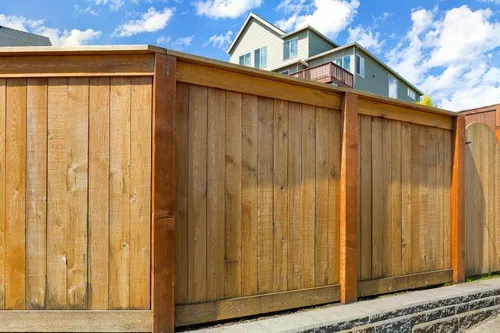
J&B Fence Builders is a fence installation contractor serving Durham, NC, and the surrounding Triangle area. They specialize in residential and commercial fencing, including aluminum, wood, and chain link fences. With over 15 years of experience, they also provide fence repair and professional fence staining services. Their team is known for building custom fences that meet HOA requirements and handling projects across multiple counties in the region.
DR Wrought Iron Rails, Inc.
7733 Doggett Rd, Browns Summit, NC 27214
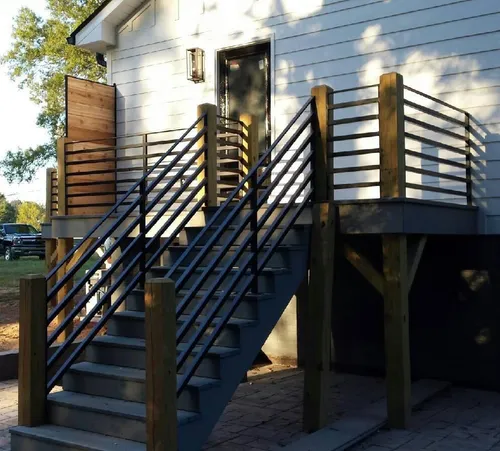
DR Wrought Iron Rails, Inc. is a fence installation contractor based in Greensboro, NC, specializing in custom iron gates, fences, railings, and balconies for residential and commercial properties. Serving Greensboro and surrounding areas, the company focuses on durable and elegant ironwork designed to withstand the elements. Established in 1995, DR Wrought Iron Rails, Inc. brings decades of experience to each project, offering licensed and insured services with free design consultations.
Superior Fence & Rail
4323 S Elm-Eugene St, Greensboro, NC 27406
Superior Fence & Rail is a fence installation contractor serving Greensboro, NC. Although the Greensboro location opened in 2021, the company has 20 years of experience and nearly 40 locations nationwide. They provide a range of fencing options including vinyl, wood, and aluminum, with a focus on durable vinyl fences featuring proprietary technologies like PrivacyLock, SolarShield, and StayStrong for enhanced strength and longevity. Their facilities maintain large fencing stock to support efficient project completion.
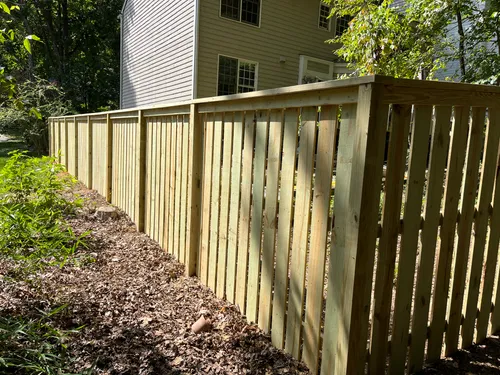
Action Fence Pros
Durham, NC
Action Fence Pros is a fencing contractor based in Durham, NC, serving the surrounding areas including Chapel Hill, Hillsborough, Mebane, Haw River, and Burlington. They specialize in installing a variety of fences such as wood, chain-link, aluminum, and farm fencing, along with custom gates and gate operators. With over 20 years of experience, Action Fence Pros focuses on durable and stylish fence installations that enhance yard appearance and withstand harsh weather conditions.
Carolina Home Specialists
411 Andrews Rd STE 220, Durham, NC 27705
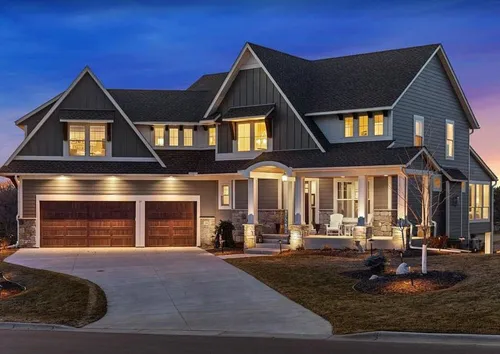
Carolina Home Specialists is a locally owned exterior home improvement company based in Durham, NC. They provide a range of services including fence installation, roofing, windows, decks, siding, and gutters. The company offers high-quality wood and vinyl fence options and supports customers throughout the design and installation process. Serving Durham and surrounding communities, Carolina Home Specialists emphasizes the use of top brand products and professional installation. Their team also offers a design consultation and a Life Proof Promise guarantee to ensure customer satisfaction.
Understanding Burlington's Fencing Regulations
Before you break ground, it's crucial to understand the local rules that govern fence construction in Burlington. The city's Unified Development Ordinance (UDO) outlines specific requirements to ensure safety and neighborhood harmony.
Height Limits: In North Carolina, residential fences in back and side yards are generally permitted up to 8 feet tall. However, this is a common maximum, and your specific property zoning or neighborhood covenants may have stricter rules. Always verify the allowed height for your exact location.
Setbacks and Sight Lines: A critical rule in Burlington prohibits fences within "sight distance triangles" at street intersections 1. This is a traffic safety measure to ensure drivers and pedestrians have a clear line of sight. In these areas, fences are often restricted to a maximum height of 4 feet 1. The UDO does allow fences within standard property setbacks, but the sight triangle rule takes precedence near roads 2 1.
Property Lines and Utilities: One of the most important steps is accurately marking your property lines using a recent survey. Installing a fence even a few inches over the line can lead to disputes with neighbors and potentially costly corrections. Furthermore, North Carolina law requires you to call 811 (NC811) at least three business days before any digging to have underground utility lines marked for free 3 4. This protects you from damaging gas, water, or electrical lines and ensures your safety.
Popular Fencing Materials for Burlington Homes
The material you choose will define your fence's appearance, durability, maintenance needs, and budget. Here's a breakdown of the most common options used by Burlington homeowners.
Wood Fencing
Wood remains a classic and versatile choice for fencing. It offers a natural, timeless look that suits many architectural styles.
- Types: Cedar and pressure-treated pine are popular. Cedar is naturally resistant to rot and insects but is more expensive. Pressure-treated pine is a more affordable option that has been chemically treated for durability.
- Styles: Ideal for both solid privacy fences and traditional picket fences.
- Considerations: Wood requires regular maintenance, including staining or sealing every few years to protect it from North Carolina's humidity and sun.
Vinyl (PVC) Fencing
Vinyl fencing has surged in popularity due to its low-maintenance benefits and clean, modern appearance.
- Durability: It is resistant to rot, insects, and weathering, and it won't need painting.
- Styles: Available in privacy, picket, and lattice styles, often mimicking the look of painted wood without the upkeep.
- Considerations: While the initial cost is higher than basic wood, the long-term savings on maintenance can make it a cost-effective choice.
Aluminum Fencing
For a combination of elegance, security, and durability, aluminum is an excellent option.
- Appearance: It offers a decorative, ornamental look similar to wrought iron but is lighter and doesn't rust.
- Best Uses: Perfect for pool enclosures (meeting safety codes), perimeter security without completely blocking views, and adding a refined border to gardens 5.
- Considerations: It is a strong, long-lasting material that typically requires minimal upkeep.
Composite Fencing
Composite fencing is made from a blend of wood fibers and recycled plastics, offering the best of both worlds.
- Benefits: It has the natural aesthetic of wood but with superior resistance to rot, splintering, and insect damage. It requires very little maintenance.
- Considerations: This durability and low upkeep come at a higher initial price point, making it a premium choice 6.
Chain-Link Fencing
Chain-link is a practical and economical solution for specific needs.
- Utility: It's ideal for securing boundaries, enclosing utility areas, or containing pets. It's highly durable and provides security without obstructing views.
- Considerations: While the most affordable option, it is often chosen more for function than for enhancing curb appeal.
Choosing the Right Fence Style for Your Needs
Your fence's primary purpose will guide your choice of style and material. The two most common goals are privacy and decoration.
Privacy Fences: If seclusion in your backyard is the goal, you'll want a solid barrier. This is typically achieved with wood (board-on-board or shadowbox styles), solid vinyl panels, or composite materials. These styles are built with minimal to no gaps between boards or panels, effectively blocking sight lines and often reducing noise.
Decorative Fences: For defining a property line, adding charm, or creating a garden border without creating a solid wall, decorative styles are perfect. Classic picket fences (in wood or vinyl), ornamental aluminum, and wrought-iron styles fall into this category 7. They enhance aesthetics while maintaining an open, welcoming feel.
Find the perfect fence installers for your needs
Get personalized recommendations and expert advice
Cost Expectations for Fence Installation
The cost of installing a fence in Burlington varies widely based on material, linear footage, height, terrain, and labor. Prices are most commonly discussed in cost per linear foot for materials and installation.
Here is a general cost range based on current data 8 9 10 11 12:
- Chain-Link: $8 - $40+ per linear foot
- Wood (Pressure-Treated Pine): $15 - $30+ per linear foot
- Wood (Cedar): $25 - $45+ per linear foot
- Vinyl (PVC): $25 - $60+ per linear foot
- Aluminum: $25 - $90+ per linear foot (highly variable based on ornamental detail)
- Composite: $30 - $60+ per linear foot
What Influences the Price?
- Material: As shown above, material choice is the largest cost driver.
- Height & Style: A tall, 8-foot privacy fence will cost significantly more per foot than a 4-foot picket fence.
- Linear Footage: Contractors often offer better per-foot rates for longer projects.
- Gates: Adding gates increases the total project cost.
- Terrain: Sloped or rocky yards require more labor and specialized installation techniques, increasing the price 13.
- Removal & Disposal: If an old fence needs to be removed, this will add to the project cost.
The Professional Installation Process
Working with a professional ensures your fence is built correctly, safely, and in compliance with all codes. A typical process includes:
- Consultation & Quote: A reputable installer will visit your property to discuss your needs, take measurements, assess the terrain, and provide a detailed written estimate.
- Planning & Permits: They will help you confirm property lines and determine if a local permit is required (often needed for fences over a certain height). They will also schedule the NC811 utility locate.
- Preparation: The crew will mark the fence line and post locations based on the plan.
- Installation: This involves digging post holes, setting posts in concrete, attaching rails, and installing pickets or panels. Gates and hardware are installed last.
- Clean-up & Inspection: A good contractor will leave your property clean and walk you through the finished project.
Frequently asked questions
Sources
Footnotes
-
Fences, storage buildings: cities may have rules, or are considering ... - https://alamancenews.com/fences-storage-buildings-cities-may-have-rules-or-are-considering-them-that-restrict-what-residents-are-allowed-or-will-be-allowed-to-have/ ↩ ↩2 ↩3
-
How Tall Can A Privacy Fence Be In North Carolina? - https://www.matthewsfencecompany.com/how-tall-can-a-privacy-fence-be-in-north-carolina ↩
-
The Ultimate Guide to Building a New Fence in the Foothills of ... - https://foothillsfenceanddeck.com/the-ultimate-guide-to-building-a-new-fence-in-the-foothills-of-north-carolina/ ↩
-
How to Choose the Right Fence Height for Your Property in North ... - https://husekfence.com/choose-right-fence-height-nc/ ↩
-
How Much Does a 6-Foot Privacy Fence Cost Per Foot? - https://aluminumfencesdirect.net/blog/how-much-does-a-6-foot-privacy-fence-cost-per-foot/ ↩
-
Fence Installation Cost Guide - https://www.homedepot.com/services/c/cost-install-fence/8fa995a0c ↩
-
Burlington, NC Fence Installation & Repair | Free Quotes - https://dickersonfenceco.com/service-areas/burlington-nc-fence-company/ ↩
-
How Much Does Fence Installation and Replacement Cost? | Modernize - https://modernize.com/fencing/cost ↩
-
How Much Does it Cost to Build a Fence? [2025 Data] - https://raleighrealty.com/blog/building-fence-cost ↩
-
Fence Installation Burlington NC - Privacy Fence Solutions - https://privacyfencenc.com/burlington-fence-installation ↩
-
How Much Does a Fence Cost? Backyard Fencing Installation Guide - https://www.rmfp.com/blog/how-much-does-a-fence-cost ↩
-
Cost to Install a Privacy Fence - Fixr.com - https://www.fixr.com/costs/privacy-fence ↩
-
Homeowners Guide to Building a Fence: 7 Things You Need To Know - https://raleighrealty.com/blog/building-fence ↩