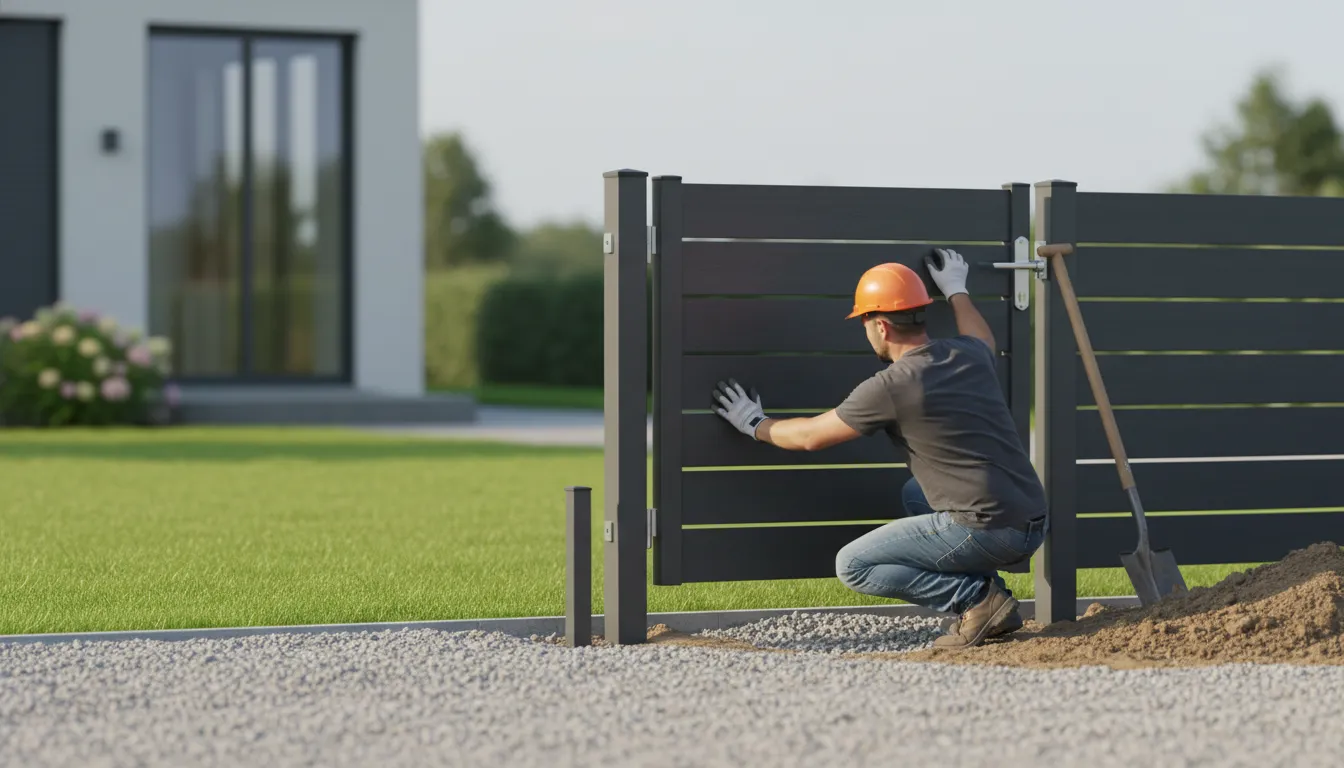
Find the Best Fence Installers for Your Business
No obligation • Fast responses • Nationwide coverage

Why you can trust Landscape Atlas
Landscape Atlas is a leading United States resource for evaluating landscaping, lawn care, and outdoor service providers. Our team researches each category in depth, focusing on service quality, safety, and customer experience. Listings and rankings are based on independent criteria and user feedback, and companies cannot pay to influence our assessments or recommendations.
Search providers near you
Top Fence Installers in Omaha, Nebraska Ranked
Adding a fence to your Omaha property is a significant investment that enhances privacy, security, and curb appeal. A well-planned fence installation can define your outdoor space, keep pets and children safe, and increase your home's value. This guide will help you navigate the key considerations-from local regulations and material choices to cost factors-so you can make an informed decision and connect with qualified professionals for your project.
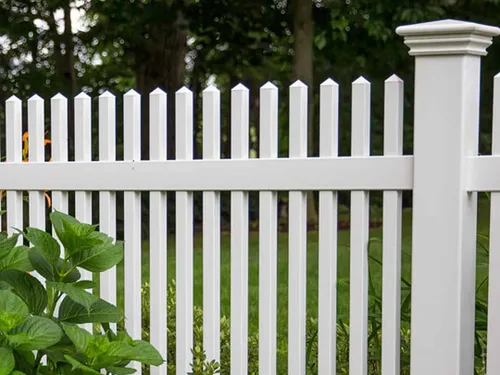
Superior Fence & Rail
14808 Shepard St ste 700, Omaha, NE 68138
Superior Fence & Rail is a fence installation contractor based in Omaha, NE, offering a wide range of fencing solutions for both residential and commercial properties. They provide expertly crafted fences using high-quality materials such as vinyl, wood, aluminum, composite, and chain link, designed to withstand local weather conditions. Their services include custom wood fences with lifetime protection on posts and rails, as well as commercial fencing for large areas like parking lots and warehouses. With over 30,000 positive reviews, Superior Fence & Rail has established a strong reputation in the Omaha area.
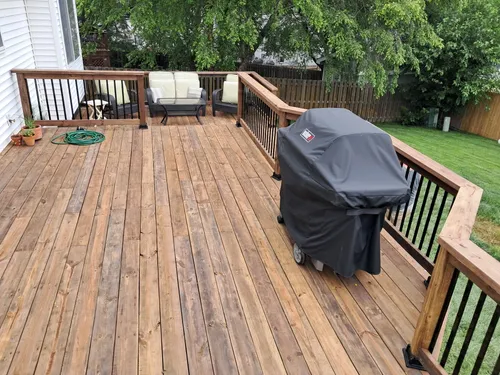
Superb Fence and Deck
Omaha, NE
Superb Fence and Deck is a fencing and decking contractor serving Omaha, NE, and nearby communities. They offer a range of services including wood, ornamental, and chain link fence installation and repair, as well as deck building, replacement, and gate installation. Their team uses modern tools and techniques to deliver durable outdoor structures tailored to client needs. With over five years of experience, Superb Fence and Deck is licensed, bonded, and insured, focusing on safety and custom design. They also provide emergency fence repair services to address urgent needs.
A1 Fence LLC
3510 S 90th St, Omaha, NE 68124
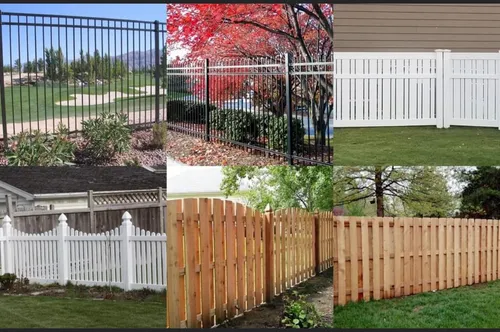
A1 Fence LLC is a licensed, bonded, and insured fence installation contractor serving Omaha, NE. They provide residential and commercial fencing solutions, including wood, vinyl, chain-link, and ornamental iron fences. The company focuses on security, privacy, and curb appeal, offering custom layouts and code-compliant installations. With over 15 years of experience, A1 Fence LLC is a family-owned business that emphasizes clear communication and quality craftsmanship backed by a one-year labor warranty.
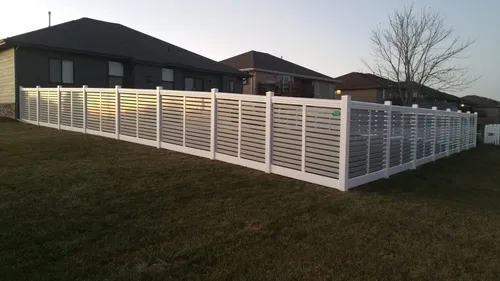
Acreage Fences Inc
8551 Whitmore Ct, Omaha, NE 68122
Acreage Fences Inc is a fence installation contractor based in Omaha, NE. They offer a variety of fencing options including aluminum, vinyl, PVC, and chain link, serving residential and acreage properties. Known for their expert installation and customization capabilities, they provide durable fencing solutions tailored to unique customer needs. The company has built a reputation for quality craftsmanship and customer support through multiple repeat projects. Acreage Fences Inc is a family-owned business that emphasizes detailed consultation and professional service throughout the installation process.
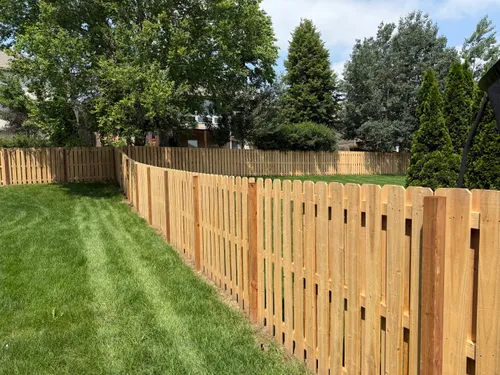
Stand Strong Fencing
Omaha, NE
Stand Strong Fencing is a fence installation contractor based in Omaha, NE, offering a range of fencing solutions including wood, vinyl, metal, and chain-link fences. The company provides design, installation, repair, and maintenance services to enhance property security and appearance. They also ensure compliance with local building codes and regulations for a smooth installation process.
Understanding Omaha's Fence Regulations
Before you start planning your fence project, it's crucial to understand the local rules. Omaha has specific zoning ordinances that govern fence height, location, and materials to maintain neighborhood character and safety.
Height and Placement Limits: In Omaha, fences in the front yard or the side yard facing a street are generally limited to a maximum height of 4 feet. For rear yards and side yards not facing a street, the maximum allowable height is typically 6 feet. These limits are designed to preserve sightlines for drivers and pedestrians.
Permit Requirements: If you plan to install a fence taller than 6 feet, you will likely need a permit from the Omaha Planning Department 1 2. It's always wise to contact the department directly at (402) 444-5350 to confirm requirements for your specific property and fence design 2. Skipping this step can result in costly fines or being forced to remove a non-compliant structure.
Property Lines and Surveys: One of the most critical steps is accurately determining your property lines. Installing a fence even a few inches onto a neighbor's property can lead to disputes. Professionals strongly recommend obtaining a recent property survey before any fence construction begins. This document provides legal certainty and prevents future headaches.
Homeowners Association (HOA) Rules: Many Omaha neighborhoods are governed by HOAs, which often have their own, sometimes more restrictive, covenants regarding fence style, material, color, and height 3. Always review your HOA's architectural guidelines before finalizing your plans.
Choosing the Right Fence Material for Your Omaha Home
The material you choose will define your fence's appearance, durability, maintenance needs, and cost. Omaha's climate, with its hot summers, cold winters, and occasional severe weather, should influence your decision.
Wood Fencing: A classic choice, wood fencing offers a traditional, natural look that complements many Omaha homes. Styles like dog-ear, flat-top, and shadowbox are popular for both privacy and decorative purposes. However, wood requires regular maintenance, including staining or sealing every few years, to protect against rot, insect damage, and weathering from Nebraska's elements 4. While it offers versatility, be prepared for ongoing upkeep.
Vinyl (PVC) Fencing: Gaining popularity for its durability and low maintenance, vinyl fencing is an excellent option for Omaha properties. It resists moisture, won't rot or warp, and never needs painting-a simple wash keeps it looking new. Vinyl is available in privacy, picket, and semi-private styles, often mimicking the look of painted wood without the maintenance burden 5.
Metal Fencing:
- Aluminum/Ornamental Steel: For strength, security, and a refined appearance, metal fencing is a top contender. Aluminum is rust-resistant and requires minimal upkeep, while steel is incredibly strong. These materials are ideal for decorative front yard fences, pool enclosures, or adding a secure perimeter without completely blocking views 6.
- Chain Link: The most economical option, chain link fencing is highly functional for securing yards, containing pets, and defining boundaries. It's durable and low-maintenance, though it offers little privacy unless paired with slats or privacy screening.
Composite Fencing: Made from a blend of wood fibers and plastics, composite fencing offers the aesthetic of wood with much greater resistance to moisture, insects, and fading. It's a higher-end, low-maintenance alternative that performs well in variable climates.
Privacy vs. Decorative Fencing: Defining Your Goal
Your primary objective will steer your choice of style and material. Are you looking to create a secluded backyard oasis, or simply add architectural interest to your front yard?
Privacy Fencing: If seclusion from neighbors and street noise is your goal, you'll want a solid-panel fence. Popular privacy styles in Omaha include:
- Solid Wood Stockade: Tightly spaced vertical boards provide a complete visual barrier.
- Solid Vinyl Panels: Offer a clean, uniform look with maximum privacy and zero upkeep.
- Shadowbox (Board-on-Board): A wood style where boards are alternated on both sides of the rails, providing privacy while allowing some air flow and a more finished look from both sides.
Privacy fences are typically taller (up to the 6-foot rear yard limit) and use more material, which generally makes them a higher-cost investment than decorative options 7.
Decorative Fencing: The goal here is to enhance your home's curb appeal and define space without creating a solid barrier. These are common for front yards where 4-foot height limits apply.
- Picket Fences: The iconic American front yard fence, available in wood or vinyl. They add charm and boundary definition.
- Ornamental Metal: Wrought iron or aluminum fences with intricate designs offer elegance, security, and an open feel.
- Split Rail or Post-and-Rail: A rustic, open style perfect for larger properties wanting a boundary marker without confinement.
Decorative styles often use less material and can be more cost-effective, especially when privacy is not the main concern 8.
Find the perfect fence installers for your needs
Get personalized recommendations and expert advice
Cost Considerations for Fence Installation in Omaha
The total cost of your fence project depends on several variables: material, linear footage, height, style, and the complexity of your terrain (e.g., slopes or rocky soil). Costs are typically quoted per linear foot for materials and installation.
Based on current market data, here is a general range of costs per linear foot for professionally installed fencing in the Omaha area 9:
- Chain Link: $8 - $40
- Wood: $20 - $50 (higher for tall privacy styles)
- Vinyl (PVC): $25 - $60
- Metal (Aluminum/Ornamental): $30 - $50
- Composite: $30 - $60
Remember, these are ranges. A precise quote will require an on-site consultation with a professional installer who can assess your specific property. Factors like gate installation, removal of an old fence, and difficult ground conditions (like Omaha's clay soil) will add to the final project cost. Always get multiple detailed estimates.
The Professional Installation Process
Working with an experienced local installer ensures your fence is built correctly, complies with all codes, and stands the test of time. A reputable professional will typically follow this process:
- Consultation & Estimate: Discuss your needs, view your property, and provide a detailed written estimate.
- Planning & Permitting: Help you verify property lines, submit for any necessary permits, and ensure the plan meets Omaha and HOA regulations.
- Material Delivery & Layout: Deliver materials and use string lines to mark the exact fence location for your approval.
- Post Installation: Dig post holes to the proper depth (below the frost line, crucial in Nebraska) and set posts in concrete for stability.
- Fencing Installation: Attach rails, panels, or pickets to the posts with appropriate hardware.
- Gates & Finishing: Install and adjust gates for smooth operation, then clean up the worksite.
Choosing a contractor with strong local references and experience with Omaha's regulations is invaluable for a seamless project.
Maintaining Your Omaha Fence
Protect your investment with proper care:
- Wood: Inspect annually. Re-stain or seal every 2-3 years to protect against moisture and sun. Check for loose boards or rot, especially at ground level.
- Vinyl & Metal: Wash with soap and water annually to remove dirt and mildew. Inspect for any damage after severe storms.
- Chain Link: Check for rust spots, especially at connections, and touch up with rust-inhibitive paint. Ensure tension wires are secure.
- General: Keep vegetation trimmed back from the fence line. Ensure sprinkler heads aren't constantly spraying directly onto wood fences, as this accelerates rot.
Frequently asked questions
Sources
Footnotes
-
Vinyl Fence Installation in Omaha, NE - https://www.standstrongfencing.com/omaha-ne/fence-types/vinyl-pvc-fencing/ ↩
-
Frequently Asked Questions - City of Omaha Planning Department - https://planning.cityofomaha.org/frequently-asked-questions ↩ ↩2
-
The Ultimate Guide to Choosing the Right Fence for Your ... - https://www.sw-fence.com/the-ultimate-guide-to-choosing-the-right-fence-for-your-home-in-omaha-lincoln-and-surrounding-communities/ ↩
-
Wood Fence Installation in Omaha, NE - https://www.standstrongfencing.com/omaha-ne/fence-types/wood-fencing/ ↩
-
How to Plan the Perfect Fence Installation for Your Omaha ... - https://toprailfences.com/omaha/blog/fence-installation/how-to-plan-the-perfect-fence-installation-for-your-omaha-property/ ↩
-
Omaha Nebraska Fence Company - https://empire-fence.com/nebraska-fence-company/omaha-nebraska-fence-company/ ↩
-
Privacy Fence Installation in Omaha - https://www.standstrongfencing.com/omaha-ne/fence-types/privacy-fencing/ ↩
-
Privacy vs. Decorative Fencing - Diamond Certified - https://www.diamondcertified.org/privacy-vs-decorative-fencing/ ↩
-
Fence cost per linear foot: 7 Powerful Facts for 2025 - https://www.brentwoodfence.com/blog/fence-cost-per-linear-foot-nh-ma-me ↩