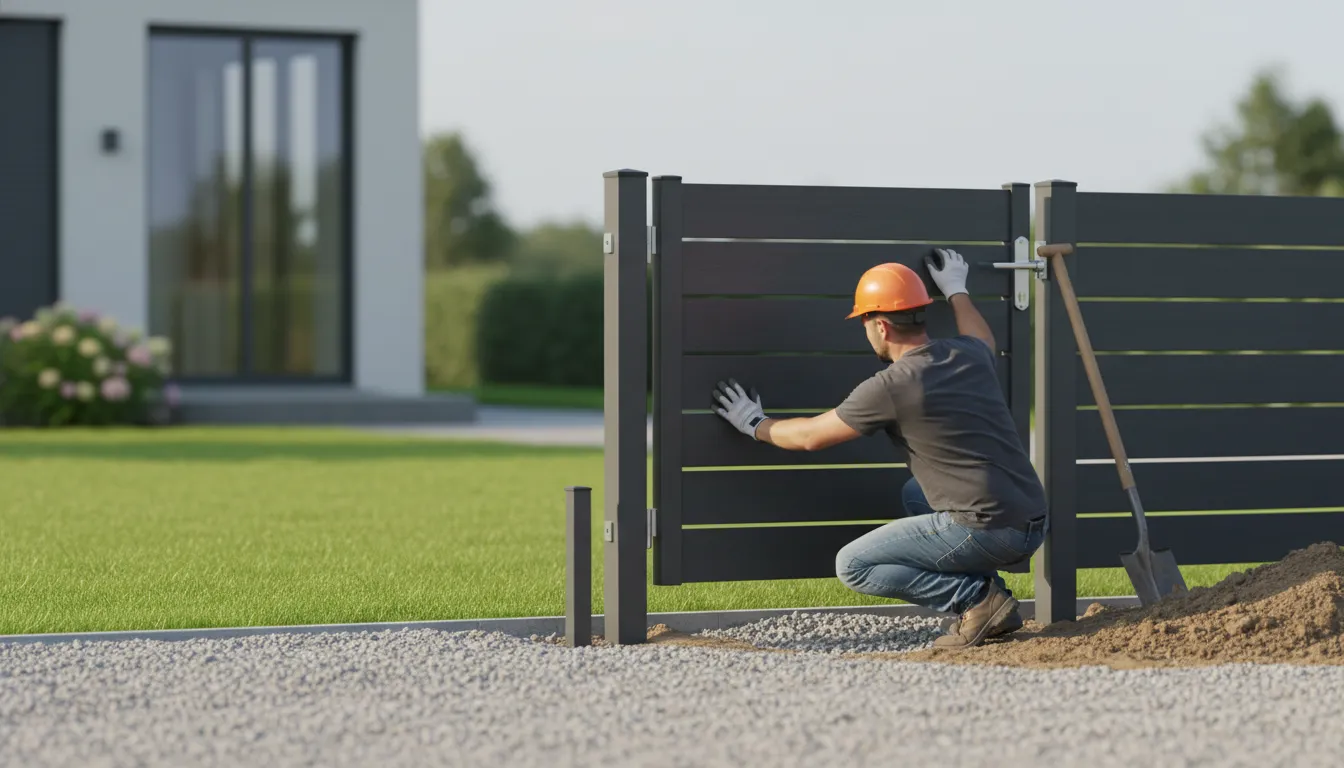
Find the Best Fence Installers for Your Business
No obligation • Fast responses • Nationwide coverage

Why you can trust Landscape Atlas
Landscape Atlas is a leading United States resource for evaluating landscaping, lawn care, and outdoor service providers. Our team researches each category in depth, focusing on service quality, safety, and customer experience. Listings and rankings are based on independent criteria and user feedback, and companies cannot pay to influence our assessments or recommendations.
Search providers near you
Top Fence Installers in East Providence, Rhode Island Ranked
Adding a fence to your East Providence property is a significant investment that can enhance privacy, security, and curb appeal. A well-installed fence defines your outdoor space, provides a safe area for children and pets, and can even increase your home's value. This guide will help you understand local regulations, material options, and cost considerations to make an informed decision for your fencing project.
Understanding East Providence Fence Regulations
Before you start planning your fence installation, it's crucial to understand the local rules. East Providence, like many cities, has specific zoning ordinances that govern fence height, location, and style to maintain neighborhood aesthetics and safety.
In East Providence's single-family residential zones, the standard height limits are:
- Front Yards: A maximum of 4 feet (48 inches) high. This rule helps maintain open sightlines and a welcoming streetscape. There are often additional requirements for clear views at driveways and street corners to ensure traffic safety.
- Interior Side and Rear Yards: A maximum of 6 feet (72 inches) high. This is the typical allowance for privacy fencing in your backyard.
Always Check with Authorities: These are general guidelines. The final word on your project comes from the East Providence Building Department. You must consult them to verify the exact rules for your specific property lot and zoning district, and to determine if a building permit is required before any work begins 1 2. Skipping this step can result in costly fines or being forced to remove a non-compliant structure.
Choosing the Right Fence Material
The material you choose will define your fence's appearance, durability, maintenance needs, and budget. Here's a breakdown of the most popular options for East Providence homes.
Wood Fencing
Wood is a classic choice that offers a natural, warm look. It's highly customizable-you can stain or paint it any color and choose from various styles like solid privacy, shadowbox, or traditional picket.
- Pros: Natural aesthetic, versatile for privacy or decorative styles, can be relatively cost-effective for materials.
- Cons: Requires regular maintenance like sealing, staining, or painting to protect against Rhode Island's humid summers and snowy winters. It is susceptible to rot, insect damage, and warping over time if not maintained.
- Best For: Homeowners who love a rustic or traditional look and don't mind periodic upkeep.
Vinyl Fencing
Vinyl (or PVC) fencing has become extremely popular for its durability and low-maintenance benefits.
- Pros: Virtually no maintenance beyond occasional cleaning; it won't rot, warp, or need painting. It's durable and offers a clean, consistent look. Excellent for both privacy and picket styles.
- Cons: Higher initial material cost compared to wood. While durable, it can become brittle in extreme cold and may crack upon impact.
- Best For: Busy homeowners seeking a long-lasting, pristine appearance with minimal effort.
Metal Fencing Options
Chain Link: A practical and budget-friendly option.
- Pros: Very durable, low-maintenance, and provides security without blocking views. It's often used to contain pets or define property lines.
- Cons: Offers little privacy or aesthetic enhancement unless supplemented with slats or vines.
- Best For: Functional, economical security for side or rear yards.
Aluminum or Wrought Iron: These are premium metal choices.
- Pros: Exceptional strength, security, and a timeless ornamental appearance. They are highly durable and require very little maintenance beyond occasional touch-ups to prevent rust 3 4.
- Cons: Among the highest cost options for materials and installation.
- Best For: Adding elegant security and dramatic curb appeal to front yards or formal gardens.
Fence Styles: Privacy vs. Decorative
Your primary goal for the fence will guide both the style and material selection.
Privacy Fences are designed to create a secluded oasis in your backyard. They are typically 6 feet or taller and constructed with solid or closely spaced panels that block sightlines. This style is ideal for screening pools, patios, or play areas from neighbors and street traffic. Beyond seclusion, they also provide security, windbreaks, and noise reduction. Common materials for privacy fences include wood (cedar, pine) and vinyl.
Decorative Fences focus on defining property lines and enhancing your home's architectural style without creating a full visual barrier. They are often shorter, around 3 to 4 feet high. Classic styles include white picket fences, ornamental aluminum, and low-profile horizontal slat designs. These fences add charm and curb appeal to front yards while keeping the space feeling open and inviting.
Find the perfect fence installers for your needs
Get personalized recommendations and expert advice
Cost Factors for Fence Installation in East Providence
The total cost of your fence project can vary widely based on several key factors. Understanding these will help you establish a realistic budget.
Material Cost (Per Linear Foot): This is the largest variable. Installed costs can range from:
- Chain Link: $10 - $20 per linear foot 5.
- Wood: $25 - $45 per linear foot, with higher-end woods and privacy styles at the top of the range.
- Vinyl: $25 - $60 per linear foot 6.
- Aluminum/Ornamental Iron: $30 - $50+ per linear foot 7.
Labor and Project Complexity: Labor typically accounts for 30% to 50% of the total project cost. Complexities that increase labor include:
- Terrain: Sloped or rocky yards require more time and skill to install properly.
- Length and Layout: A simple straight run is most economical. Multiple corners, angles, or a winding layout add labor and materials.
- Gates: Including a gate adds to the cost, with more elaborate or automated gates significantly increasing the price.
- Removal & Disposal: If an old fence needs to be taken down and hauled away, this will be an additional charge.
Additional Expenses: Don't forget to budget for potential permit fees from the city and a professional property survey if your exact boundary lines are unclear. It's always wise to get detailed written estimates from several licensed and insured local installers to compare 8.
The Installation Process: What to Expect
A professional fence installation typically follows these steps:
- Consultation & Estimate: A contractor visits your property to discuss your needs, take measurements, and assess the terrain.
- Planning & Permits: You finalize the design and materials. The contractor or homeowner secures any necessary permits from East Providence.
- Utility Locate: A mandatory step where underground utility lines (gas, water, electric) are marked to prevent damage during digging.
- Post Installation: Holes are dug, posts are set in concrete, and everything is leveled and aligned. This is the most critical phase for fence longevity.
- Panel & Pickets Installation: Once posts are secure, rails and the fencing material (panels, pickets, chain link fabric) are attached.
- Gate Installation & Finishing: Gates are hung and adjusted for smooth operation. Any final touches, like post caps or staining, are completed.
- Cleanup & Final Walkthrough: The site is cleaned of debris, and the contractor reviews the finished project with you.
Maintaining Your New Fence
Protect your investment with proper care:
- Wood: Inspect annually. Re-stain or reseal every 2-3 years to protect against moisture and UV rays. Check for loose boards or rot.
- Vinyl: Wash with a hose and mild soap annually to prevent mildew and maintain color.
- Metal: For aluminum or wrought iron, inspect for scratches or chips in the powder coating. Touch up with paint to prevent rust. Chain link should be checked for rust spots and tension.
Frequently asked questions
Sources
Footnotes
-
Fence Installation by The Fence Experts JAX Pro Fence - https://www.jaxprofence.com/fence-installation/ ↩
-
Fence Questions and Answers - રે - Providence City - https://www.providencecity.com/media/156 ↩
-
Trusted Fence Company in East Providence, RI - https://www.providencefencecompany.com/fencing-east-providence-ri ↩
-
The best type of fence to install in Rhode Island - https://traprocklandscaping.com/what-is-the-best-type-of-fence-to-install-in-rhode-island/ ↩
-
How much does it cost to install a chain link fence? - Fixr.com - https://www.fixr.com/costs/chain-link-fence ↩
-
How Much is Fence Installation in Rhode Island? - https://fencecompanyofrhodeisland.com/blog/how-much-is-fence-installation-rhode-island/ ↩
-
Your Guide to Fence Installation Cost by Material and Size - https://jhlandscapes.com/your-guide-to-fence-installation-cost-by-material-and-size/ ↩
-
6 ft privacy fence installation cost: Smart 2025 Guide - https://www.brentwoodfence.com/blog/6-ft-privacy-fence-install-cost-guide ↩