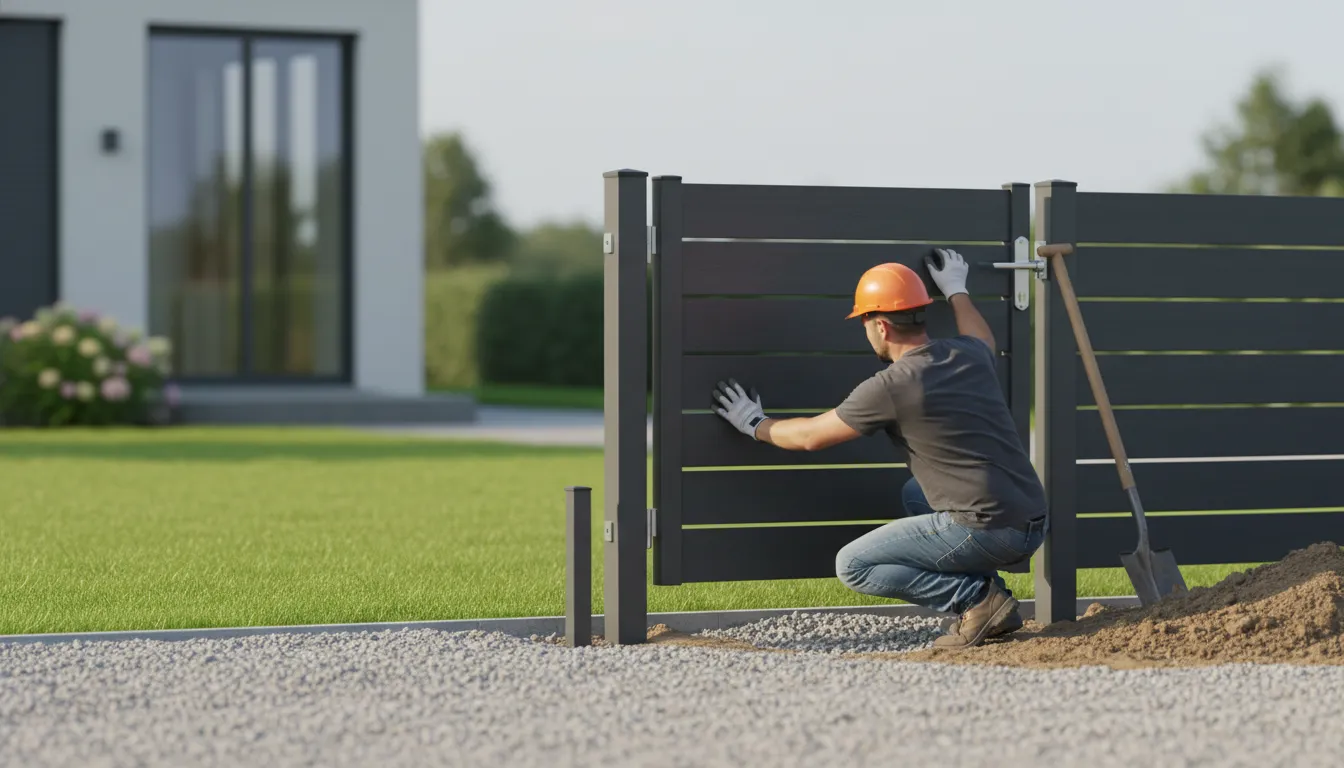
Find the Best Fence Installers for Your Business
No obligation • Fast responses • Nationwide coverage

Why you can trust Landscape Atlas
Landscape Atlas is a leading United States resource for evaluating landscaping, lawn care, and outdoor service providers. Our team researches each category in depth, focusing on service quality, safety, and customer experience. Listings and rankings are based on independent criteria and user feedback, and companies cannot pay to influence our assessments or recommendations.
Search providers near you
Top Fence Installers in Milwaukee, Wisconsin Ranked
Adding a fence to your Milwaukee property is a significant investment that enhances privacy, security, and curb appeal. Whether you're looking to define your yard, keep pets safe, or add a decorative element, understanding the local requirements and material options is crucial. This guide provides essential information on Milwaukee's fence codes, popular styles, and cost considerations to help you plan your project and connect with experienced local installers.
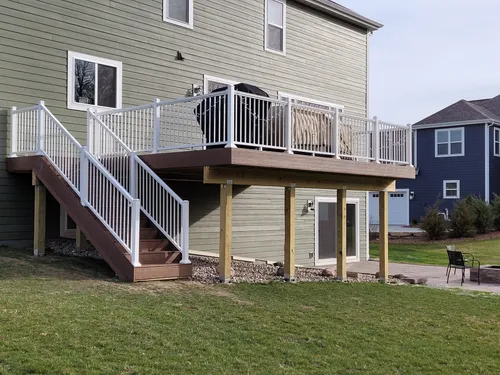
Fence and Deck Pros
2960 N 75th St, Milwaukee, WI 53210
Fence and Deck Pros is an exterior structure specialist based near Milwaukee, WI. They provide fence installation, landscape design, and hardscaping services including decks, patios, pergolas, and retaining walls. The company serves Milwaukee and surrounding areas such as Wauwatosa, Mequon, Racine, and Waukesha. They offer a variety of fencing options for residential, commercial, industrial, and security needs, and work with materials like treated wood, synthetic wood, and sustainable options. Fence and Deck Pros also provides design recommendations to help bring customer visions to life.

FidoStop
2124 N 12th St, Milwaukee, WI 53205
FidoStop is a fence installation contractor based in Milwaukee, WI, specializing in hidden pet fences. They design and install underground boundary wire systems that work with a specialized collar to safely contain pets within designated areas. Their installations accommodate various property types and include training support for pets to learn the boundaries. FidoStop serves Eastern Wisconsin, including Milwaukee, and other states such as Illinois, North Carolina, and Georgia. The company installs multiple brands of hidden fences, selecting the best system for each pet and property. Founded by Eric, who began installing hidden fences for family and friends, FidoStop has grown to install hundreds of fences across multiple states.
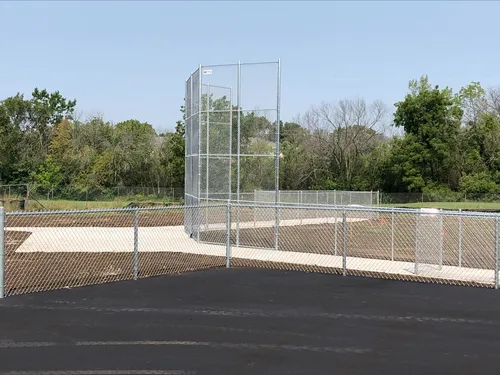
Yutka Fence Company
8439 W Lynx Ave, Milwaukee, WI 53225
Yutka Fence Company is a family-owned fence installation contractor serving Milwaukee, WI, and surrounding counties including Kenosha, Racine, Walworth, and Waukesha. They specialize in mid to large-size residential fence installations, offering a variety of fence types such as aluminum, vinyl, wood, chain link, pool, and dog fencing. With over 57 years of experience, Yutka Fence Company is known for their certified expertise and ability to install fences year-round, including winter months. Their services include detailed project planning and permit handling to ensure a smooth installation process.

Badgerland LLC
Milwaukee, WI
Badgerland LLC is a Milwaukee, WI-based company offering fence installation, tree services including stump grinding, and yard drainage solutions. They handle projects ranging from basic stump grinding for lawn restoration to more complex tasks like driveway expansion, pool installation, and regrading after tree removal. The company is certified to manage utility marking through Digger's Hotline ProPortal and provides custom saw milling and woodworking services tailored to client needs.
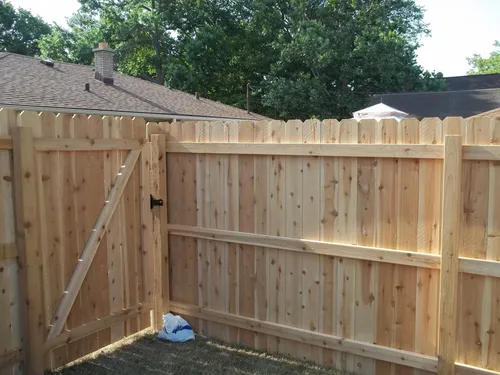
C&M Fencing
Milwaukee, WI
C&M Fencing is a family-owned fence installation contractor based in Milwaukee, WI. With over 20 years of experience, they provide fencing services focused on customer satisfaction. The company offers on-site written estimates to help clients plan their projects efficiently.
Understanding Milwaukee's Fence Regulations
Before you start planning your fence, it's vital to familiarize yourself with the City of Milwaukee's specific zoning and permit requirements. These rules are designed to ensure safety, maintain neighborhood aesthetics, and respect property lines.
Permit Requirements
In most cases, installing a new fence in Milwaukee requires a permit from the Department of Neighborhood Services (DNS) 1. The application process involves submitting details about the fence's location, height, and materials. It's always best to check with the city directly for the latest forms and requirements before any work begins.
Height and Location Restrictions
Milwaukee's regulations vary significantly based on where your fence will be located on your property 2:
- Front Yard: The maximum height for a solid fence is 4 feet. However, an ornamental or "open" fence (with at least 50% open space) can be up to 6 feet tall.
- Side Yard (between houses): A solid fence is limited to 4 feet. You can install a 6-foot fence if the top 2 feet is open, such as with lattice or chain link.
- Rear Yard: You have more flexibility here, with a maximum height of 6 feet allowed for solid privacy fencing.
- Corner Lots: Special "sight visibility triangle" rules apply at street and driveway intersections. Within these triangles, solid fences are typically limited to just 3 feet high to ensure drivers and pedestrians can see each other 3.
Setbacks and Installation Rules
The distance your fence must be set back from the property line depends on its height:
- Fences under 4 feet tall can usually be placed directly on the property line.
- A 5-foot fence requires a 1-foot setback.
- A 6-foot fence requires a 2-foot setback. Additionally, the structural or "finished" side of the fence-the side without visible posts and rails-must face outward toward your neighbor's property or the public right-of-way.
Choosing the Right Fence Material for Your Home
The material you choose will define your fence's appearance, durability, maintenance needs, and budget. Milwaukee homeowners have several excellent options to consider.
Wood Fencing
Wood is a classic and versatile choice, offering a natural look that complements many architectural styles.
- Cedar: Highly valued for its natural resistance to rot and insects, cedar is durable and aesthetically pleasing but comes at a higher cost.
- Pressure-Treated Pine: This is a more budget-friendly wood option. It's infused with preservatives to resist decay, making it a practical choice for many homeowners.
Vinyl Fencing
Vinyl has become increasingly popular for its durability and low maintenance. It won't rot, warp, or need painting, making it a long-term, cost-effective solution despite a higher initial investment.
- Privacy Styles: Solid vinyl panels offer excellent seclusion and are available in various colors and textures that mimic wood grain.
Metal Fencing
Metal fences offer strength and distinct stylistic options.
- Ornamental/Wrought Iron: Known for its elegant, decorative appeal and security, wrought iron is ideal for front yard enclosures and requires periodic maintenance to prevent rust.
- Chain Link: A highly affordable and functional option, chain link is commonly used in rear yards for security and pet containment. It is not typically used for privacy unless slats are added.
Stone and Masonry
For a permanent, high-end boundary, stone, brick, or concrete block walls are unparalleled. They offer maximum privacy, security, and durability but are the most expensive fencing option due to material and labor costs4.
Composite Fencing
Made from a blend of wood fibers and plastic, composite fencing offers the look of wood with enhanced resistance to moisture and insects. It's a good, low-maintenance option, particularly for rear yards.
Popular Fence Styles and Their Applications
Your choice of style will depend on your primary goal: privacy, decoration, security, or a combination.
Privacy Fences
Designed to block sightlines, these are typically solid structures. Common materials include solid wood panels, vinyl privacy panels, and masonry walls. A 6-foot privacy fence in the backyard is a standard choice for creating a secluded outdoor living space.
Decorative Fences
These styles prioritize aesthetics and boundary definition over complete seclusion.
- Picket Fences: The iconic white picket fence, available in wood or vinyl, adds charming curb appeal to front yards 5.
- Ornamental Metal: Wrought iron or aluminum fences with intricate designs and spacing provide security while maintaining an open, elegant look.
- Lattice-Top Fences: Combining a solid lower section with an open lattice top can meet height requirements for side yards while adding visual interest.
Find the perfect fence installers for your needs
Get personalized recommendations and expert advice
Cost Considerations for Fence Installation
The total cost of your fence project in Milwaukee depends on several key factors: material, linear footage, height, terrain, labor, and any extra features like gates.
Cost by Material (Per Linear Foot)
While every project is unique, here are some general price ranges for installed fencing 6:
- Vinyl Privacy Fence (6-ft): $25 - $40 per linear foot.
- Wood Fence: Costs can vary widely based on wood type and style, but a standard 100-foot wood fence project often ranges from $2,500 to $5,000 or more.
- Chain Link: Generally the most economical option.
- Ornamental Iron & Masonry: Represent the higher end of the cost spectrum.
Overall Project Averages
For a standard residential project of around 200 linear feet, homeowners can expect total costs to range from $6,000 to $12,000 or more7 8. Don't forget to budget for gates, which are essential for access and can add $300 to $1,500+ to the project cost depending on size and automation9.
Factors Influencing Price
- Length & Height: More linear feet and greater height require more materials and labor.
- Terrain: Sloped or rocky yards require more complex installation techniques.
- Labor: Rates can vary between contractors based on experience and demand.
- Customization: Staining, painting, decorative post caps, and unique designs add to the cost.
- Permits: Include potential permit fees from the city in your budget.
Planning and Executing Your Project
A successful fence installation starts with careful planning.
- Determine Your Purpose: Clearly define whether you need privacy, security, pet containment, or simply aesthetic enhancement.
- Check Property Lines: Have your property surveyed or consult your plat map to avoid disputes. Your fence must be installed entirely within your property lines.
- Review City Codes: Confirm the specific height, setback, and permit rules for your property's zoning and location (front, side, rear, corner lot).
- Choose Material & Style: Balance your desired look with your budget and willingness to perform maintenance.
- Get Multiple Quotes: Obtain detailed written estimates from several licensed and insured local installers. Ensure the quotes include materials, labor, permit acquisition, and cleanup.
- Secure the Permit: Your chosen contractor often handles this, but confirm who is responsible.
- Prepare the Site: Clear the fence line of debris, plants, and obstacles before installation day.
Frequently asked questions
Sources
Footnotes
-
Residential Fence Permit Application - City of Milwaukee - https://city.milwaukee.gov/DNS/planning/ResFencePermit ↩
-
Milwaukee Fence Finders: Fence Installation Milwaukee & Waukesha - https://milwaukeefencefinders.com/ ↩
-
Your Trusted Fence Installation Company in Hales Corners, WI - https://milwaukeefencefinders.com/hales-corners-fence-company/ ↩
-
One- and Two-Family Homes Fence Requirements - https://city.milwaukee.gov/ImageLibrary/Groups/dnsAuthors/permits/Documents/fencereq.pdf ↩
-
FENCES AND SCREENING - South Milwaukee, WI - https://www.southmilwaukee.gov/DocumentCenter/View/248/Fences-2025-PDF ↩
-
How Much Does a Wood Fence Cost - https://www.gomadisonfence.com/knowledge-library/how-much-does-a-wood-fence-cost/ ↩
-
Vinyl Fences: A Durable and Attractive Option in Milwaukee, WI - https://www.yutkafence.com/vinyl-fences-a-durable-and-attractive-option-in-milwaukee-wi/ ↩
-
How Much Will a Fence Cost in 2026? - https://atozqualityfencing.com/how-much-will-a-fence-cost-in-2026/ ↩
-
How Much Does A Privacy Fence Cost Per Foot - https://www.protechfence.com/how-much-does-a-privacy-fence-cost-per-foot/ ↩