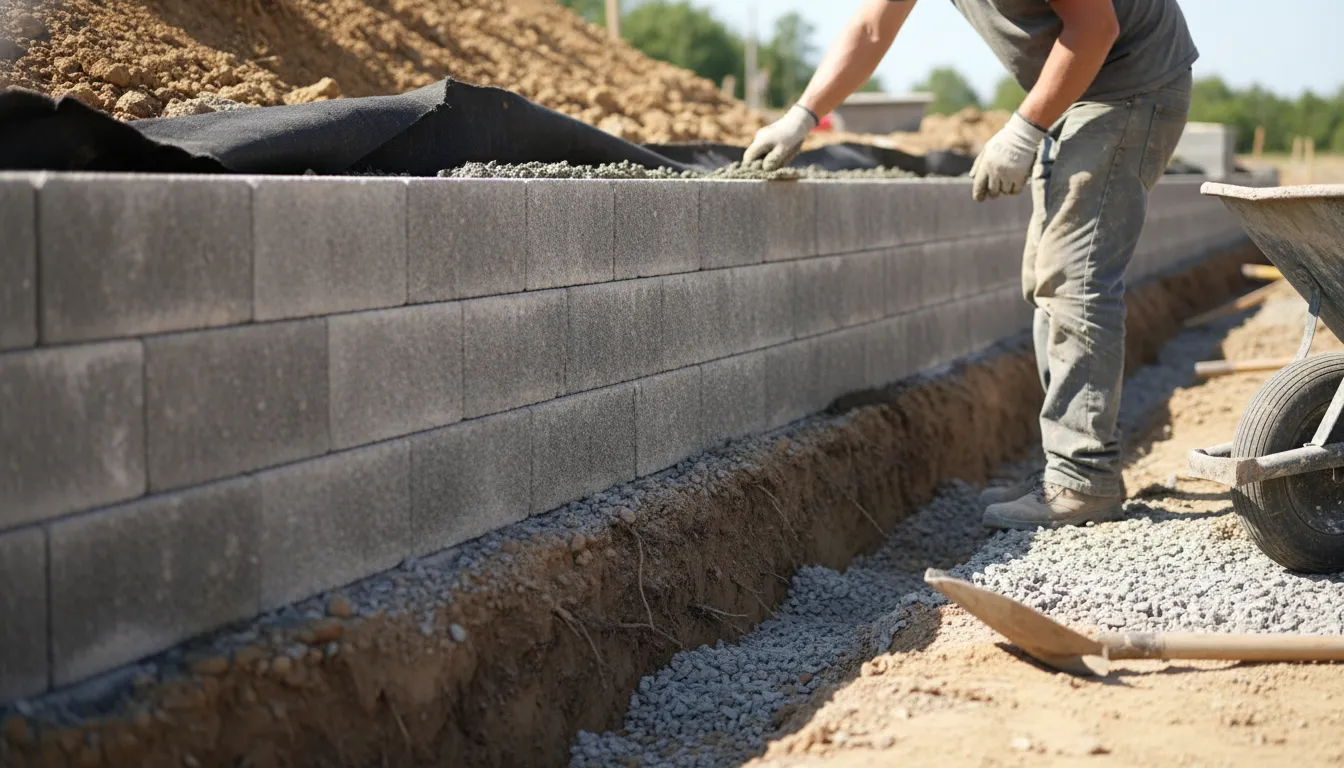
Find the Best Hardscaping Contractors for Your Business
No obligation • Fast responses • Nationwide coverage

Why you can trust Landscape Atlas
Landscape Atlas is a leading United States resource for evaluating landscaping, lawn care, and outdoor service providers. Our team researches each category in depth, focusing on service quality, safety, and customer experience. Listings and rankings are based on independent criteria and user feedback, and companies cannot pay to influence our assessments or recommendations.
Search providers near you
Top Hardscaping Contractors in Denver, Colorado Ranked
Transforming your Denver property with a patio, walkway, or retaining wall adds significant beauty and function. Hardscaping, the use of non-living elements in landscape design, creates durable outdoor living spaces that can withstand our unique climate. Finding the right professional for your project is key, as proper material selection and expert installation are critical for longevity in our challenging soil conditions. This guide will help you understand the local considerations for hardscape installation and how to connect with qualified specialists in the Denver area.
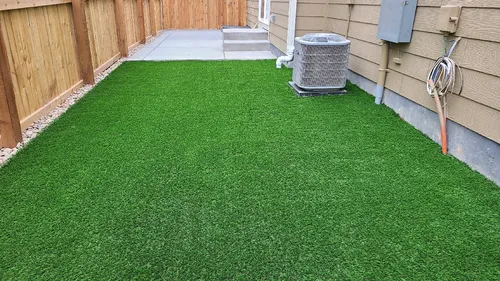
The Fisherman LLC
2688 W Iliff Ave, Denver, CO 80219
The Fisherman LLC is a landscaping company based in Denver, CO, offering residential and commercial services. With over 20 years of experience, they provide comprehensive landscaping solutions including lawn care, tree and shrub services, sprinkler installation, and hardscaping features like retaining walls and patios. Their team is licensed and insured, focusing on durable craftsmanship and customized outdoor designs that enhance both beauty and functionality. Serving Denver and surrounding areas within 100 miles, The Fisherman LLC combines quality materials and professional equipment to deliver lasting results.
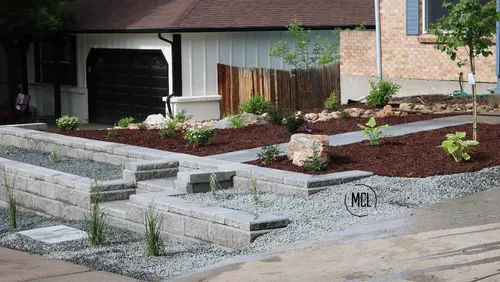
Modern Concepts Landscape
2650 W Warren Ave, Denver, CO 80219
Modern Concepts Landscape is a landscaping company based in Denver, CO, offering a wide range of services including landscape design, tree removal, stump grinding, yard drainage, grading, sprinkler installation and repair, lawn care, and hardscaping such as pavers and retaining walls. With over 20 years of experience, they provide expertise in irrigation systems and xeriscape designs to support low-water landscaping options. Their services aim to enhance and maintain outdoor spaces while addressing practical concerns like tree health and yard drainage.
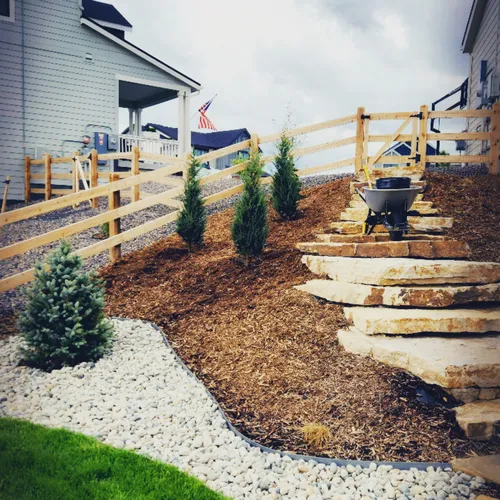
Birdies Landscape & Lighting
Denver, CO
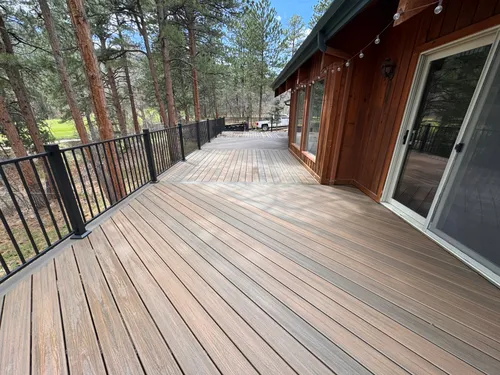
Birdies Landscape & Lighting is a landscaping and outdoor lighting company serving Denver, CO. They provide a wide range of services including landscape design and installation, sod installation, fence installation, hardscaping with paver patios and retaining walls, stump grinding, and professional Christmas light installation. Their hardscaping work is noted for using a thicker, more compacted base to ensure long-term stability. The company has multiple years of experience maintaining and enhancing outdoor spaces for both homes and businesses in the area.
My Son’s Landscape Group
679 S Reed Ct, Lakewood, CO 80226
My Son's Landscape Group is a landscaping and fencing company based in Denver, CO. They specialize in landscape design, installation, and maintenance, as well as fence installation, sprinkler system services, artificial turf installation, and hardscaping including pavers and retaining walls. The company focuses on sustainable landscaping practices tailored to Denver's unique flora and offers ongoing landscape maintenance to keep outdoor spaces well-maintained over time.
Paramount Stone Concepts, LLC
Denver, CO
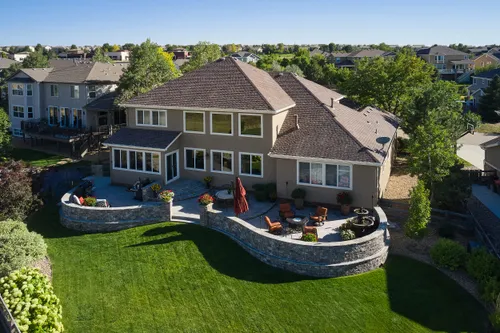
Paramount Stone Concepts, LLC is a hardscaping contractor based in Denver, CO, specializing in stonework, pavers, retaining walls, and outdoor living solutions. They serve the greater Denver area, including Lakewood, Littleton, Golden, Arvada, and Highlands Ranch. The company offers tailored hardscaping and landscaping services designed for Colorado's terrain and climate, using premium materials such as granite, marble, quartz, and natural stone. Their team includes experienced stone experts focused on craftsmanship and customer satisfaction.
Understanding Denver's Hardscape Challenges
Successful outdoor construction in Denver begins with a deep understanding of two primary local factors: the soil and the climate. These elements directly influence every decision, from the materials you choose to the engineering required for installation.
Expansive Clay Soil: Beneath much of Denver lies a layer of expansive clay, often bentonite 1. This soil acts like a sponge, swelling significantly when it absorbs moisture and shrinking as it dries 2. This constant cycle of expansion and contraction creates ground movement that can crack concrete slabs, shift pavers, and destabilize walls if the hardscape is not properly designed to accommodate it 3. It's the number one cause of structural issues in local landscape projects.
Freeze-Thaw Cycles: Colorado's dramatic temperature swings, particularly the freeze-thaw cycles in spring and fall, pose another major challenge. Water that seeps into cracks or porous materials can freeze, expand, and cause spalling (surface flaking) or more significant damage. This makes drainage and the use of frost-resistant materials and techniques non-negotiable.
Essential Design & Engineering Considerations
To combat these challenges, professional hardscape contractors in Denver prioritize specific design and engineering principles. Ignoring these can lead to costly repairs down the line.
- Proper Drainage is Paramount: Managing water is the most critical step. This includes grading the site to slope away from your home (a minimum of 2% is standard) and installing sub-surface drainage systems like French drains where necessary 4 5. For retaining walls, a drainage pipe and gravel backfill behind the wall are essential to relieve hydrostatic pressure from waterlogged soil 6.
- Deep, Stable Base Preparation: A robust hardscape is built from the ground up. This means excavating to a sufficient depth and installing a thick, well-compacted base of gravel (often road base or class 5 gravel). This base acts as a stable platform that helps mitigate the effects of the shifting clay soil beneath it 7 8.
- Respecting the Frost Line: Denver's building code requires foundations and footings for permanent structures to extend below the frost line, which is 36 inches deep 9 10. This prevents frost heave, where frozen ground lifts structures unevenly. Any freestanding wall over a certain height or attached to a structure will need footings that meet this code.
- Engineering for Slopes: Many Denver properties have slopes. Retaining walls are a common solution for creating level terraces and controlling erosion 11. These walls require careful engineering to calculate the "load" or pressure of the soil behind them. A professional will ensure the wall is designed with the proper depth, reinforcement, and drainage to be structurally sound for years.
Best Materials for Denver Hardscapes
Choosing the right materials is about more than aesthetics; it's about durability. The best options for our climate are dense, non-porous, and flexible enough to handle minor ground movement.
For Patios, Walkways, and Driveways
- Concrete Pavers: Arguably the most popular choice for Denver, pavers are individual units laid over a sand or gravel setting bed. Their key advantage is flexibility-the joints between them allow for minor ground movement without causing cracks. If a section settles, individual pavers can be lifted, the base re-leveled, and the paver replaced 12.
- Natural Stone: Dense, locally-sourced stones like Colorado flagstone, moss rock, and bluestone are excellent, durable choices 13. Their natural, irregular shapes and earthy colors blend seamlessly with the local landscape. Like pavers, they are typically installed with joints that accommodate some movement.
- Poured Concrete: A versatile and cost-effective option, poured concrete can be stamped, stained, or textured to mimic other materials. For durability in Denver, it must be installed with control joints (planned cracks) to guide where cracking occurs from soil movement and with a strong, well-drained base 14.
For Retaining Walls and Garden Borders
- Segmental Retaining Wall (SRW) Blocks: These are engineered concrete blocks designed to interlock. They are a go-to solution for structural walls because they are specifically made to handle lateral earth pressure and often include built-in drainage features 15.
- Natural Stone or Boulders: Dry-stacked (without mortar) boulder walls or mortared stone walls offer a timeless, natural look. Using large Colorado river rock or moss rock can be very effective for erosion control and creating a rugged aesthetic 16.
- Clay Brick: High-quality, weatherproof bricks can create beautiful, classic retaining walls or raised planters. They must be installed with proper footings and drainage, and the mortar mix must be appropriate for freeze-thaw conditions.
Find the perfect hardscaping contractors for your needs
Get personalized recommendations and expert advice
The Professional Installation Process
Understanding what to expect from a professional hardscaping contractor can help ensure a smooth project. A reputable pro will follow a meticulous process.
- Consultation & Design: This initial meeting discusses your vision, budget, and the site's specific conditions. A good contractor will point out potential challenges and propose solutions.
- Site Evaluation & Planning: The contractor will assess soil type, slope, drainage patterns, and proximity to structures. This is when engineering needs for walls or drainage are determined.
- Detailed Proposal & Contract: You should receive a clear, written estimate outlining materials, labor, timeline, payment schedule, and warranty information. It should specify preparation details like base depth and drainage plans.
- Permitting: Most retaining walls over a certain height (often 4 feet) and any project that alters drainage significantly will require a permit from the City of Denver. Your contractor should handle this process.
- Site Preparation & Excavation: The area is marked, and excavation begins to the required depth for the base and footings. This is a critical phase where proper depth is established.
- Base Installation & Compaction: Gravel is added in layers (lifts) and mechanically compacted to create a solid, stable foundation. This step cannot be rushed.
- Installation of Hardscape Features: Walls are built, pavers or stone are laid, and concrete is poured. Throughout, levels and drainage are constantly checked.
- Finishing Touches: Joints are filled with sand or polymeric sand, edges are secured, and the site is cleaned. Any adjacent landscaping is addressed.
Understanding Hardscaping Costs in Denver
Investment in hardscaping varies widely based on materials, project complexity, and site accessibility. High-quality materials and the necessary engineering for Denver's soil justify the investment, as they prevent future repair costs 17.
- Patios and Walkways:
- Poured Concrete: $6 - $25 per square foot (basic finish to stamped/stained) 18.
- Concrete Pavers/Bricks: $10 - $50 per square foot 19.
- Natural Stone (Flagstone, Bluestone): $15 - $100+ per square foot 20.
- Retaining Walls:
These are regional averages. The best way to understand the cost for your specific project is to obtain detailed quotes from several licensed and insured hardscape contractors in Denver.
Maintaining Your Denver Hardscape
Protecting your investment requires some routine care. Sweep debris regularly and wash surfaces with a hose. Re-sand the joints between pavers or stones every few years as needed. Before winter, ensure all drainage paths are clear of leaves and debris. Avoid using harsh de-icing chemicals on pavers or natural stone, as they can cause spalling; use sand or a chloride-free ice melt instead. Inspect retaining walls annually for any signs of bulging or leaning, which could indicate drainage issues.
Frequently asked questions
Sources
Footnotes
-
Denver Soil Composition: How To Protect Your Home - https://www.gothrasher.com/about/news-and-events/48427-denver-soil-composition-how-to-protect-your-home.html ↩
-
Fix Landscaping Issues from Settling Around New Homes in Colorado - https://www.aspenwoodlandscape.com/blog/settling-around-newly-built-home ↩
-
A Guide to Swelling Soil for Colorado Homeowner Associations - https://www.ochhoalaw.com/a-guide-to-swelling-soil-for-colorado-homeowner-associations/ ↩
-
Top Materials for Colorado Landscape Builds in Superior - https://www.jandslandscape.com/top-materials-for-colorado-landscape-builds-in-superior/ ↩
-
Soil Drainage | Colorado State University Extension - https://extension.colostate.edu/resource/soil-drainage/ ↩
-
1617 - Expansive Soils - PlantTalk Colorado - https://planttalk.colostate.edu/topics/soils-amendments-composting/1617-expansive-soils/ ↩
-
How to Protect Your Hardscapes from Colorado's Freeze-Thaw Cycles - https://www.coloradolandscapedesign.com/how-to-protect-your-hardscapes-from-colorados-freeze-thaw-cycles/ ↩
-
Chapter 18 Soils and Foundations: Denver Building Code 2018 - https://up.codes/viewer/denver/ibc-2018/chapter/18/soils-and-foundations ↩
-
Frost Depth by State for Footing Design - https://www.apexpergola.com/frost-depth ↩
-
Water Line Burial Depth: CO Frost Line Guide - Top Notch Plumbing - https://www.topnotchplumbingllc.com/blog/how-deep-does-a-water-line-need-to-be/ ↩
-
Innovative Landscaping Solutions for Colorado's Varied Terrain - https://environmentaldesigns.com/blog/transforming-sloped-yards-innovative-landscaping-solutions-for-colorados-varied-terrain ↩
-
Durable Hardscape Materials for Denver's Climate - https://milehighlandscaping.com/hardscape-materials-denver/ ↩
-
Top Landscape Materials for Colorado's Unique Environment - https://soilandstone.com/top-landscape-materials-for-colorados-unique-environment/ ↩
-
What Material Options Are Available for Building a New Patio? - https://creeksidelandscapesil.com/blog/what-material-options-are-available-for-building-a-new-patio/ ↩
-
Best Hardscaping Materials For Colorado Climate & Soil - https://hilltopscapes.com/best-hardscaping-materials-colorado-climate/ ↩
-
Garden Stone Wall: Rock Solid Build Guide 2025 - https://maslandscaping.com/garden-stone-wall/ ↩
-
The Cost Of Concrete Repair In Texas - https://glhunt.com/concrete-repair/concrete-repair-costs/ ↩
-
How to Budget a Full Backyard Transformation in Denver - https://www.customwaterfeaturesdenver.com/how-to-budget-a-full-backyard-transformation-in-denver/ ↩
-
How Much Does Landscaping Cost in 2024? - https://omnissal.com/blog/landscaping-cost-2024/ ↩
-
Hardscape Cost: Expenses for Creating Functional Outdoor Spaces - https://www.hancocklandscape.com/hardscape-cost/ ↩
-
Exploring the Costs of Hardscaping: A Comprehensive Guide - https://www.needforbuild.com/exploring-the-costs-of-hardscaping-a-comprehensive-guide/ ↩
-
Landscaping Cost in Colorado - https://alpinelandscapingllc.com/blog/how-much-does-landscaping-cost-in-colorado/ ↩