Find the Best Hardscaping Contractors for Your Business
No obligation • Fast responses • Nationwide coverage

Why you can trust Landscape Atlas
Landscape Atlas is a leading United States resource for evaluating landscaping, lawn care, and outdoor service providers. Our team researches each category in depth, focusing on service quality, safety, and customer experience. Listings and rankings are based on independent criteria and user feedback, and companies cannot pay to influence our assessments or recommendations.
Search providers near you
Top Hardscaping Contractors in Raleigh, North Carolina Ranked
Transforming your outdoor living space with stone, pavers, and concrete is more than just an aesthetic upgrade; it's an investment in your property's function, value, and enjoyment. Hardscaping, which includes elements like patios, walkways, retaining walls, and outdoor kitchens, provides structure and definition to your landscape. In Raleigh, local conditions like clay soil and seasonal weather make professional expertise essential for a durable, beautiful result. This guide will help you understand the key considerations for your project and how to connect with skilled local contractors who can bring your vision to life.
DreamScapes
4913 Professional Ct, Raleigh, NC 27609
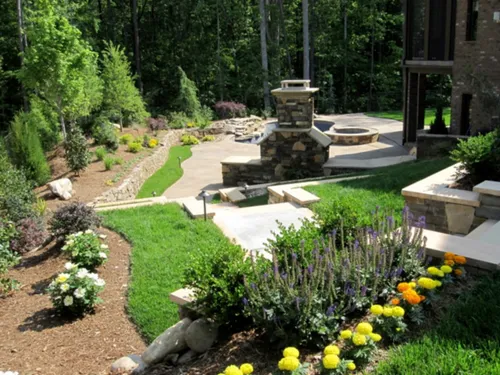
DreamScapes is a landscaping company based in Raleigh, NC, offering a wide range of residential and commercial landscaping services. Their expertise includes lawn mowing, fertilization, weed control, sod and artificial turf installation, landscape lighting, design, tree services, yard drainage, sprinkler installation and repair, as well as hardscaping such as pavers and retaining walls. With over fifteen years of experience, DreamScapes serves the greater Raleigh area including Cary, Wake Forest, Durham, and Chapel Hill. They provide customized landscape design and maintenance plans, combining hardscapes, planting, and lighting to meet client needs. DreamScapes sources materials from local high-quality suppliers and is known for attention to detail and comprehensive service. The company does not specify special availability hours.
L.G. Company. Llc
616 Chalcedony Ct, Durham, NC 27703
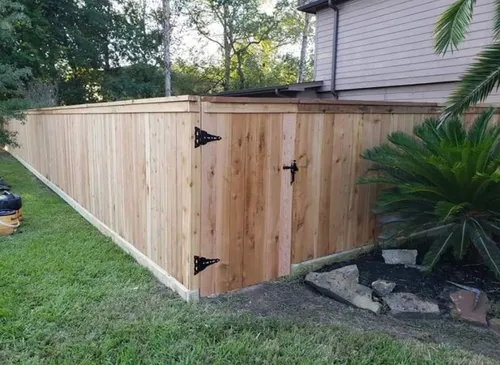
L.G. Company LLC is a family-owned contractor based near Durham, NC, serving Raleigh and the greater Research Triangle area. They specialize in custom wood and vinyl fencing, decks, and a range of concrete services including driveways, walkways, patios, and foundations for both residential and commercial clients. The company is licensed and insured, working closely with customers and HOAs to meet project requirements. They also offer retaining wall construction, combining fencing and hardscaping expertise. L.G. Company LLC has several years of experience completing projects across multiple cities within a 1.5-hour radius of Durham.
AB Tree Service
Trappers Creek Dr, Raleigh, NC 27614
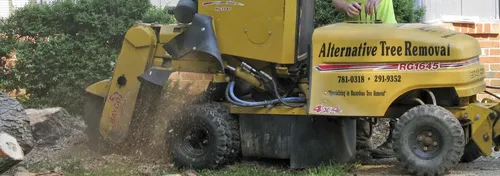
AB Tree Service is a family-owned company based in Raleigh, NC, offering a variety of tree care and landscaping services. They provide tree removal, tree trimming, stump grinding, pruning, and emergency tree services. In addition to tree care, they also specialize in hardscaping, including concrete work and retaining walls. Their team focuses on environmentally responsible practices and personalized solutions for each client. AB Tree Service serves Raleigh and surrounding areas such as Durham, Fayetteville, Cary, and Wilmington.
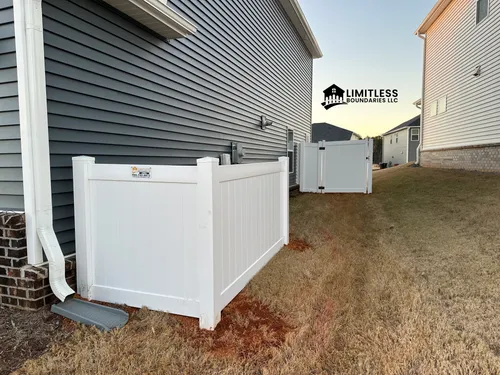
Limitless Boundaries
Raleigh, NC
Limitless Boundaries is a fencing and hardscaping contractor based in Raleigh, NC. They provide residential and commercial fence installation services, including vinyl, wood, aluminum, and chain-link fences tailored to privacy, security, and aesthetic needs. Their work includes measurements, layout, gate placement, and installation to ensure proper fit and function. In addition to fencing, they offer hardscaping services such as stone flower bed edging and custom concrete patios, walkways, and slabs with various finishes. Limitless Boundaries serves Raleigh and nearby areas, helping homeowners, businesses, HOAs, and property managers with durable fencing and outdoor improvements.

Wood Brothers Landscaping
316A Woodhaven Rd, Chapel Hill, NC 27514
Wood Brothers Landscaping is a full-service landscaping and hardscaping company based in Chapel Hill, serving Durham, NC, and nearby areas. They provide residential and commercial landscaping, including sod installation, grading, gravel driveway construction and repair, custom hardscapes like flagstone pathways and retaining walls, tree and shrub installations, and land clearing. Their expertise includes gravel driveway grading and drainage solutions such as piping and culverts. The company serves both homes and businesses, maintaining commercial properties including hotels in the region. Wood Brothers Landscaping works closely with clients to design and execute outdoor projects that enhance curb appeal and property value.
Understanding Hardscape Design and Materials
Choosing the right materials is the first step toward a successful outdoor living project. The options available in Raleigh offer a blend of durability, style, and functionality suited to our local environment.
Popular Material Choices:
- Pavers: A versatile and popular choice, concrete pavers come in countless colors, shapes, and textures, offering an affordable and customizable solution for patios and walkways. Brick pavers provide a classic, timeless look with excellent durability.
- Natural Stone: For a unique, high-end appearance, flagstone or veneer stone creates beautiful, irregular patterns for patios, walls, and decorative accents. Its natural beauty is unmatched, though it often comes with a higher price point 1 2.
- Concrete Block & Stone: These are the workhorses for structural elements, especially retaining walls. Engineered concrete blocks and natural boulders are designed for strength and stability, crucial for managing slopes and creating level spaces in your yard.
- Gravel & Crushed Stone: Often used as a permeable base material or for creating informal pathways and drainage solutions, these materials are key for managing water runoff effectively.
Raleigh-Specific Challenges: Soil, Drainage, and Climate
A stunning patio or wall that fails in a few years is a costly disappointment. Raleigh's specific geographic and climatic conditions must be addressed in the planning and installation phases to ensure longevity.
The Clay Soil Factor Much of the Raleigh area sits on Piedmont clay soil, which is expansive-meaning it swells when wet and shrinks when dry. This constant movement can crack and destabilize hardscape installations that lack a properly prepared base. A professional contractor will excavate to the correct depth and install a compacted base of gravel to create a stable, non-shifting foundation, preventing settling and heaving.
Non-Negotiable Drainage Proper drainage is arguably the most critical technical aspect of hardscaping in our region. Without it, water pools on surfaces, erodes materials, and undermines structures. For patios and walkways, a slight slope (typically between 1:4 and 1:8) is essential to direct water away from your home's foundation. For retaining walls and other landscape structures, incorporating drainage pipes and gravel backfill is vital to relieve hydrostatic pressure, which is a leading cause of wall failure 3.
Frost and Slope Considerations While our winters are generally mild, Raleigh does experience freeze-thaw cycles. These cycles can cause damage if materials are not frost-resistant or if water is allowed to freeze within cracks 4 5. Furthermore, many properties in the area have varying slopes. Managing these grades often requires retaining walls or terracing, which adds complexity and cost but is necessary for creating usable flat spaces and preventing erosion.
Find the perfect hardscaping contractors for your needs
Get personalized recommendations and expert advice
Project Spotlight: Patios and Retaining Walls
Two of the most common and impactful hardscaping projects are patios and retaining walls. Each serves a distinct purpose and comes with its own set of considerations.
Creating an Outdoor Room: The Paver Patio A well-built patio extends your living space and becomes a centerpiece for entertainment and relaxation. In Raleigh, a paver patio is a fantastic option due to its durability and design flexibility. The installation process is meticulous, involving site excavation, a compacted gravel base, a leveling sand bed, and the careful placement of each paver 6 7. The final cost is influenced by the paver material chosen, the size and shape of the patio, and the required site preparation to address soil and drainage. In the Raleigh area, you can expect a general price range for a professionally installed paver patio to be between $15 and $25 per square foot, though this can vary with complexity and material selection 8.
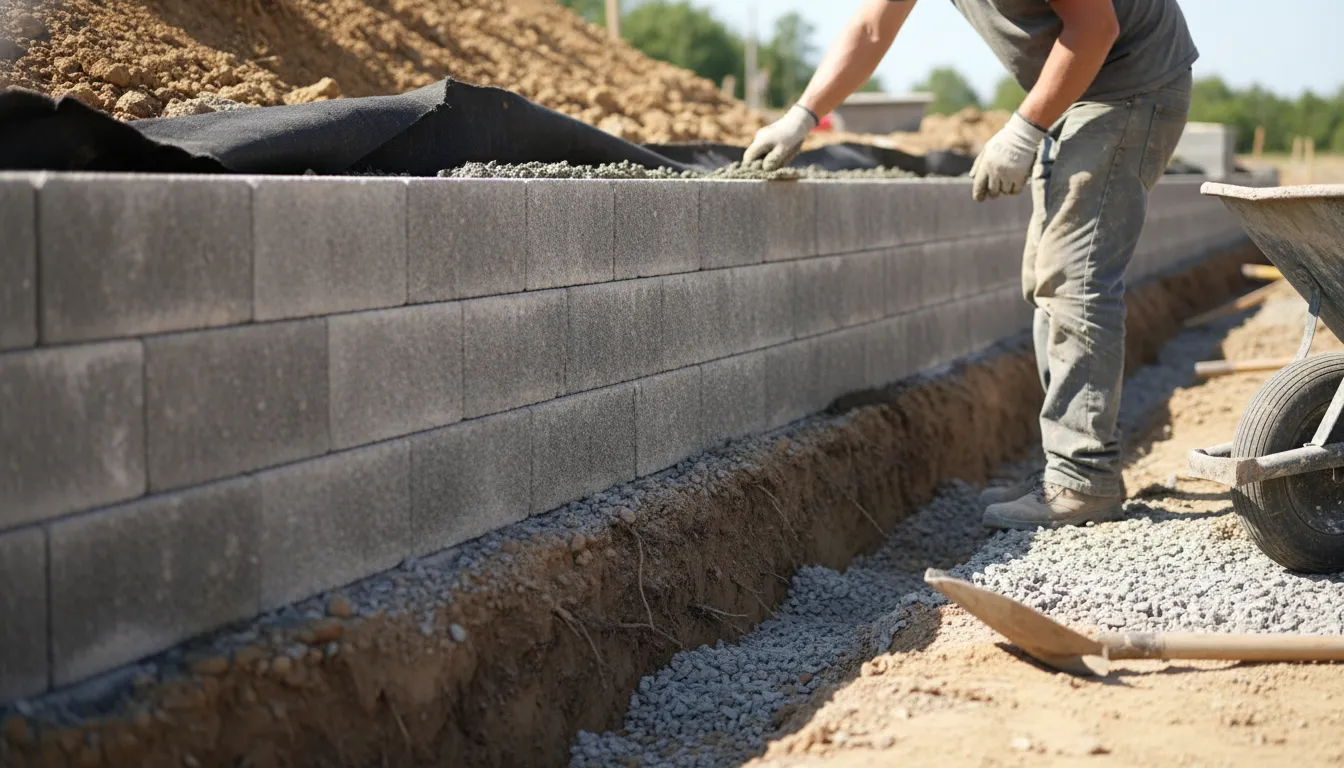
Engineering the Landscape: Retaining Walls Retaining walls are functional art. They solve problems like erosion, steep slopes, and flooding by holding back soil and creating level tiers in your yard. Because they are structural elements, their design and construction require significant engineering knowledge. Factors like wall height, soil type, and drainage needs dramatically influence the design and cost 9 10. A simple, short garden wall will cost far less than a tall, engineered wall needed to hold back a steep slope. Due to this high variability, costs for retaining walls in Greater Raleigh are often discussed in a range from hundreds to over two thousand dollars per linear foot, with site preparation and drainage work being major cost components 10 11.
The Value of Professional Installation
Given the technical challenges posed by Raleigh's environment, DIY hardscaping can be risky. Professional hardscape contractors bring essential expertise to the table:
- Site Evaluation: They assess soil conditions, drainage patterns, and slope to inform the design.
- Proper Engineering: Especially for walls, they ensure the structure is built to handle the weight and pressure of the soil behind it.
- Material Knowledge: They know which local materials perform best in our climate and soil.
- Building Code Compliance: They ensure projects meet any local regulations, particularly for taller retaining walls.
- Long-Term Warranty: Many professionals offer warranties on their workmanship, providing peace of mind.
Investing in professional installation safeguards your investment and ensures your new outdoor feature is safe, stable, and built to last for decades.
Planning Your Hardscape Project
Ready to move forward? Start by defining your goals. Do you need more level space for a grill and dining set? Is erosion ruining part of your yard? Once you have a vision, research local contractors with strong portfolios of completed projects similar to yours. Look for reviews and ask for references. When you consult with a few professionals, they can provide detailed quotes that break down material costs, labor, and the critical site preparation work. This due diligence will help you find a partner who can navigate Raleigh's unique hardscaping challenges and deliver a beautiful, enduring result.
Frequently asked questions
Sources
Footnotes
-
Top 10 Hardscaping Ideas on a Budget for NC Residents - https://martinezlandscapinghardscape.com/blog/top-10-hardscaping-ideas-on-a-budget-for-nc-residents/ ↩
-
Hardscape Materials & Installation in Raleigh, NC - https://peerlessblock.com/transform-your-outdoor-space-in-raleigh-with-the-best-hardscape-materials/ ↩
-
Yard Drainage Solutions for your Raleigh Home - https://redwoodlanddesign.com/yard-drainage-solutions/ ↩
-
Hardscaping Raleigh, NC - https://huntscapes.com/landscaping-raleigh-nc/hardscapes/ ↩
-
Hardscaping Raleigh Durham NC - Marble Botanics - https://marblebotanics.com/hardscaping ↩
-
The Ultimate Guide to Building a Paver Patio for Your Raleigh, North ... - https://comeyercc.com/the-ultimate-guide-to-building-a-paver-patio-for-your-raleigh-north-carolina-home/ ↩
-
How-To Install Pavers THE BEST DESIGN FOR YOU AND YOUR YARD - https://www.willamettegraystone.com/pdf/Pavers_How_To_Install.pdf ↩
-
How Much Does a Paver Patio Cost in Greater Raleigh NC? - https://jerniganlandscaping.com/how-much-does-a-paver-patio-cost-in-greater-raleigh/ ↩
-
Retaining Walls Raleigh NC | Block & Boulder Wall Builder - https://jerniganlandscaping.com/landscape/retaining-walls/ ↩
-
How Much Does a Retaining Wall Cost in Greater Raleigh? - https://jerniganlandscaping.com/how-much-does-a-retaining-wall-cost-in-greater-raleigh/ ↩ ↩2
-
How Much Does a Retaining Wall Cost in Raleigh, NC? - https://retainingwallsofraleigh.com/retaining-wall-cost-raleigh/ ↩