Find the Best Hardscaping Contractors for Your Business
No obligation • Fast responses • Nationwide coverage

Why you can trust Landscape Atlas
Landscape Atlas is a leading United States resource for evaluating landscaping, lawn care, and outdoor service providers. Our team researches each category in depth, focusing on service quality, safety, and customer experience. Listings and rankings are based on independent criteria and user feedback, and companies cannot pay to influence our assessments or recommendations.
Search providers near you
Top Hardscaping Contractors in Pittsburgh, Pennsylvania Ranked
Transforming your Pittsburgh property with stone, pavers, and concrete is about more than just beauty-it's about building resilience. Hardscaping, the non-living elements of your landscape, creates functional outdoor living spaces like patios, walkways, and retaining walls that must withstand our unique climate and topography. This guide helps you understand the critical considerations for Pittsburgh hardscape projects and connects you with local expertise to ensure your investment is safe, durable, and compliant with local codes.
E2 Landscape & Construction
1846 Louisville Lane, Sewickley, PA 15143
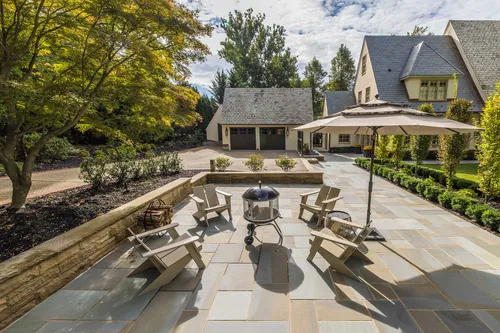
E2 Landscape & Construction is a landscape design and construction company based in Pittsburgh, PA. They specialize in creating custom outdoor living spaces, including patios, pools, decks, and exterior hardscapes. The company emphasizes a design-first approach, working closely with clients to develop tailored plans that fit their lifestyle and site conditions. Serving the greater Pittsburgh area, E2 Landscape & Construction offers comprehensive project management and craftsmanship focused on quality and customer satisfaction.
Mac's Mowing
424 London Ave, North Versailles Township, PA 15137
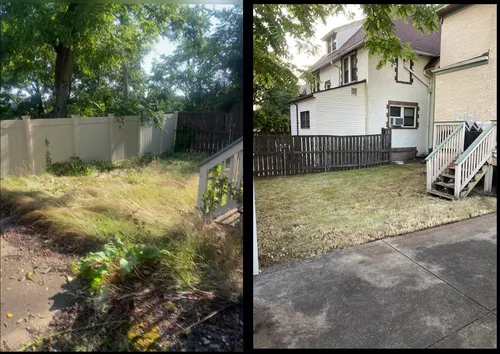
Mac's Mowing is a licensed and insured landscaping company based in Pittsburgh, PA. They offer a range of services including lawn care, landscaping, hardscaping, and landscape lighting for both residential and commercial properties. With over seven years of experience, Mac's Mowing provides tailored outdoor solutions such as lawn maintenance, paver installation, retaining walls, and outdoor lighting to enhance property appearance and functionality.
A&J Lawn Pros LLC
Pittsburgh, PA
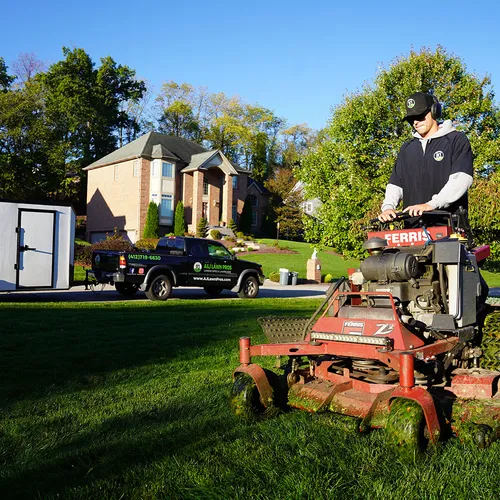
A&J Lawn Pros LLC is a landscaping and lawn care company based in Pittsburgh, PA. They offer a wide range of outdoor services including lawn mowing, fertilization, weed control, landscape design, hardscaping with patios and retaining walls, yard drainage, land clearing, and holiday lighting installation. Their team also handles commercial and residential property maintenance, excavation, and grading projects. The company is licensed and insured, emphasizing safety and professionalism in their work. They provide personalized consultations and use commercial-grade equipment to maintain lawns and outdoor spaces.
UNITED LAWNSCAPE GROUP LLC
5463 Horning Rd, Pittsburgh, PA 15236
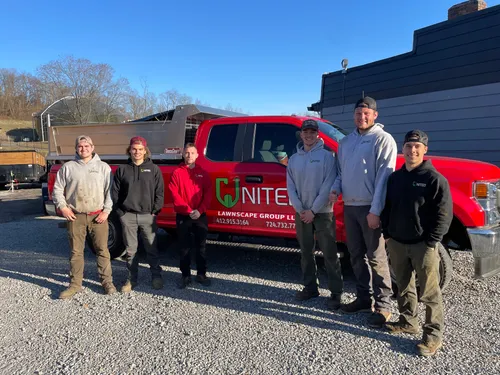
UNITED LAWNSCAPE GROUP LLC is a landscaping and lawn care company based in Pittsburgh, PA. They offer services including lawn mowing, landscape design, hardscaping, and retaining wall installation. With over 10 years of experience, they handle projects ranging from residential gardens to large commercial properties. Their team focuses on creating customized outdoor spaces using quality materials and industry techniques to ensure lasting results.
Dream Greener Lawn & Landscape
4991 Library Rd, Bethel Park, PA 15102
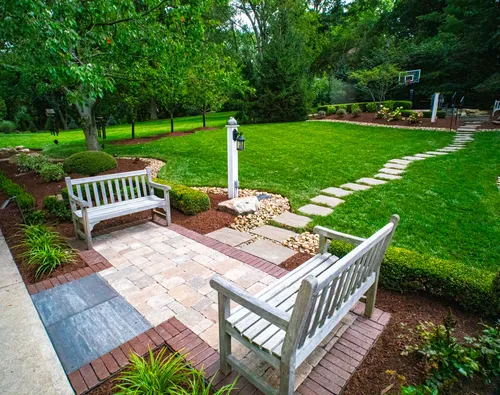
Dream Greener Lawn & Landscape is a comprehensive lawn care and landscaping company serving Pittsburgh, PA, and nearby communities. They offer a wide range of services including lawn fertilization, weed control, sod installation, landscape lighting, tree services, yard drainage, hardscaping, and landscape design. The company operates with a science-based approach to lawn and plant health, supported by their own plant nursery and materials stock, which helps ensure quality and timely project completion. Founded in 2013 by Jon Stanton, a nationally recognized turf specialist, Dream Greener Lawn & Landscape combines expert knowledge with advanced technology to provide personalized and environmentally conscious outdoor solutions. Their team includes certified arborists and licensed technicians, and they emphasize ongoing monitoring and integrated pest management to maintain healthy landscapes.
Why Pittsburgh Presents Unique Hardscaping Challenges
Pittsburgh's character is defined by its rolling hills, clay-rich soils, and distinct four-season climate. These very features that make our city beautiful also demand specialized approaches to landscape construction. A successful patio, wall, or pathway here isn't just installed; it's engineered to combat specific environmental forces. The primary challenges local hardscaping contractors must address are freeze-thaw cycles, sloping terrain, and drainage issues inherent to our clay soils.
Freeze-Thaw Cycles: Our winters subject hardscape materials to constant expansion and contraction as water seeps into pores and then freezes. This can crack concrete, heave pavers, and destabilize walls if they aren't built with deep, properly compacted bases and frost footings below the freeze line. Choosing materials rated for freeze-thaw durability is non-negotiable.
Sloping Terrain: Much of Pittsburgh is built on hillsides. This often makes retaining walls, terracing, and tiered designs not just aesthetic choices but essential structural elements for creating usable, level outdoor spaces and preventing soil erosion. The engineering behind a retaining wall on a South Hills slope is fundamentally different from one on flat ground.
Clay Soils & Drainage: Prevalent in areas like the South Hills, clay soil expands when wet and contracts when dry, leading to shifting and settling. It also drains poorly, making integrated drainage systems-like French drains, weep holes in walls, and careful grading-a critical component of any project to direct water away from structures and prevent pooling 1.
Essential Materials for Durable Pittsburgh Hardscapes
Selecting the right materials is the first step toward a long-lasting installation. Local professionals prioritize durability, stability, and permeability to handle Pittsburgh's conditions.
- Natural Stone: Flagstone, bluestone, and granite offer a timeless, elegant look for patios and walkways. Their natural density often provides excellent durability against the elements. Dry-laid stone walls and patios also allow for better water permeability than solid concrete 2.
- Concrete Pavers & Blocks: This is a highly versatile and popular choice. Modern interlocking concrete pavers for patios and segmental retaining wall (SRW) blocks are engineered for strength and often include built-in drainage channels. They come in a vast array of colors and textures to mimic natural stone 3 4.
- Brick: Offers a classic, warm aesthetic for pathways and patios. For longevity in our climate, brick must be installed over a perfectly prepared and compacted base to prevent movement and cracking.
- Reinforced Concrete: Used for poured concrete patios and, more critically, for structural retaining walls that require significant strength to hold back large amounts of earth or for engineered solutions on steep slopes.
Key Project Types & Structural Considerations
Retaining Walls: More Than Just Holding Back Dirt
In Pittsburgh, a retaining wall is often a necessary structural solution. They are categorized by their construction method:
- Gravity Walls: Rely on their own mass and weight to hold back soil. These are suitable for shorter walls (typically under 4 feet) and can be built with heavy blocks or stone.
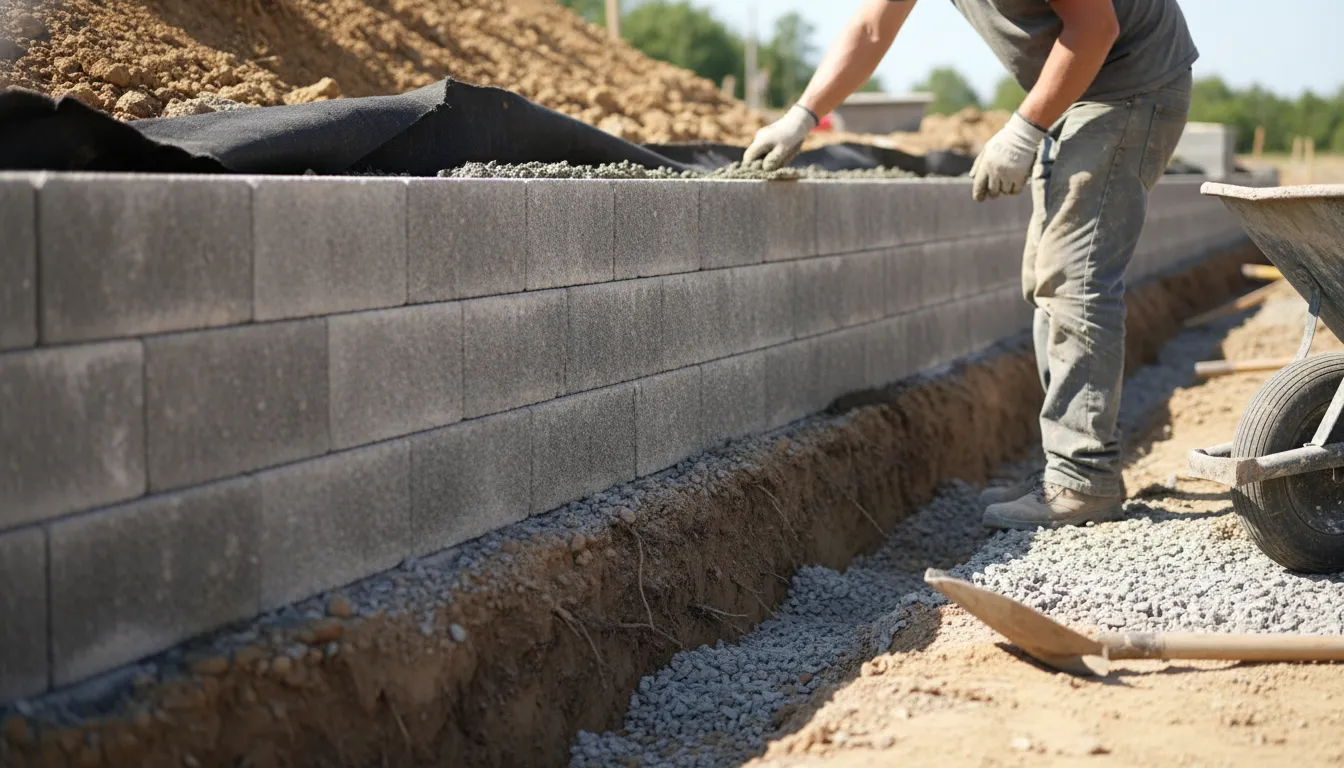
- Reinforced/Anchored Walls: Required for taller or more heavily loaded applications. These use geogrid (synthetic mesh) reinforcement buried in the soil behind the wall or other engineering to create a stable, unified mass. Crucially, in Pittsburgh, any retaining wall over 4 feet in height generally requires a building permit from the city to ensure it meets safety and drainage codes.
Patios & Walkways: Creating Level Living Space
Whether using pavers or stone, the key to a permanent, unshifting patio is the base. A typical specification involves excavating 6-12 inches, installing a compacted sub-base of crushed limestone or gravel, followed by a leveling layer of sand or stone dust. This base must be properly sloped (usually a 1-2% grade) to ensure surface water runs off away from your home 5.
Integrated Drainage: The Invisible Essential
No hardscape project in Pittsburgh is complete without a drainage plan. This can include:
- French Drains: Perforated pipes buried in gravel to collect and redirect subsurface water.
- Weep Holes: Openings at the base of a retaining wall to release hydrostatic pressure.
- Strategic Grading: Shaping the land to direct surface runoff away from foundations and toward appropriate discharge points 6 7.
Find the perfect hardscaping contractors for your needs
Get personalized recommendations and expert advice
Understanding Investment & Cost Factors
The cost of hardscaping in Pittsburgh varies significantly based on the project's complexity, which is often higher here than in flatter regions. Prices reflect the necessary engineering, material quality, and labor for a climate-resistant build.
- Patios: Concrete paver patios often range from $15 to $30+ per square foot, while natural stone patios can range from $25 to $50+ per square foot. The final price depends on material choice, pattern complexity, site accessibility, and the extent of base preparation needed 8.
- Walkways: Simpler gravel or basic paver paths are less expensive, while intricate stone designs or installations on difficult slopes will increase the cost.
- Retaining Walls: This is where costs can vary most. A short, gravity-style wall has a lower per-linear-foot cost. A tall, reinforced wall requiring geogrid, deep footings, and complex drainage can be a major investment. Always budget an additional 20-30% for essential site work, excavation, and drainage systems, which can add hundreds to thousands of dollars to the total project cost 9 10.
The primary cost drivers are wall height/length, site access difficulty, drainage requirements, material selection, and design complexity. Given these variables, obtaining detailed, site-specific quotes from qualified local contractors is essential.
The Value of Professional Installation
While DIY hardscaping is tempting, Pittsburgh's challenges make professional installation a wise investment for most projects. Certified hardscape contractors and masons understand local building codes and permit requirements, especially for structural walls 11 12. They have the experience to properly engineer solutions for slopes and drainage, ensuring the structure's longevity and your property's safety. Their work typically comes with a warranty, protecting you against future failures due to installation error. Most importantly, they ensure the project is built to last against Pittsburgh's relentless freeze-thaw cycles and heavy rains, safeguarding your property value and enjoyment for years to come 13 14.
Frequently asked questions
Sources
Footnotes
-
Erosion Control in Pittsburgh - Stockman Lawnscape - https://stockmanlawnscape.com/erosion-control-pittsburgh/ ↩
-
Top Hardscaping Trends in Pittsburgh: Transform Your Outdoor ... - https://www.omnipropittsburgh.com/index.php/hardscaping-101/planning/top-hardscaping-trends-in-pittsburgh-transform-your-outdoor-space-in-style/ ↩
-
Combining Hardscaping and Water Features for Maximum ... - https://www.grammoutdoor.com/combining-hardscaping-and-water-features-for-maximum-impact-in-pittsburgh-landscapes ↩
-
Quick Guide to Hardscaping in Pennsylvania - Maust Landscaping - https://maustlandscaping.com/guide-to-hardscaping/ ↩
-
Gramm Outdoor: Pittsburgh Landscape Contractor - https://www.grammoutdoor.com/ ↩
-
Inspiration For Your Next Hardscape Project - Gramm Outdoor - https://www.grammoutdoor.com/inspiration-for-your-next-hardscape-project ↩
-
Maximizing Your Yard's Aesthetics with Drainage Solutions - https://www.pittsburghdrainguys.com/maximizing-your-yard-s-aesthetics-with-strategic-drainage-solutions ↩
-
Hardscaping in Mt. Lebanon & Pittsburgh | Dream Greener - https://dreamgreener.com/mt-lebanon-pa/landscape-installation/hardscapes/ ↩
-
Cost Analysis of Building a Retaining Wall in Pittsburgh - https://pittsburghretainingwallcontractors.com/cost-analysis-of-building-a-retaining-wall-in-pittsburgh/ ↩
-
The Ultimate Guide to Retaining Walls in Pittsburgh: Build ... - https://northpennnow.com/news/2025/may/28/the-ultimate-guide-to-retaining-walls-in-pittsburgh-build-smart-build-strong/ ↩
-
Building on a Slope in Pittsburgh: What You Should Know - https://prime1builders.com/building-on-a-slope-pittsburgh/ ↩
-
Impact of Retaining Walls on Pittsburgh's Erosion and Drainage - https://pittsburghretainingwallcontractors.com/impact-of-retaining-walls-on-pittsburghs-erosion-and-drainage/ ↩
-
Designing Retaining Walls for Pittsburgh's Climate - https://pittsburghretainingwallcontractors.com/designing-retaining-walls-for-pittsburghs-climate/ ↩
-
Blog - Pittsburgh Retaining Wall Contractors - https://pittsburghretainingwallcontractors.com/blog/ ↩