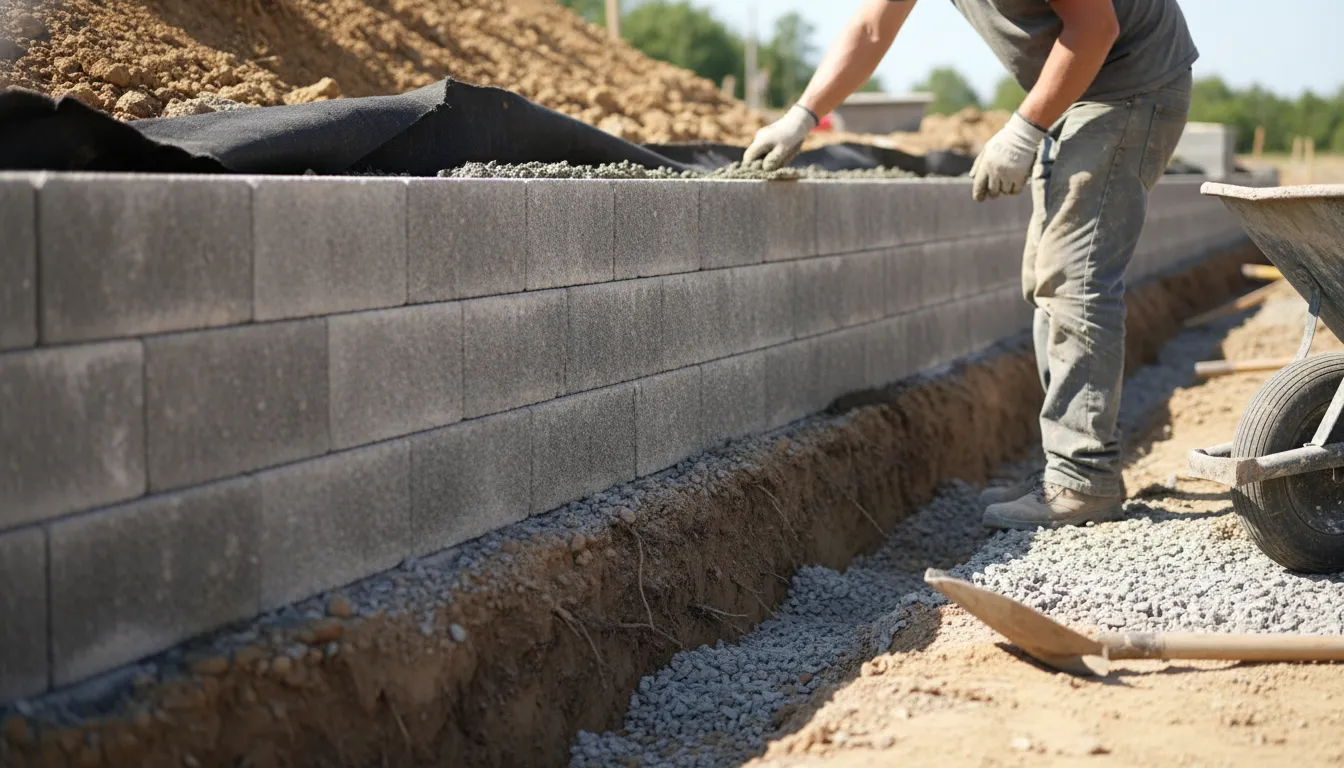
Find the Best Hardscaping Contractors for Your Business
No obligation • Fast responses • Nationwide coverage

Why you can trust Landscape Atlas
Landscape Atlas is a leading United States resource for evaluating landscaping, lawn care, and outdoor service providers. Our team researches each category in depth, focusing on service quality, safety, and customer experience. Listings and rankings are based on independent criteria and user feedback, and companies cannot pay to influence our assessments or recommendations.
Search providers near you
Top Hardscaping Contractors in North Richland Hills, Texas Ranked
Transforming your outdoor space with permanent, non-living features is a significant investment that enhances your property's beauty, functionality, and value. Hardscaping, which includes elements like patios, walkways, and retaining walls, creates the essential framework for your landscape. In North Richland Hills, successful outdoor living projects require specialized knowledge of local soil conditions and climate challenges. This guide will help you understand the key considerations for your project and how to connect with experienced local professionals who can bring your vision to life.
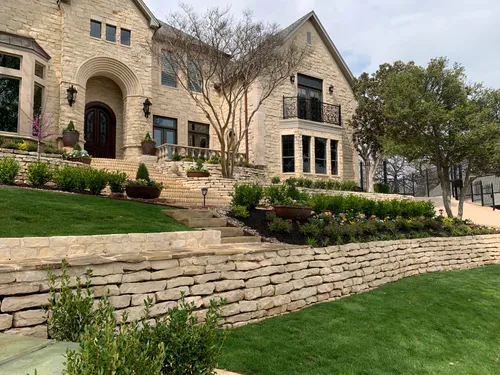
Landscape Express
2801 Justin Rd Building 100, Flower Mound, TX 75028
Landscape Express is a full-service landscaping company based near Fort Worth, TX. They offer a wide range of services including lawn mowing, fence installation, landscape lighting, tree care, sprinkler system installation and repair, hardscaping, and landscape design. The company serves residential, commercial, property management, and HOA clients, providing custom designs and installations for outdoor living spaces, retaining walls, walkways, and irrigation systems. Landscape Express has been operating for over five years and is a second-generation family business, emphasizing community ties and customer satisfaction.
Hernandez Lawn Service
Plano, TX
Hernandez Lawn Service is a landscaping contractor based in Plano, TX, offering a wide range of services for residential and commercial properties. Their expertise includes landscape design, flower bed installation and maintenance, stonework such as patios and retaining walls, irrigation system design and installation, and land clearing to prepare sites for new landscaping projects. The company emphasizes customized solutions to meet client preferences and property needs, ensuring efficient water use and durable hardscape features. Hernandez Lawn Service also serves several surrounding areas, including Dallas, Frisco, and McKinney, TX.
Bird's Landscape and Irrigation LLC
Fort Worth, TX
Bird's Landscape and Irrigation LLC is based in Fort Worth, TX, providing a range of landscaping and irrigation services. They specialize in irrigation and drainage system design and installation, including gravity propelled and sump pump powered water management. The company also offers sod installation, landscape lighting, hardscaping, and sprinkler system services for both residential and commercial properties. With over 24 years of experience, Bird's Landscape and Irrigation delivers expert solutions focused on improving yard appearance and home curb appeal.
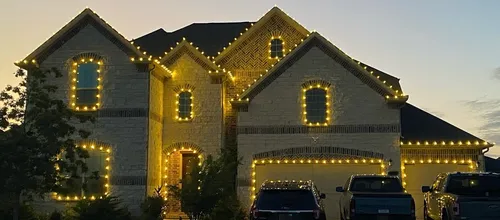
Landscape Legends & Holiday Lighting
Fort Worth, TX
Landscape Legends & Holiday Lighting is a landscaping and lawn care company based in Fort Worth, TX. They provide a wide range of services including lawn mowing, weed control, fertilization, shrub and tree trimming, landscape lighting installation, hardscaping, irrigation system installation and repair, and seasonal clean-ups. The company is known for personalized service and eco-friendly practices, tailoring projects to the unique needs of each client. They have been serving the area for over five years and also offer holiday lighting installation.
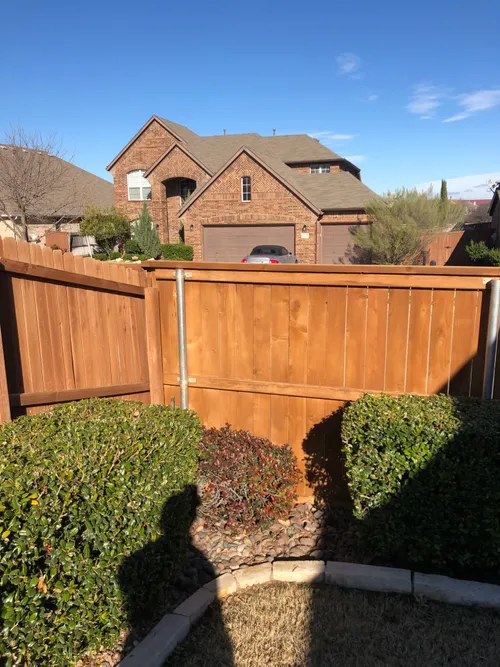
Grizzly Fence and Patio LLC
Fort Worth, TX
Grizzly Fence and Patio LLC is a general contractor based in Fort Worth, TX, specializing in custom fencing and patio cover solutions for both residential and commercial clients. They offer a range of services including fence installation, patio construction, and hardscaping features such as pavers and retaining walls. With over 15 years of experience, Grizzly Fence and Patio emphasizes quality craftsmanship backed by warranties covering lumber, workmanship, and gate adjustments.
Understanding North Richland Hills' Unique Hardscape Environment
The success of any landscape construction project in North Texas hinges on understanding and adapting to the local environment. Unlike other regions, the primary challenges here are not deep frost or extreme cold, but the very ground beneath your feet and the way water interacts with it.
The Challenge of Expansive Clay Soil
The predominant soil type in North Richland Hills is part of the Blackland Prairie region, characterized by dense, expansive clay 1. This clay has a high plasticity index, meaning it swells significantly when it absorbs water and shrinks during hot, dry periods 2. This constant cycle of expansion and contraction exerts tremendous pressure on any structure built upon or within it, including hardscape installations 3.
For homeowners, this means that a patio, walkway, or retaining wall installed without proper preparation is at high risk for shifting, cracking, and settling. The soil movement can undermine the structural integrity of the installation, leading to uneven surfaces, trip hazards, and costly repairs 4. This is why proper site preparation and engineering are not just best practices in NRH-they are absolute necessities for a durable outdoor living space.
Managing Water and Drainage
Closely tied to the soil issue is drainage. Clay soil absorbs water very slowly, leading to rapid surface runoff during the heavy rains common in Texas 5. Without proper planning, this water can pool against your home's foundation, erode slopes, or simply sit on your new patio, causing damage and creating a muddy mess 6.
Effective water management is a cornerstone of professional hardscape design here. Solutions must be integrated from the start, including:
- Proper Grading: Ensuring the land slopes away from structures at a minimum of 1/4 inch per foot to direct water flow.
- Robust Sub-Base: Installing a thick, compacted layer of gravel or structural fill beneath pavers or concrete to provide a stable, well-draining foundation 7.
- Integrated Drainage Systems: Incorporating solutions like French drains, channel drains, or swales to capture and redirect subsurface and surface water away from critical areas.
Slope, Frost, and Wind Considerations
While frost depth is a major concern in northern states, it is minimal in North Texas. Footings for structures like pergolas or deck posts typically only need to be 12 inches deep or less for general stability, well below any potential frost line 8 9. This simplifies some aspects of construction.
A more significant local concern is slope. Many properties in the area have elevation changes. A sloped yard presents opportunities for stunning multi-level designs but requires careful planning to prevent erosion and manage water runoff 10. Terracing with engineered retaining walls is a common and effective method to create usable flat spaces while stabilizing the hillside 11.
Finally, wind is a factor often considered for taller hardscape features like privacy screens, pergolas, or fences, requiring secure anchoring and durable materials to withstand strong gusts 12.
Popular Hardscape Materials for Durability and Style
Choosing the right materials is about balancing aesthetics, budget, and longevity in the local climate. Professionals in North Richland Hills select materials known for their ability to withstand heat, UV exposure, and soil movement.
Patios and Walkways
These surfaces form the foundation of outdoor living. Popular choices include:
- Poured Concrete: A cost-effective and versatile option. It can be stamped, stained, or scored to mimic more expensive materials. Its monolithic nature can help resist shifting, but control joints must be properly placed to manage cracking.
- Concrete or Brick Pavers: Extremely popular for their durability, design flexibility, and ease of repair. Individual pavers can settle slightly with soil movement without cracking, and they can be lifted and re-leveled if necessary. They also allow for excellent drainage through the joints 13 14.
- Natural Stone (Flagstone, Bluestone): Offers a premium, timeless look with unique color and texture variations. Natural stone like flagstone is very durable but typically comes at a higher cost and requires a skilled installer for proper setting 15 16.
Retaining Walls and Vertical Structures
Walls serve both functional and aesthetic purposes, from holding back soil to creating raised planting beds.
- Manufactured Retaining Wall Blocks: Engineered for strength and interlocking stability. These systems are designed with built-in setbacks and often include options for proper drainage behind the wall, which is critical for longevity in clay soil.
- Natural Stone or Boulders: Provides a rugged, organic appearance. Dry-stacked stone walls or anchored boulder walls are beautiful but require significant skill to construct properly to handle soil pressure.
- Cast-in-Place Concrete: Used for the most robust, structural retaining walls, often on larger commercial projects or steep residential slopes where maximum strength is required.
Other Materials and Finishing Touches
- Gravel and Decomposed Granite: Ideal for low-maintenance pathways, dog runs, or drainage areas. When installed over a landscape fabric and proper base, they provide excellent permeability and a casual aesthetic.
- Lighting and Furnishings: Integrating low-voltage LED lighting into steps, walls, and pathways extends the usability of your hardscape into the evening and enhances safety. The selection of durable outdoor furniture and accessories completes the living space.
Find the perfect hardscaping contractors for your needs
Get personalized recommendations and expert advice
Planning and Executing Your Hardscape Project
A well-planned project is a successful project. Before breaking ground, consider these essential steps.
Design and Vision
Start with a clear vision. How do you want to use the space? Entertaining large groups? A quiet retreat? Family dining? Consider traffic flow, sun exposure, and how the new space connects to your home's interior. Many professional contractors offer design services to create a cohesive plan that integrates drainage, material selection, and structural requirements from the outset 17.
Understanding Costs and Budgeting
Hardscaping costs in North Richland Hills vary widely based on materials, project complexity, site accessibility, and the extent of necessary site preparation (like soil correction or drainage work) 18 19. Here are general estimated price ranges for common projects:
- Patios:
- Poured Concrete: $5 - $12 per square foot.
- Concrete or Brick Pavers: $10 - $25 per square foot.
- Natural Stone (Flagstone): $15 - $30+ per square foot 20 21.
- Walkways:
- Poured Concrete: $5 - $10 per square foot.
- Pavers or Stone: $12 - $28+ per square foot.
- Retaining Walls:
Remember, the lowest bid is not always the best value. A proper installation with adequate base material, drainage, and skilled labor may cost more upfront but will save money on repairs and replacements down the line 24 25.
The Importance of Professional Installation
Given the local soil challenges, professional installation is critical. A qualified contractor will:
- Conduct a thorough site evaluation, assessing soil conditions, slope, and drainage patterns.
- Prepare a detailed plan that includes engineering for retaining walls over a certain height and specifications for sub-base depth and material.
- Execute proper excavation and sub-base preparation, which is the most crucial phase for longevity. This involves removing unstable soil, compacting the ground, and installing and compacting layers of gravel base.
- Install integrated drainage where needed, such as perforated pipe and gravel behind retaining walls or channel drains within patio surfaces.
- Use precise installation techniques for the chosen material, ensuring level surfaces, proper jointing, and secure anchoring.
- Obtain necessary permits if the project involves structural walls, significant grade changes, or is within city easements.
Maintaining Your Hardscape Investment
Once your project is complete, proper maintenance will keep it looking beautiful and functioning well for years to come.
- Regular Cleaning: Sweep surfaces regularly and wash with a garden hose or pressure washer (on a low setting for pavers to avoid displacing joint sand).
- Weed Control: Re-sand paver joints as needed to prevent weeds from taking root. Use polymeric sand for a more durable, weed-resistant seal.
- Drainage Inspection: After heavy rains, check that water is flowing away from structures and that drain inlets are not clogged with debris.
- Sealing (Optional): Applying a sealant to concrete or natural stone can enhance color and provide some protection against stains, though it is not always necessary. Consult with your installer for recommendations.
- Winter (Minimal): While freeze-thaw cycles are not severe, it's still wise to avoid using harsh ice melt chemicals on certain surfaces, as they can cause spalling or discoloration.
Frequently asked questions
Sources
Footnotes
-
How Soil Type Can Impact Your Foundation - https://pinnaclefoundationrepair.com/how-soil-type-can-impact-your-foundation/ ↩
-
How Soil Composition in Dallas-Fort Worth Affects the Need ... - https://www.borrow-pit.com/how-soil-composition-in-dallas-fort-worth-affects-the-need-for-select-fill/ ↩
-
Clay Soil Cracking Problems In Dallas Foundations - https://glhunt.com/location/dallas-tx/clay-soil-cracking-problems-in-dallas-foundations/ ↩
-
Expansive Clay Soil Environments | Blog - https://www.structuredfoundation.com/preventing-foundation-problems-in-expansive-clay-soil-environments/ ↩
-
Runoff Processes - Section Four: Soil Properties - https://www.faculty.luther.edu/~bernatzr/RainfallRunoff/comet/hydro/basic/Runoff/print_version/04-soilproperties.htm ↩
-
How Poor Gutter Drainage Can Lead to Foundation Problems | - https://amshieldcorp.com/how-poor-gutter-drainage-can-lead-to-foundation-problems/ ↩
-
Landscape Drainage Solutions for North Texas - https://www.solvidalandscaping.com/landscape-drainage-solutions-for-north-texas/ ↩
-
Frost Depth by State for Footing Design - https://www.apexpergola.com/frost-depth ↩
-
Understanding Frost Depth Requirements for Deck Footings ... - https://redifooting.com/understanding-frost-depth-requirements-for-deck-footings-across-the-united-states ↩
-
How to Prevent Soil Erosion in Your South Texas Landscape - https://fischerlandscapingusa.com/how-to-prevent-soil-erosion/ ↩
-
When Too Much Slope Becomes a Problem in Magnolia, TX ... - https://archerlawns.com/when-too-much-slope-becomes-a-problem-in-magnolia-tx-landscapes-slope/ ↩
-
Preferred depth in north Texas? 18 inches??? It's 6 ... - Reddit - https://www.reddit.com/r/FenceBuilding/comments/1g5tvbq/preferred_depth_in_north_texas_18_inches_its_6/ ↩
-
Choosing the Right Materials for Hardscape Projects in Texas - https://letusdoitlandscaping.com/choosing-the-right-materials-for-hardscape-projects-in-texas/ ↩
-
St. Louis Paver ROI Guide | Real Costs & Value by Surface - https://rwpsllc.com/are-pavers-worth-it-st-louis/ ↩
-
North Richland Hills, TX Hardscape Construction - BrightView - https://www.brightview.com/local/north-richland-hills-tx/hardscape-construction ↩
-
Landscape Hardscapes 101 - https://lisalapaso.com/2021/10/29/landscape-hardscapes-101/ ↩
-
Ultimate Homeowner's Guide to Hardscaping Projects - https://www.groundsource.pro/blog/homeowners-guide-planning-successful-hardscaping-project ↩
-
Best Landscaping Materials: Pros, Cons & Costs (2025 Guide) - https://www.jovaklandscape.com/learning-centre/best-landscaping-materials-pros-cons-costs-2025-guide/ ↩
-
Tips to Budget for Your Hardscape Project Effectively - https://outdoormakeover.net/budget-tips-for-hardscape-projects/ ↩
-
Best Drainage Solutions for Sloped Yards in Texas - https://www.limitlesslandscapingtx.com/blog/best-drainage-solutions-for-sloped-yards-in-texas ↩
-
Decoding the Costs of Hardscaping: Understanding Expenses, Materials, and Design Factors - https://www.needforbuild.com/exploring-the-costs-of-hardscaping-a-comprehensive-guide/ ↩
-
Enhance Your Landscape with Retaining Walls in North ... - https://www.hillmanoutdoorliving.com/retaining-walls-in-north-richland-hills-tx ↩
-
What is Hardscaping? - Unilock - https://unilock.com/what-is-hardscaping/ ↩
-
Hardscape Install: 10 Proven Steps for Powerful Success 2025 - https://maslandscaping.com/hardscape-install/ ↩
-
Professional Driveway Construction & Installation - Maxwell Landscaping - https://maxwelllandscapeconstruction.com/professional-driveway-construction-installation/ ↩