Find the Best Hardscaping Contractors for Your Business
No obligation • Fast responses • Nationwide coverage

Why you can trust Landscape Atlas
Landscape Atlas is a leading United States resource for evaluating landscaping, lawn care, and outdoor service providers. Our team researches each category in depth, focusing on service quality, safety, and customer experience. Listings and rankings are based on independent criteria and user feedback, and companies cannot pay to influence our assessments or recommendations.
Search providers near you
Top Hardscaping Contractors in Kenosha, Wisconsin Ranked
Transforming your outdoor space with permanent structures like patios, walkways, and retaining walls requires specialized expertise, especially in Kenosha. Hardscaping, or landscape construction, adds significant value, function, and beauty to your property but must be designed to withstand our unique climate and soil conditions. This guide will help you understand the critical considerations for your project and how to connect with skilled local professionals who can bring your vision to life.
Stone Oak Landscapes LLC
1930 E Norse Ave, Cudahy, WI 53110
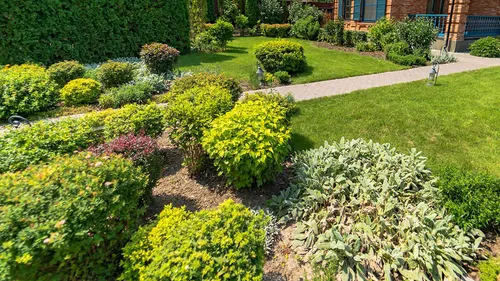
Stone Oak Landscapes LLC is a landscape design and hardscaping company serving Milwaukee, WI, and the surrounding Southeastern Wisconsin area. Established in 1989, the company offers a range of landscaping services including landscape architecture, design, and installation. They specialize in hardscaping features such as pavers and retaining walls, combining creative ideas with attention to detail to create outdoor spaces that complement home architecture. Stone Oak Landscapes LLC is a member of the American Society of Landscape Architects (ASLA) and provides warranties on their work.
Jem Lawn Care
Milwaukee, WI
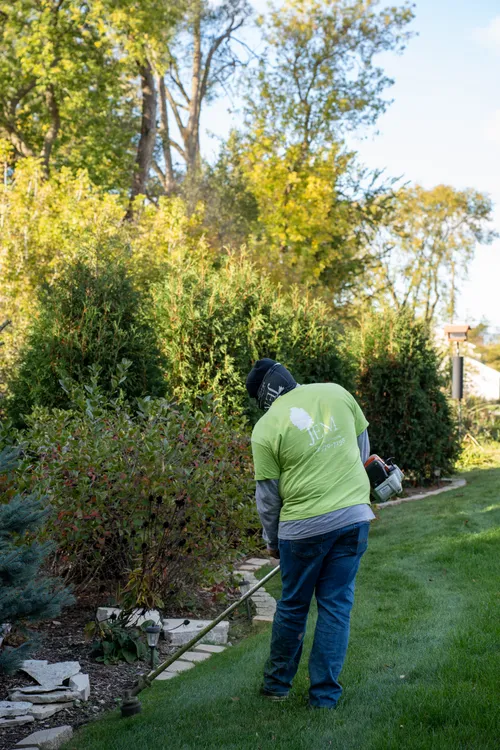
Jem Lawn Care is a lawn care and landscaping company based in Milwaukee, WI. They offer a range of services including weekly lawn maintenance, bed and shrub care, landscape design and installation, stonework, as well as fertilization and weed control programs. Their team provides customized nutrient applications and targeted weed treatments to maintain healthy and attractive lawns and gardens. Jem Lawn Care serves residential and commercial properties and extends service to nearby communities such as Caledonia, Oak Creek, and Franklin.
Ross Landcare
8420 Hwy V, Caledonia, WI 53108
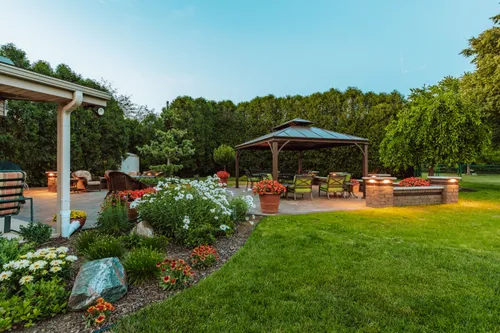
Ross Landcare is a landscaping company based in Milwaukee, WI, serving Southeast Milwaukee County and Racine County. Since 2010, they have offered landscape design, installation, and maintenance services for both residential and commercial clients. Their work includes creating patios, custom outdoor fire pits, hardscaping features like retaining walls and pavers, as well as outdoor lighting installation to enhance landscapes. Ross Landcare combines creativity and craftsmanship to deliver durable and visually appealing outdoor spaces.
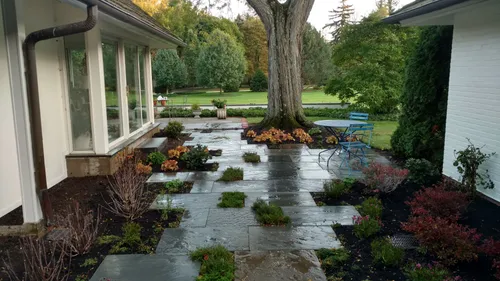
National Brick Paver & Stone Co., Inc.
2704 Logan St, Highland Park, IL 60035
National Brick Paver & Stone Co., Inc. is a hardscaping contractor based in Chicago, IL, specializing in pavers and retaining walls. They serve a wide range of suburbs throughout the Chicagoland area, including Lake Forest, Winnetka, Highland Park, and many others. Their expertise includes the installation of durable brick pavers and well-constructed retaining walls, providing functional and aesthetic outdoor solutions.
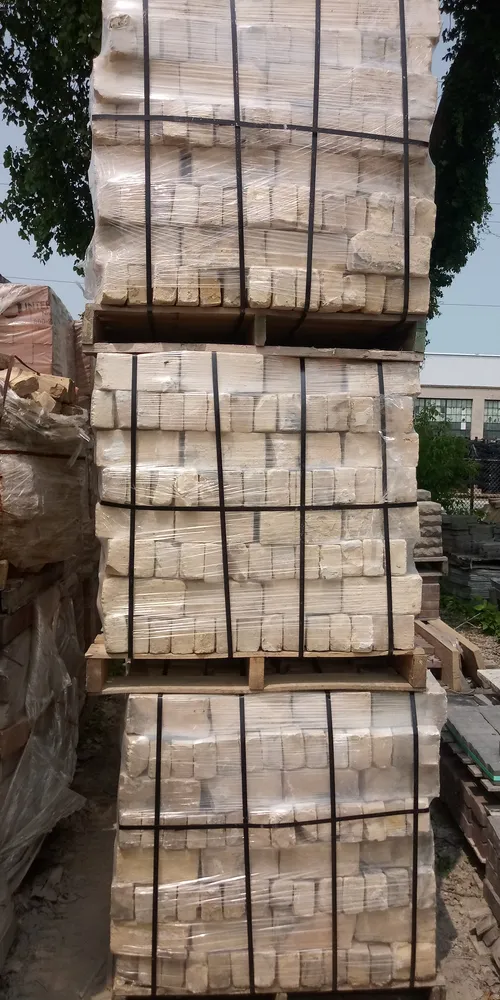
The Brickyard Inc
3352 S Clement Ave, Milwaukee, WI 53207
The Brickyard Inc is a supplier of brick, cultured stone, pavers, retaining walls, and other hardscape materials based in Milwaukee, WI. Serving both residential and commercial customers, they offer a wide selection of products including reclaimed bricks, outdoor living items like gas grills and fire pits, and low voltage outdoor lighting. With over 40 years of experience, The Brickyard Inc provides materials suitable for various projects from patios to commercial buildings.
Understanding Kenosha's Hardscape Challenges
A successful outdoor living project in Kenosha starts with a deep understanding of the local environment. The two primary factors that every reputable contractor must address are our soil composition and the intense seasonal freeze-thaw cycles.
Soil Composition: Glacial Till and Clay Beneath much of Kenosha lies glacial till-a dense mixture of sand, silt, and clay deposited by ancient glaciers. In many areas, this manifests as clay or silt loam soils, which are notorious for their slow drainage. When these soils get wet, they expand, exerting significant pressure on any hardscape structure. Poor drainage can lead to pooling water, which is not only a nuisance but a primary cause of structural failure over time. Proper site preparation, including grading and sub-base construction, is the first and most critical defense against these soil-related issues.
The Freeze-Thaw Cycle Wisconsin winters present a formidable challenge known as frost heave. When water in the soil freezes, it expands, causing the ground to shift and lift. During a thaw, the ground settles again. This repeated movement can crack concrete slabs, loosen pavers, and destabilize retaining walls if the installation does not account for it 1 2. Mitigating frost heave involves strategic design, such as ensuring proper drainage to remove water from the soil and, for structural elements, extending footings below the frost line, which is typically at least 48 inches deep in our region 3.
Popular Hardscape Materials for Kenosha Homes
Choosing the right material is a balance of budget, aesthetic preference, and durability. Here's a breakdown of common options suited for our climate.
Patios and Walkways
This category includes any paved surface for recreation or passage. The key is selecting a material that can handle ground movement and moisture.
- Poured Concrete: A durable and cost-effective choice for a sleek, modern look. It requires expert installation with control joints to manage cracking from temperature changes and ground movement.
- Concrete Pavers: Extremely versatile and popular for patios and walkways. Pavers come in countless shapes, colors, and textures. Their interlocking design allows for some flexibility, making them more forgiving of minor frost heave than a solid concrete slab. They are a common choice for DIY-friendly projects, though professional installation ensures longevity.
- Brick Pavers: Offer a timeless, classic aesthetic. Like concrete pavers, they are durable but often require more skilled labor to install correctly, impacting the overall project cost.
- Natural Stone (Flagstone): A premium option known for its unique, organic beauty and exceptional durability. The high cost reflects both the material expense and the skilled craftsmanship required for installation 4.
- Gravel: The most budget-friendly and permeable option. It provides excellent drainage and a casual look, making it ideal for pathways or informal patio spaces.
Retaining Walls and Structural Features
These elements are engineered to hold back soil, manage slopes, and create level areas in your yard. Their construction is governed by stricter codes due to their structural role.
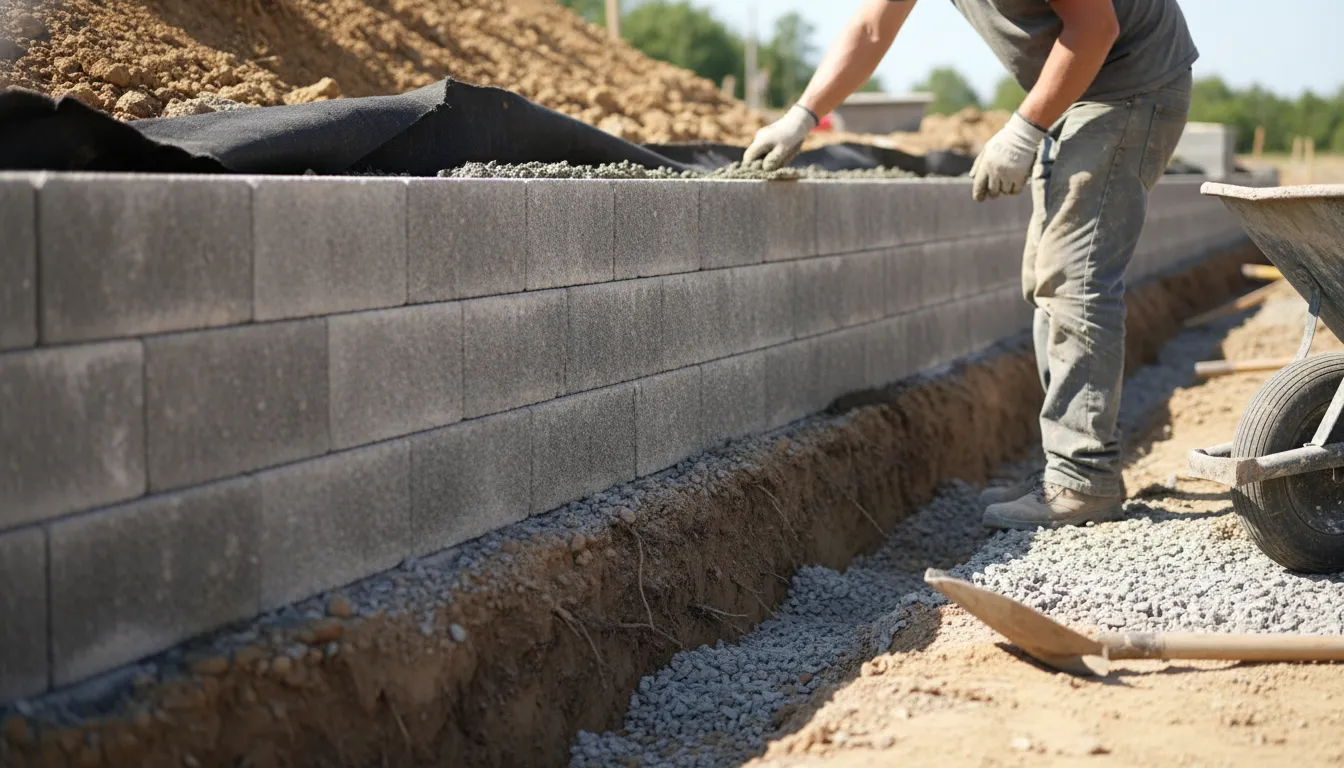
- Poured Concrete Walls: The strongest and most stable option, ideal for taller walls or those supporting significant loads. They require forming, reinforcing steel (rebar), and footings dug below the frost line, making them a more involved and costly installation 5.
- Segmental Retaining Wall (SRW) Blocks: These are interlocking concrete blocks designed specifically for building walls. They are a common choice for residential projects up to about 3-4 feet in height due to their ease of installation and variety of finishes. Proper engineering and a gravel base are still essential.
- Natural Stone (Dry-Stack or Mortared): Creates a beautiful, organic look. Dry-stack walls (stones fitted without mortar) require significant skill and are best for shorter walls. Mortared stone walls are more permanent but also more expensive and labor-intensive 6.
Find the perfect hardscaping contractors for your needs
Get personalized recommendations and expert advice
Critical Engineering: Drainage and Stabilization
No hardscape feature can succeed in Kenosha without a proper plan for water management and ground stabilization. This is where professional expertise is non-negotiable.
Managing Water Runoff The goal is to direct water away from your home and hardscape features. Key strategies include:
- Positive Grading: All paved surfaces should have a minimum slope of 1% (1/8 inch per foot) to shed water effectively 7 8.
- Sub-Surface Drainage: For patios and behind retaining walls, contractors often install perforated drain pipes (drain tile) wrapped in filter fabric. This system collects groundwater and channels it away, relieving hydrostatic pressure that can cause damage 9 10.
- Permeable Bases: A thick layer of compacted gravel or crushed stone beneath pavers or concrete acts as a reservoir, allowing water to infiltrate slowly into the subsoil rather than pooling 11.
Slope and Erosion Control Properties on Kenosha's bluffs near Lake Michigan or those with significant elevation changes face additional challenges. The glacial till in these slopes can have varying stability 12. Retaining walls are often essential to create usable flat spaces and prevent soil erosion. Professional contractors will assess the slope and may need to implement specialized solutions like terracing, deep footings, or geogrid (synthetic mesh) reinforcement to tie the wall back into the stable hillside 13 14.
Understanding Hardscape Installation Costs
Investment in landscape masonry varies widely based on material selection, project complexity, site accessibility, and necessary ground preparation. The figures below are estimates to help with initial budgeting.
- Patio Installation: You can expect a range of $10 to $50 per square foot. Basic poured concrete or a gravel patio will be at the lower end, while a complex, multi-level patio with high-end natural stone will reach the upper price range 15 16.
- Walkway Installation: Costs typically fall between $6 and $30 per square foot. A simple concrete path is the most economical, with brick or flagstone walkways increasing the cost 17.
- Retaining Wall Installation: As a structural element, these are priced by the square foot of the wall face. A typical segmental block or poured concrete wall ranges from $34 to $48 per square foot. Final cost depends heavily on the wall's height, length, need for drainage, and any required engineering 18 19.
The Professional Process: What to Expect
Working with a qualified hardscape contractor ensures your project is built to last. A reliable professional will follow a thorough process:
- Consultation and Design: Discussing your vision, budget, and how you plan to use the space. A good contractor will point out potential issues with your initial ideas and suggest solutions.
- Site Evaluation and Planning: Examining soil conditions, drainage patterns, slope, and proximity to your home's foundation. This step informs the technical design.
- Detailed Proposal and Contract: A clear proposal should outline the scope of work, materials to be used (including brand, color, and size), a timeline, payment schedule, and a warranty for labor.
- Permitting: For retaining walls over a certain height (often 4 feet) or any structural work, the contractor should pull the required building permits from the City of Kenosha or Kenosha County, ensuring the project meets local codes 20 21.
- Professional Installation: This includes site excavation, grading, compaction of a proper aggregate base, installation of drainage systems, precise placement of materials, and final sealing or joint sanding.
- Final Walkthrough and Care Instructions: A review of the completed project and guidance on how to maintain your new hardscape for years to come.
Frequently asked questions
Sources
Footnotes
-
Protect Your Home | Practical Grading Fixes That Work - https://www.ckcontractorsllc.com/news/protect-your-home-before-the-freeze-thaw-season-hits/ ↩
-
Hardscape Maintenance: Winter Prep Tips for Wisconsin Homes - https://amerlandscape.com/winter-hardscape-maintenance/ ↩
-
SPS 321.17 - Wisconsin Legislative Documents - https://docs.legis.wisconsin.gov/document/administrativecode/sps%20321.17 ↩
-
Pricing Guide: How Much Does a Patio Cost? - LawnStarter - https://www.lawnstarter.com/blog/cost/patio-price/ ↩
-
Budgeting for Beauty: Understanding Hardscape Installation Costs - https://tmimn.com/hardscape-installation-cost/ ↩
-
Cost to Build Retaining Wall - Fixr.com - https://www.fixr.com/costs/retaining-wall-building ↩
-
SPS 321.17(2)(a) - Wisconsin Legislative Documents - https://docs.legis.wisconsin.gov/document/administrativecode/SPS%20321.17%282%29%28a%29 ↩
-
2020 HARDSCAPE MASTER SPEC - VendorNet - https://vendornet.wi.gov/Download.aspx?type=bid&Id=b318764b-dab9-ed11-8146-0050568c7f0f&filename=2309+Specifications.pdf ↩
-
Hardscapes - American Landscape - https://amerlandscape.com/hardscapes/ ↩
-
Controlling Runoff and Erosion from Your Waterfront Property - https://healthylakeswi.com/wp-content/uploads/sites/366/2016/03/Healthy-Lakes-Diversion-Rock-Infiltration-Technical-Guidance.pdf ↩
-
Foundation Soil Problems in Wisconsin - Sure-Dry - https://www.suredrybasements.com/foundation-soil-issues.html ↩
-
Protecting Your Bluff - Ohio.gov - https://dam.assets.ohio.gov/image/upload/ohiodnr.gov/documents/coastal/Wisconsin-ProtectingYourBluff.pdf ↩
-
Retaining Walls Pleasant Prairie, WI - https://www.dmtcontractors.net/excavation-grading-drainage ↩
-
compass points - Kenosha County - https://www.kenoshacountywi.gov/DocumentCenter/View/1601/2011-10-Newsletter?bidId= ↩
-
Patio Cost Guide 2025 - Your Complete Breakdown - https://precisiongeneralcontracting.com/patio-cost-guide-2025/ ↩
-
How Much Does a Patio Cost in 2026? - Lawn Love - https://lawnlove.com/blog/patio-cost/ ↩
-
2026 Residential Walkway Costs | Patios, Paths & Sidewalks - https://www.homeadvisor.com/cost/patios-and-walkways/ ↩
-
Cost to Install Retaining Wall - Homewyse - https://www.homewyse.com/services/cost_to_install_retaining_wall.html ↩
-
Retaining Wall Cost | Wisconsin - ProMatcher.com - https://www.promatcher.com/retaining-walls/retaining-walls-costs-prices-wisconsin ↩
-
Chapters SPS 320 to 325 SECTION 1: GENERAL REQUIREMENTS - https://docs.legis.wisconsin.gov/code/admin_code/sps/safety_and_buildings_and_environment/320_325/325_b.pdf ↩
-
1988 ILHR 21 Construction Standards - https://dsps.wi.gov/Documents/Programs/UDC/CodeArchives/1988ILHR21ConstructionStandards.pdf ↩